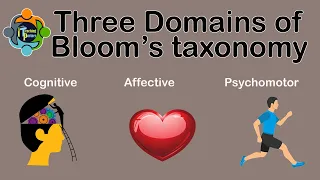
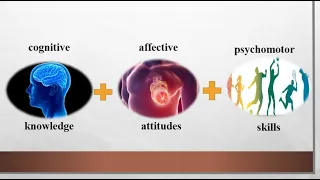
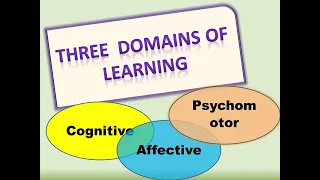
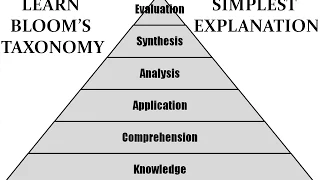
Much as the butcher conveniently divides a cute fluffy chicken into delicious pieces, academics divide the mechanisms of human learning into three domains: cognitive, psychomotor, and affective. The cognitive domain involves intellectual skills and organizes those skills in a hierarchy based on degree of complexity. Relatively simple skills such as the learning and recalling of, um, uh, what you call 'em - the facts!
- are placed at the bottom of the hierarchy while more complex skills, such as analysis and synthesis, are placed on the top. Not surprisingly, this domain is most often the focus of the educational system. For example, a student of literature might first memorize facts about Hamlet.
Later, that student would write essays analyzing the theme of revenge or some other crap. At the highest level, the student would draw from the lower level skills to create original works of literature, preferably superior to those god awful Twilight books. Sparkly vampires?
Seriously? The psychomotor domain involves the adoption of skills requiring hand-eye coordination and other physical tasks. It doesn't have a whole lot to do with library instruction so we're gonna skip right on over tooooooo the affective domain, (Yay!
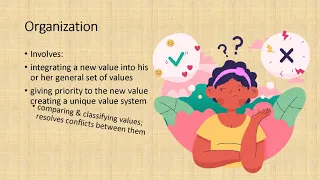
) which involves attitudes and values. It describes how people progress from ignorance of a subject to making that subject an integral part of who they are. At the lower levels, a person learns that a subject exists, chooses to pay attention to it, and responds to it with goodwill.
At higher levels, the person makes an effort to interact with the subject, eventually making it a determining force in his or her life. For example, that same student of literature would begin by becoming aware that Hamlet exists, decide to read it, and enjoy the experience. Later, the student would acquire other plays and read them, maybe attend a performance.
At the highest level, the student would come to appreciate literature as something of enduring value and make it a permanent part up his or her life. This three-way division exists purely for academic convenience. Learning domains are actually deeply interconnected like the chicken is to its wings and drumsticks.
Mmm hmm. Just as the chicken becomes significantly less cute when subdivided, learning tends to suffer when domains are addressed in isolation.