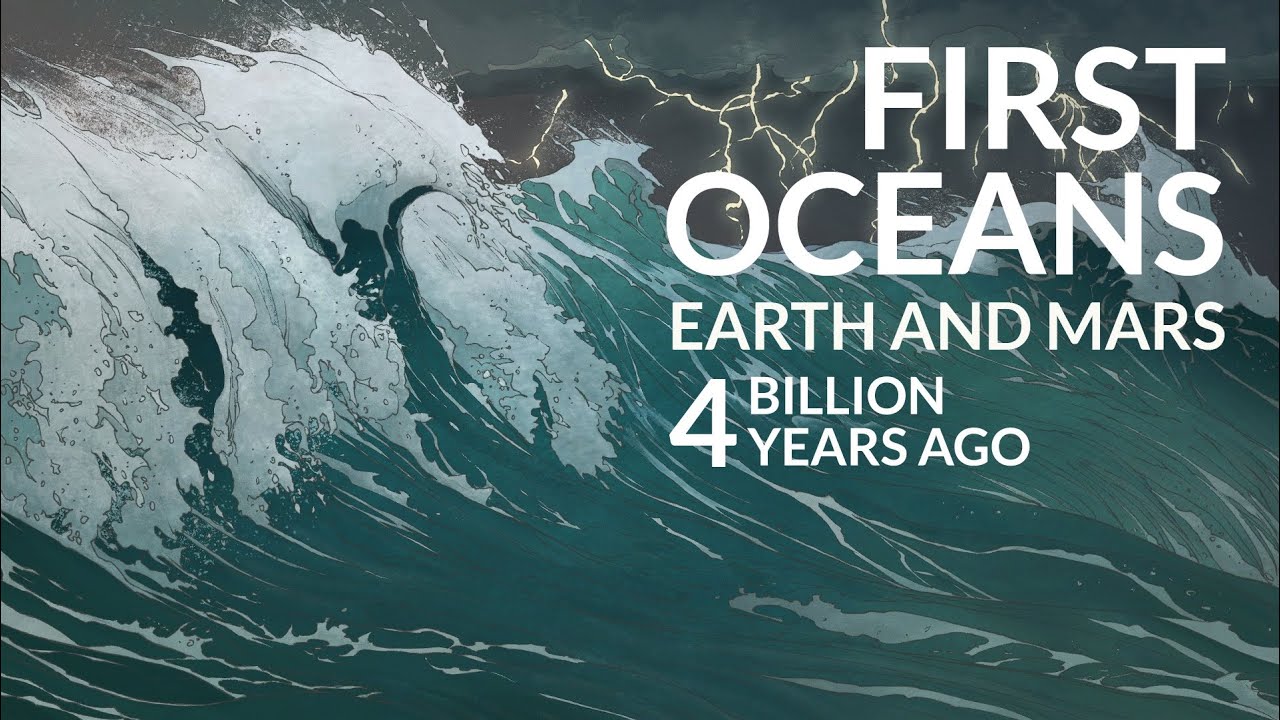
between oceans glaciers polar ice caps and lakes watery goodness covers almost 71 of earth's surface and that's pretty special earth is the only rocky planet in our solar system with this much water so when it comes to big questions one of the biggest is where did earth's water originally come from and one new study says maybe the sun but to get there we've got to start a little further back for decades planetary scientists and astrobiologists have been building two main competing hypotheses for just how earth got so gosh dang wet option one water was inside
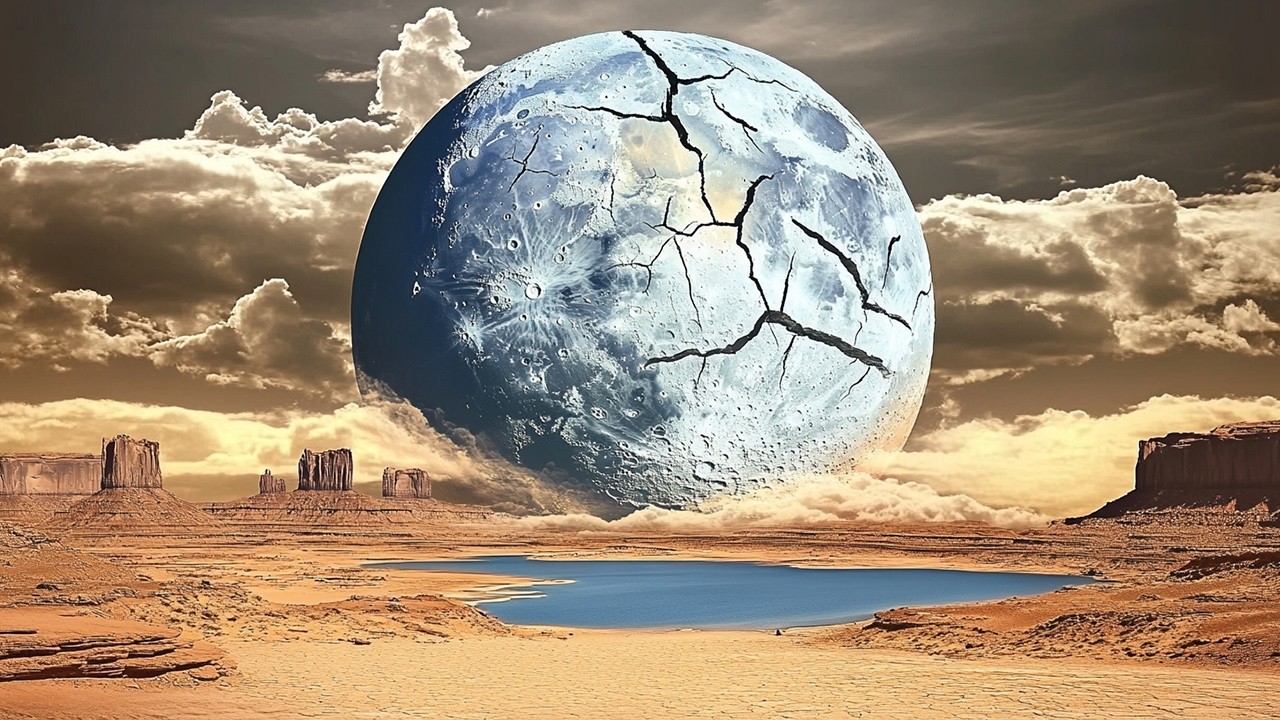
earth when it formed in the first place the idea goes that minerals in the mantle of our ancient primordial earth stored hydrogen and oxygen when those minerals melted in the natural course of geothermal activity the hydrogen and oxygen dissolved together in the magma as water when that magma got spewed out onto earth's surfaces via volcanoes the water came too alternatively maybe those elements stored in earth's minerals were vaporized by an impact from some comet or asteroid possibly even the big impact we think created our moon and those vaporized elements combined and settled onto earth's surface
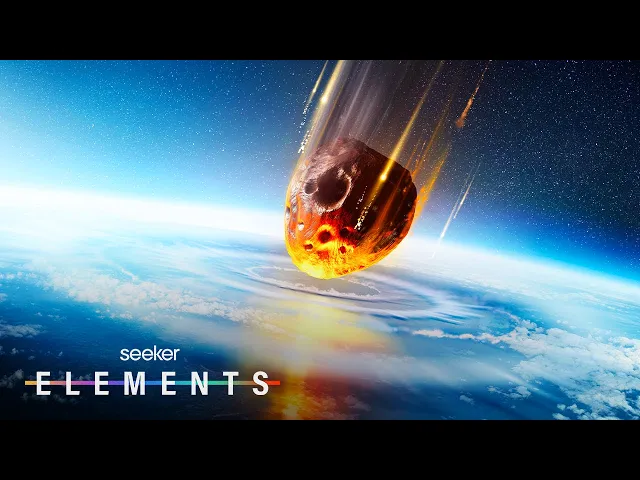
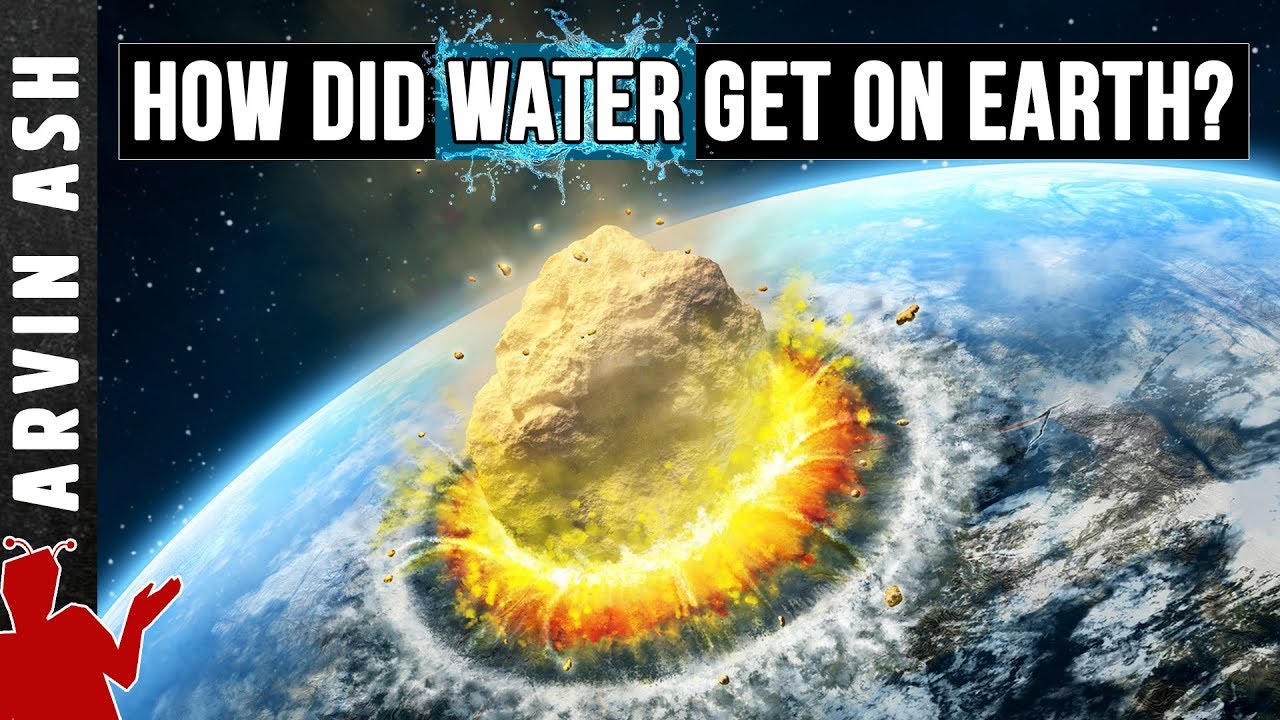
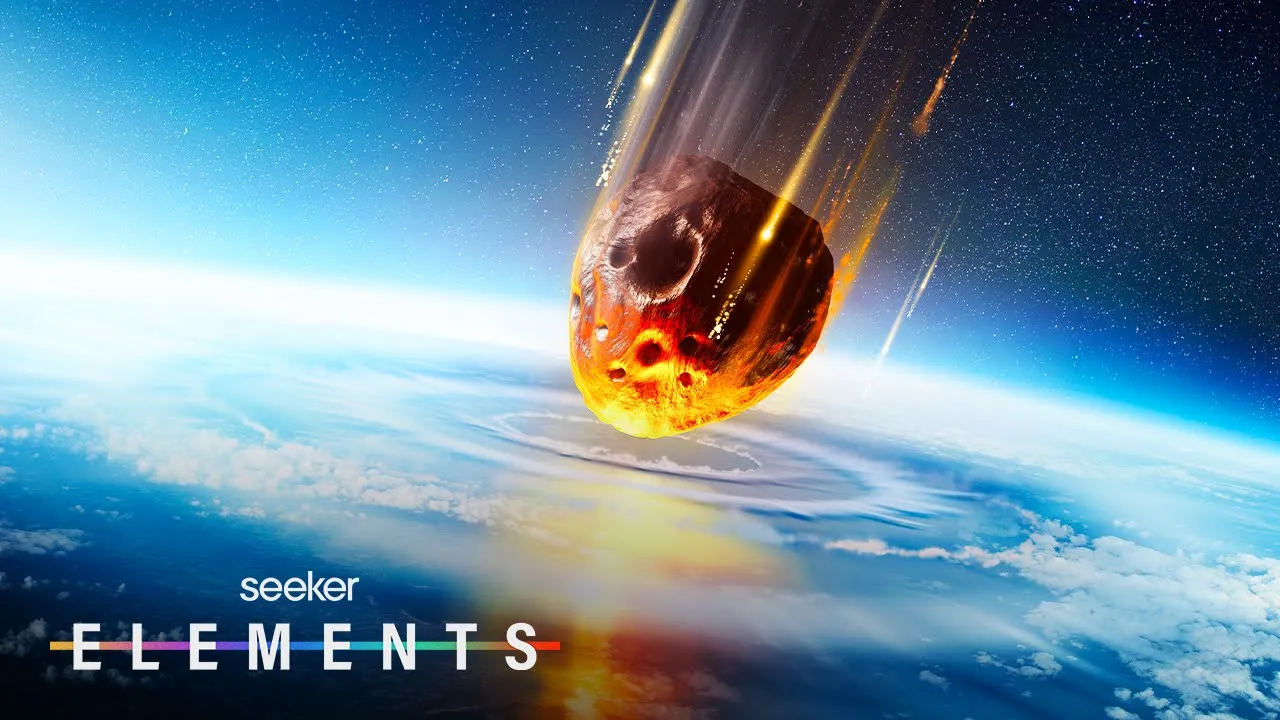
resulting in our life-giving liquid but option two is an answer that doesn't come from so close to home many scientists think that water was just chilling on comets meteorites asteroids etc out in space when these guys crashed into us then hey presto water on earth where this gets a little sticky though is the numbers see scientists have studied the remnants of asteroids and meteorites that crashed into us way back at our planet's beginning and these do contain certain kinds of hydrogen what are called isotopes but the ratio of the hydrogen isotopes on these ancient astrophysical
bodies doesn't match the ratio of water in our oceans today to get to this right ratio the water from these crashed objects would have needed to mix with another lighter isotope of hydrogen for us to get that same water we have today so where'd that different water come from and this is where we come back to the sun it does seem pretty bizarre that our water could have come from a giant ball of burning gas but stay with me see our sun is constantly undergoing nuclear fusion that's an incredibly energetic process that means its outermost
atmospheric layer the corona reaches over 1 million degrees celsius this extreme heat is flinging particles out from the sun's surface mostly protons and electrons creating streams of particles that can travel all throughout our solar system at around 1.6 million kilometers per hour in 2021 a team analyzed minuscule grains of dust collected by the hayabusa space probe from the surface of a near-earth asteroid called itakawa the team also irradiated this dust with protons like those we find in solar wind and that process made water and this water fits the profile of what would have been needed
to even out our hydrogen imbalance an asteroid like that definitely could have contributed to the start of our water world oasis scientist calculations found that idakawa may contain up to 20 liters of water for every cubic meter of rock so now the space rocks crashing into earth option has another strong argument in its favor but the other contending hypothesis isn't going down without a fight either because exciting new evidence from mars indicates that the red planet also had water right from its beginning meaning the water was with us all along hypothesis may apply to more
than just earth but whether water came from outside in or the inside out if either or both of those happen to us that means that there may be water on other rocky planets too and maybe they're also a perfect distance from their star and well as we know where there's water there's life so it's just another piece of the puzzle clicking into place telling us that we are almost certainly not alone in our universe if you want even more on perfect planetary candidates for extraterrestrial life then check out this video here if you have questions
about this work or want us to cover something similar then leave us a comment down below and subscribe to seeker for all your space dust updates as always thanks so much for watching and i'll see you next time [Music]