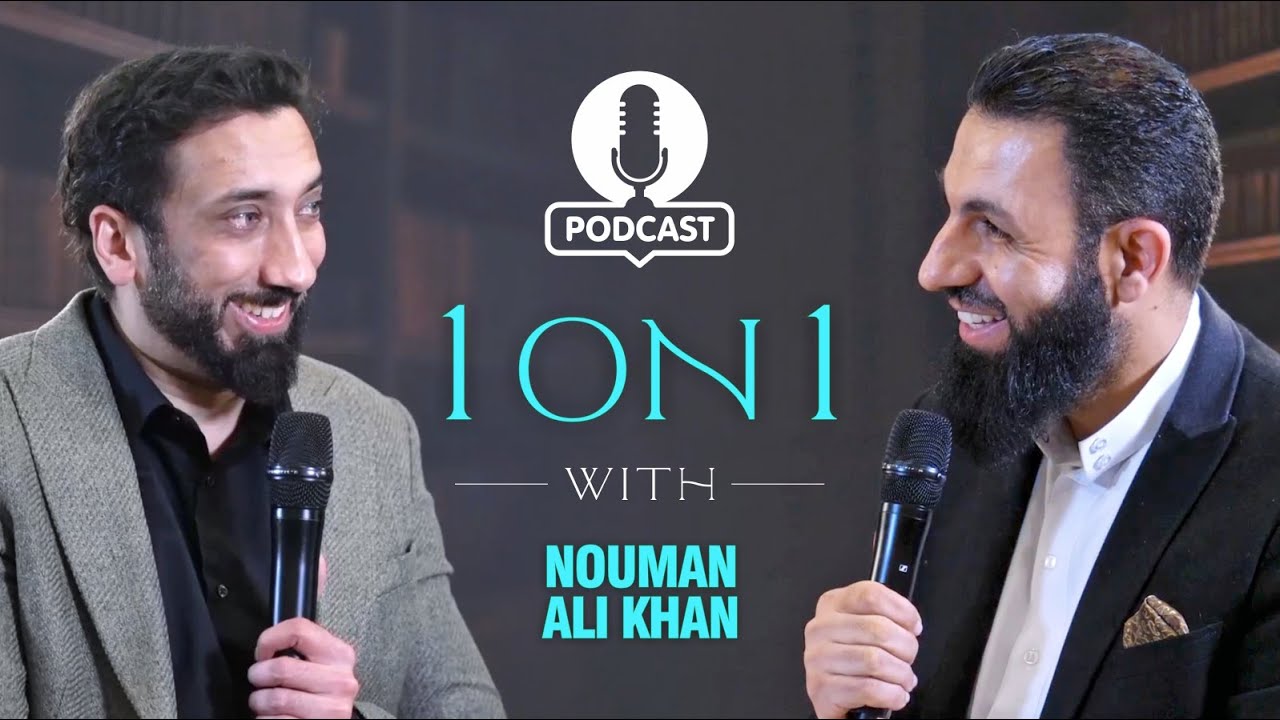
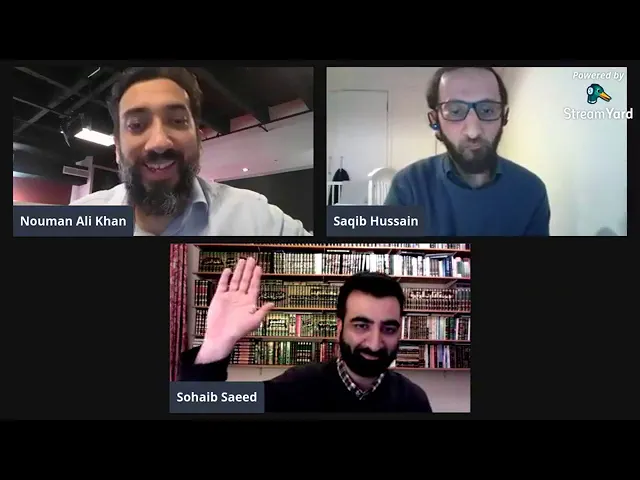
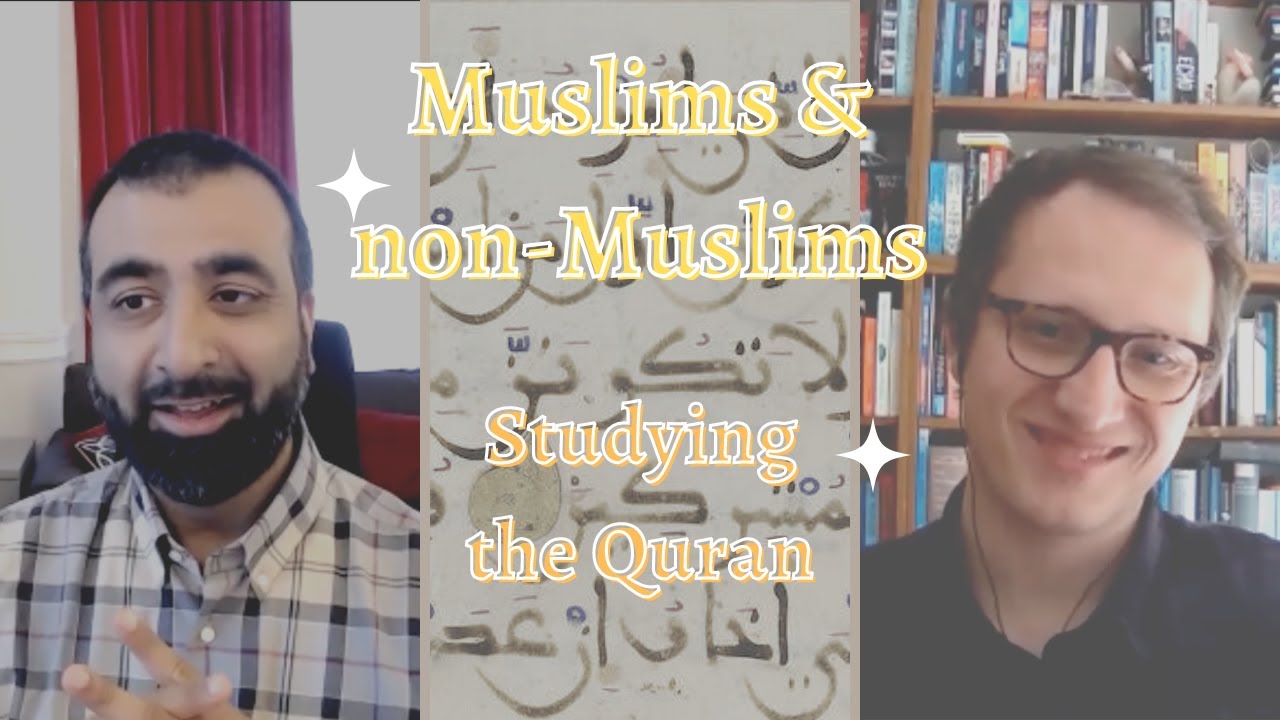
all right assalamualaikum everyone uh i'm really really excited this is the first live broadcast interview that i'm trying out and inshallah it's a benefit uh with me today is a dear friend of mine parker hurtain who spent all year studying traditional sciences in the middle east in syria and after returning to the uk where he lives now uh he compiled his mfil at the university at oxford uh in islamic studies and history with a focus on the quran hebrew and syriac uh he's now part of partly through his uh d phil d phil is a
phd right that's what you guys call it yeah it's just an oxford it's an oxford term it's an oxford okay oxide okay so his detail on biblical was wisdom literature and its relationship to the quran his forthcoming publication includes the study of suta munafikun including its variants in the sanaa manuscripts and a chapter in biblical traditions in the quran on job jonah elijah and ezra that's going to be really interesting we're going to have some conversations about mutually inshallah inshallah so i invited you on and i think who's head of research at bayina will be
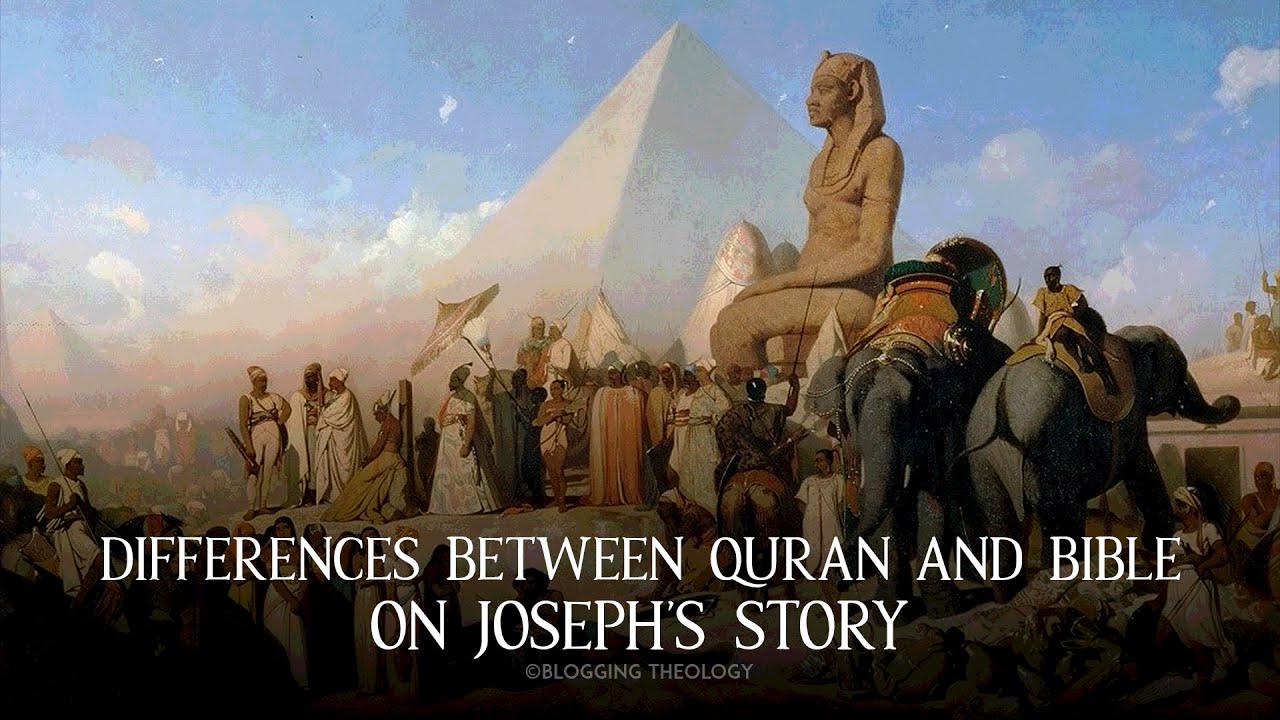
joining us soon he's having iftar at the moment and i told him we'll just get started and he'll jump in inshaallah um the link to join in let me just make sure that i did send that to him yes i did so um what i wanted to do in this session was you know in my series on studio youssef i've gotten up to discussing ayah number 18. and what i wanted to do is every every story milestone we reach in the quran with my audience i wanted to take pause and do a comparative read of
the old testament and see how the story is described in the book of genesis and as a view the reason i wanted you on on the call today is as i read through this because i'm reading the english translation and i have no knowledge of hebrew or you know scholarship on the bible et cetera so i wanted some of your input on you know you know not just the obvious contrast but some things that stick out to you based on your studies so let's you know get right into it inshallah so this is this is
chapter 37 so everybody knows this is chapter 37 of uh genesis the book of genesis in the old testament and are we going to read 38 or no should we be skipping right let's get started the 39 can you tell the audience where that is we'll actually um verse when we get to verse two i'll uh i'll explain that okay that's fine that's just who explains that okay so so let's start and jacob dwelled in the land of his his father's adjournings i don't know what's adjourning means by the way uh traveling around okay so
so jacob dwelled in the land of his father's earnings in the land of kanan this is the lineage of jacob joseph 17 years old was attending the flock with his brethren assisting the sons of bilhah and the sons of zilpah the wives of his father okay that would be two yeah yeah so uh america just jump in is that how you work yeah okay so this phrase here this is the lineage of jacob that's a structuring device in genesis so genesis is basically divided the first book of the old testament right is divided into four
sections so you've got the primeval history which is the creation of the world adam and eve the flood of noah the the tower of babel that's um chapters 1 to 11. then you you see this structuring device this is the lineage of introducing like the major sections this kind of used once or twice for some uh diversions as well but it basically introduces the major breaks in the story so you get the you get uh the story of abraham first then isaac right and he said this is the lineage of isaac and now we've been
told now this is the next part of the saga right this is the linear object and that's why the next chapter it moves away from joseph because this whole section from genesis 37 to the end now is really it's not really just about joseph it's about the lineage of jacob that includes all of the sons of jacob and that's primarily joseph but it also is the others that's why in chapter 38 you get a little bit of information about one of the other sounds due to what he was doing so it seems like it's a
discontinuity but that's only if you don't appreciate how the structuring device is working the structured advice thinks about jacob not about joseph so that's the first thing second thing is that um what the book is doing uh in this structuring device when you're going for abraham to isaac to jacob is telling us how the promises that were made to abraham so right at the start of the abraham story how they're unfolding and being fulfilled so those promises children like the stars and all of that exactly but there's another promise that people uh sort of pay
attention to that that's obviously the big one but there's another one as well which you have to really appreciate to understand what's happening in the jersey story yeah the first promise was you can have a huge lineage right like the countless stars and the second one is that the nations of the world will be blessed through you right and that's really important when it comes to joseph right um so you see how we now see so if you look at the story if you follow through there's kind of obstacle after obstacle to the promise being
fulfilled so abraham's really old sarah's infirm uh one son is sent away into the desert ishmael the other one's about to be slaughtered then isaac's wife um rebecca she's in firm and now you've got um but all of those obstacles are overcome right um and now you've got this final uh part of that promise left which is jacob's sort of had all the children and so they're multiplying and the generations are increasing but this blessing hasn't reached all of the world yet it hasn't gone beyond israel so that's what the jacob's story is going to
tell us and that's uh really interesting in light of i don't go into the quran because i know you've covered that too much but just to just think about that when you said it because foreign recognizing look promise was fulfilled with abraham the next part was for isaac there's a bit left and i'm hoping you'll fulfill it and what's really beautiful is that the quran is kind of there reminding us that part of the promise was that this is going to go beyond israel and that's really important in terms of the context of the prophet
right and in the real language of the bible if abraham being told that through his lineage nations of the world will be blessed we have another additional reading of that as muslims because of the universality of the prophet you know in our reading of that right respondents so that's pretty remarkable subhanallah okay so and and joseph brought ill report of them to their father and his and israel loved joseph more than all his sons for he was the child of his old age and he made him ornament an ornamented tunic uh and his brother saw
it was he their father loved more than all his brothers okay so we can't we can stop there yeah if we may so joseph uh brought a report of them to their father uh joseph's characters sort of been interpreted in two ways this first part uh before you get to the uh the dreams and uh and the attempted murder you know is joseph a kind of an innocent young kid who's um um you know just being dirted on by his dad or is he um and this is the phrasing that they use in modern scholarship
a spoiled brat right this is this one what is what is genesis actually saying about him and it's pretty clear that you know whatever we you know believe as muslims theologically about prophets and about some genesis is definitely portraying him as spoiled right so when it says joseph brought ill report so the words in hebrew dibara are the debates quite a rare word in hebrew but whenever it's used is bringing news that's just stirring up trouble so when the when musa islam sent spies into israel to kind of into canaan to scout out the land
before they invaded it yeah and two of them said yeah we should do it the others who were spreading rumors is going to be really tough and they're giants and this can that was called a dibba and it's used in the psalms as well so this is kind of this is a tale bearing right this is kind of malicious stuff that you you need there's no uh benefit in it so you're definitely the story to stir trouble right right at the start saying that look joseph kind of has it coming to him that's what that's
how the story is beginning not only is he and it's also then jacob so uh so um again just give a bit of context jacob has several wives um his favorite favorite wife is rachel and through rachel he has two sons joseph and benjamin um and that's his favorite wife and he has joseph in his old age and so this is his favorite son and you can see he's dirting on him he makes him this ornamented tunic we don't read the word ornamented by name we don't really know what it means it's um okay we
don't really know what means it's quite a rare word but it's used in one other place in the bible uh to refer to it's it's when the princess um uh tamar she has a similar thing so it's a royal sort of thing so clearly an expensive garment that uh that you're wearing it's not necessarily very practical all that thought i just want to invite every welcome every or let everybody know that i'm welcoming my dear friend who i talk to every day and recall he's head of research he's completed his phd from the university of
london in quran studies a remarkable thesis and also has actually published a translation of imam pakuden razi's fatiha isn't it it's just that there it is yep super proud of you and has won awards for that translation as well and he's on this call because sakura is going to help us gain some insights from the old testament and sahib is going to chime in inshaallah wherever he sees a parallel to traditional references maybe any i thought or anything like that that may help us gain some more insight i mean as a shallow read before we
continue we're on on verse 3 by the way in the in chapter 37 um and i'm going to keep reading and you know chime in whenever you feel um what we have so far at least my own shallow read was there it's like two different stories two different different characters different stories it's like a completely different world that the quran is painting than what you find in the old testament and that actually lends into you know and what we were saying about that the best version of the story also the best reading of the story
and also that it's a new revelation altogether quran so we've sent it a new almost you know yeah so that that's really important because this story is one of the most popular stories um at the time of the prophetism so there's kind of countless poems and homilies in syriac in and then the rabbis are obviously discussing it um it's part of the pseudopigra so it's a really popular story people are giving their own takes on it some of those takes come you know suggestive wisdoms thesis some of those takes have some similarities to the quran
in terms of for example um uh not wanting to portray joseph and jacob in a bad light at the start of the story um so there's lots of there's versions of the story that are around so when the quran says it's recognizing that there are versions of this story around and now it's going to give it's throwing down the gauntlet right this is the best yeah and part of painting jacob in a bad light yakuba islam or israel as it's as he's described is that he is biased in his love you know part that is
like he's on he's already unfair to the other boys it mentions their sentiment but never validates it you know right in fact it misses out this entire first section right this is setting it up as what they what happens to them is almost coming to them right because of uh uh these um you have to remember this is a theme that's running throughout genesis of a favorite sun and it always ends up bad you know our favorite son who's a little bit spoiled um so uh isaac's favorite song was iselle rebecca's favorite song was jacob
um and it's it always ends up in the brothers having strife with each other um and that having uh consequences down the road so as soon as you read at the start that he had a favorite favorite song and you read that the song was a little bit spoiled you know that they're bringing trouble on to themselves wow and the grunge does away with that okay so shall we redone um uh just one more thing so note that in verse three it's called jacob israel right um so jacob um so so jacob like abraham like
sarah before him had his name changed like by god abraham abraham to abraham sarah from sarai to sarah and this is a way you know naming something is ownership um that's why when in the in genesis adam names all of the animals obviously all the grand chronic story is different but in genesis when by adam naming the animals god is giving him ownership and dominion of the animals you get to decide their destiny so by god changing names it's showing that god is now taking ownership of this person jacob's unusual in that even after his
name is changed sometimes he's referred to by his old name jacob and sometimes by the new name israel here in this part of the story in the joseph narrative is usually jacob and um occasion and less frequently israel so when it comes when it comes up we need to think about why it's coming up and usually it's to do with is focusing on the the clan um and there's something significant about the clan so these are telling us israel loved jacob uh in other words the is drawing our attention to kind of the history of
the nation and what's going to happen as a consequence of this love nicely i see okay so so i got up to uh and his brother saw it was he their father loved more than his then all his brothers and they hated him and could not speak a kind word to him and joseph dreamed a dream and told it to his brothers and they hated him all the more right you want to stop here yeah just a couple there's a couple of things so um he told his brother so uh most modern scholars would say
look this is part of joseph's kind of um self-aggrandizement right you already know that he's being presented with sports now he's saying look at these dreams that i dreamt um so he's just lording it over his brothers um and clearly he understands the significance of what it is that he dreamed um and i don't know what you're taking i i i'll confess i haven't been following this this use of lectures i know what your take is i'm i'm not i'm not convinced that in the quran he actually knows what the dream means the quran i
think presents him as more innocent than that but here he definitely knows what the dream means and it seems that he's lording it over his brothers look what i dreamed um he doesn't know what it means but he's not he's actually disturbed by knowing what it means instead of being proud of knowing what it means okay and so it's the knowledge of it is actually putting him in a um kind of an anxiety and that's maybe one of the there's few language markers towards that and maybe one of them is the repetition of raitu before
he could finish the thought even so but i mean can i just can i push back on that little do you want to get back to this absolutely absolutely so so i mean um the re to home the masculine plural pronoun so we see that elsewhere in the quran where something inanimate is being treated or is doing something which you normally associate with right so um so um so the earth and the sky say we come obediently and they use the masculine plural right so i'm not sure and i'm not sure how strong an evidence
that is and then the other thing which in my reading makes me think i'm not sure joseph knows what's happening just usually some knows what's happening here is that um and this is what i want to get your take on yeah says him god will teach you your elimination suggesting maybe he didn't know and then when the dream is realized he says how about that this is what the dream was all about that's certainly a plausible reading of it our take on it was a few things um that i shared with you if you can
chime in also the first of them was the the home which is conventionally for and if it's not explicit evidence the other was the reluctance and the third was also um you know having to do with divine selection but actually having to do with selection based on some qualification or something demonstrated and it's a hint of that is being demonstrated already in the way that he spoke of them and so it's it's it occurred you know it one of the implications may be that yahuwah sees that the way he's talking about it seems he may
not have it all figured out but he knows that it's not just the sun the stars and the that the process of god teaching you has begun okay and it moves as if it's not just limited to dreams it's going to be all manner of speech that he's going to be teaching you interpretation of hadith um i mean i would i would add one one further thing here which is that if most of us reading the surah when we come to this ayah we understood what the dream was about then we would probably credit that
to safari islam we actually had 11 brothers and would have been able to put you know 11 and 11 together as it were he's very young i mean i mean in here in the biblical story he's obviously 17. even then you know immediately what does he have said don't tell your brothers lest they play okay yeah yeah putting these things together wouldn't in beyond him um unlike some of the dreams later which in a sense were more complicated the the you know the the cows and the the stalks and all these things but you know
aloha i mean end of the day you try to piece together things that are little signs in the text and yeah no sure so one of the reasons that was making me inclined the other way was that it then really undercuts the biblical narrative altogether where the bible is presenting him right the quran is saying look it wasn't like that at all you know he was much less lording it over he didn't really fully grasp what it was that he dreamed well my thing on that is the the biblical narrative may present a pretty ugly
picture but uh an extreme reaction to that if you will should not be warranted it should be no let's set the story straight and let's let's not go on rejecting yeah going out of our way to say no that's not what happened no this is what happened you know like right there may be parts of it that correspond with the biblical account and then there are points of divergence and so it's it's almost miraculous that the tendency to want to undo the damage done by an extreme view should be to completely throw the baby out
with the bathwater and reach and present more opposite view and the quran refuses to do that and you know i also like it's it's so interesting how how we read these ayats with certain tones right so all of a sudden a man always has like a different tone to maybe what i'm i'm used to like what you pick up from it and even the same thing can be said about you know that like you could hear that as uh like a surprise you know you could you could read it in that way um or it
could simply be just like amazement about how allah subhanahu wa ta'ala has taken things you know through all these ups and downs um and he's been so good to me when he brought me out of the prison and the shaitan had tried to create dissent between me and my brothers but despite all of this you know here we are and um you know you know yeah yeah it doesn't necessarily mean also that's what it means would be the fulfillment and the manifestation of what i'd seen and now before me in the way that i saw
it in my dream you know right yeah yeah and i see that guys before i i continue are you guys okay with um i i know within the hour we're not going to be done with the story or at least up to you in ay 18. are you okay with carrying this on tomorrow are you guys done with that yeah we can finish the update uh and all that but like and then we can just because i don't want to rush through anything and i'm in no hurry to finish the study of the surah i
just i want to be able to just be able to process what we want to process from it and and give due diligence to whatever table we can inshallah out there okay so i'm going to read a little bit further um so by the way so one thing that i noticed you have in the quran's account him coming to his father telling him the dream cautioning him not to tell his brothers and by very stark contrast him going straight to his brothers first in the bible and then almost rubbing it in their face and offending
them right so and then he's and he said to them listen pray to this dream that i dreamed and look we and and i don't know what a sheev is so you're gonna explain that to me and look we were binding sheaves in the field and look my my sheath rose and actually stood up and look your sheaves round and bow to my sheaf and his brother said to him do you mean to reign over us do you mean to rule us and they hated him all the more and for his dream and for his
words and he dreamed yet another dream yeah maybe you can just stop there briefly if you combine the two but go ahead tell me about the sheaf business so the sheaf is just a like a blade of like wheat or corn um so the other blades were bowing down to his blade ah okay so that's that's uh what that is um and um what did i want to say yeah there's a nice play on words which happens a couple of times which is which is interesting because uh the name of joseph actually uh is there's
like a word planet several times in the in this uh story um so they hate them all them all the more it's because they uh added because the verb can mean to increase they increase their hatred for joseph um and uh which is it was interesting because the quran just has a word play on the name as well um right so it's actually continuing a biblical correlation and the bible doesn't have this particular problem you're referring to yeah yeah yeah so um this uh this uh earlier dream is also mentioned in subsidiary but these relations
tend to come as um instead of saying it says in genesis we have it as are attributed to some of the early um authorities and people of narrations um and then in some cases it's it's fairly easy to find the parallel of that in the biblical text so this would be one of them i didn't actually realize that when i translated this from but you know it basically became like this joseph was seven years old he saw 11 long sticks standing in the ground in a circle a small stick pounced upon them uprooting each one
and his father told him not to recount it then when he was 12 he saw this one which is mentioned in the ayah they're trying to make a correspondence with the biblical kind at least somewhat or basically what would happen is that um you know additional things are being mentioned and those things may indeed originate in the bible yeah yeah because you know when when you see a narration like let me ask you so what's your thoughts on this when you see a narration like that where does your mind go of its origin is it
is it a sahabi or a tabiri that was in contact with a someone of biblical knowledge because they're they're clearly not attributing it to rasulullah yeah so where is this coming from the first thing i kind of ask and this is i think um the mindset that that being muslim inculcating us is okay what's the island for this right right right as it were um of course if if it's nice to have an island to the prophet sallallahu alaihi we know that he doesn't speak of desire so this is now a matter of why right
it was authentically narrated from him yeah otherwise would say okay well okay what's the islam to youtube or what's this but what's the islam to this sequence of events like who was there who witnessed it right because some stories you read someone had to have been there to observe it otherwise how would anyone know about that um except through revelation so in this kind of thing you know especially when you're dealing with biblical stories you're just going to encounter a lot of materials that that yes are either taken directly directly indirectly from the bible things
that entered into the general consciousness and things that were passed around as stories and as it comes now here's what my crazy mic they would sort of observe they'd find certain gaps and they'd be like yeah why not fill in this gap a little bit and they'd reach for things that were you know that were said especially those who were converts from the people of the book i also feel you know because the the what we're reading here in the version of torah and i don't know how many versions of this are there but you
know there's no plucking mentioned it's just sheaves drew around and bowed to my sheep and the the version you mentioned from razi has these talks these stocks plucking right so it's okay it's similar enough but it's also diverging from what we're reading here and which makes me even think is this taken originally from the bible or is this overheard from a christian or a jewish person who has their version of it that they kind of remember from whatever they learned and they're just casually recounting it kind of thing you know what i'm saying because it
also comes to mind that the early you know region is not really a place of great scholarship it's a place of oral tradition things being passed along and kind of a fluid religious you know uh uh continuity right so which is why these divergences also make me kind of question did it really come from a biblical source your scholarly source what are your thoughts on that socket yeah so it's it's a big question um uh but there was definitely a lot of um a lot of oral bible right in in the atmosphere a lot of
storytelling a lot of popular storytelling just think about how the average muslim what the average muslim knows about the quran and even knows about a story that is actually in the quran if asked to recount it what they might add to it assuming that's that it's in the text or vaguely remembering that it's in the text so there was a lot of that going on um at a popular level and and then um there was kind of this professional embellishment embellishment as well you know so homilies um which were designed it's like and it was
just seen as it's fine to take these stories embellish them if it's going to yeah if it's going to benefit the congregation make them love god more make them fear god more make them underst whatever and so uh that was you know and those sort of things would be sung there'd be hymns in churches yeah yeah that's pretty epic shall i read the record i just want i just want to say one more thing the the translation do you mean to reign over us do you mean to rule us um so it's not it's not
great uh so the in the hebrew you have the mafud motluck being used so are you going to rule over as a ruling and are you going to reign over surrendering right um so it's it's pseudo serious it's uh you know it's like um it's not uh it's not saying do you i do you intend to do this you're saying um you the most of us are really gonna do this huh um yeah wow well we're not the only ones have prop translation issues it wasn't a unique problem for the arabs yeah so okay so
and they hated him all the more and he dreamed yet another dream and recounted this to his to his brothers here we go again brothers and not the father look i dreamed a dream again and look the sun and the moon and eleven stars were bowing to me notice the sequence and he recounted it to his father and to his brother can i just can we kind of pose you there absolutely don't think you can keep talking you can you're yeah just all right so what's really interesting here is the first dream is admitted in
the quran right and that's for me that's immediately uh interesting because in in terms of the issues that it raises the first dream you would think raises less theological issues than the second one because here's just sheaves bowing to another sheath right whereas the second one they're actually bowing to to joseph himself and so you might think that look for a you know a book like like the quran which is so insistent on tahit if you're going to keep one of these dreams why not keep the first one um it seems it seems intuitively less
uh problematic right but there's some really interesting things happening here so firstly um this dream the second dream has some interesting interpretations in both rabbinic sources and christian sources so in rabbinic sources for example um they notice a discrepancy it's very obvious one which is that uh joseph's mother is dead she died earlier in the story right rachel's not is not there so what's this idea of the moon bowing to joseph and one of the solutions was that uh this shows that a dream hold on what yeah so have you heard yeah it's all here
it's all here sure yeah he said um some said that the sun and moon represent his father and his maternal aunties khala which indicate again he's not saying the bible says right reports which indicate that his mother had already died before this combination in egypt wow and then and you know that comes up again later on when by the way this is a phenomenal conversation and i must because this is not a lecture i must say that some people mashallah they're so much more islamic than islam that are just so concerned that you two are
not fasting so i just wanted to just interject people know that they're in the uk and they've already had our time okay yes because i can see i turned them off for you because your brain would have melted something right [Laughter] and i'm in the wrong direction so then what is the moon referring to right so one of the rabbinic interpretations is that this shows that a dream uh might only get partial fulfillment which is hugely problematic if it's a prophet prophetic dream right so one of the things that quran does is insist which is
completely absent from the bible right but insists that that did happen you know both his parents yeah so it um insists that that happened and um you know it doesn't um whether or not um whether or not is is the quran making it irrelevant whether or not she's the biological mother i mean that's that's for you to tell us that but is that possible well so so what i don't know one of the things that so you have several right rabbinic traditions are vast right so this is one interpretation another one is that um even
though uh rachel his mother so in the biblical text she dies giving birth to benjamin right the younger brother um and um in genesis rabbah which is an early uh kind of a commentary on genesis uh there's this discrepancy also noted and they say well actually maybe joseph was the son of bill mentioned earlier who was a like a slave maiden of rachel and so he's sort of attributed to rachel even though he's so they're trying to get around it um but what what i like is the quran definitive definitively does away with this idea
that a dream receives only partial fulfillment right if it's a prophetic dream it's going to be fully fulfilled it's also interesting you know it isn't a hadith there's also even a suggestion that she was brought back to life with a purpose and things like this oh wow wow yeah yeah that's a bit gymnastic but okay yeah so here we are maybe a big thing to have happen and they're they'll be a little less shocked by they're finding their brother and a little more shocked by mom coming from mentions that particular tradition as well the maternal
anti is like a mother or a maternal and is a mother in the way a paternal uncle i just had a razi thought process without reading channeled and also you know ab awake i mean i mean yeah this kind of thing but it's more there is this the the ayah which mentions isma'il as an ab right which is where he's actually their uncle right in in baccarat reading it there in a literary sense as your your forefathers or your your ancestors right right it's just it's just that the word up can be kind of extensive
enough to go in yeah include uncle or in this case aunt yeah is there is there something like he married her or something later on is there something like that in the biblical version uh married married eventually that's that's what it says that's what it says yeah so uh hey was leo uh so leah's still alive um yes this is a big problem because it it's uh i i i say look at this but my understanding is that this is contrary to jewish law you can't marry two sisters as in the quran you can't um
but it's one of several instances where the patriarchs abraham isaac jacob they do things which are contrary to the later later jewish law um and you can say well look jewish law hadn't been revealed then that's kind of the point that the quran makes these things came later so the quran is kind of inviting and traditionally you know description of laws that weren't revealed yet or prohibitions that weren't revealed yet isn't it right yeah so it could be already happened i mean there's definitely nothing like when you when you're just reading the surah by itself
you you don't encounter any difficulty here it's only when you start comparing with the other information this is the point to me as i wrap up today's uh portion of the discussion guys i think that one of the main takeaways here so far is that the quran is simplifying something and taking points of discussion away look the conversations we've been having right now are not quranic right and that's actually one of the contrast that i wanted to paint is that the quran is taking the minds of those who did not know of this election himself
is being told in kuntamin raphael right so this conversation that we're having right now he's rafil of this text his lawful of this lineage and these complex marital situations and who died and whatever else and the quran is painting such a clean narrative focused on an agenda for you know spiritual guidance per item mentioned and we're so lost in complexity here oh yeah but but at the same time i i agree with that but at the same time i think there's enough detail in there to show that the quran is at the same time addressing
christian and rabbinic interpretation interpretations of problematic interpretations because we didn't even get to how the christians interpret this dream and how they make it about jesus because that's really interesting and how the quran deals with that um but maybe that's maybe we can shout out you guys good for the same time tomorrow i'm getting with you [Laughter] foreign

![Chris Langan - The Interview THEY Didn't Want You To See - CTMU [Full Version; Timestamps]](https://img.youtube.com/vi/9miVG2xT5jY/maxresdefault.jpg)

![The Story Of Yusuf [Joseph] AS](https://img.youtube.com/vi/75LcnctQIGw/maxresdefault.jpg)