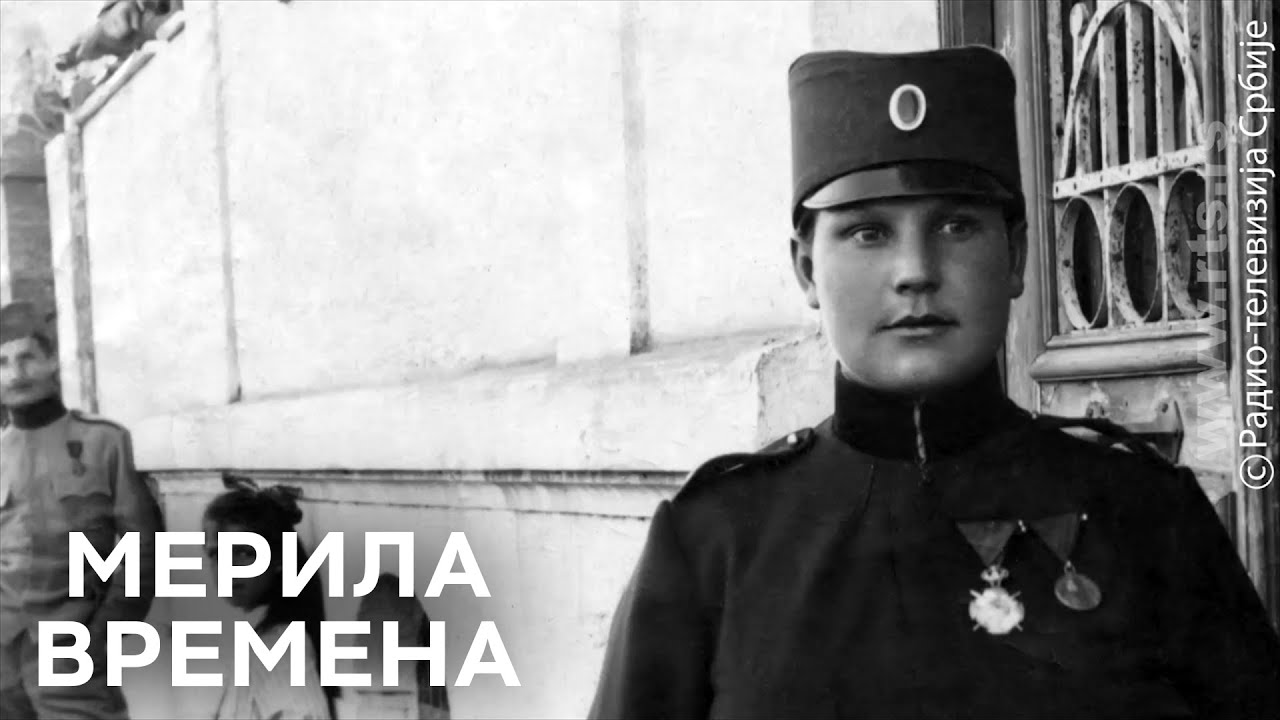
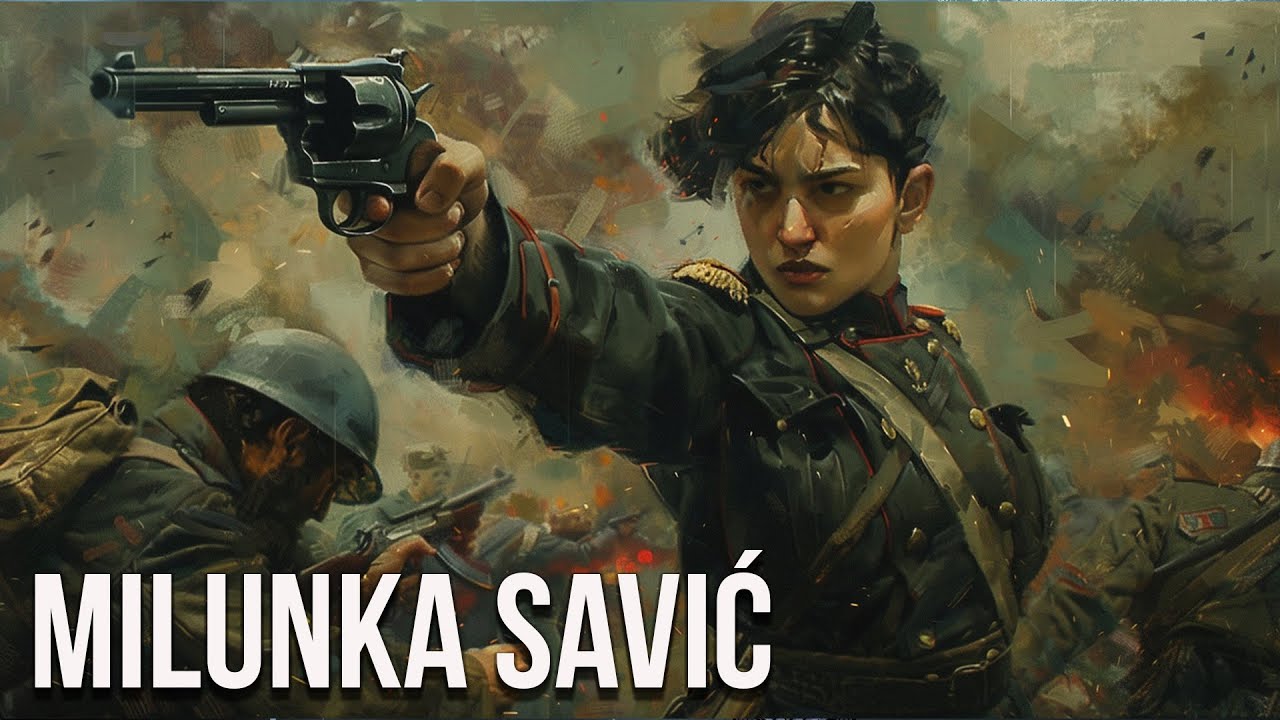
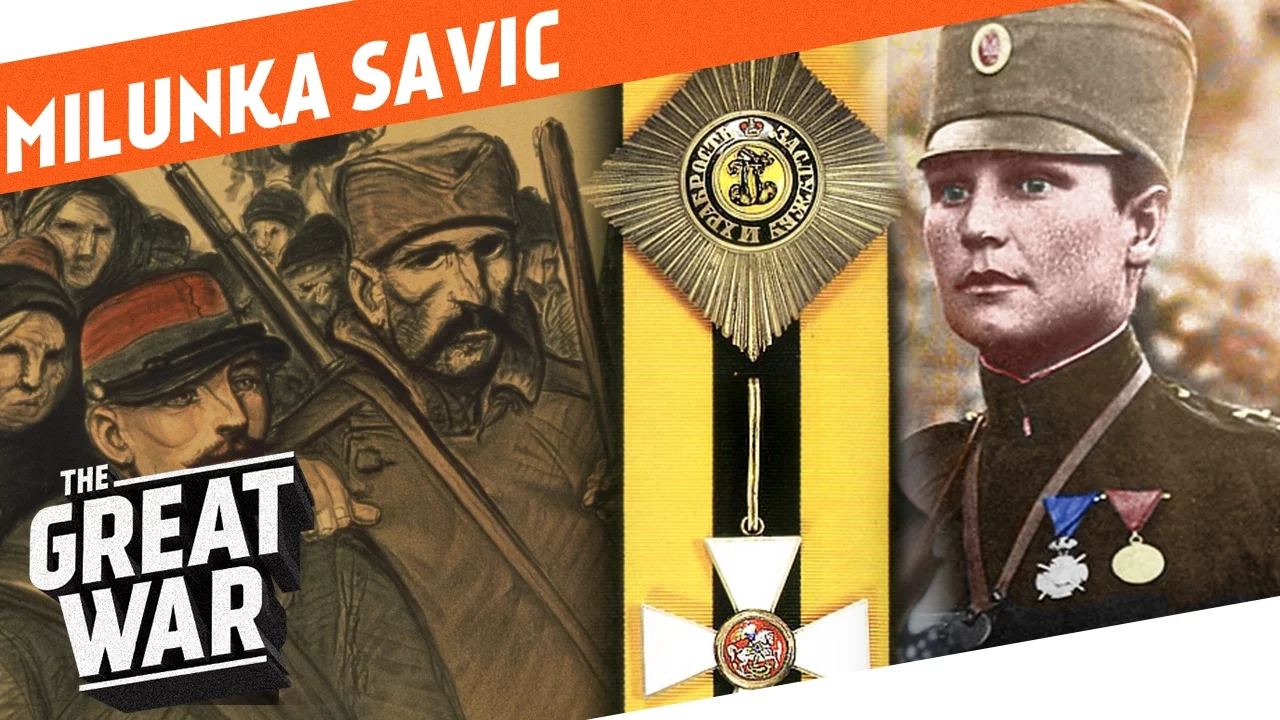
Milunka Savić was one of the very few women who actively fought in WW1. She fought for the entire war becoming one of the most decorated, and badass, women in military history. I’m Indy Neidell; welcome to another special bio episode of who did what in WW1, today featuring Milunka Savić.
From what we can figure out, she was born possibly June 28, 1888 in the Serbian village of Koprivnica, some sources say 1890, but there really aren’t any records of her family background or her childhood. We do know that she had a brother, and in fact joined the Serbian military in 1912 in her brother’s name. Women were only allowed to work as medical staff at the time, and not perform active duty, yet Milunka Savic was ready to see battle, disguised as her brother Milun Savic.
She first fought in the two Balkan Wars, and it was only after she was injured in the second that it was discovered that she was a woman. She had been part of an infantry regiment known as the Iron Regiment, fought in the battle of Bregalnica, and was promoted to Corporal. So.
. . the wounded Savic recovered and the brass wondered what to do now- they didn’t want to punish her for serving her country, but a woman in battle?
They called her in and she said that all she wanted to do was to fight for her country and after a brief consultation, that’s what they let her do. Good thing too, because a year later Serbia found itself fighting the First World War and being invaded by nearly half a million Austro-Hungarians again and again. It was during the third invasion, in November and December 1914, that the battle of Kolubara was fought, and though the Serbs were huge underdogs, they not only won; they drove the enemy right out of their country.
For her valor in battle, Milunka was awarded the Order of the Star of Karadjordje with Swords- the highest honor the Kingdom of Serbia offered. Now, there are stories about her at Kolubara which may well be true, but then again may not be entirely so, but they certainly made her a national hero. She reportedly crossed no-mans land alone throwing grenades, jumped into an Austrian trench, and took 20 soldiers prisoner.
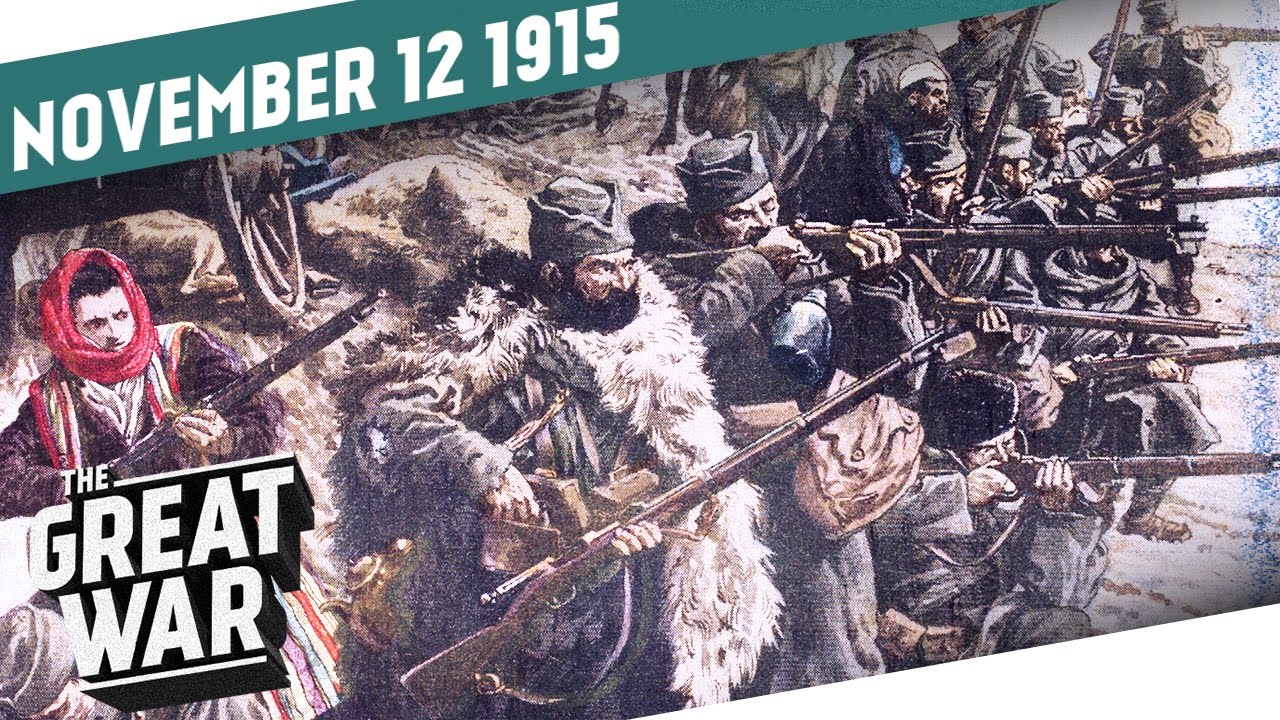
Two years later at the battle of Cerna against the Bulgarians she managed to clear out a Bulgarian trench and take 23 prisoners again single-handedly, earning her a second star of Karadjordje. I apologize for mispronouncing anything. After the battle, the Serbian army retreated to the Albanian coast, marching across the snowy mountains.
Milunka was wounded seven more times during the fighting retreat. By the time they reached the coast, the Serbian army numbered little more than 100,000 men. They were evacuated by the French and British, and Milunka and her unit became a Serbian brigade in the French army.
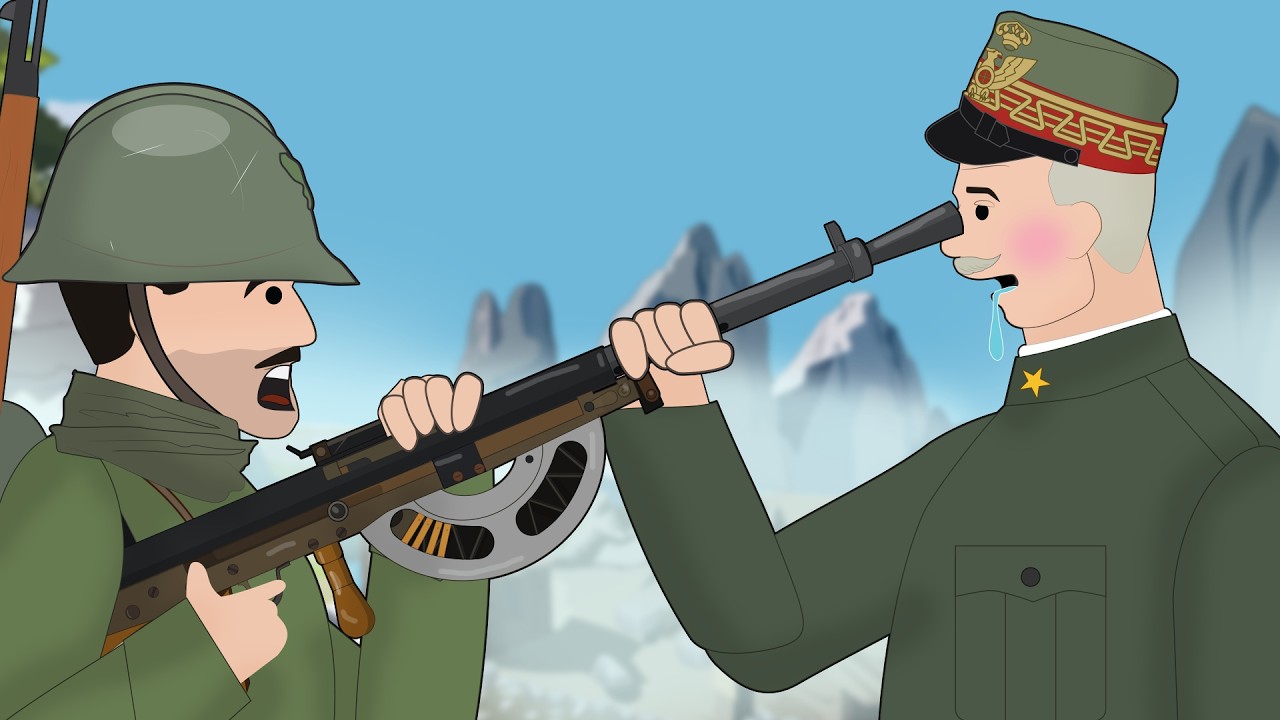
She was injured again in Tunisia, and then went to the front in Salonika where she fought until 1918, becoming a non-commissioned officer in the process. There’s a tale from that period that a French officer refused to believe that a woman could be so capable, so he set up a bottle of 1880 Cognac at 40 meters and said if she could hit it, she could have the other 19 bottles in the case. She got it on the first shot.
Milunka Savic was repeatedly decorated during the war. She won the French Legion of Honor twice, the Russian order of the Holy George for courage, the British Medal of the order of St. Michael and was the only woman from the First World War to win France’s highest honor, the Croix de Guerre.
She was injured a total of nine times, but fought the war from beginning to end. After the war she continued to be honored, receiving the Serbian silver and gold medals for bravery during and the Balkans Wars, and the French even asked her to move to Paris and take a pension. She declined and settled in Belgrade in a neighborhood that is now named after her.
She worked for the post office and then as a janitor at a bank. She married, had a daughter, divorced, and adopted three more daughters. During the Second World War she was sent to concentration camp for ten months, and after the war lived in poverty and obscurity until the half century remembrances of the First World War, when she turned up wearing her medals, which was more than anybody else had.
The older soldiers talked about her exploits and she became famous once again in her old age. She suffered a stroke and died in Belgrade October 5, 1973. Milunka Savic’s story is pretty unique and her feats truly the stuff of legend, yet she was forgotten for much of the 20th century.
Still, she’s remembered today and there was even a movie a couple years ago and a theatrical play about her and she is now remembered as a Serbian war hero. Apart from the indivudual stories like Milunka’s the general role of women in WW1 is often overlooked. We made a special episode to tell you just how important their duty was for the outcome of the war.
You can check this episode right here. I can imagine I’m going to get some good comments about Milunka Savic in the section below, and I look forward to reading them. If you like our show, please subscribe and recommend us to you friends.
See you thursdays.
![Lady of The Dark – Milunka Savić – Sabaton History 117 [Official]](https://img.youtube.com/vi/jW2gcOIhxhU/maxresdefault.jpg)