[Music] hi it's Mr Anderson I was just checking my pulse to make sure that I'm still alive and I am it's going at about 60 beats per minute and it'll continue doing that throughout the podcast and hopefully throughout the rest of my life because the circulatory system is important it moves oxygen around my body it moves carbon dioxide out of my body it moves nutrients to the cells in my body and so we need it to keep beating and it does something that we kind of take for granted before we get to the elements of
the human circulatory system you should know that there are different types of circulatory systems in things like insects and spiders they don't have blood per se they have something called hemolymph and that hemolymph is going to be both blood and what's called interstitial fluid interstitial fluid interstitial fluid uh is going to be the fluid that bathes the cells inside Us in an insect those things are combined together and that's why if you squash a bug it just you get that goo that comes out of the bug but in us we put our blood inside blood
vessels and then the interstitial fluid is going to be everywhere else inside our body and so we keep those separate so that's the difference between a closed and open circulatory system in animals we also have a variety of different hearts and so a fish something like this that lives in water um it simply has a two chambered heart and so its heart has one two Chambers it's separated by a valve and the reason why is that they live in water and so when you're looking at the the pictures of hearts on the next few slides
I don't want you to look at the heart as much as I want you to look at the loops that come from that and let me make it a little simpler I'm going to get rid of half of this diagram because half of it just the left side of the fish okay so if we look at it what do we have we have one single Loop so the blood is going to go to the gills where it's going to get oxygen and then it's going to go to the body and then it's going to continue
back to the heart so we only have one Loop and that works great in water but when you move on to land you lose quite a bit of that pressure as you go to the gills or you're on land as you go to the lungs and so it simply isn't a system that works and so that's why on land we have a three-chambered heart so things like this bearded dragon over here have a three-chambered heart what does that mean well let me again draw it right down the middle and get rid of half of the
diagram this makes it easier what we now have is we have two loops and so we have one Loop that goes to the lungs and then it comes back back to the heart and then we have another loop that goes to the rest of the body and so that deals with that pressure issue um but one thing that's interesting is that instead of just having red and blue blood now we have this purple blood what does that mean we're getting a mixing of the blood in other words we're having a mixing of the oxygenated blood
in the red and the deoxygenated blood in the blue and that's because we only have one two because these ones are combined three chambers in the in the heart and so once we become endothermic once we become warm-blooded and need quite a bit of uh energy that's not efficient and so in birds and mammals we have a four chambered heart and so basically what we've done is we've sealed up that third chamber now we have one two three four chambers to the heart we still have a double Loop and so that's more efficient and those
have evolved as we've had different constraints depending on the environment of where they live so what does blood do blood follows a loop and so it's going to start at the heart it's going to move throughout the rest of the body in artery arterials uh eventually down to capillaries and then come back again and so it keeps moving around your body it's moving nutrients and it's moving that um carbon dioxide out and it's moving uh oxygen to the parts of your body that need it let's start with the heart then because it's important that you
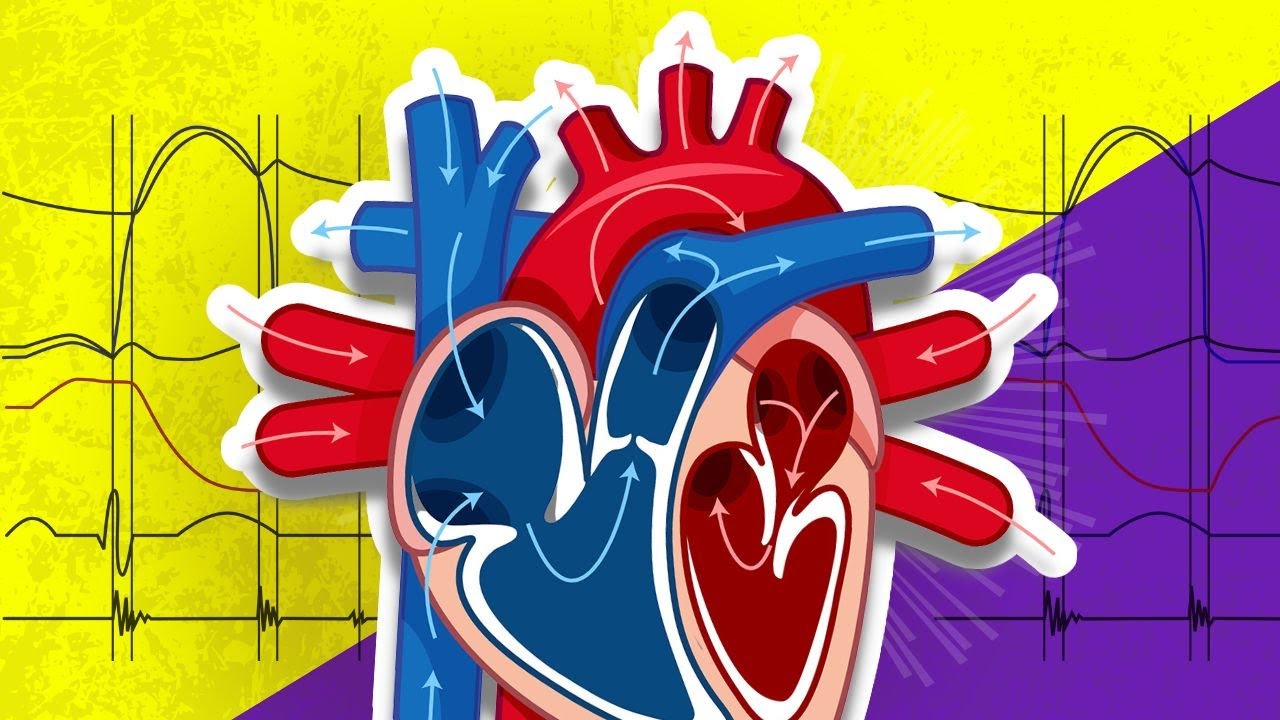
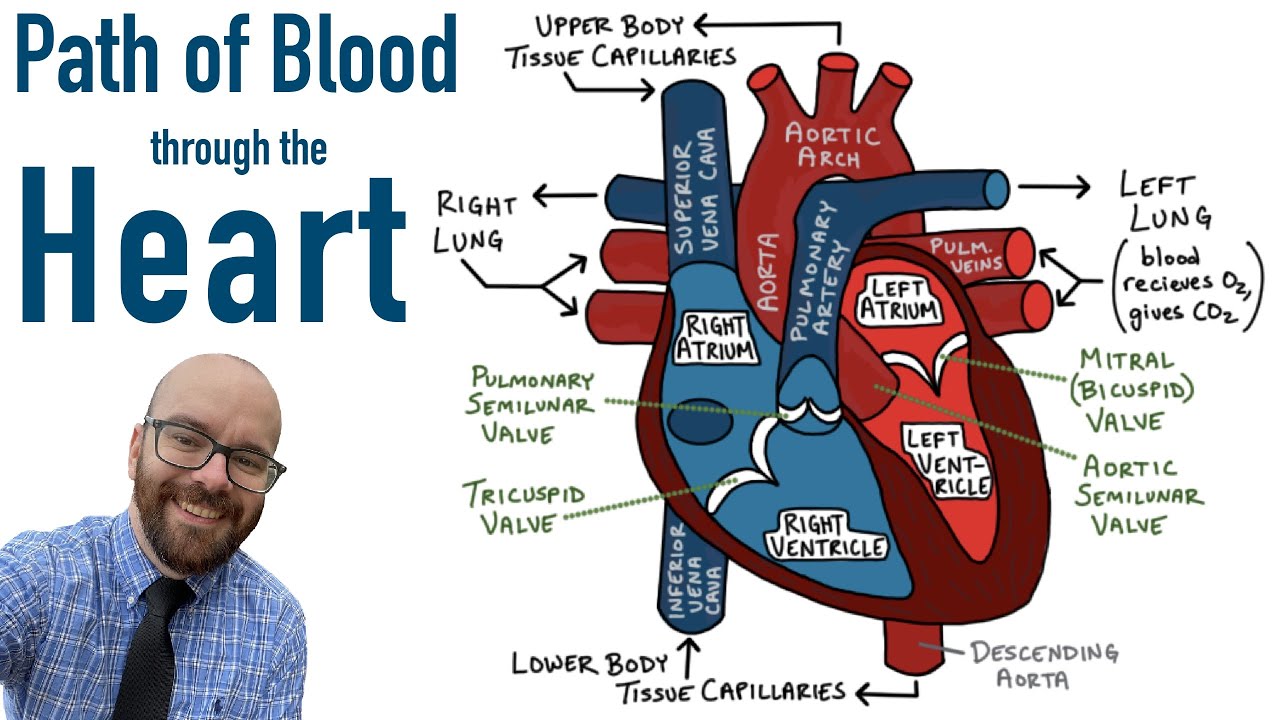
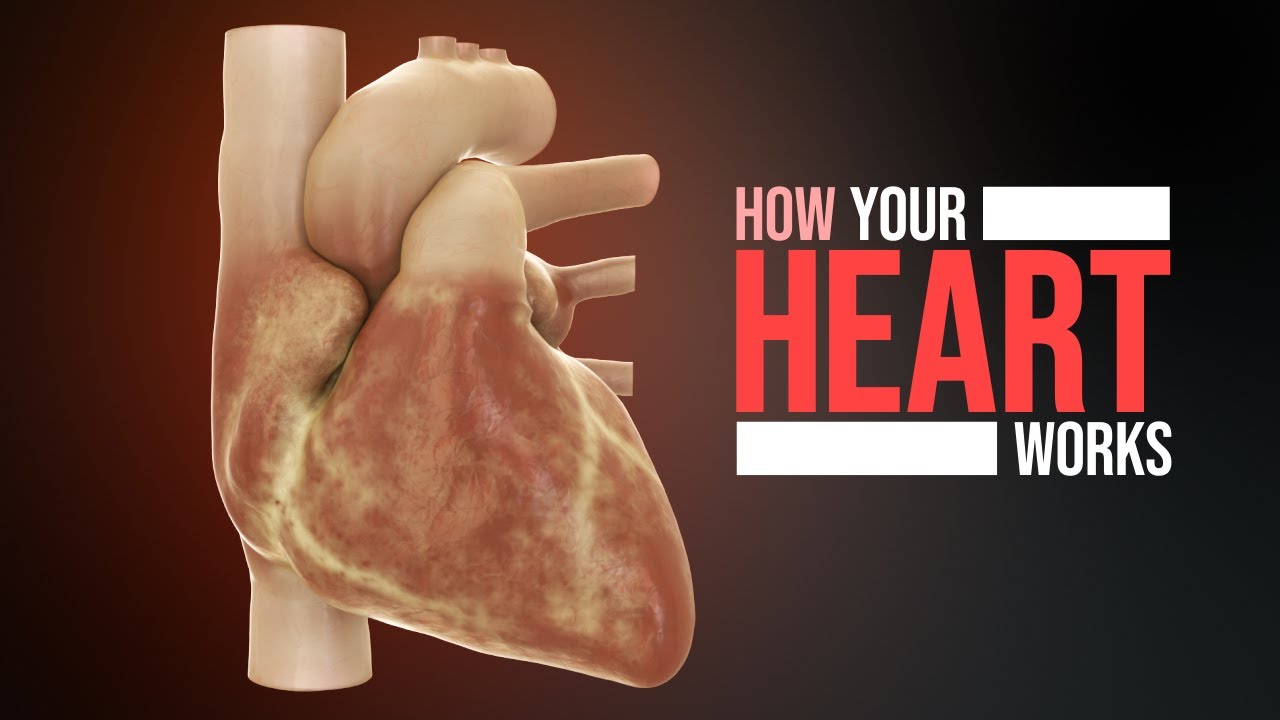
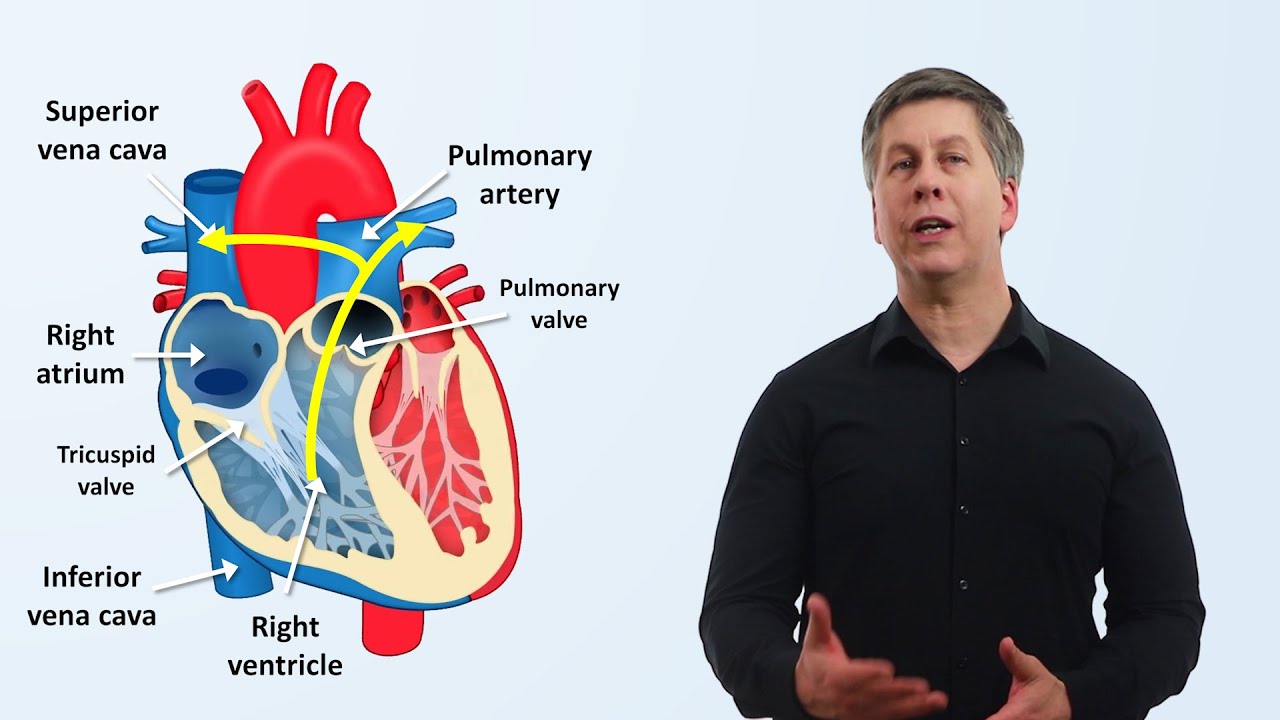
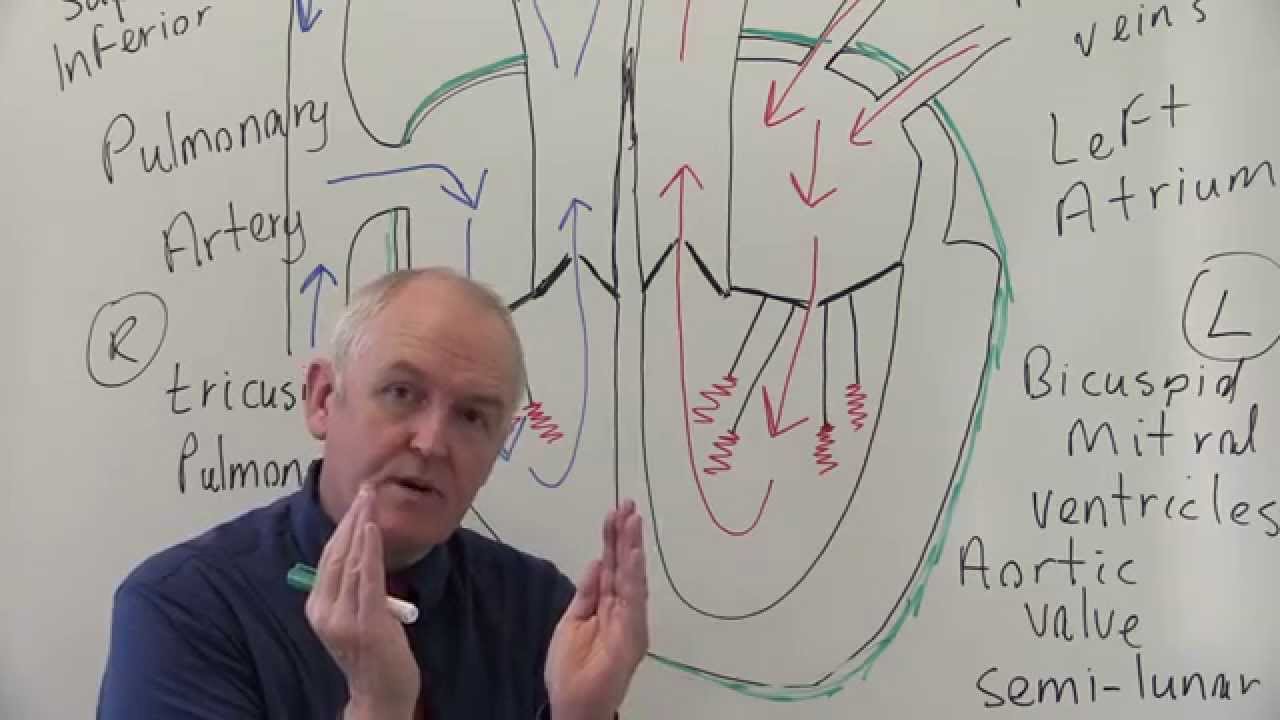
understand the chambers of the heart and where blood is essentially going um whenever you see a diagram like this you want to kind of imagine yourself shifted into the heart so imagine yourself in this heart right now just kind of turn in your brain inside it so basically your right side now is going to be over here and your left side is going to be over here so that's pretty important so let's start with deoxygenated blood deoxygenated blood means that it's coming back from your body so where does it come from it's coming from your
Superior and inferior vnea um so basically it's entering into what's called your right atrium so this would be your right atrium here so we've got deoxygenated blood coming back it's in your right atrium it then goes through this valve here this valve is called the AV valve um sometimes we call it the tricuspid valve but blood is going to now go from here into the ventricles so it's going to go into your right ventricle it's then going to move out through the semi lunar valve semi lunar valve it's going to move into What's called the
pulmonary artery so this would be the pulmonary artery here what's interesting about the pulmonary artery is it's an artery that has deoxygenated blood and the reason why is it's headed to the lungs so the blood is going out that artery that's what an artery is it moves away from the heart into the lungs and now it becomes oxygenated so that oxygenated blood is going to come back into here that's going to be your left atrium and I can't write on that because you won't see it so it's going to go into your left atrium which
is right there it's then going to flow through our left AV valve down into this ventricle so this would be our left ventricle inside there and then it's going to move out the back into this big artery and that's called the aorta so it goes through the aorta so there's an aorta down here and then this aorta as it moves up here is going to send up arteries that go up to the to the head it's then going to go to the body and then it's going to come back again and so I should be
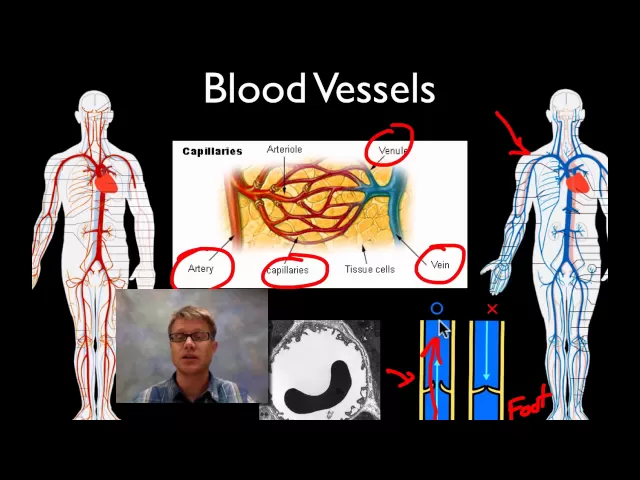
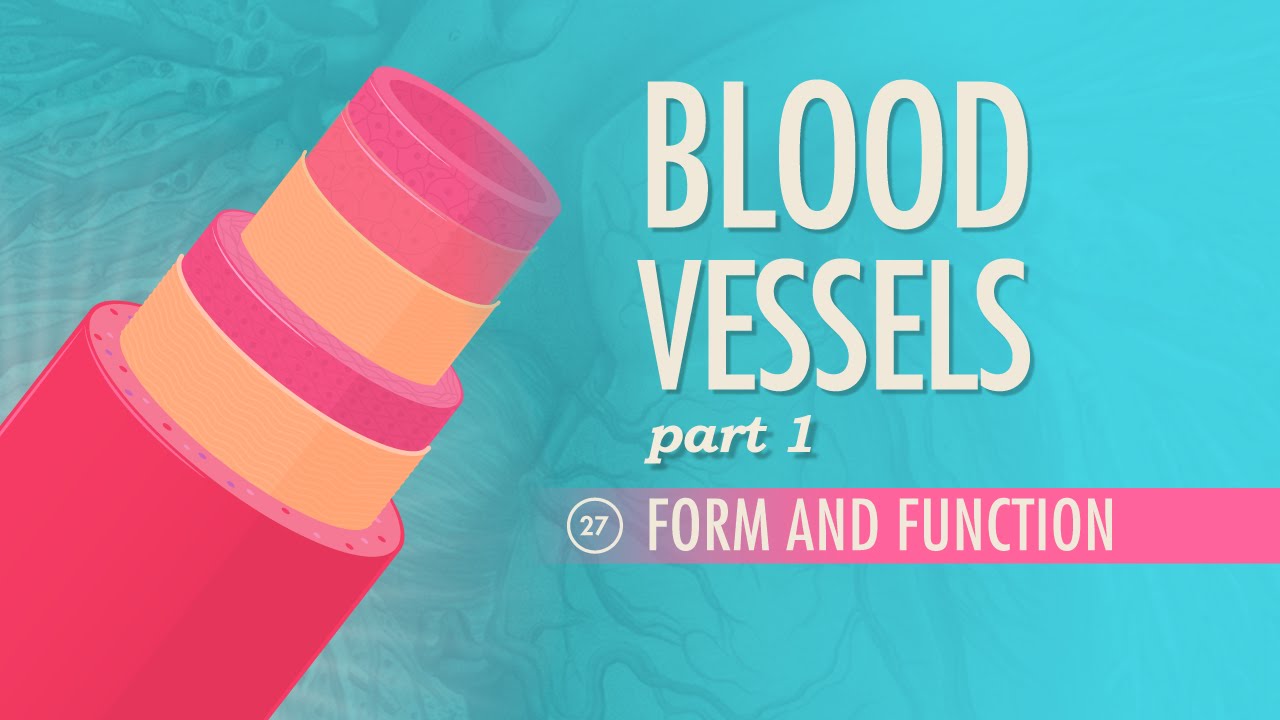
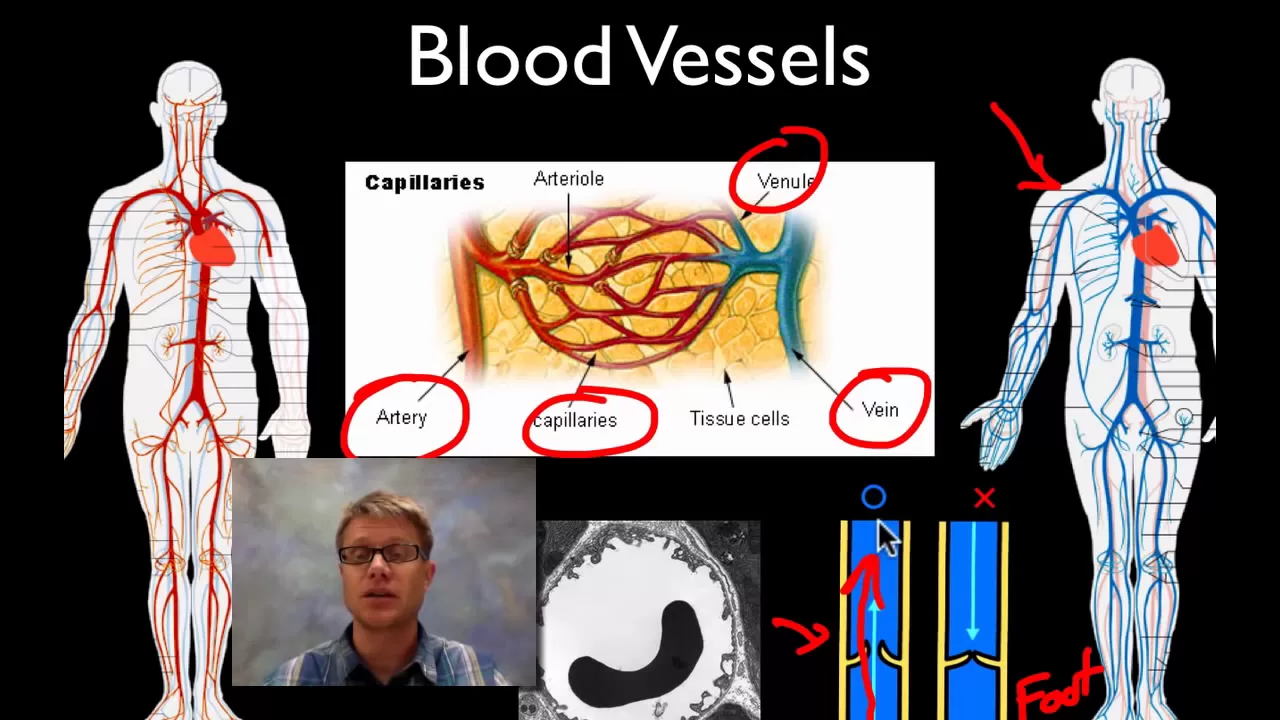
able to clear all those out and you should pause the video right now can you do that can you go from Superior and inferior vnea all the way to the aorta and if you can awesome if not you may want to kind of go back and look at that again okay so what are the blood vessels cuz those are kind of what we don't see when when we moved off the screen there well basically they go from the arteries to the arterials so here's an artery right here it's then going to go to the arterials
and then it's going to go to the capillaries and then it's going to go back to the venules and then it's going to go back to the veins and so most of the pressure is being handled by the arteries and the veins and so the red is going to be the arteries moving away from the heart and the blue is going to be the veins coming back one quick side note blood is red it's always red and some kids get confused cuz they see diagrams like this and they think blood is blue and somehow if
you cut yourself it turns from Blue to Red um that's just a silly story it's not true um so I hope I didn't shatter too many dreams that you had um it's always red and some people say well look at my veins they're blue and I would say you're right that's the connective tissue in those veins but it's not the blood the blood is red sometimes it's really red but it's red it's red it's red okay so how do the arteries differ from the veins the arteries differ from the veins in a few ways number
one they're not as going to be as strong there's not as much connective tissue around it but they also have valves in them because once that blood is gone all the way down to the bottom down here to your feet it has to get its way all the way back to your heart we've lost a lot of that pressure and so as the blood flows up we have veins that are F we have valves that are found in the veins and so it'll actually move up and then it can't go back down again because this
closes and so it's going to work its way back up to the heart and that's why if you're on bed rest for example it's important that we move your body around because as you move muscles you're actually helping to return that blood back to your heart what is blood well blood is made up of four things essentially we've got red blood cells those are carrying the oxygen those are carrying the um oxygen around your body we also have the plasma plasma is going to be the liquid portion it has a lot of the nutrients in
it but it's also going to carry that carbon dioxide as bicarbonate we have white blood cells white blood cells are going to fight infection and then finally we have platelets platelets are important in blood clotting so if you get a cut the platelets will form almost a lattice across that cut and eventually we have formation of a scab and so if you look at blood blood is going to look like this but if we let it settle out what you're going to get is those red blood cells are going to be down here and then
we're going to have the other things contined throughout that whole of the blood like plasma okay your heart goes through what's called a cardiac cycle cardiac cycle is going to have two parts to it it has doost and syy doost means filling and syy means pumping and so let's say that you were to take a turkey baster so a turkey baster looks kind of like this like that and so basically what you do is you squeeze the bulb down here and so that's like Cy you're squeezing it and the liquid would flow out and then
when you relax it it's going to suck that fluid back into it and so if you're basting a turkey that works great so how does a heart work well it's going to have a Cy as well when it contracts and then then it's going to have a dooo where it's relaxing and so we have to time it as well cuz if the whole thing were to contract that wouldn't work and so basically what you have is you have syy up here so you're Contracting The Atrium that pushes it down into your ventricle your ventricle at
that point would be relaxed and then as we pump our ventricle it's going to move it back in this direction then we're going to have relaxation of the atrium so we can get new blood flowing into it and so what you hear in a heart is that and why do you hear that well you're getting the contraction of the atrium and then they relax and then contraction of The ventricle and The ventricle is more powerful because it has to push it into the lungs or it has to push it to the rest of the body
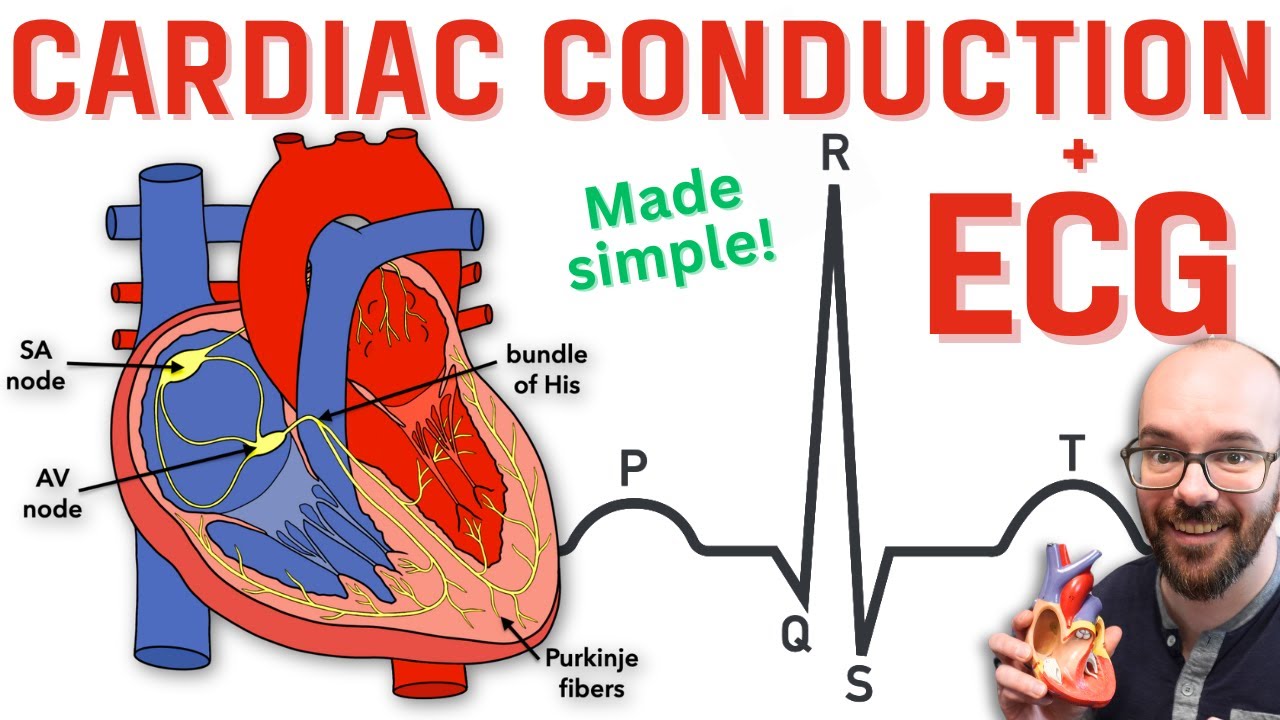
and so it's going to be way more muscle that we have down here in the ventricles than we do in the heart and we're going to have way more on the left side because that has to push it all the way around the whole body so timing is important as well so basically you have the sinoatrial node or the SA node and it's going to do is this is where the heart contraction is going to start so you can imagine here is our heart let me draw it in so you can kind of look at
it so we've got that we've got our atriums and then we've got our ventricles here so we got our atriums and then we have our ventricles here so basically what's going to happen is you're going to start the contraction at the top of the heart and it's going to squeeze the atrium shut so we're going to get a flow of electricity and contraction pushing it down like that but then what happens is that electrical signal will go all the way down here to the Apex of the heart and then we're going to get it flowing
in the other direction so now we have that flow going up to the ventricle because we want to move that blood remember from The Atrium to The ventricle and then The ventricle either out to the pulmonary artery or out to the aorta so it goes to the rest of the body and so that's an electrical signal that does that now your heart as I said at the beginning continues to be your whole life but it's a muscle and it's needs oxygen needs nutrients as well and so how does it get those well we have what
are called kateed arteries that are on the outside of your heart and those kateed arteries are going to serve all of the muscle inside the heart and if we ever have a blockage inside one of those what's that going to do well we're not going to get nutrients and oxygen to that part of the body and so that part of the body is going to die it's not going to be able to do its job and so what is a heart attack a heart attack is simply when you have blockage in the vessels that serve
the heart and so the heart muscle can die and that's why it's super important that we take care of our heart we keep our vessels very very clean cuz we need a heart to beat our whole life and I hope that's helpful