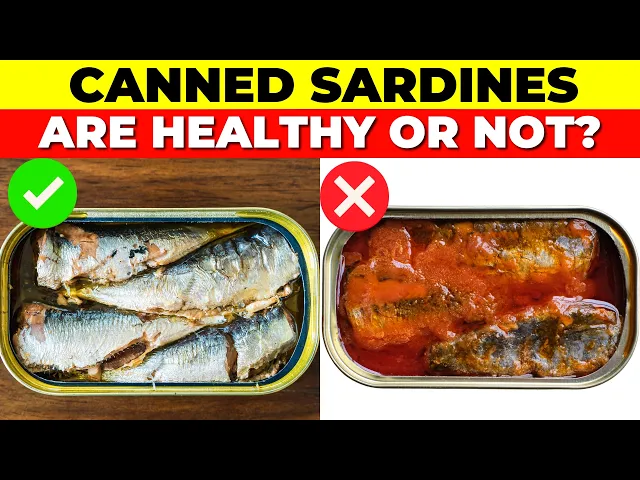
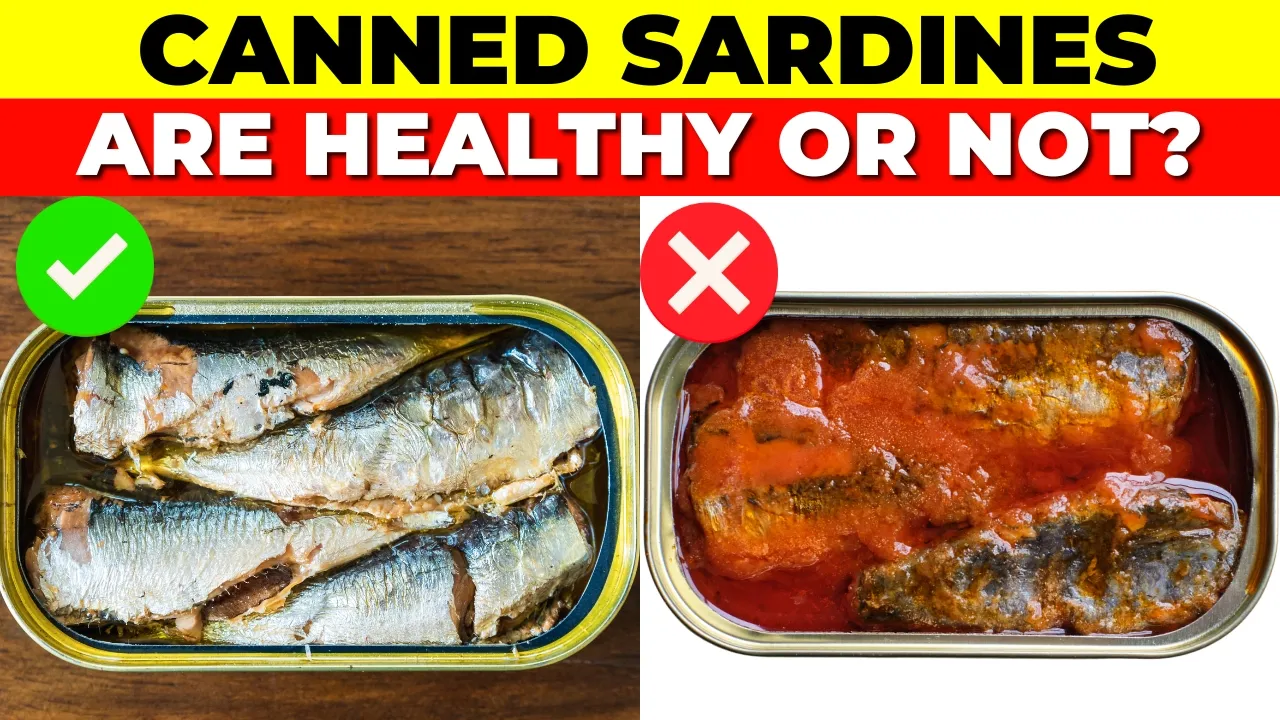
ever noticed how people react when you mention sardines some wrinkle their nose have you ever wondered whether canned sardines are good or bad for your health what if I told you that this inexpensive little fish packed tightly in those small metal cans at the back of your pantry might contain some of the most powerful nutritional benefits available and what if eating them could help protect your heart strengthen your bones and maybe even help prevent diabetes sardines have an image problem most Americans don't eat them regularly they're seen as either a poor person's food or something
exotic that sophisticated Europeans eat this perception has created a blind spot in our collective food consciousness beyond taste most people have never considered the nutritional value of sardines until recently nutrition scientists have been studying sardines for years and their findings indicate that we've been overlooking something very important curious to find out stay with us until the end to make sure you're getting the most nutrients from this food without putting your health at risk i bet that after these revelations you'll never look at a can of sardines the same way again but first give this video
a thumbs up and subscribe to the channel do you eat canned sardines regularly how do you like to prepare it where in the world are you from after watching the video leave a comment below so we can get to know you better what are sardines actually sardines or piltchards are small fish with a strong flavor and oily texture primarily from the herring family they're named after Sardinia the Italian island where they were once abundant what sets sardines apart from many other fish is how they're typically consumed whole when you eat sardines you're eating the entire
fishbones skin organs and all this is quite different from how we usually eat fish where we discard everything but the flesh and this matters a lot nutritionally because those discarded parts contain many of the most valuable nutrients a single 5oz can of sardines contains about 160 calories 18 g of protein and 8.5 g of fat mostly the healthy kind but what's really impressive is the micronutrient content that same can provides 6.7 micrograms of vitamin B12 over 100% of your daily needs 3.6 micrograms of vitamin D about 20% of daily needs 286 mg of calcium roughly
30% of daily needs 2.9 mg of iron over 10% of daily needs 737 mg of omega-3 fatty acids far exceeding daily recommendations these numbers make sardines one of the most nutrient-dense foods available but what do these nutrients actually do for your health this is where it gets interesting what are the health benefits of eating canned sardines one it's excellent for your heart health cardiovascular disease remains the leading cause of death in the United States we've been told for years that omega-3 fatty acids help protect the heart which is why fish oil supplements have become a
multibillion dollar industry but a review published in April 2023 in the journal Frontiers and Nutrition found something important the omega-3s in whole sardines might offer more heart protection than isolated supplements the researchers found evidence suggesting that the various nutrients in sardines work together synergistically when you eat sardines you're not just getting EPA and DHA the two main omega-3s but also calcium potassium magnesium iron and zinc together these nutrients appear to reduce inflammation and oxidative stress more effectively than isolated omega-3s alone it's similar to what happened with vitamin supplements for years people thought that if a
certain food was healthy because it contained vitamin C they could just take vitamin C pills instead but over time research revealed that isolated nutrients often don't work as well as the whole foods they come from there's something about the combination of compounds and whole foods that our bodies respond to better sardines exemplify this principle perfectly they're not just an omega-3 delivery system and they're a complex package of nutrients that work together two it's great for your bone health we've all heard that calcium is essential for bone health and most people associate calcium with dairy products
but sardines offer an alternative that might be even better when you eat sardines with the bones which are soft and edible you get a substantial dose of both calcium and vitamin D crucial combinations since vitamin D is necessary for calcium absorption a single can of sardines provides about 30% of your daily calcium needs research published in nutrients in 2022 found that inadequate intake of calcium and vitamin D can affect bone health and healing time for fractures in older adults another study cited the positive impact of fish nutrients like those found in sardines on healing hip
fractures for those who don't consume dairy whether due to lactose intolerance allergies or dietary choices sardines offer a powerful alternative source of boneup supporting nutrients three helps prevent diabetes perhaps the most surprising finding about sardines comes from research on diabetes prevention according to the CDC about 96 million American adults one in three have pre-diabetes a condition that often progresses to full-blown type 2 diabetes a 2021 study published in Clinical Nutrition examined what happened when older adults with pre-diabetes ate sardines twice a week the results were striking compared to a control group that received standard nutritional
counseling the sardine eating group had a significantly lower risk of developing type 2 diabetes not only that but the sardine group also saw improvements in several other health markers their good HDL cholesterol increased while their triglyceride levels and blood pressure decreased these results might seem almost too good to be true how could simply adding sardines to your diet twice a week have such profound effects the researchers suspect it's that synergistic combination of nutrients again the omega-3s working together with the sardines protein vitamin D calcium and other components four it's good for your brain the connection
between omega-3 fatty acids and brain health has received a lot of attention in recent years 2018 review in nutrients analyzed 25 randomized controlled studies on omega-3 supplementation and found benefits across the lifespan people who got adequate DHA and EPA the two main types of omega-3s found in sardines showed improvements in various cognitive measures for school-aged children this included better literacy attention and visual processing for older adults it meant improved cognitive function but again getting these nutrients from whole foods like sardines may be more effective than supplements eating canned sardines can positively impact cognitive health plus
they're a great way to increase DHA intakes considering most Americans aren't getting enough of this important fatty acid in their diet and there's a practical aspect too a can of sardines is usually much less expensive than a bottle of omega-3 supplements how about the mercury and canned sardines one concern that often comes up with seafood is mercury contamination larger predatory fish like tuna and swordfish can contain high levels of mercury which accumulates as you move up the food chain sardines being small fish near the bottom of the food chain contain very little mercury this makes
them one of the safest seafood options especially for vulnerable groups like pregnant women and young children however moderation is still advised experts recommend eating a variety of seafood rather than just sardines every day this ensures you get a range of nutrients while minimizing any potential risks beyond personal health there's another reason to consider sardines sustainability small fast reproducing fish like sardines generally have less environmental impact than larger fish or land animals sardine fishing typically has lower by catch rates accidental catching of other species than many other commercial fishing operations and because sardines are lower on
the food chain fewer resources are required to produce them compared to predatory fish like tuna or salmon for those concerned about the environmental impact of their food choices sardines represent one of the more sustainable animal protein options available how to add sardines to your diet if you're sardine curious but hesitant start simple try them on whole grain toast with a squeeze of lemon and a crack of black pepper or mash them with a little olive oil and spread on crackers these preparations highlight the natural flavor of the fish without requiring any complex cooking techniques another
approachable option is to add them to a pasta dish with garlic olive oil and parsley the other flavors complent the sardines while diluting their intensity for those who find the flavor too strong try the sardines packed in tomato sauce which tends to mellow the fishiness you can also rinse them before eating to reduce the intensity if you're convinced to give sardines a try there are a few practical things to keep in mind sodium content some brands of canned sardines can be high in sodium if you're watching your salt intake look for lower sodium options or
rinse the sardines before eating oil via water sardines come packed in various liquids olive oil other vegetable oils water or sauces the choice affects both flavor and calorie content oilpack sardines have more calories but often more flavor gout considerations sardines are high in purines which can trigger gout flare ups and susceptible individuals if you have gout you might need to avoid sardines what science reveals about canned sardines the evidence from studies is clear sardines provide amazing dietary value in a reasonably priced handy container their special mix of omega-3 fatty acids vitamin D calcium protein and
other nutrients improves heart health bone strength cognitive function and even prevents diabetes most people would probably have much better nutritional intake if they included sardines a few times a week to their diet their economic and environmental advantages also greatly appeal are sardines a miracle food no such thing exists but they get really close to having the perfect junction of cost sustainability convenience and diet cultural perspective and unfamiliarity define the primary obstacles to sardine intake rather than health or science and they are obstacles that open minds and a little curiosity can help one to overcome so
next time you're at the grocery store think about grabbing a can your money your body and maybe the earth would thank you for it did you already know about any of these benefits of eating canned sardines which benefit surprised you the most and why leave your comment below if you found this video helpful please type yes in the comments below i also encourage you to check out these two videos we selected especially for you thanks for watching