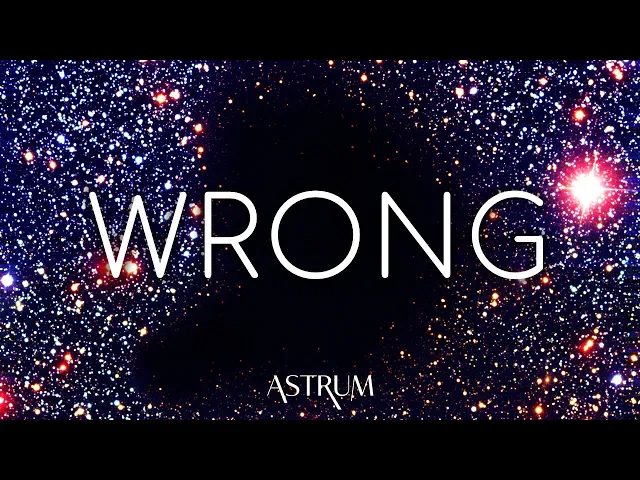
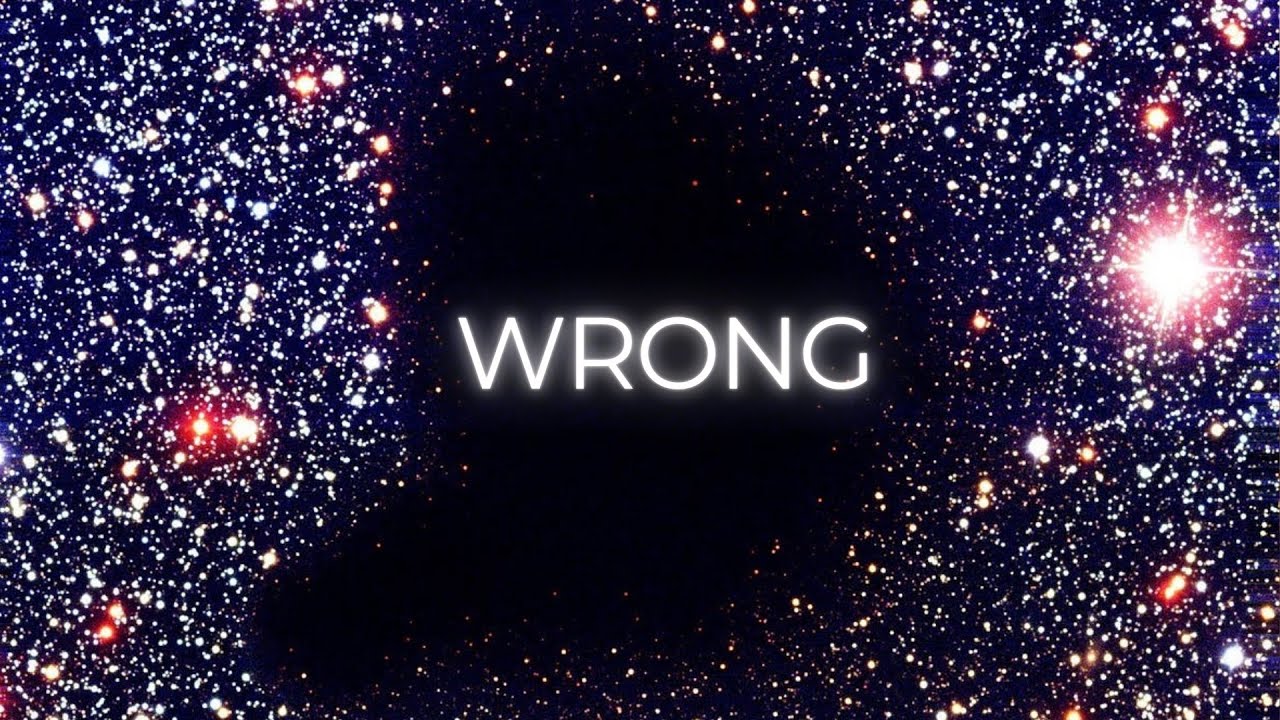
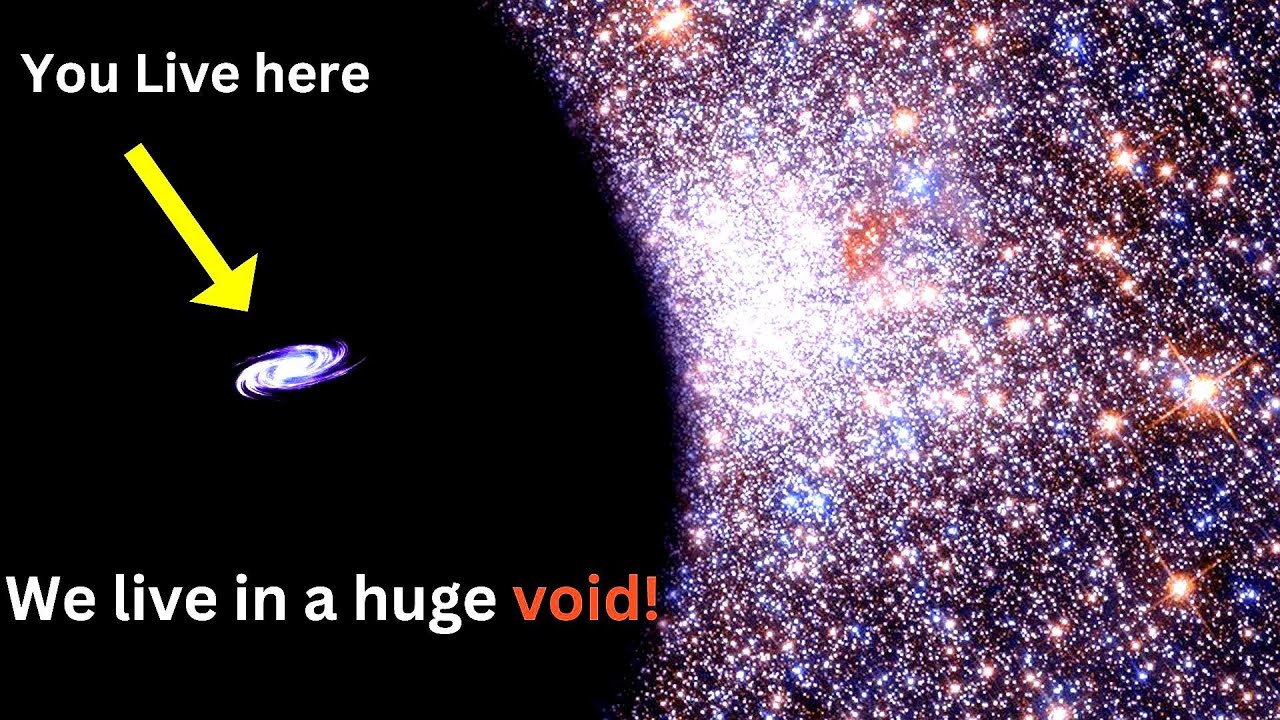
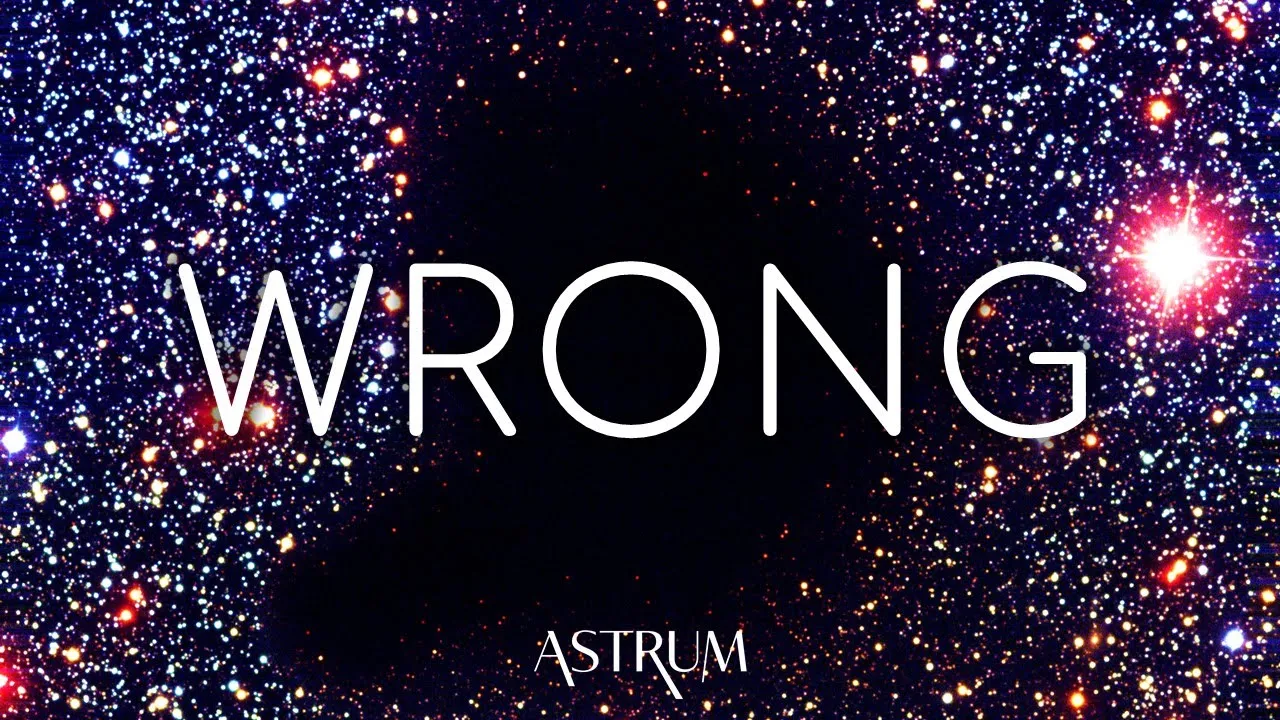
You may or may not have come across the name Boötes Void in the past, described as one of the biggest voids in space that we know of. But what does that really mean? First thing’s first, it is not this image.
If you google Boötes Void, this image comes up a lot, but this is actually the molecular cloud Barnard 68, a cloud of dust in space that doesn’t allow light from the stars behind it to pass through, which I suppose makes it look like a void in space, but it’s not in reality. To understand what Boötes Void really is, we need to understand some context. We know that space exists outside of Earth, but even outside of Earth’s atmosphere, space is quite populated, and astronomically speaking, you are spitting distance from other objects like the moon, asteroids, other planets and the Sun.
You can still reasonably use kilometres or miles to measure distances at this point. Outside of our solar system, objects begin to get a bit further away. We start to measure in light years at these distances, a light year being 9.
46 trillion kilometres (5. 88 trillion miles). At this scale, we can see that there are plenty of stars in the near vicinity to us.
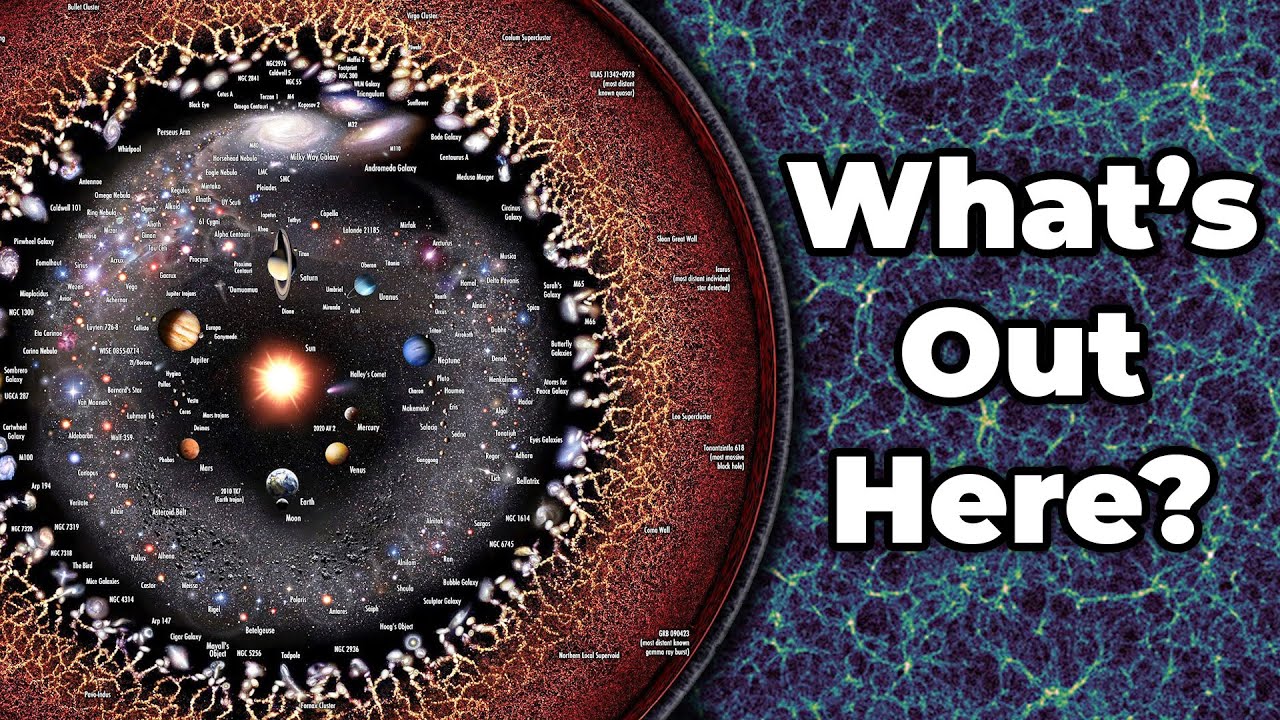
All the stars in our galaxy make up the Milky Way Galaxy, a large structure roughly 150,000 ly across. Beyond the Milky Way are more galaxies, the closest big one being Andromeda at 2 million ly away. Beyond that, we see the local area of galaxies that we are part of.
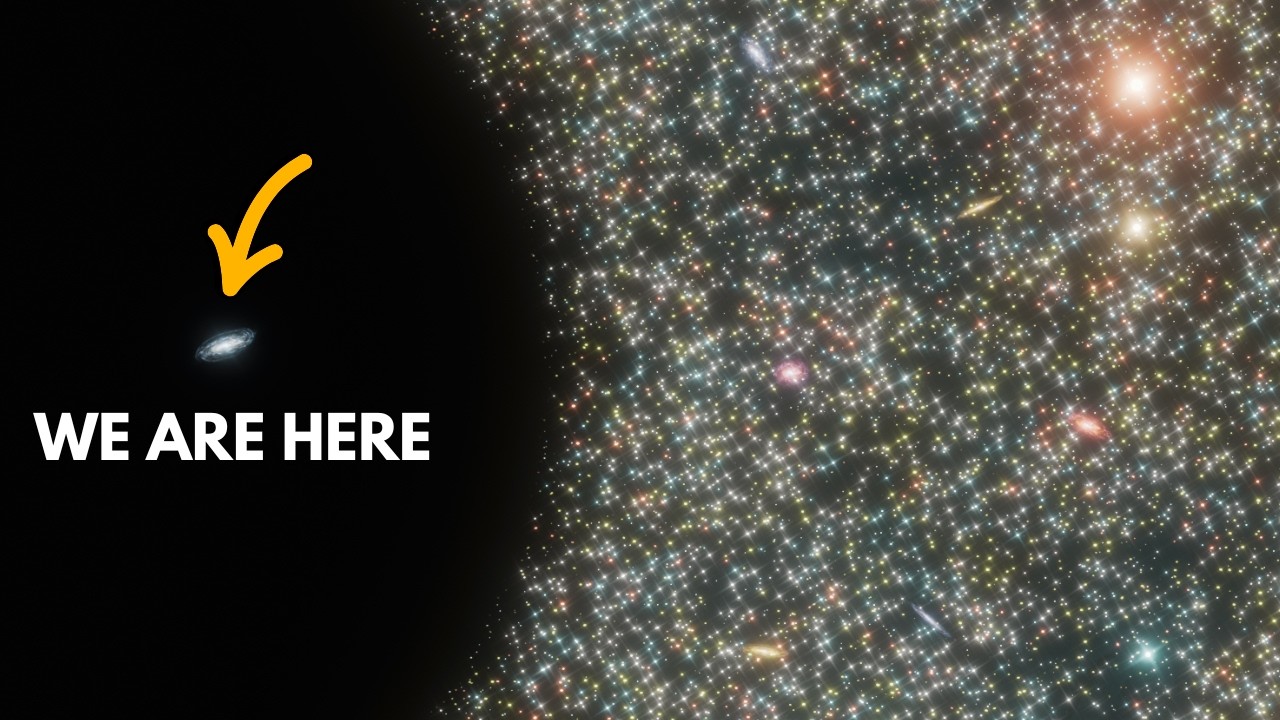
What I want you to pay most attention to at this point is the clustering and banding of the galaxies, you’ll see that they aren’t evenly distributed. In between all these galaxy groups are voids, where there are only a few galaxies dotted around the place. These are just small voids, being only 10s of millions of ly across.
Zooming out once more, and we start to see this banding happening on a grand scale. At these kind of distances, we begin to see that the universe tends to have a kind of web or filament structure made of galaxies. In between these huge clusters and filaments, stretching for hundreds of millions of light years, are supervoids, one of the biggest that we know of being Boötes Void.
At 330 million ly across, a typical region of space would find about 2000 galaxies within that volume on average. But this doesn’t mean there is absolutely nothing there right now, we have discovered a very thin filament of about 60 galaxies in this void, but they are so sparsely distributed that if the Milky Way was in the middle of Boötes Void, we wouldn’t have known other galaxies existed until the 1960s due to the distances. So, there you have it, that is what Boötes Void really is, a very empty patch of space hundreds of millions of light years across, containing some very lonely galaxies.
Thanks for watching! I do realise this video throws up a lot more questions about the universe, like why this banding of galaxies happen, about the expansion of the universe, and what the universe looks like beyond the filaments. But that’s the fantastic thing about space, each topic leads to another!
If you have a burning space question that you’d like to have answered, ask in the comments below. A big thank you to my Patreons who support the channel, and this time a shout out to David and Yulia who donated $50 this month! I really appreciate it, thank you very much.
A big thank you as well to those of you that like and share, it really helps the channel a lot. All the best, and see you next time.