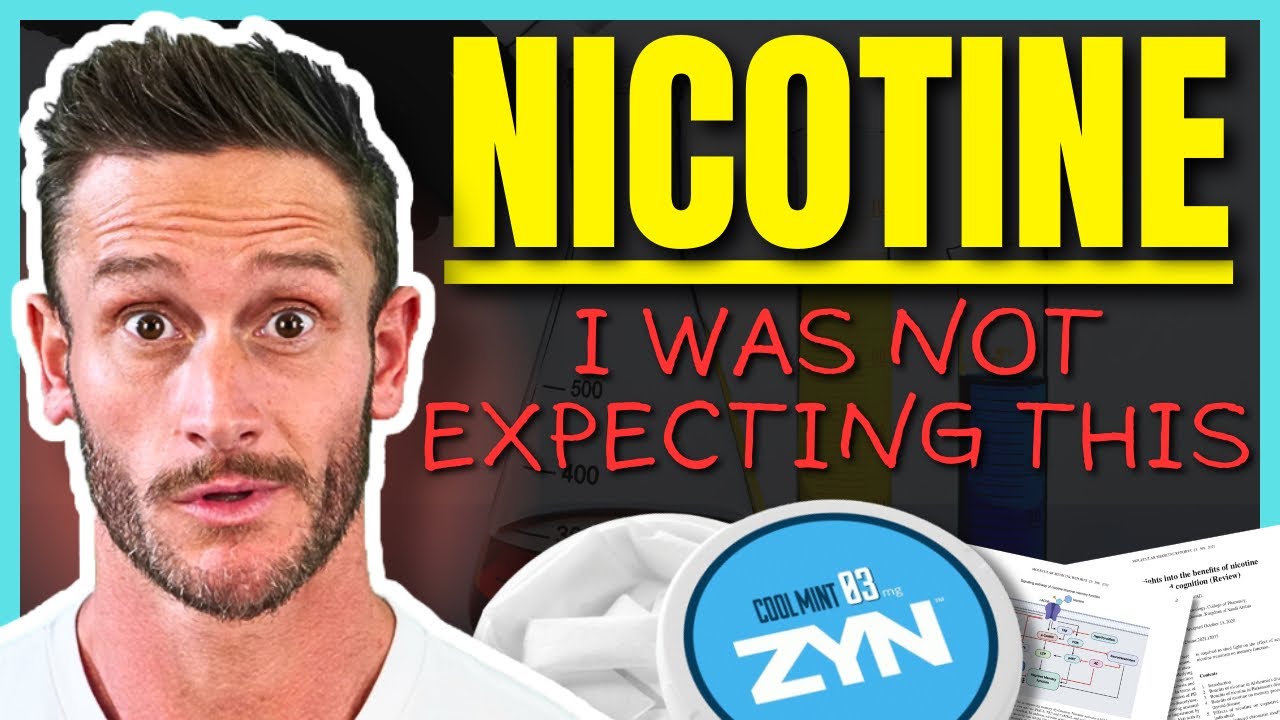
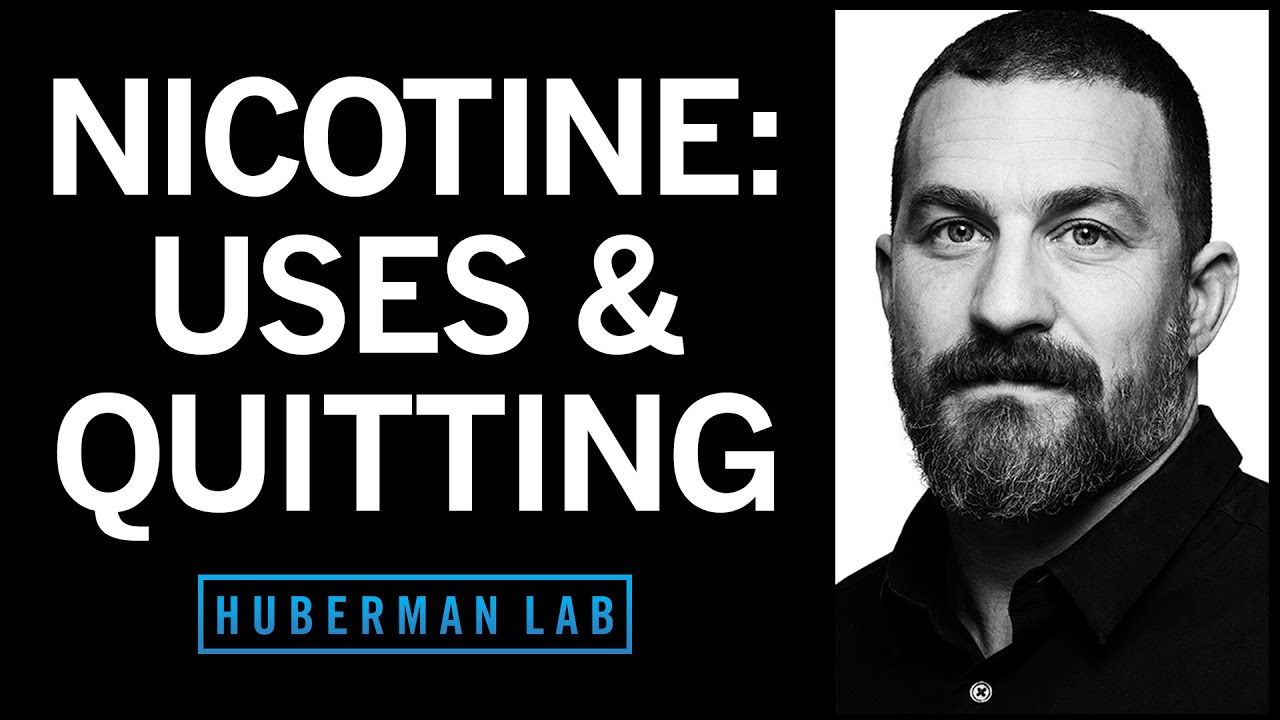
nicotine straight up is not the same as smoking now full disclaimer I don't use nicotine but I know the literature pretty well smoking has a lot of different things going on there a lot of different compounds one of which is nicotine could nicotine be addictive yes there is evidence there could it be the most addictive component of cigarettes don't really know but what we do need to talk about is nicotine for longevity purposes because we're seeing people talk about it we're seeing wellestablished credible researchers talking about it and the utilization of those Zin pouches and
those nicotine pouches it it's only increasing so we should address this so let's go ahead and break down how nicotine impacts our longevity what it does to our brain how it can impact our metabolism because there's interesting literature even for fat loss which is kind of wild and we'll go into all of it and after today's video a big thank you to create and and a 50% off discount link for create creatine gummies these are creatine gummies that are sweetened with allulose so you're not getting a bunch of sugar like you usually do with a
lot of gummies and these things are dosed appropriately at 1.5 gram of creatine per gummy so you can take small little doses or you can increase the dose as much as you want because creatine is really quite effective and considered very safe and when it comes down to the world of longevity which is the topic that we're talking about creatine has some pretty solid evidence when it comes comes down to maintaining muscle mass when it comes down to potential neuroinflammation it's honestly one of the least expensive and most effective supplements in my opinion for longevity
not to mention a 50% off discount link is pretty awesome so a big thank you to create and that link is down below in the top line of the description underneath this video okay we're going to jump right into how nicotine kind of works first the physiological and the neuronal effects of nicotine like when you smoke a cigarette or take in nicotine it has to do with the nicotine binding to what is called the nicotinic acetylcholine receptor now these receptors are all over our body which is why you can get a full body sensation with
nicotine sometimes you can feel it everywhere but the largest concentration is obviously in our brain which is why we feel so much in the way of memory increases sometimes we even feel like our decision making is better regulate emotions better those things are very very real now in some people it can go overboard where they feel anxious and they feel wired up that's very real too but with that anytime something's impacting the brain like that we have to ask is there a negative aspect or how is it potentially benefiting us so with this we look
at a study that was published in the journal Alzheimer's now full disclaimer on all of these studies today okay I have to be very very transparent not much human literature out there for longevity benefits with nicotine but lots of rodent model stuff but that's okay because that's where we start okay we start with this stuff and if we look at the rodent model literature we can make an educated decision if this is something we may want to try as humans so I have to give that disclaimer to be real okay so Journal Alzheimer's disease this
is fascinating they took rats and they gave them either 1 milligram or 8 milligram per kilogram of body weight okay so they gave them either a lowd dose nicotine or a high does nicotine they did this for 14 days and what they found is that the proteins that are associated with Alzheimer's disease and beta ameloid plaque production went down significantly when nicotine was in the equation in a dose dependent fashion although between the lowd dose and the high dose it wasn't an astronomical difference suggesting that potentially a low dose could be helpful here but what
was really interesting is when they blocked the nicotine receptors okay when they blocked those niconico choline receptors it didn't have the impact it didn't have that POS positive effect it didn't stop those proteins So based on this it's very clear that it has to do with the nicotine binding to the nicotine receptor in terms of reducing these proteins associated with Alzheimer's so this next study published in the British Journal pharmacology it took a look at nicotine's ability to be neuroprotective to protect against compounds which may not be good for us and may damage the brain
this is pretty wild so what they found is that nicotine had a neuroprotective effect ranging from 47 to 55% when they would give rats six hydroxy dopamine or in a particular case even amphetamines that could cause issues with the brain so basically they were saying okay let's cause some neurological let's cause some neuroinflammation let's cause some damage here right well 47 to 55% protection from the nicotine that's really wild so it kind of makes us Wonder like what exactly is going on here what's the mechanism well it's easiest to look to inflam because neuroinflammation is
a big problem especially with unhealthy aging right so we turned to a study that was published in fasb journal and this is kind of wild because once again it's all rodent stuff but they found that nicotine directly reduced nuclear Factor Kappa B it actually stopped the activation of nuclear Factor Kappa B what that is is sort of the master regulator of inflammation especially it's like a control center for inflammation so it had a big impact there but there were some other stuff too it also stopped something that is called M kyes Now map kise I
don't expect you to know what that is or even really care but all I'm going to tell you here is that it's very very relevant to neuroinflammation so when you stop the activation of map kise you potentially slow down the inflammatory response and neuroinflammation is associated with all kinds of neurodegenerative conditions not to mention just feeling foggy and not feeling alert and bright right so with this it seems as though nicotine has some very strong promise for the brain but let's pivot over to another area let's talk about metabolic Health like our mitochondria which is
also in our brain but our mitochondria the PowerHouse of the cell right we know that from sophomore biology class but the mitochondria when they become dysfunctional that is a Hallmark of Aging when we age our mitochondria just get crappier they get less efficient at using fuel fuel excuse me so when we look at Nic 's ability to affect mitochondria it gets very exciting there is this study published in neuropharmacology again in rats but it found that nicotine decreased the respiratory control ratio what does that mean respiratory control ratio of mitochondria that is basically the mitochondria's
ability to be idling or on standby at a low speed right so it's almost like a car that can idle but not use a lot of fuel but the ratio to being able to create energy when necessary is really high so I want you to imagine it's almost in a weird way like a hybrid car it's like a hybrid car can sit at a stoplight and not really use any fuel I mean yes they use fuel because they're using from a battery which definitely uses fuel don't get me wrong in a weird way right point
is there's no emissions it's just low low demand and then and once you crank it up then you can actually go ahead and use fuel aggressively then it turns into a Lamborghini right so your mitochondria the ability to idle at sort of a low speed and then aggressively increase energy and increase uh ATP production from ADP very very important but one of the things that I found the most interesting is that nicotine reduced the super oxide creation so it reduced the amount of sort of free radicals that were created from the mitochondria okay so when
nicotine was present super oxide only increased 39% when nicotine was not present it was over 60% so we had like a 23 24% reduction in reactive oxygen species or super oxide that was released from the mitochondria that means that the mitochondria is releasing less kind of well oxidative stress when nicotine is in the equation it least in rodents I don't know but it's looking fairly promising now are there downsides and we're going to talk a little bit about that but so far it seems as though the downsides could be potential addictive qualities right it also
could be that you might get a little bit of a dopaminergic let down the next day and you might feel like you need more of it to get the job done so I think where it's going with this I can't speak out of turn but where it looks like the literature is pointing us is that occasional utilization now a lot of the evidence is also suggesting that chronic utilization is going to be good but again it's in rodent so I don't safely feel like saying you should just go pop nicotine pouches all the time but
there is some Merit there now I want to talk about fat loss and obesity because this is pretty darn interesting in and of itself there was a study published in life sciences that once again took a look at rats and it gave them either 6 Mig of nicotine per kilogram of body weight or 12 milligram per kilogram of body weight they found overall that weight gain reduced in all groups that used the nicotine but not in a control group that didn't use the nicotine they also saw a reduction in plasma insulin by 22% mechanistically can't
really tell you why that's happening it might have to do with mitochondrial function it might have to do more with uh energy utilization energy expenditure there's a number of different theories as to why this could be going on but we have to look at another paper that takes a look at overfeeding rats to help us understand what could be going on this study was published in endocrin ology and it took a look at rats that were on a high fat diet caloric Surplus 45% of calories from fat or a diet with 10% calories from fat
and they were trying to make them I obese okay so they did this for 8 weeks 6 weeks into this time period they added in nicotine at a couple different dosages what they found is that the nicotine ended up dramatically reducing the food intake of the rats but it also reduced R their overall weight reduced their body fat percentage and maintained their lean body mass extremely exciting stuff to show that okay there's a preservation effect but there's a a specific fat loss effect and when you dig deep into the literature on this you see the
couple potential mechanisms there's a reduction of what's called fatty acid synthes which just like the name implies synthesizes fatty acids it synthesizes fat right so if you have a reduction in fatty acid synthese metab ically you might store less visceral fat you might store less body fat and definitely less liver fat in that particular case because that's where fatty acid synthese really works a lot very promising there there was also a decrease ink at the hypothalmic level and an increase in phosphorilation systemically amk is like our marker of a deficit right so like if the
brain is registering that we're in a deficit it's not as good but if the body's registering that we're in a deficit it's great right so overall ampk phosphorilation went up meaning the body was in quote unquote more of a deficit in upregulating processes that would normally upregulate if you were eating less things like autophagy things like fatty acid oxidation yada yada all these metabolic benefits now again this is rodents so does it work well in humans I don't know I would love to see a study that takes a look at Chronic nicotine users whether it's
smoking pouches or what and address their BMI like address their body weight address their body fat because I do know a lot of people and this is not to give a license to this that use nicotine a lot and they're pretty unhealthy but they're relatively lean it's kind of interesting maybe there is something there that we should be addressing the last thing I want to address is a study that was published uh talking about the cardiomyocytes the effect of nicotine to induce autophagy potentially and prevent premature cell death in some of the heart cells check
this out this was published in the American College of Cardiology once again rodent models what they did is they gave them 6 milligrams of nicotine per day or per kilogram per day for 10 weeks but what they did is they gave them lipopolysaccharide LPS so they basically added inflammation to their lives they made these mice more inflamed when they did this when they made the mice more inflamed it induced cardiomyocytes so like a cell death of certain heart cells however the cell death only occurred if nicotine wasn't present so it only occurred in the control
group the nicotine seemed to stop the premature cellular death the apoptosis of the cardiomyocytes demonstrating that there could be an autophagy effect there could be an effect on self-preservation really interesting stuff additionally if this is a world that you're into it didn't have any real effect on what are called tolllike receptors or Angiotensin mRNA if you're a Cardiology person so we don't know know the actual mechanism is it inflammation related it seemed like it would have been since it basically blocked the effect of LPS but LPS is usually very direct inflammation related specifically on tlr
toll like receptors so since it wasn't tlr4 related research needs to be done more research needs to be done to understand why nicotine was having this preventative effect that's why I save this one for last I don't know if we can solidly say hey nicotine is cardioprotective but it looks promising in the rodent model and some additional inv vitro stuff that I'm not even going to mention in this video because it's too far out in the weeds so what is my Takeaway on this is it worth it I can't tell you yes or no if
it's going to be worth it because there's known risk factors with it or known risks with it I should say but all I can say is that what smoking brings to the table and what nicotine bring to the table are two separate discussions altoe as always keep it locked here on my channel I'll see you tomorrow