conspiracy theories have a long history certainly in American literature going back even to the years after the Revolution when there was an atmosphere of political paranoia and suspicion which I think has never gone away in American culture but certainly reflowed during the Cold War the film that I think is maybe the first great conspiracy movie certainly of the 1960s is John Frankenheimer's The Manchurian Candidate which is not only about a conspiracy but the very structure of the movie where you don't always know from scene to scene what you're looking at how it adds up what
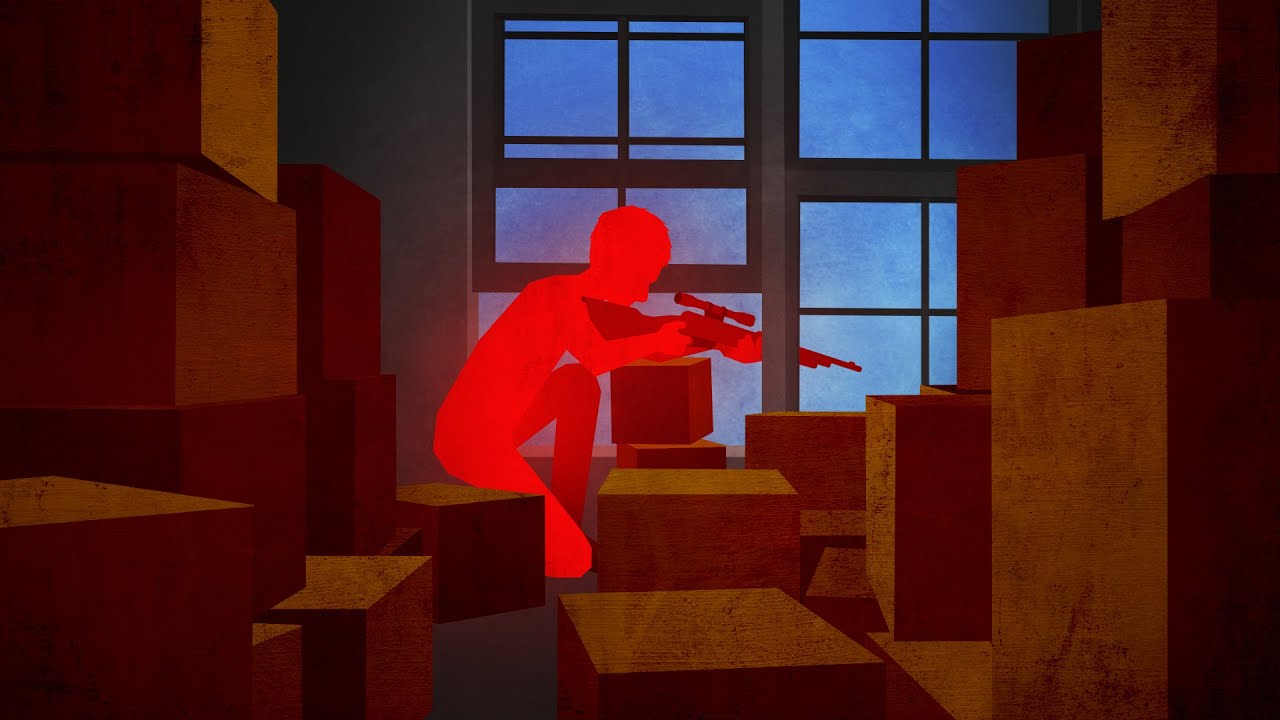
it means I think that's a movie that that kind of inaugurates a sort of paranoid style of filmmaking where the reality that's being presented to you on the screen isn't just a story that's being told to you but something that you have to decode something that you have to figure out something that you maybe can't trust so how is it possible for as well to a fire from two angles at once it doesn't make sense there are a lot of movies that allude to the Kennedy assassination but the big one and the one that I
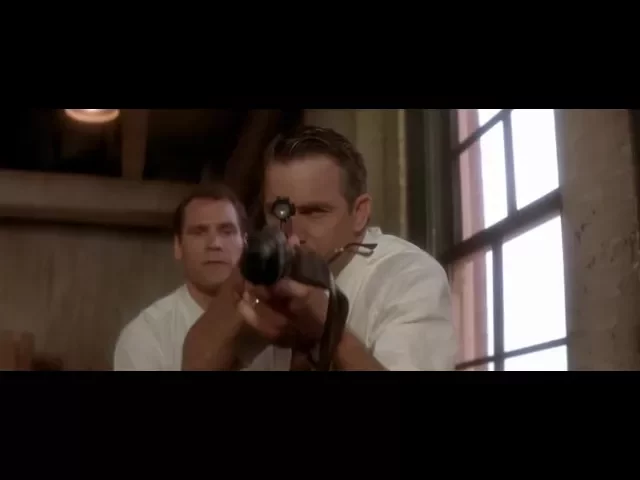
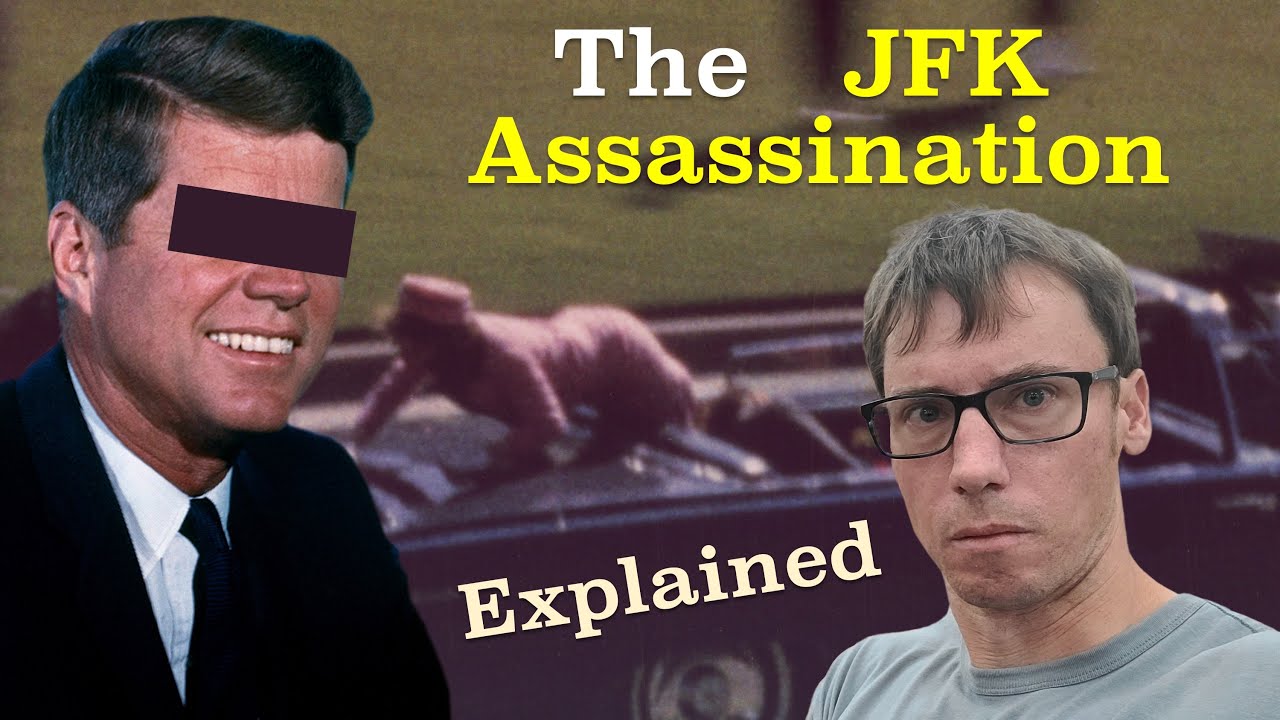
think sort of revived the whole industry of Kennedy assassination speculation was certainly outer Stone's JFK the hero of JFK is Jim Garrison who was a prosecutor in New Orleans who did not - to understate matters did not accept the findings of the Warren Commission room so what really happened that day that's just for a moment speculate shall we but stone uses a lot of very interesting and sophisticated cinematic techniques to suggest that what he's showing you is real so the movie is structured as a sort of courtroom drama but it keeps flashing back and when
it does the film stock changes the editing rhythm changes it creates a very impressive and powerful illusion not just of realism but of the documentation of reality even though it's an entirely scripted and acted and in that sense made up film 2:38 the fourth shot it misses and takes cotton in the bag there were two rivals the Oliver Stone movie certainly reopened a case in it and it sort of put the conspiracy you know back on the table Oliver Stone's movie in ways that that that couldn't have necessarily been anticipated at the time was ahead
of his time in that where we live now is very much in a in a kind of destabilized uncertain somewhat suspicious and paranoid relationship to reality so we kind of are in the habit of assuming that there must be a conspiracy of jumping to the conclusion that whatever we're seeing represented whenever something terrible happens you know whether it's 9/11 or the Benghazi attacks or anything else that there is some kind of secret story that we're not being told there's some there's some truth that's out there that's being obscured [Music] you