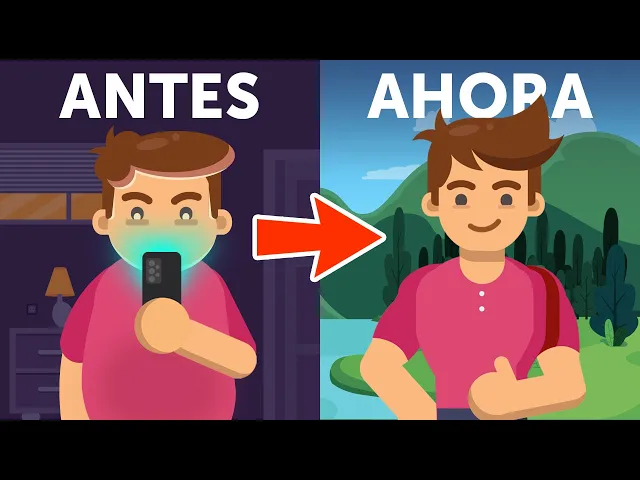
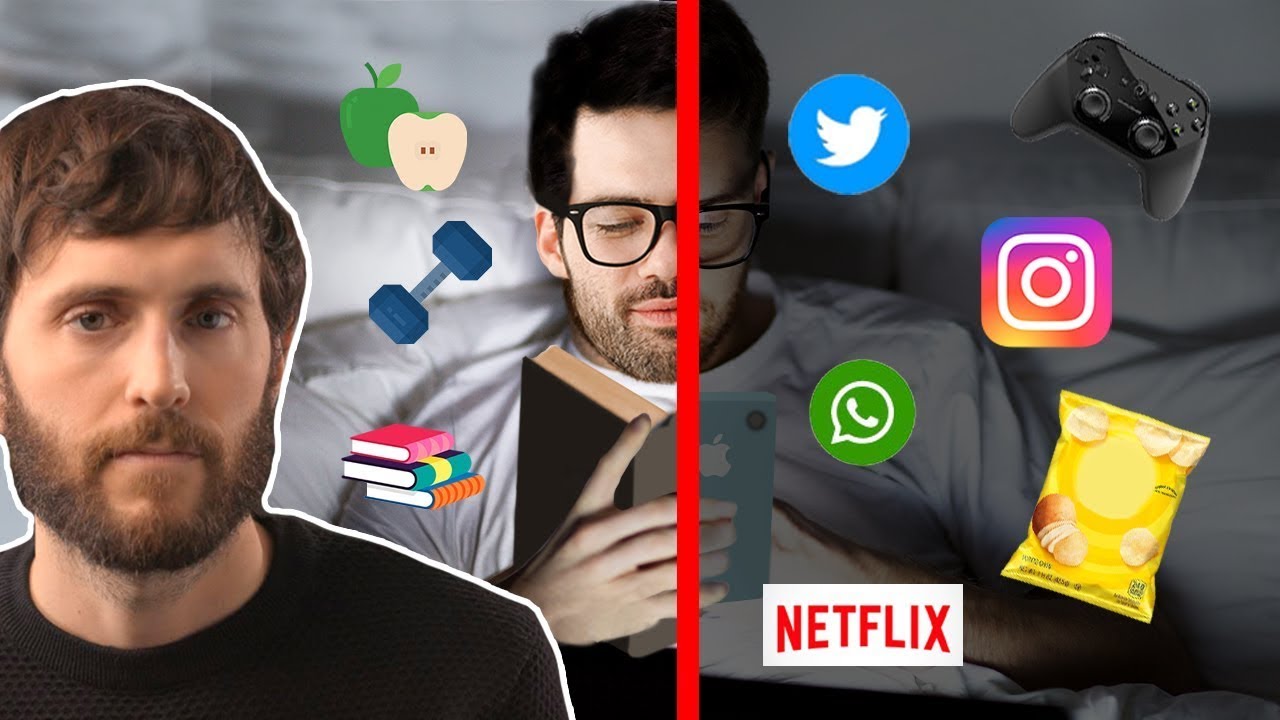
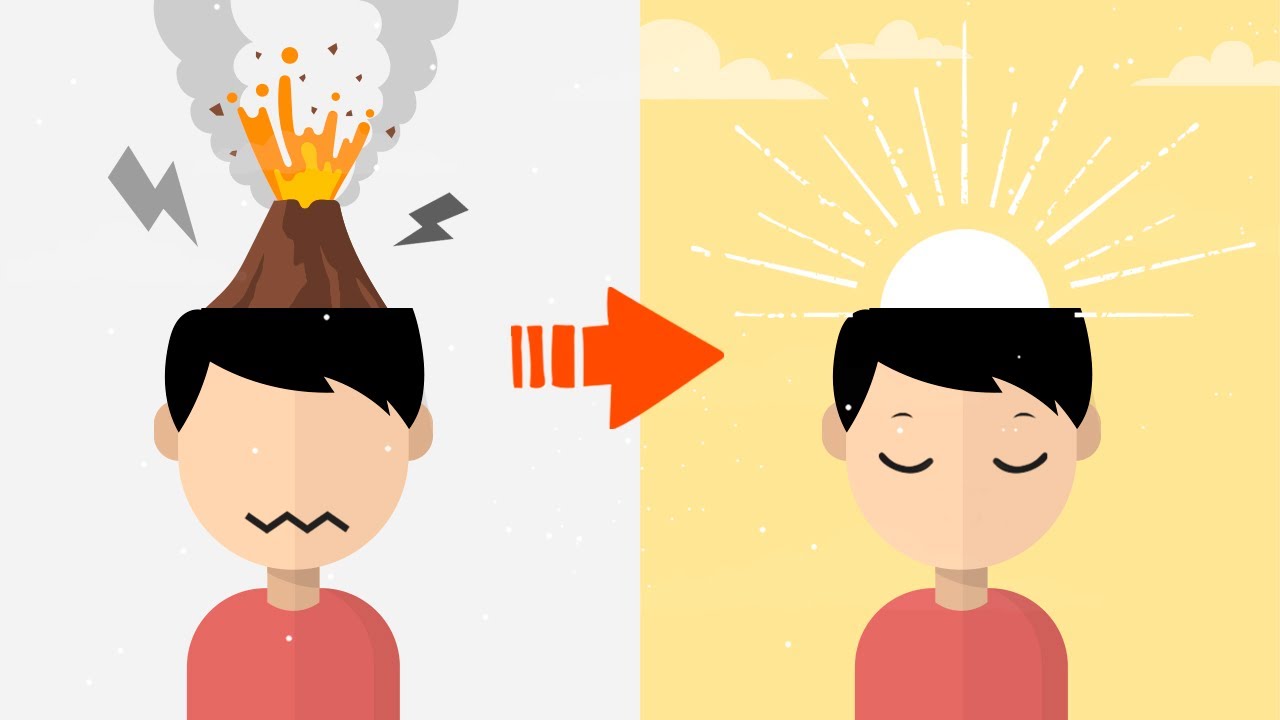
This is the scale of pleasure and pain. Pleasure and pain are processed in the same place in the brain and maintain a reciprocal relationship of balance. Every time you get pleasure and the balance tips to that side, the brain generates a strong opposite reaction, with which you will receive the same amount of pain.
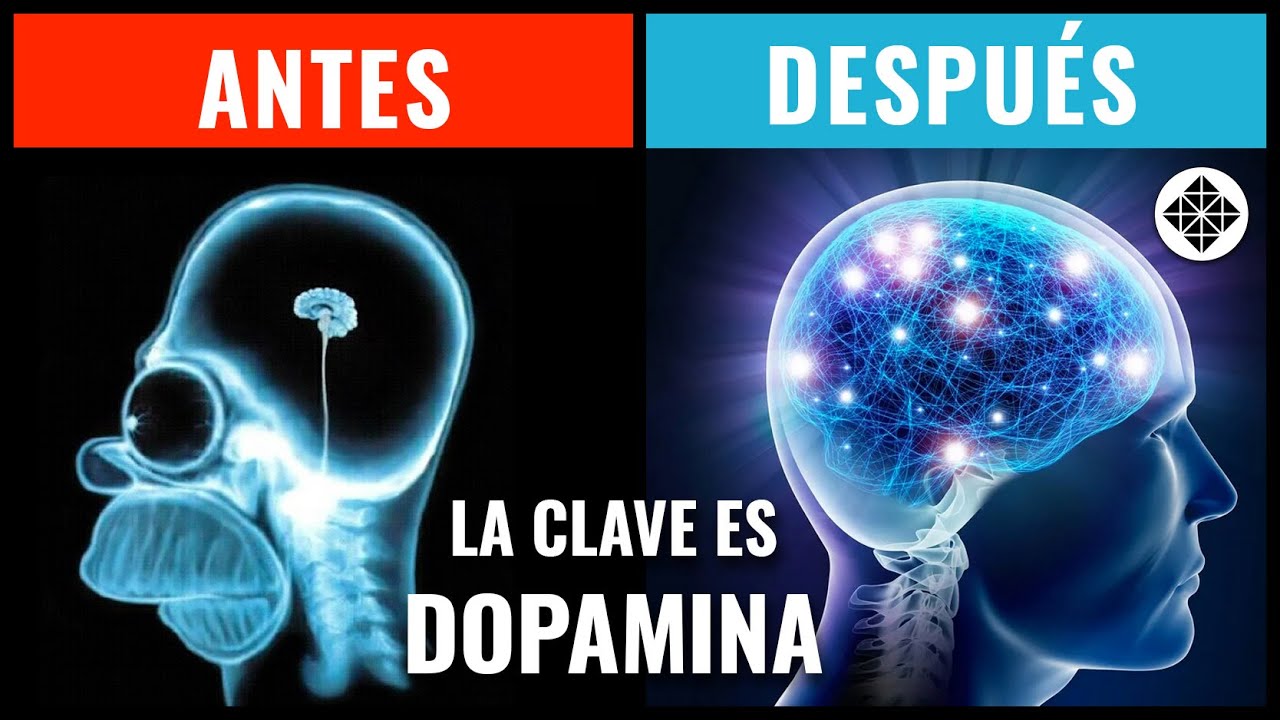
The more you pursue pleasure, the more pain you cause yourself. In this video, we will see how this pleasure-pain relationship works. Why dopamine is the key?
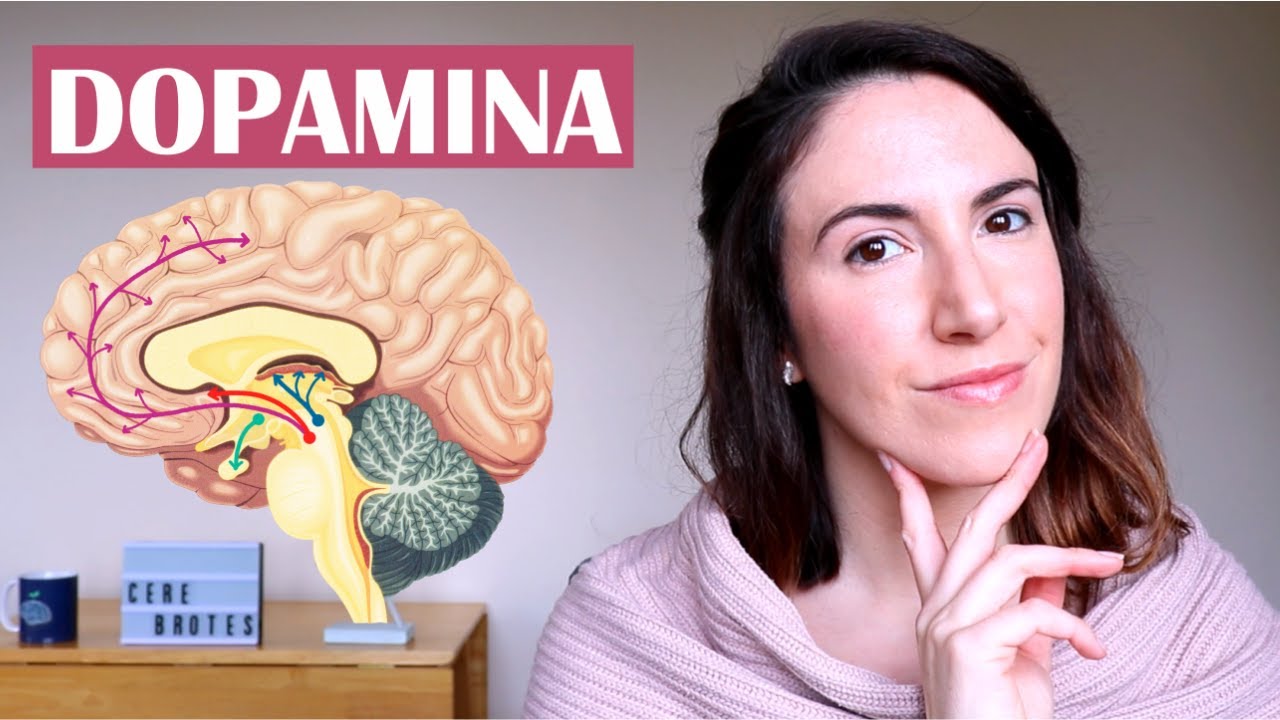
And how all this connects with aspects as relevant nowadays as addiction, psychological fragility or mental control. In her book, Dopamine Nation, which has not yet been translated into Spanish, Anna Lembke, professor of psychiatry at Stanford University School of Medicine, explains that when we experience pleasure, dopamine is released into our reward pathway. But the balance cannot remain tilted towards the pleasure side for long.
So, the brain activates powerful self-regulatory mechanisms to level it again. The problem is that before the balance point is reached, the scale tips to the opposite side with the same force. That same amount of pleasure turns into an equal amount of pain.
In the 1970s, Richard Solomon and John Corbit called this reciprocal relationship between pleasure and pain the Opponent Process Theory. “Any prolonged or repeated deviation from the hedonic or affective neutrality provokes a subsequent reaction that has an opposite value to the stimulus. ” The problem is that besides provoking a strong compensation towards pain, repeated exposure to the same pleasure stimulus causes the initial bias to become weaker and more ephemeral, while the subsequent response to pain becomes stronger and longer.
A process that scientists call Neuroadaptation. Or to put it another way: hedonism, the compulsive pursuit of pleasure for its own sake, leads to anhedonia. Which is the inability to enjoy any kind of pleasure.
Which leads us to a higher consumption, with which we seek to obtain the pleasure we felt at the beginning. We become addicted. And we are all addicted to something.
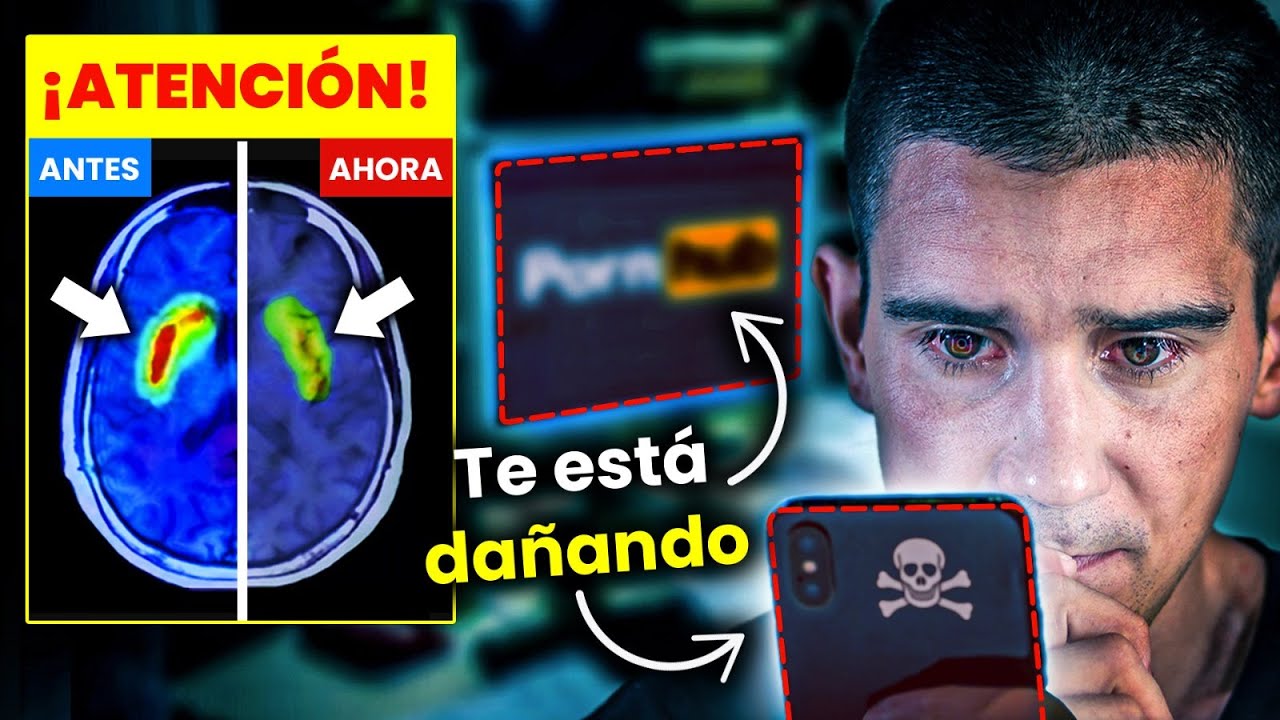
We all have some continuous and compulsive consumption of a substance, or a behavior, even though we know that we harm ourselves or others with it In this age of instant gratification, addiction has become a global phenomenon, and in many cases promoted by governments and corporations, as part of what is expected of the good modern citizen. Drgs, pharmaceuticals, sex, pornography, social networks, video games. But there is one substance that is present in all addictions.
And that substance is dopamine. Every time we have the expectation of obtaining a reward and therefore pleasure, we release dopamine. From the very moment we plan to consume or perform the pleasurable behavior, dopamine appears in the bloodstream.
And the more dopamine is released, the more addictive the experience become. To give you an idea, in laboratory rats, chocolate increases basal dopamine production in the brain by 55%. Sex, by 100%.
Nicotine by 150%. And cocaine by 225%. Amphetamine, the active ingredient in many street drugs, as well as in drugs used to treat attention deficit disorder, increases dopamine production by 1000%.
Yes, 10 orgasms. Access to dopamine is easier and more plentiful today than ever before. What was evolutionarily a scarce and difficult good to obtain for our ancestors, is today a tsunami that drags us towards a compulsive pursuit of pleasure that not only provokes more pain, by the action of the opposing process, but also leads to a psychological fragility never seen before.
Because at the same time that we need more rewards to feel pleasure, we also need less harm to feel pain. “When pleasure corrupts the mind and body, nothing is tolerable anymore. Not because the suffering is strong, but because the person is weak”, said Seneca.
However, there is good news. In fact, two very good news. The first is that we can reset or reestablish the initial levels of pleasure-pain balance, so that they return to where they were before our addiction.
If we discontinue the substance or behavior, the brain readapts. Obviously it is not easy, because before we feel better we will go through a period of abstinence. But Ana Lembke's patients usually reach a point of inflection within two weeks.
For this recovery phase, the author recommends the practice of Mindfulness meditation. And the reason is the following: when we no longer have the option of using dopamine as an escape route, our thoughts, emotions and painful sensations come crashing down on us. But the mental mastery that we acquire with Mindfulness, gives us a greater tolerance to pain and discomfort.
So it is especially useful in the early days because it makes abstinence much more bearable. As you know, in this channel you can find a multitude of guided meditations in which I accompany you at all times. So I encourage you to try.
It's OK if you have never meditated before. You just have to follow my voice. And the second good news is that the balance also works the other way.
An intermittent and controlled exposure to pain causes a hedonic adjustment in the mechanism that tips it to the side of pleasure. “Just as pain is the price we pay for pleasure, so pleasure is our reward for pain. ” Says the author.
In fact, there is a branch of science called Hormesis, which is dedicated to studying the beneficial effects of administering moderate doses of painful stimuli. Such as cold, heat, gravitational changes, food restriction, exercise. A clear example is immersing ourselves in ice water, something that has become very popular thanks to Wim Hof, the iceman.
Research has shown that after exposure to this intense and painful cold, the concentration of dopamine in the blood increases by 250%, and lasts for hours, since the dopamine from pain is longer lasting than the dopamine we get from pleasue. That is why many people who have gotten into the habit of taking a cold shower or immersing themselves in ice water feel great hours after they have done so. While, people who get their dopamine from an addiction often feel physically and mentally bad after the initial high.
Here is the experience of Michael, one of Ana Lembke's patients. “Two weeks after starting the habit, I began to notice that my mood improved after a cold shower. I got into a routine where I would soak in ice water for 5 to 10 minutes every morning, and again before bedtime.
I did that every day for 3 years. It was key to my recovery. For the first 5 to 10 seconds, my body screams: Stop, you are killing yourself.
But I tell myself it's for a limited time, and it's worth it. ” Other examples of how pressing the pain side can lead to its opposite, pleasure, are sauna, fasting, or exercise. Exercise leads to an increase in temperature and releases noxious oxidants.
As well as a deprivation of oxygen and glucose. Which are initially toxic to the cells. However, its compensatory effect improves health.
“The evidence is indisputable. Exercise has a more profound and sustained positive effect on mood, anxiety, cognition, energy, and sleep than any pill you may be prescribed. Chasing pain is much more difficult than chasing pleasure, no doubt about it.
Who wants to expose themselves to the uncomfortable, the dangerous, or the offensive, when we have at our disposal an overwhelming number of pleasures with which we can immediately sedate ourselves, and which are promoted by our contemporary culture. Which has elevated pleasure, comfort and security to the status of supreme values. It seems reasonable that at the slightest hint of pain or discomfort, we go in search of more dopamine.
Which is available in unlimited quantities. The evidence, however, points in the opposite direction. The sweetest pleasure comes from overcoming difficulties.
Said Publius Syrus. And today we know that it is exactly like that. It is in discomfort, adversity, challenge, and discipline that human beings seem to awaken latent forces that promote physical and mental health, strength, and connection with life.
“What man actually needs is not a tensionless state, but rather the striving and struggling for some goal worthy of him. What he needs is not the discharge of tension at any cost, but the call of a potential meaning waiting to be fulfilled by him. ” Viktor Frankl.