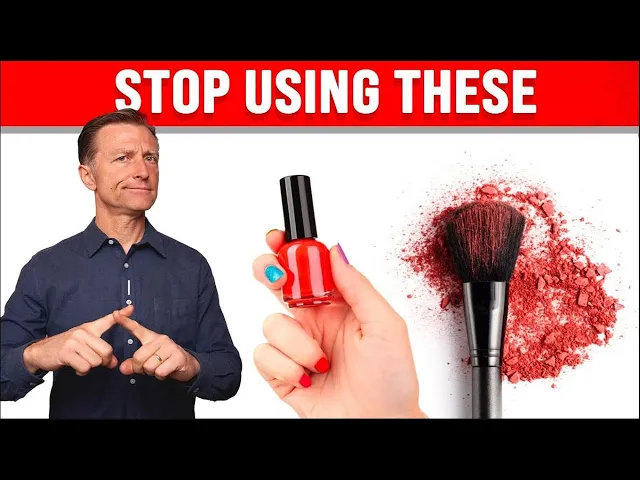
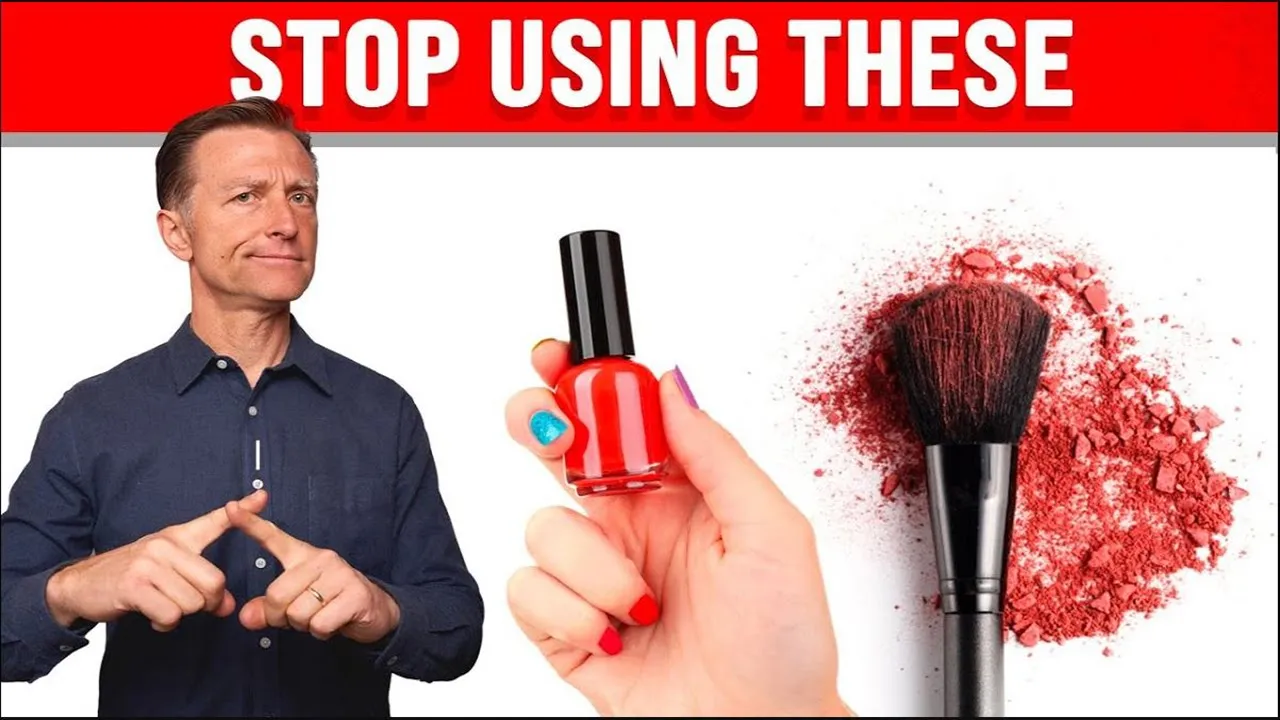
let's talk about the five women's products that should be avoided now there are always alternatives everything toxic out there and when we talk about products there are still things on the market that are very unsafe very toxic and you need to be aware of them so let's start with compact powder so we're talking about talc powder or talcum powder and they use that in all sorts of women's products from creams to finishing powders materials that are used for eye shadow blushes foundations and many beauty creams now talc is the softest mineral and it's highly absorbable
so it'll absorb the oil from your skin and give you an appearance of kind of a soft silky texture at least at first now here's the problem with talcum powder when they mine it it always comes with something else called asbestos and so up to 20 percent of all products out there with talcum powder have asbestos as a contaminated ingredient and the problem with asbestos is it can leave you with a malignancy called mesothelioma so if you're currently using compact powder you want to find a brand that is asbestos free now there's two sites that
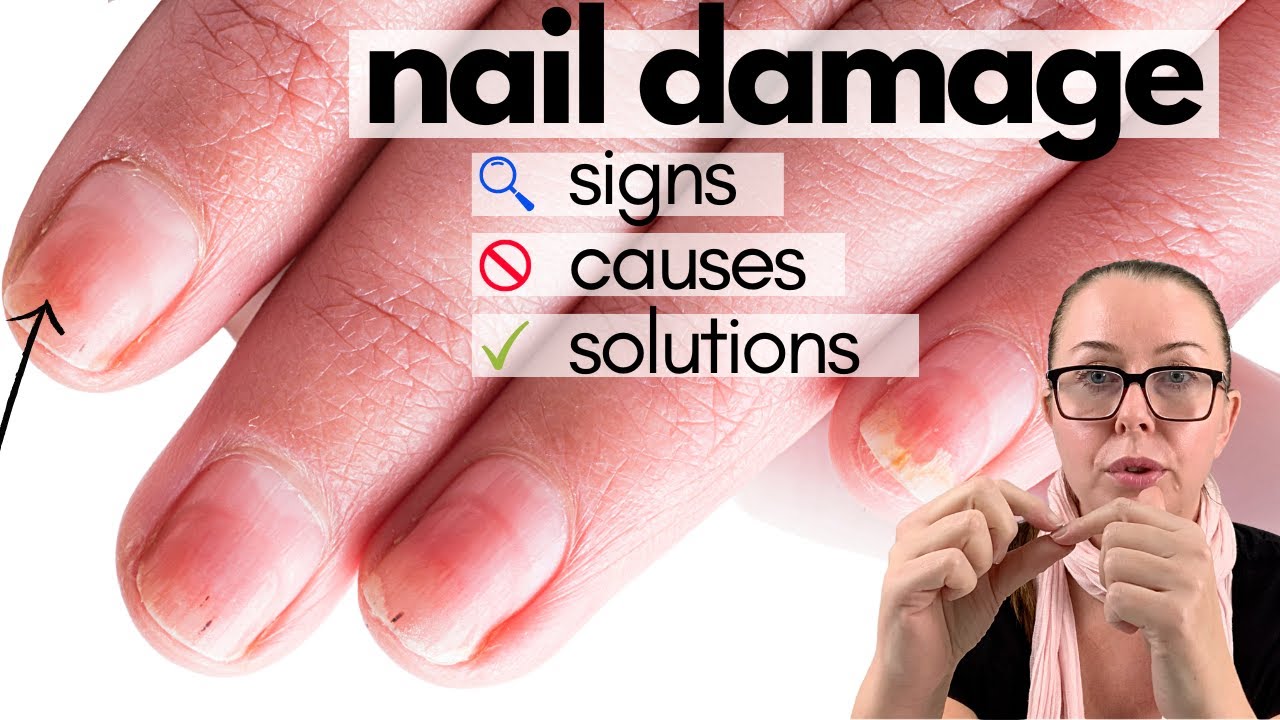
i put in the description that you can find a non-toxic talcum powder all right number two nail polish and now remover boy i don't understand how some people that work in the environment of doing nails can tolerate the toxicity of these chemicals and if you personally work in a place like that you at least need to get in an air ionizer to help reduce these chemicals in the air but what's the big deal with nail polish well it has chemicals like tooling which is in gasoline i mean it's a solvent it's in there to keep
the paint from separating but if you breathe it in it can create a central nervous system toxicity and it kind of bad effects on your reproductive organs they also put formaldehyde in nail polish now what's wrong with formaldehyde well it's a great preservative if you're embalming someone but you have to realize that the nail is alive and your body can absorb things through the nail so whatever you put on the nail gets absorbed then we have dibutyl phalae so this ingredient adds some flexibility to the paint and it prevents it from cracking and turning brittle
however it gets absorbed in your blood and it can negatively affect your reproductive organs i mean it's considered an endocrine disruptor then when you put the paint on then eventually you have to remove it with nail polish remover and they use acetone for that now the problem with acetone is it's on the hazardous substance list it has a clear colorless kind of a sweet odor and it's a solvent for oils fats waxes resins plastics i mean if you read this list it's incredible it's like can cause headaches nausea vomiting dizziness lightheadedness and even passing out
it may affect the kidneys in the liver it's a flammable liquid and a dangerous fire hazard oh yeah and then the first aid section skin contact quickly remove contaminated clothing immediately wash contaminated skin with a large amount of soap and water well guess what you're putting this right on the surface of your body i don't know do people think that it doesn't get absorbed or because it's on the nail and the nail supposedly dead which is not is somehow not going to affect them now as far as a cancer hazard acetone has not been tested
for its ability to cause cancer in animals so even though they didn't test it doesn't mean that it can't cause cancer so anything that is a fire hazard should not be put on your body what i recommend is simply find an eco-friendly non-toxic nail polish and nail remover they have them and i'll put a link down below with a few that i found all right number three intimate wash products they call these feminine hygiene products which they have washes and wipes and shaving gels and lubricants and apparently a lot of women buy these products but
are they really needed and what are they doing to the microbiome that lives in the vaginal canal the chemicals are killing the microflora and altering the ph there is a much increased risk when you use these products of developing cervical cancer utis pelvic inflammatory disease hpv genital warts genital herpes but why because you're destroying the immune system those microbes are the defense mechanism and so if you don't have a defense mechanism you're more susceptible to getting unfriendly pathogens the normal lactobacillus that lives in the vaginal canal produces lactic acid which actually really helps the ph
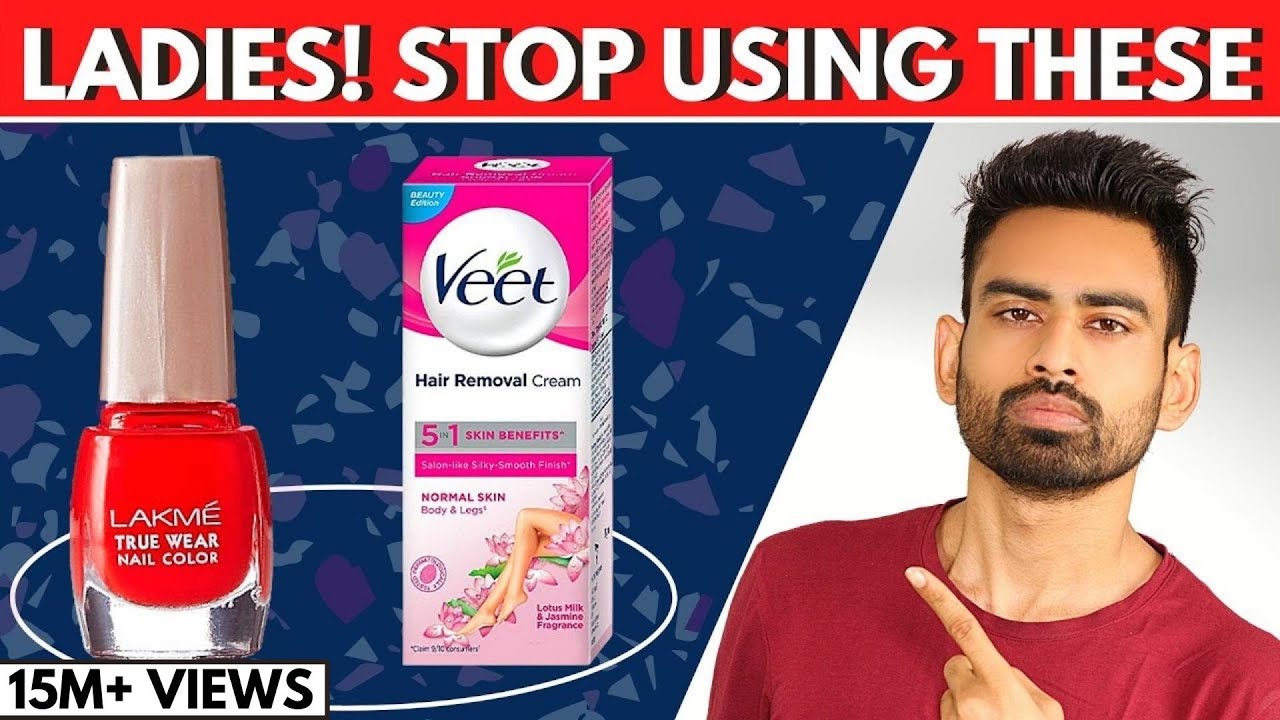
become slightly acidic and that acts as another barrier so when the ph increases and becomes more alkaline a woman becomes more susceptible to having a lot of problems and irritation and redness etc so a very simple solution is to use a probiotic for vaginal health okay i don't have any brand names but you definitely want to check that out and go in that direction all right then we get to number four hair removal creams and the chemical mostly used is called theoglycolic acid now anytime you put anything on your skin and then within minutes later
you can wipe off your hair that should bring up a red flag because what this acid does is it dissolves the keratin in your hair and guess what theo glycolic acid is also on the hazardous substance list it's a corrosive chemical and contact can severely irritate and burn your skin now as far as the cancer hazard well they haven't tested it to see if it causes cancer in animals so the jury's still out but check this out it says avoid skin contact yet you're putting it on your skin and it even says to wear protective
gloves when you're using this acid so if you don't like hair on your body don't use this chemical you might want to just wax all right and number five permanent hair dyes there's over 5000 different chemicals that they use in dyeing your hair and unfortunately some are known carcinogens they can cause cancer the chemicals are going on your scalp which has the ability to get absorbed and go right into your bloodstream and they can act on your endocrine system they can affect your hormones some chemicals are considered endocrine disruptors and in one large study called
the sister study which was performed on 45 000 women they found there was an increased risk of breast cancer and bladder cancer so there are natural dyes out there that you should use but when you're dyeing your hair always ask questions and look at the ingredients of what's in this dye to make sure they're they're just not filled with a list of chemicals that you can't even pronounce and because we're on the topic of chemicals and toxicity the next best video for you to watch would be the one on the liver check it out right
here