when the Mayflower arrived in Plymouth in the early 17th century the natives may have had a very different opinion of who were the Civilized folks and who were The Primitives the colonists Hartley bathe unlike the natives who were proud of their salubrious habits and we all know what happened after the Thanksgiving dinner as pilgrims not only gifted natives the food but also a plethora of diseases on the other hand were NATO's hands has cleaned both figuratively and literally as popular history would like you to believe or did they have some dirty laundry too welcome to
nutty history and today we are looking at what hygiene practices were like for Native Americans during the pre-colonial times [Music] [Applause] oh why don't you bathe when pilgrims landed in Plymouth their first encounter in the Americas was with the Wampanoag people who were clearly not impressed with European hygiene habits according to the 1965 biography of a Wampanoag member of the Patuxent Nation named tisquantum or as Europeans called him Squanto he tried to convert Europeans into daily bathers but his mission didn't yield much success unlike the other missionaries that arrived later in the Americas it was
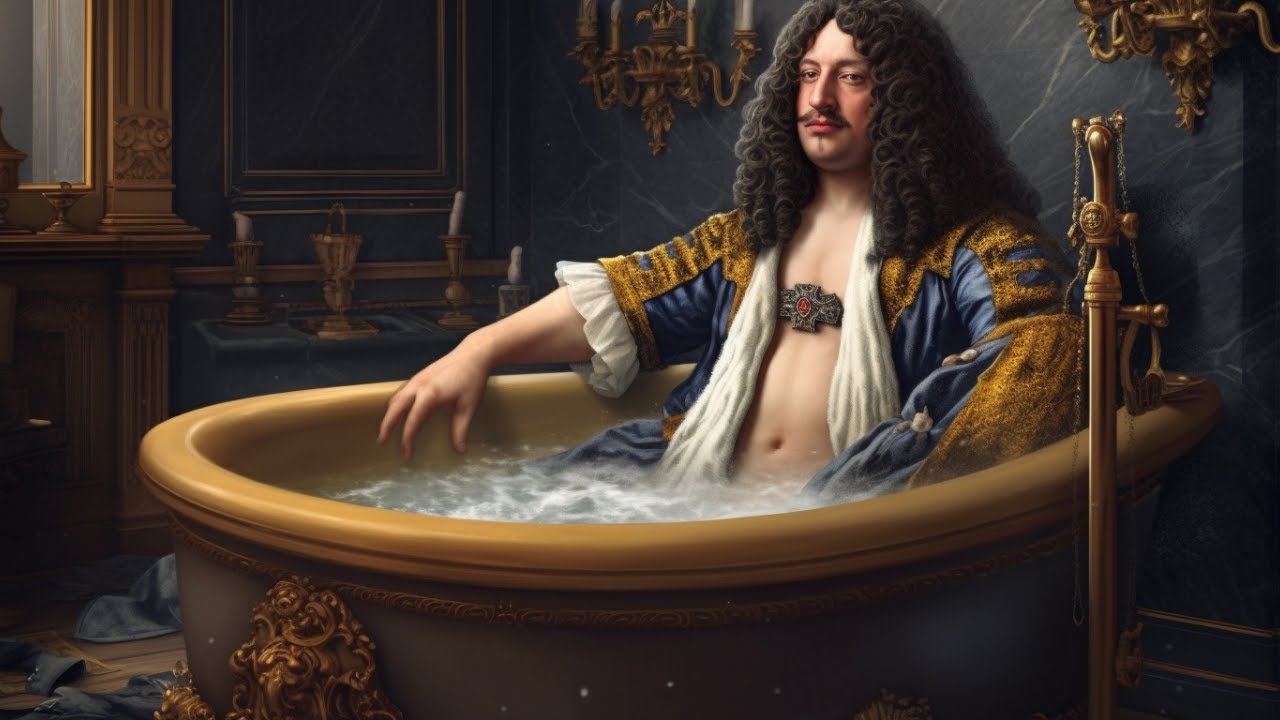
absolutely horrid for Native Americans to learn that Europeans were not fans of bathing at all in fact Squanto got the opportunity to visit Spain and England and he couldn't believe it when he heard that the then French King Louis XIV had taken only three baths in his entire life and it wasn't just royalty while in Europe Squanto learned that Europeans hated bathing as much as your pet cat they might wash their faces and hands on a weekly basis or if they were truly worried about hygiene then they'd go as far as washing them daily but
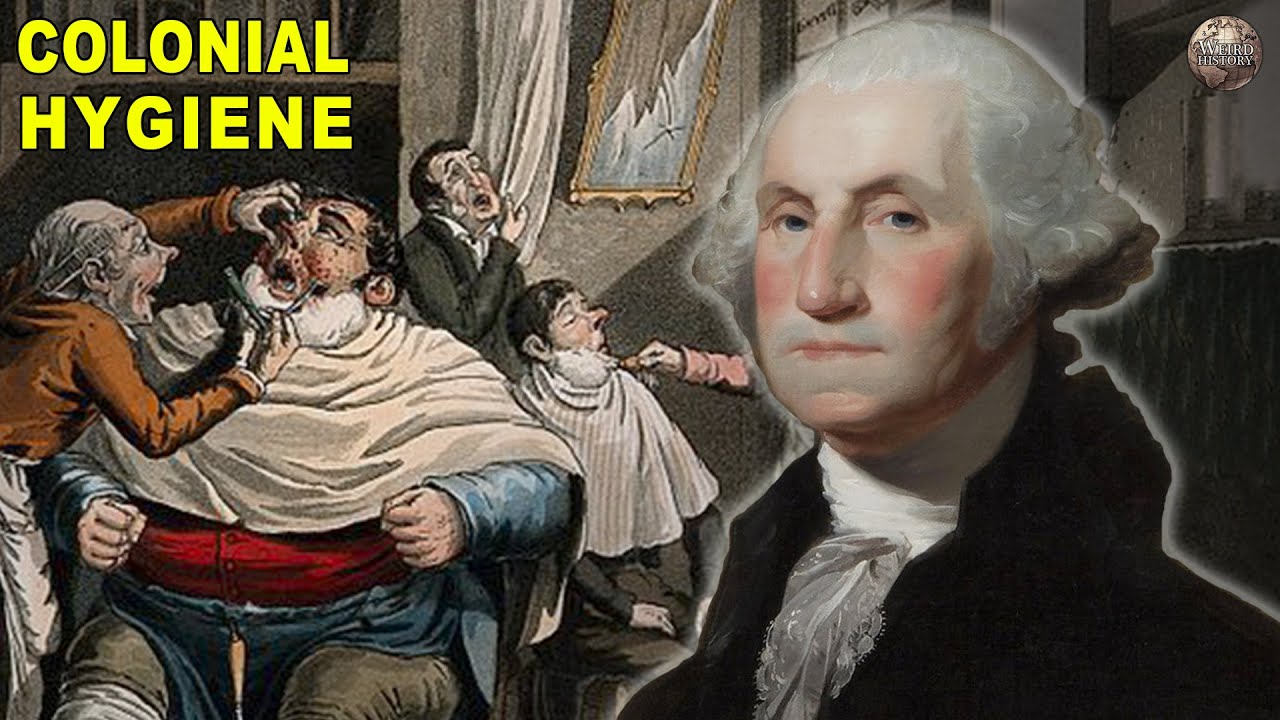
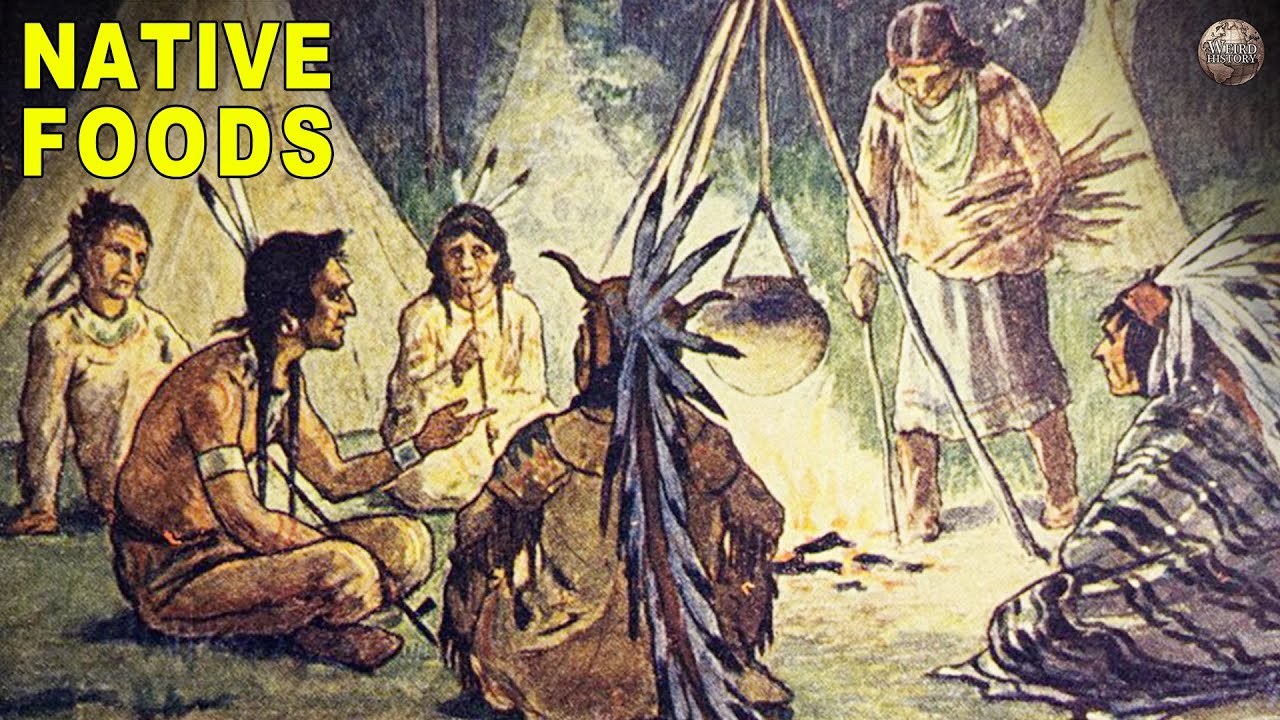
bathing get out of here Europeans at that time truly believe that nobody in their right mind would let water touch the rest of their body in fact the separatist pilgrims and the Puritans that followed them to America believe that submerging the whole self in water was unhealthy also taking off all your clothes how dare you to even think something like that scandalous on the other hand Native Americans were true Savages who would take off all their clothes every day and scrub themselves clean can you imagine that so uncivilized for them bathing was an important ritual
to maintain a harmonious relationship with not only nature but also the spiritual realm they seem to know the importance of regular bathing in washing to keep the diseases at Bay and purify themselves inside out to maintain materialistic and spiritual balance Native Americans practice regular bathing wash their hands often and tried to keep their bodies clean as much as possible even back in that age they knew how necessary the significance of Sanitation was to prevent illness and infection from spreading the native communities promoted overall Wellness Native Americans didn't have the know-how to produce soap like the
rest of the world was doing back then using fat and lime but they were proficient in using herbs and plants medicinally and for Hygiene as well Native Americans used yucca soap weed and soap Berry to produce lather by mixing them with water some tribes also love using finely powdered clay to cleanse themselves with a mud bath they also use steeping medicinal herbs to create infusions into coccins for fancy bathing like how we use bath bombs and bathing oils but I know as much as you'd love to know about the pre-colonial range of toiletries there is
a burning question in the back of your head at this moment we are talking about how much Native Americans emphasize sanitation but their downfall was caused by the diseases that Europeans brought with them how did that happen that's not corn on the cob we can't have a video on hygiene without talking about toilet hygiene before Europeans arrived in America natives didn't have the privilege to know about the existence of toilet paper that was invented in China frankly even Europeans weren't much aware of TP at that time either but they were not using ancient Roman poop
sticks or ancient Greek Pebbles anymore as well truth is they were happy to wipe with anything they could find leaves Twigs grass whatever they got their hands on but we are talking about Native American hygiene here were they using Beaver tails and just scrubbing it off with their maces like the Europeans sounds a little exotic right Native Americans back then were using dried cobs of corn an idea that sounds not that different from poop sticks if I'm being honest they would remove the husk and the silk of the cob that would then be left to
dry this would make its surface relatively smooth making it suitable for wiping in fact when early European settlers of America learned this specific use of Cobb they also adopted it over leaves twigs and whatnot the thing is it's a shame that unlike Native Americans it took settlers quite some time to get into the habit of washing their hands after their business but we do hope you wash your hands regularly and especially after using the toilet the unexpected threat not only were Native Americans the champions of Sanitation but we also owe them for a number of
medicinal inventions that revolutionized Health Care today we credit a Scottish doctor named Alexander wood for inventing hypodermic syringes but the indigenous people of America were using sharpened and hoddled out bird bones connected with animal bladders to hold and inject fluids into human bodies for a very long time they would use these primeval syringes to inject medicines and also irrigate wounds but records show that these Innovative syringes were also used to clean ears and administer enemas the indigenous people to pre-colonized America were also the pioneers of pain relief they discovered that ingesting willow bark works great
as a pain reliever and anti-inflammatory agent because it contains salicin well the Native Americans didn't know that it was the chemical salicin that made willow bark a great pain reliever it was the modern scientists who figured out that part salacin when ingested generates salicylic acid and it's the prime ingredient of everyone's favorite aspirin along with Willow barks Native Americans also used to use various herbs to create ointments and sunscreen too Native Americans also made small plugs out of dogwood to treat hemorrhoids by moistening compressing and administering the insertion people use Dogwood even in modern times
for externally treating wounds so how come such a hygienic and medically sound Society fell to European diseases well firstly the carriers of smallpox measles influenza and the rest of the Pandora's Box that Europeans brought to the Americas were completely alien to the immunity system of the indigenous population poor Buster didn't even have a chance to create anybody soon enough also the European settlements weren't much of a help as they were often established in areas with higher population densities than what Native American societies were accustomed to this way the densely populated Europeans facilitated the rapid spread
of disease by passing it around like a you know the rolled up thingy with the plants in it don't lie I know you know in addition to that diseases not only spread through lack of hygiene but they simply also spread due to Airborne transmission physical proximity and exchanging goods and services before Native Americans knew it their near impenetrable Fortress of immunity was breached in so many ways yeah natural oils and deodorants among the indigenous population of pre-colonized America four sacred plant-based products were considered sacred medicines tobacco Cedar sage and Sweetgrass had a cultural value to
spiritual physical and emotional well-being additionally more plant-based products such as sunflower and jojoba were also used to derive oils that were used to moisturize their skin condition their hair or protect against dryness and environmental elements Cedar was often consumed in tea As a treat before arthritis tuberculosis and fevers essential oils derived from Cedar were also used to fight fungal infections the natives considered Sweetgrass the hair of Mother Earth and it was used as both tea and essential oil to treat the common cold a sore throat and simply a flavor ingredient in food and alcoholic beverages
the incense made from Sweetgrass was to keep their communities and homes fresh and its blood thinning property was also used to reduce stress Native Americans also use cedar and sweet grass to create paste and powders that they could apply externally on their bodies to enhance body odor and reduce the smell of sweat and stench it also helped to mask their presence during hunting but mostly kept them smelling fresh watch and wash your mouth dental hygiene in the 17th century was considered a risky business in Europe as was bathing the guy who's considered the father of
modern dentistry Dr Pierre perchart warned people back then to not clean their teeth actually the French doctor wasn't entirely wrong the Europeans used to use Rags rolled in salt or soot to clean their teeth which wasn't very hygienic in the first place instead he encouraged people to use toothpicks or sponge soaked in water or preferably Brandy when pilgrims arrived in America the dental hygiene of indigenous Americans was a matter of Illumination for them they used chewing sticks primarily which was the method that was also popular in contemporary China and Southeast Asia some tribes crushed herbs
like Sage mint thyme myrrh and other naturally found substances to create tooth powder that would be used as a paste by mixing it with water fresh breath was also as important as clean teeth and gums so they would boil the herbs like thyme mint and myrrh with a plant called gold thread to create an infusion that they could use as a mouthwash you know I actually know some people watching that need to start making this goal thread was also used for pain relief for teething infants and to treat tooth infections Native Americans also had their
own versions of dentists who had specialized tools to treat tooth decay and administer tooth extraction when necessary these Dental probes and crude forceps were manufactured using animal bones and antlers the extraction procedure was typically performed by these dentists who had specialized knowledge or skills within the community but there was no special college for Dentistry as is a case in modern times any medicine man or healers in the Indigenous tribe could perform Dentistry duties back then [Music] the Colombian Exchange Christopher Columbus may have not have been the first cellular to arrive at the new world Shore
but his name is attached to the exchange of ideas food crops population and most infamously diseases between the new world and the old world after his voyage in 1492 it's not controversial to say that this exchange definitely was biased while the old world gained precious metals and crops such as potatoes Tomatoes Maize cacao Chili Peppers and kosova the new world got the shorter end of the stick by being invaded by a whole lot of illnesses but the new world wasn't entirely innocent It is believed that during the original Voyage of Columbus his Sailors became carriers
of an Infamous disease that was responsible for starting the tradition of wig wearing among the elite classes of Europe you know which one I'm talking about right thanks for watching nutty history and we hope you enjoyed this video our writers put a lot of effort into bringing you authentic and genuine content that they write after extensive research of course we are humans and sometimes we do make mistakes but that doesn't take away how much honest effort goes into creating content without any kind of automatic generation and we are thankful for all of your genuine support
now if you'd like to keep supporting this hard work please like and share our videos and if you're not part of our community consider subscribing and ringing that Bell both of them are free of charge it'll help us to keep delivering you quality content and improving with every new video