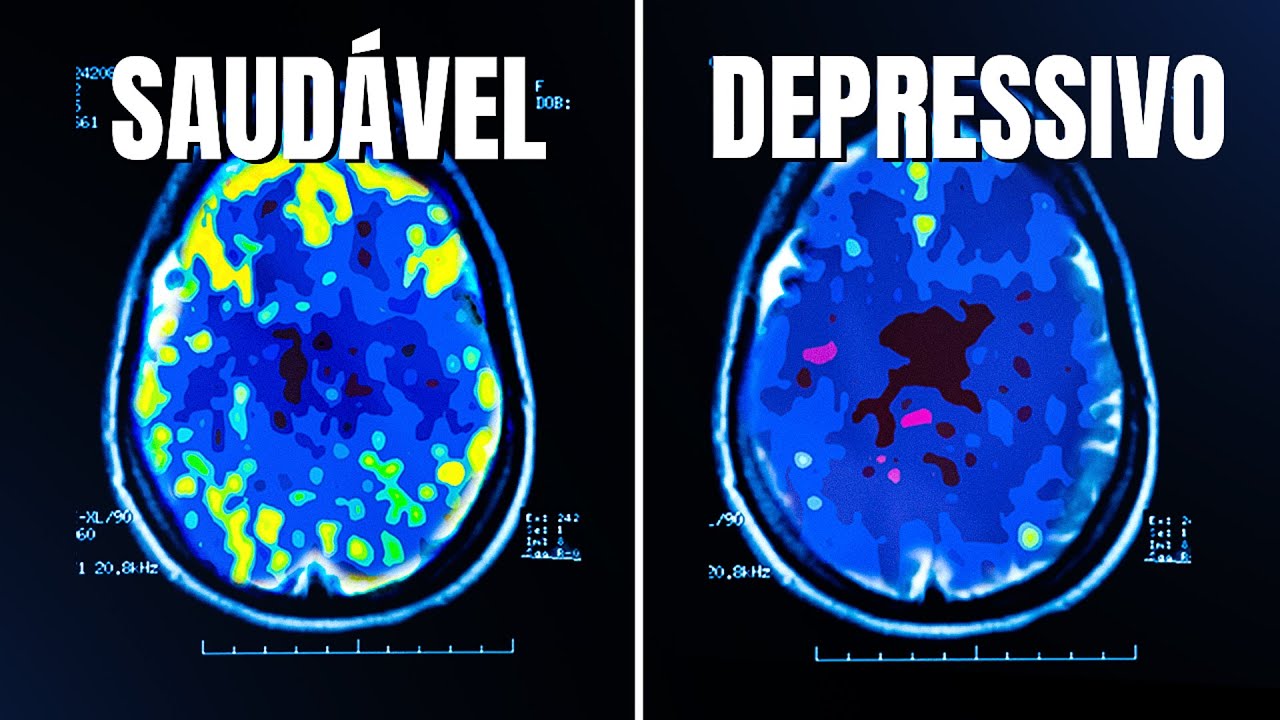
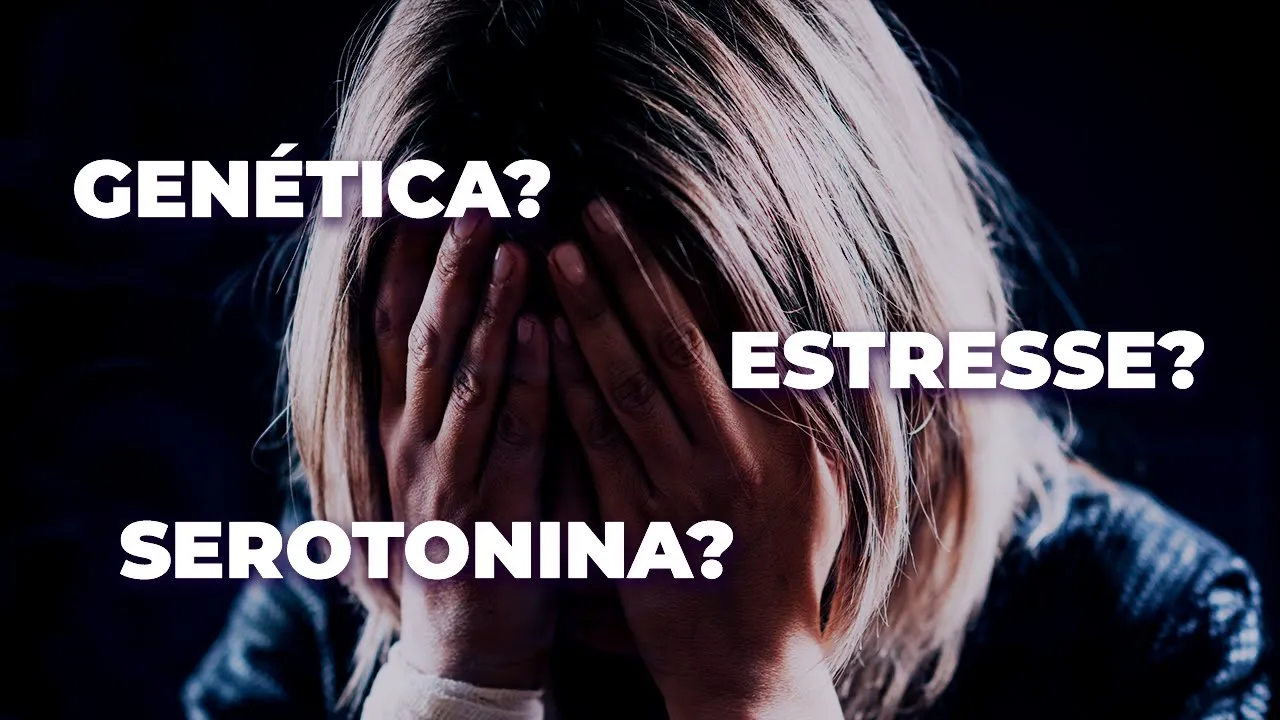
and what causes depression Is it stress eating again the genes that command depression is a psychiatric disorder which is part of mood disorders being characterized by symptoms such as persistent sadness apathy despondency and negative action fatigue suicidal ideation there are different types of depressive disorders such as major depressive disorder' psychotic depressive disorder postpartum depressive disorder and even dysthymia so talking about depression is quite complex as we are talking about a different range of psychiatric disorders that have symptoms in common There are several hypotheses that try to explain how depression arises and in this video here
I will keep the three main ones and explain how they interact with each other in a recent video here on the channel I talked about how antidepressants work I explained a lot about a hypothesis called the hypothesis monoaminergic depression or chemical balance hypothesis that hypo thesis proposes that there are significant changes in the amount of neurotransmitter release such as dopamine, serotonin and noradrenaline if Theoretically it would be related to the appearance of depressive symptoms that are present there in this depressive syndromes this fundamental hypothesis the development of several classes of antidepressant drugs currently used but
it is not can fully answer how the development of depression occurs and Precisely for this reason other theories have emerged that can better explain how the development of this disease occurs. monoamine receptors again the focus is still on serotonin dopamine and noradrenaline but Unlike what happens in that first hypothesis that I told you there is a decrease in the levels or release of dopamine serotonin or norepinephrine in this hypothesis of the receptors, it is believed that there is a compensation due to this decrease in release causing an increase in the amount of receptors for these
monoamines well Every time the neurotransmitter released by a neuron it needs to reach the membrane of the other neuron this turn on what we call receptors that are proteins responsible for producing the style in the next neuron the hypothesis of monoamine receptors put here because of a compensation, the levels of these receptors are increased there in the dopamine neurons serotonin and norepinephrine sort of to compensate the lack of stimulus that you are having is as if you increased the number of doors to see if more people entered that place, it is nice to point out
that a genetic influence would already enter here because Probably some distinct gene causes this significant increase in the amount of serotonin and norepinephrine dopamine receptors in people who have the depression disorders We do not yet have such strong evidence to actually explain whether there is a direct relationship between This increase in the number of receptors and the development of symptoms of this type of mood disorder, which is depression, so another possible cause that has been studied a lot in the last decades is the relationship between stress and neurotrophic factors comes a healthy brain products constantly
small amounts of neurotrophic factors that are important molecules to maintain synaptic connections and hormones in a healthy and functional way one of the main neurotrophins found in the brain is the brain-derived neurotrophic factor that is responsible, among other things, for modulating synaptic plasticity and is quite important to maintain the cell survival of distinct groups of neurons and interestingly, we have several studies showing that the decrease of the bdnf incurs a decrease in synaptic plasticity and will be correlated with the appearance of depressive symptoms in animals In addition we have some studies that demonstrate that there
is a decrease in bdnf levels in people who are diagnosed with depressive disorders now the most interesting is the fact that we already know that there is a relationship between the increase in chronic stress AND the decrease in bdnf levels in the sky we know today that stress causes a series of neural adaptations to prepare our body to be able to face adverse situations but chronic stress has the ability to decrease dramatically the levels of different neurotrophins, mainly bdnf, being quite harmful to synaptic plasticity and causing a decrease in the maintenance capacity of these neurons.
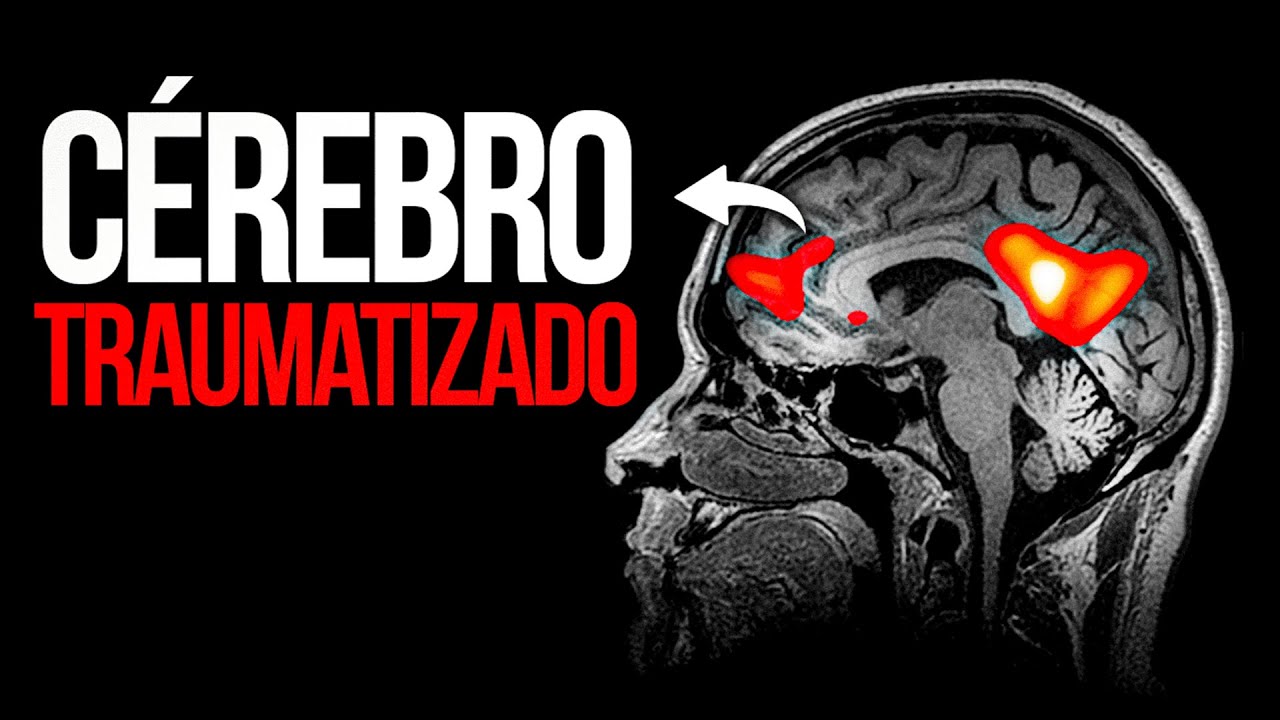
neurons in a part of our brain called the hippocampus is a very responsible part of the production of memory that is impacted by depressive symptoms but again these findings still cannot explain the completeness of symptoms that are presented in different depressive disorders, let alone explain why some people who have stress people develop depression and other people don't develop any cause of depression Bruna the honest answer is that we still don't know but the most recent studies have shown that it's probably a combination of all these three hypotheses that I'm presenting to you The idea is
that a complex junction between genes that increase vulnerability to stress along with the environment that generates chronic stress in a marked way, let's say, will be the combo Hi for the development of depressive disorders what I mean by that well we know that there is not just one gene that will cause depression and that many the least only chronic stress also has the capacity for the development of depression by itself in fact in the current neuroscience we believe that we are working more with an issue of vulnerability development of depression imagine for example that you
have a genetic alteration that makes you they produce less serotonin in the areas responsible for mood control this necessarily means that you will develop depression not but people with this gene with exposure to significant emotional traumas such as psychological abuse sexual abuse or traumas such as the loss of a father the loss of mother especially during crucial moments of neurodevelopment As in childhood You will certainly trigger neural circuits that will be more susceptible to the development of and mainly because it will be more subjective the ability of stress to decrease bdnf levels and cause all
this panacea of neuronal changes that will cause depression At the end of the day, we will always be talking about vulnerability and if you have genetic conditions or environmental stressors, you will already be paving the neural path to increase your sensitivity to other stressors that can cause you to develop depression. What I mean by this is that probably The vast majority of cases of depressive disorders are a combination of the genetic predisposition of that person with the environmental factors that led to the development of this depressive condition That is, the person already had the predisposition
and the environment did not help much causing her to have a sensitivity to stress and that things that Possibly would not be so stressful and locks for other people for this person who is already sensitized is quite a thing and she has difficulty processing generating the symptoms it is necessary if you think I can do it bring something of value to you I ask you to leave a like in the video below and subscribe if you haven't already Thank you very much for your attention and see you later