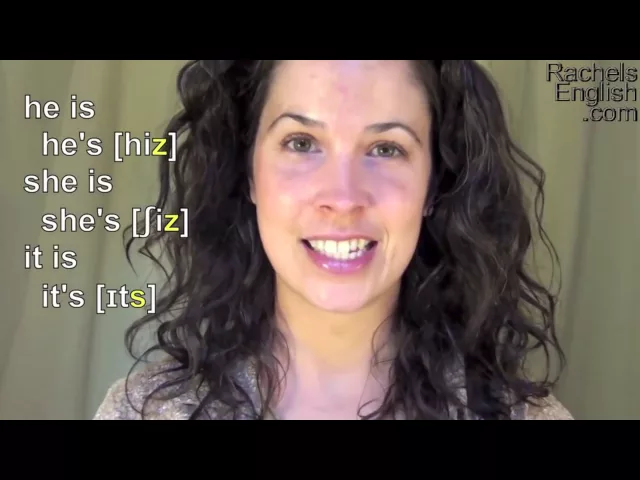
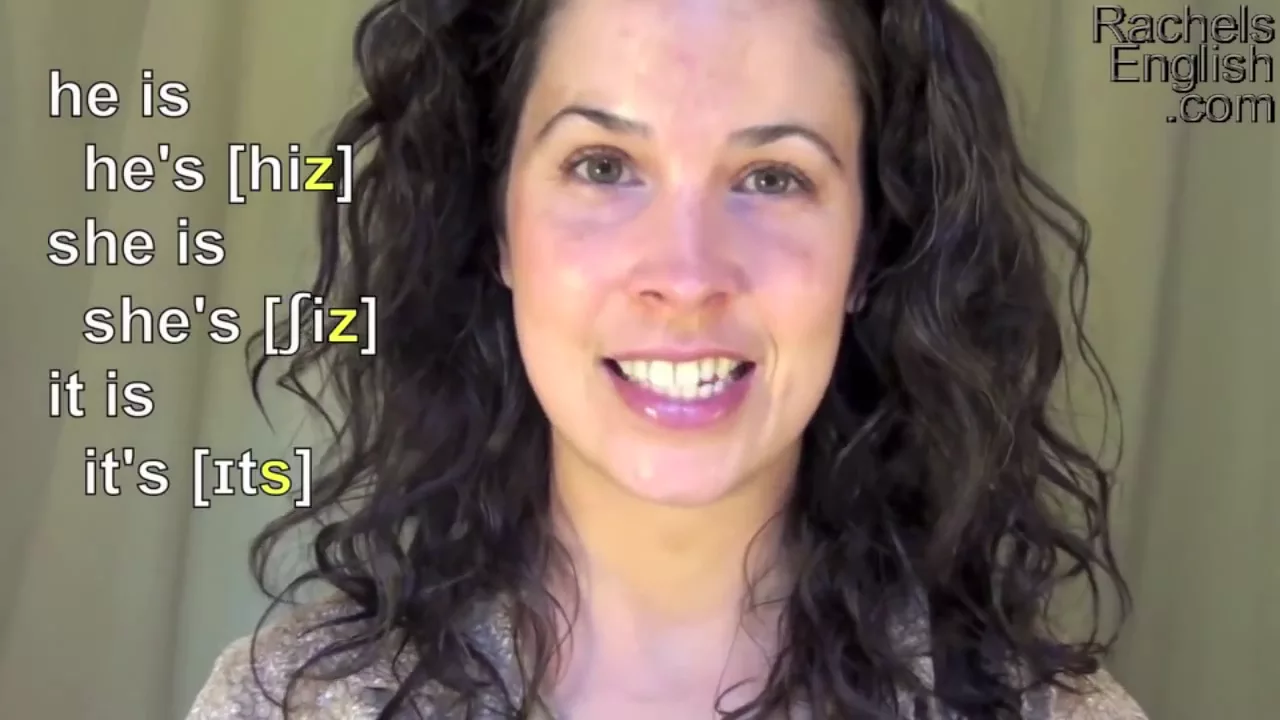
I've had some requests to go over the pronunciation of various contractions so let's start with the 2B contractions as in I am you are we are first I'm I'm it's one syllable the I as in b thong and the M consonant sound I'm here I'm here you are you're begins with the Y consonant sound then the schah and finally the r consonant sound you're you're you're here you're welcome he's she's and its now the apostrophe s for the word is in these three contractions is pronounced as a z sound for he and she and has
an S sound for its he ZZ z sound she's ZZ z sound it s sound the apostrophe s in he's she's and its can also be shortening the word has not just is he has he's been here before she has she's she's been here before it has it's it's been here for a while were begins with the w consonant sound it then has the schw r sound combination just like the r as in her vowel sound w w so even though it would be written with two different symbol sounds it's just the one R sound
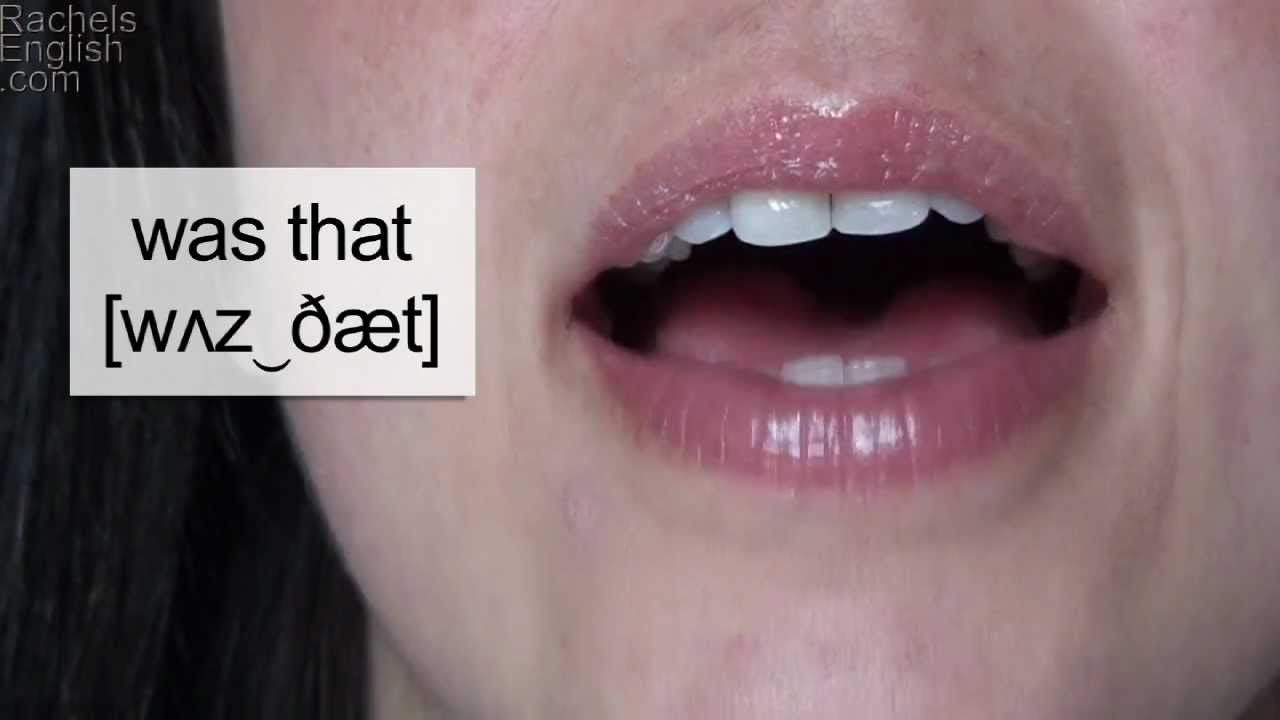
were were we're coming there pronounced just like these two words there the the voiced th sound the the e as in bed the the the schw r sound finishing off the word there there they're here question words are often part of contractions as as well for example how is how how's the S is pronounced as a z sound how how's it going wise why is wise again it's pronounced like a z sound it's pronounced just like this word Wise Wise why is it there what is what so the apostrophe s is pronounced as an S
what's now make sure you get the T for what in there it's a stop what not just an S sound what so do move the tongue up to the roof of the mouth to make that stop for the T what's what's what's it doing there the apostrophe s can also mean the word does what does what's what's it mean when when is becomes when Z here the apostrophe s is pronounced as a z when's When's when is when's it over the apostrophe s can also mean does when does when's again pronounced as a z when's
it end when does it end when's it end the have contractions these are written as apostrophe V and when the word before ends in a vowel or diff thong sound it simply adds the V consonant sound to the end of that syllable I I have I've I've vvv I've been waiting you have youve youve again the word youu pronounced just the same only with v a v sound at the end uve the Y consonant sound o as in Buu vowel and the V consonant sound you've you've been waiting we have weave the W consonant sound
the e as in she vowel and the V consonant it's pronounced just like this word weave weave we've been waiting they have vve vve the voiced th sound V the a as in say d thong they they V and the V sound they they've been waiting the next set of words with the have contraction all end in a consonant so rather than just adding a v sound it actually adds another unaccented syllable the schah sound followed by the sound for example could have could have could have of of of separate extra syllable at the end
could have I wish I could have seen it should have should have should have of of I should have known would have would have W have again it's the first syllable W that is stressed and DV is short and low in pitch and volume would have it would have been nice might have now the T here is going to be pronounced as a flap T so it'll actually sound like a d might of Might of do do might do might have I might have gone the will contractions all of these contractions have a dark L
that is added at the end I've said before the dark L has a vowel like sound that's not written in IPA before the tongue moves up into the final position so let's take example i i i o o that dark l sound on the end I will I'll I'll be there soon you will you you dark L at the end youu you'll need to come quickly with the he will and she will contractions the E vowel might relax a little bit into the e as in sit vowel he will heal H he'll be here soon
she will she'll becomes more with the I sound sh sh she'll be here soon it will it'll it'll notice the t is pronounced here as a flap T the D sound it'll it'll be okay with the we will contraction you might find again that the e as in she vowel relaxes into the I as in sit vowel we will will will it sounds a lot like the word will we'll be there tomorrow they will they they the th V voiced sound as as in say dong and the dark l sound o they they'll be here
soon how will becomes how which sounds just like this word how how will how how will you get there where will becomes WHL WHL where where will you be when will when when when will I see you again what will again the T here will be pronounced as a d it's flapped wle wle and and you'll notice the contraction adds a second unaccented syllable W what will it be the words had and would can both be represented by the apostrophe D in the word I I it's simply a D sound at the end of the
I as in by D thong I I'd go if I could you would or you had you UD the Y consonant sound the U as in Buu and the D sound UD all one syllable you'd like it she had or would and he had or would again the apostrophe D simply as the D sound at the end of the syllable she' he' she'd been there before he'd been there before it now when you add the apostrophe D here ited ited you change the T to a D sound and the apostrophe D adds a syllable it's
going to be the schah and the D sound ited ited so that's the I as in sit sound I the dwah D sound ited ited it would be nice the apostrophe D with the word we again is just simply the D sound at at the end of that word not adding a syllable weed weed it's pronounced just like this word weed we'd better get going the D with they again simply adds the D sound they they they'd seen it twice before the apostrophe D on the word how again just adds the D sound how how
how how'd it go the apostrophe can also represent the word did as in the following two examples again with the word where when you add the apostrophe D you simply add the D sound at the end where weed where did it go why did wide wide again just adds a D sound and it's pronounced just like this word wide wide why' you do it