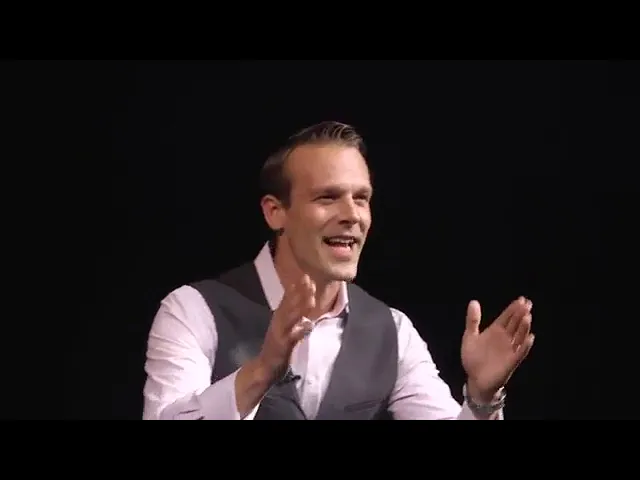
so I've been teaching body language for a very long time it was actually one of the first trainings that I developed and I've had the opportunity to share this pretty much all over the world I did it in Europe I did it in South America I've done it in Canada and the US all over and I have really one lesson that I want to make sure that everybody here walks away with this one thing if you get nothing else from this talk I want this to sink in if you're not careful your body will betray
you it will tell me all of your deepest darkest secrets I'll know what you're thinking before you even say it and I'll know that if I ask you hey what's wrong and you say nothing I'm going to know and I'm going to call you out on it if you're not careful your body will betray you and that's the entire concept of the talk today of learning about body language and what that means for being able to explain explain or predict other people's behavior as part of the behavioral intelligence model so when we look at body
language we got to understand that there is so many different messages that we take in off of the way that somebody communicates a guy by the name of Albert morab and came up with this concept that communication can really be broken down into three different things we've got body language as one we have tone and inflection as the other and we have the spoken word the actual language that we choose as the third and there's a percentage that correlates with those 55% coming in from the body language perspective 38% coming in from the tone and
inflection leaving am measly 7% of our message that comes from the language we choose and I know now wait a second let's think about this how many of you have practiced a speech or a presentation and you sat there you spent time combing over the words looking at exactly how you wanted to frame something well congratulations you spent all of your time prepping for 7% of your message when in reality it's all about the tone and inflection and how you're delivering that message that becomes the most important element of the message so if we learn
that and we understand that and we can explain how people understand our messages when we communicate them we can start to utilize different body language patterns that help to build rapport things such as being open having your hands visible because this could be dangerous could have a weapon or something that's how the lyic system of the brain understands but when somebody comes to us with open arms or they're standing there and they're smiling and they look warm and inviting did you know that we're actually more inclined to believe what they have to say so not
only do does the speaker or the networker become more persuasive but people like them more and if they like you they'll do business with you if they don't like you they will not do business with you so when we look at this whole body mechanics and the body language and we're going to talk a lot more about that today as we get into the real mechanics of shaking hands folding your arms your facial expressions and micro Expressions as we start to look at all of those different elements the thing that I want to stick in
your brain is if you're not careful your body will betray you but if you are careful you can use your body language to build an effective persuasive message that will help you build liking and if people like you they're going to do business with you