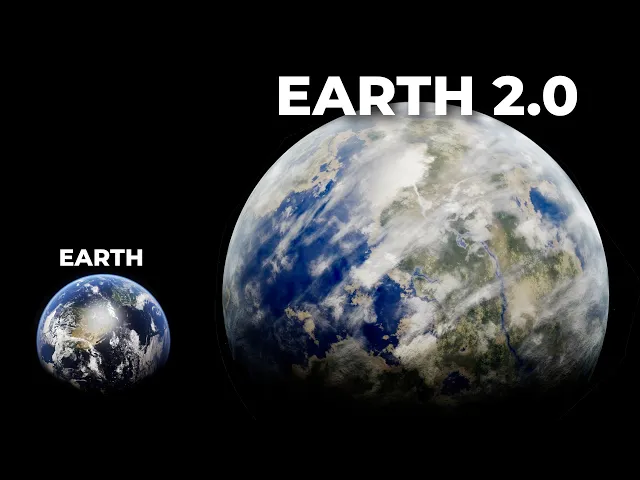
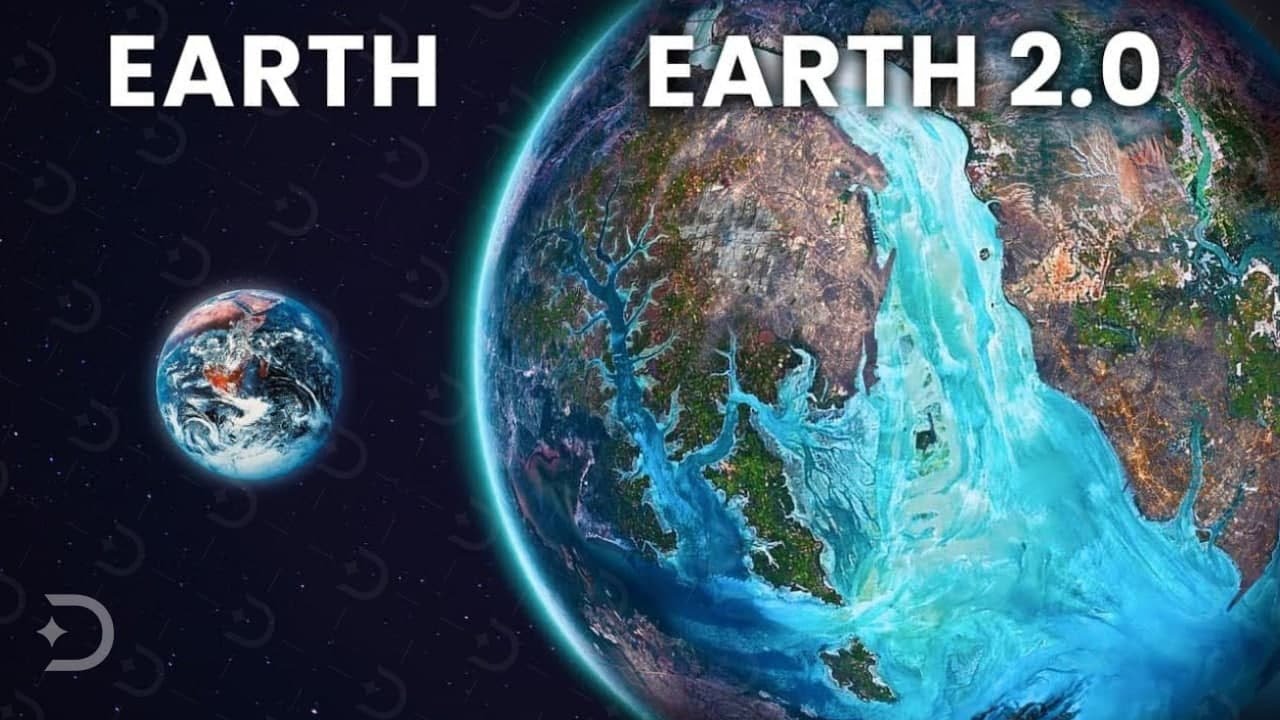
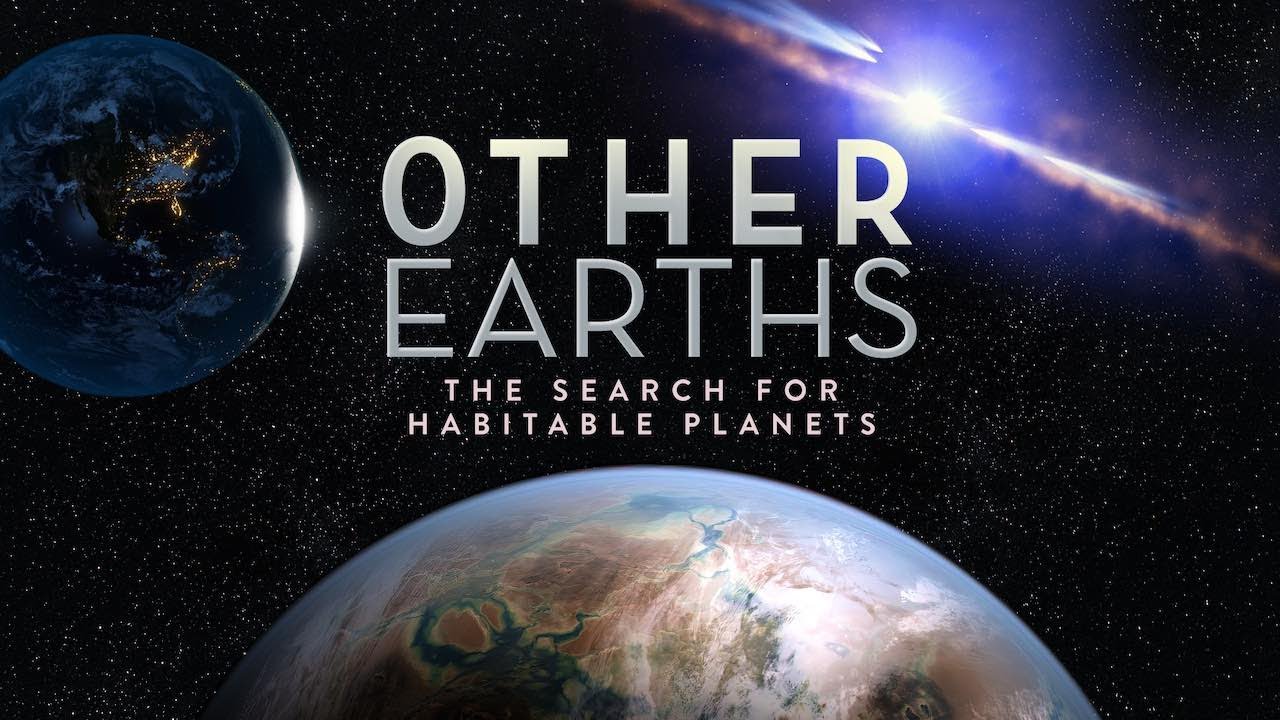
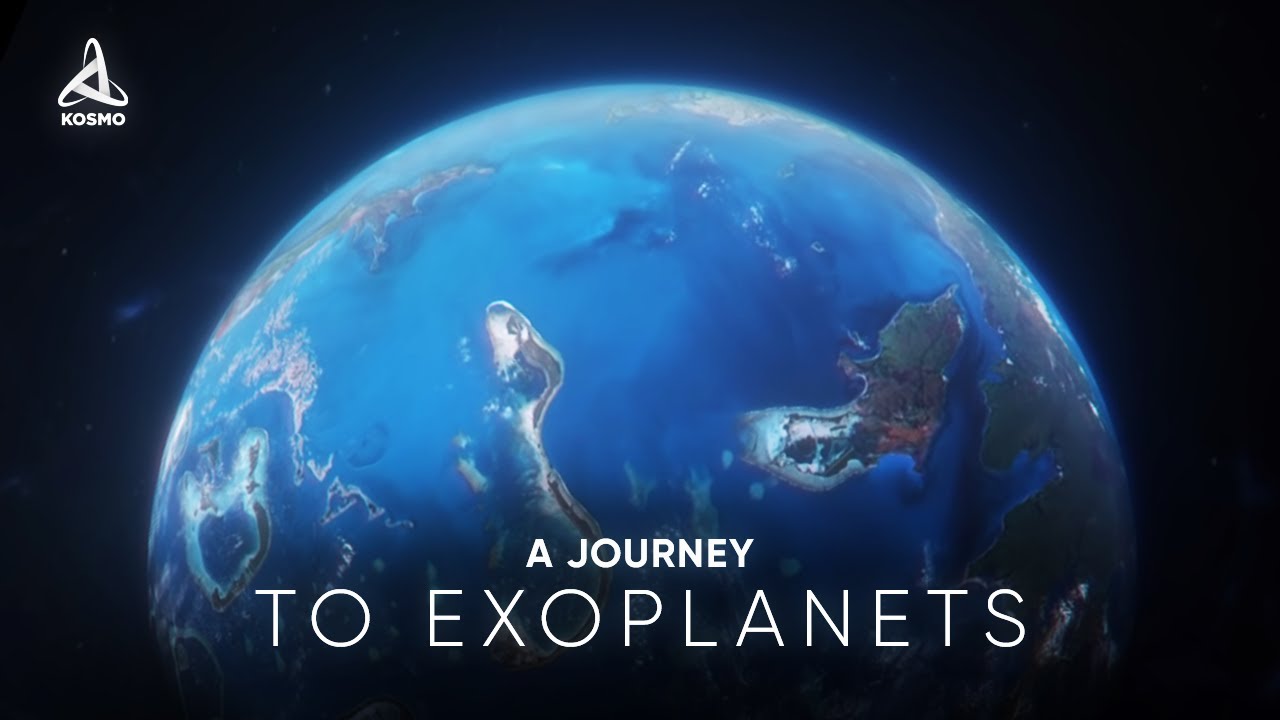
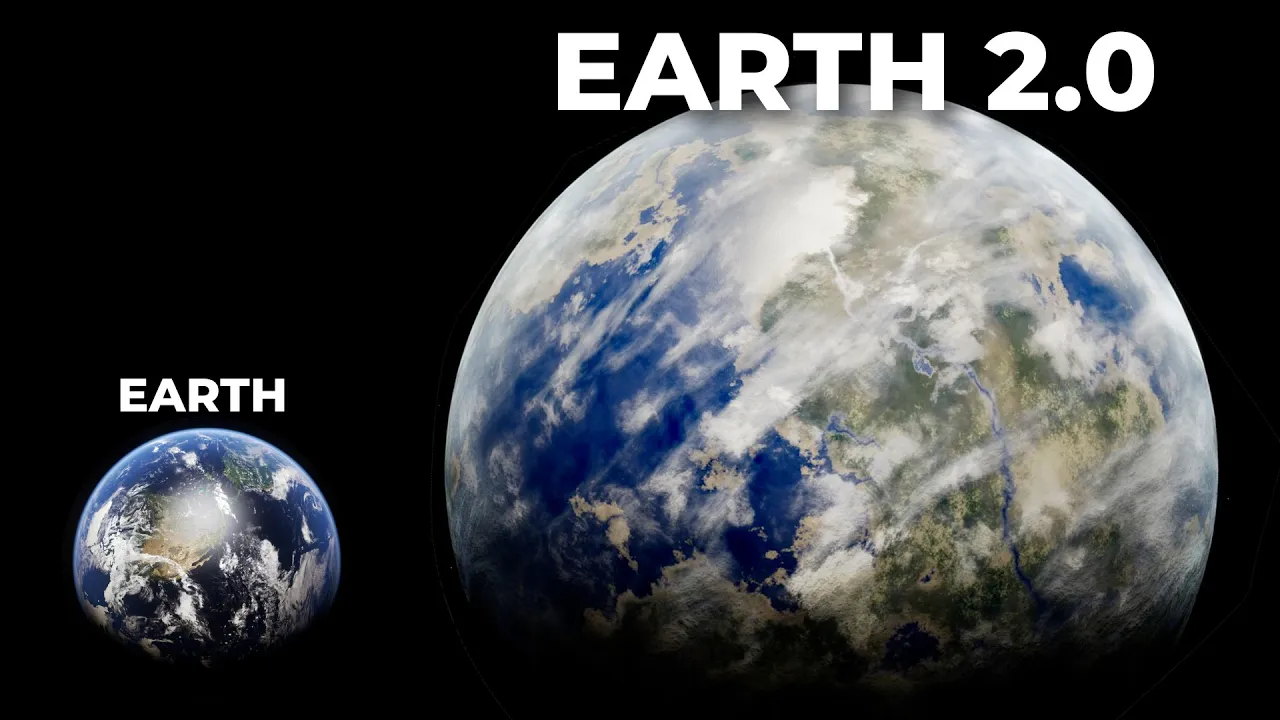
close your eyes and imagine a planet where the ground beneath your feet is so heavy that you'd weigh two or three times what you do on Earth where the sky is dominated by a massive close-in star and where the air is thick making it hard to breathe welcome to the world of super Earths a new class of planets that are Earth-like but more massive than our own a world where the Giants rule this is galise 667 CC a super Earth about four times the mass of Earth super Earths are a fascinating new class of planets
that share many similarities with Earth but their sheer size and gravity make them unique they can have rocky icy or a combination of both surfaces with geological features that can be more extreme and noticeable than those found on Earth mountains volcanoes and canyons on these planets could be taller larger and more spectacular than anything we've seen on our own planet one of the most intriguing things about super Earths is that they are far more common in the Galaxy than Earth-like planets in fact they are estimated to make up a significant portion of the planets in
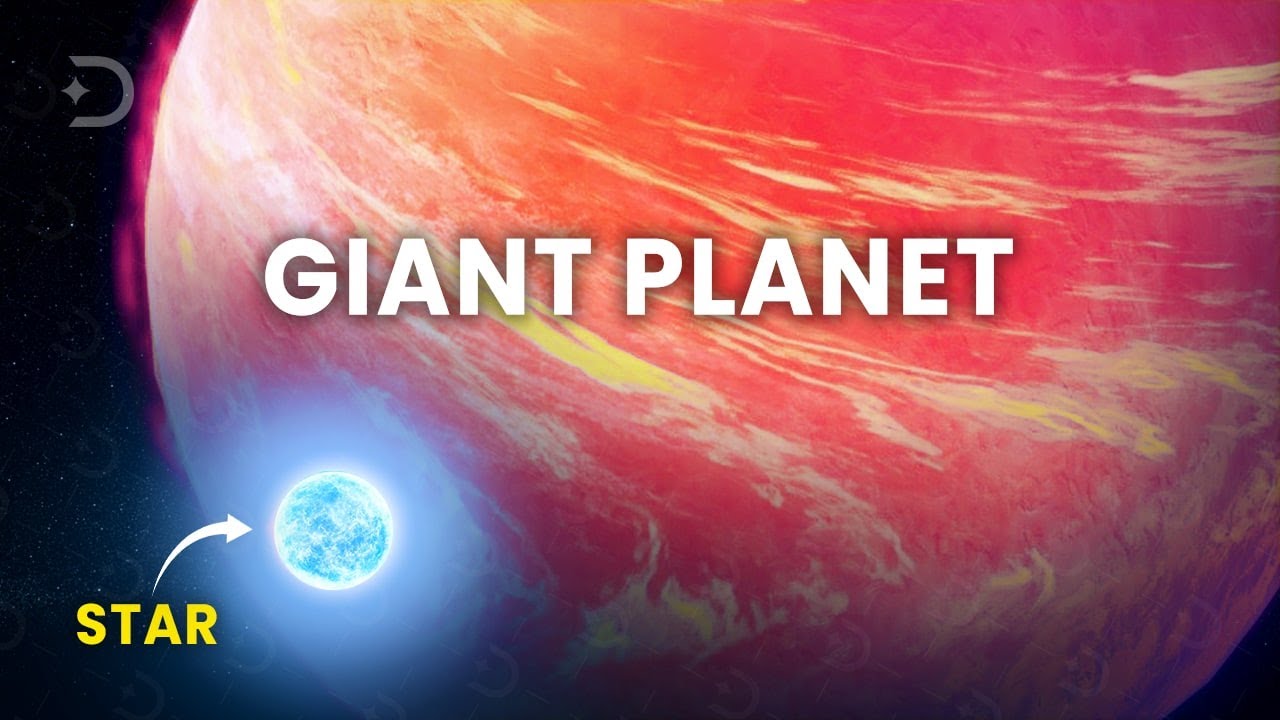
our galaxy with studies suggesting that one-third of all stars in the Milky Way could have super Earths in their habitable zones while many super Earths are not considered habitable in the traditional sense some of them may be super habitable these planets have the potential to be even more suitable for life than Earth itself they could be older larger warmer wetter with higher levels of oxygen stronger magnetic fields and a longer living star picture yourself standing on the surface of Gilles 667cc as you look up to the sky you'll see a massive close-in star dominating The
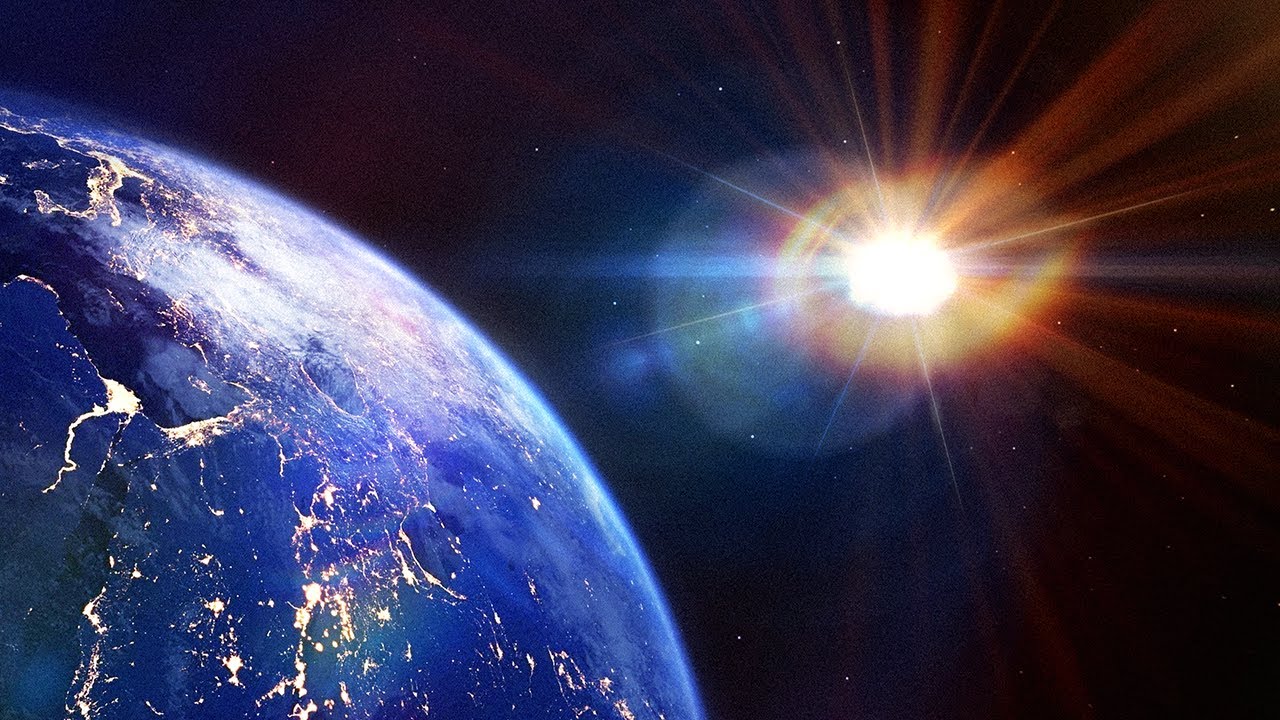
Horizon which is the parent star of the exoplanet and two other stars Illuminating the sky that make up the Triple Star system Gilles 667cc completes one orbit around its star in just under 30 days it's located just about 7 million kilometers or less than 5 million miles Mercury is 57 million kilometers from the Sun by comparison its star a red dwarf belongs to the m-type star category which are the coolest and most abundant stars in the universe with lifetimes that can last trillions of years these stars have their habitable zone very close to the surface
for comparison our sun is a g-type star these are medium-sized stars with surface temperatures between 5 000 and 6000 Kelvin they emit radiation mostly in the yellow part of the spectrum and have lifetimes of around 10 billion years interestingly K Stars which have properties intermediates of G and M stars are considered to be the sweet spot for habitability they are abundant in the galaxy and pump up the chances of finding life on Earth it took 3.5 billion years for complex life and 4 billion years for advanced life such as humans to evolve if life were
to originate on a planet orbiting a k-star there would be more time for evolution to take place compared to Earth this is because super Earths which are planets larger than Earth but smaller than Neptune could provide more land mass and habitat making them more suitable for life to thrive additionally super habitable worlds may have higher gravity and a thicker atmosphere which could help spread beneficial organisms potentially leading to a more diverse ecosystem planetary scientists suggest that the sweet spot age for a super habitable exoplanet is around five to eight billion years which would provide enough
time for complex and advanced life forms to develop planets with more moisture and an average surface temperature 8 degrees Fahrenheit warmer than Earth may be more habitable because warmer and wetter climates tend to have more diverse life in fact some super habitable planets may even resemble Earth during the Carboniferous period about 359 million years ago when the climate was similar to a tropical rainforest there might even be phytoplankton covering large areas of the ocean perhaps as large as continents on earth with the possibility of such diverse and complex life forms on super habitable exoplanets the
next generation of enormous ground-based telescopes including the 39 meter extremely large telescope and the 25.4 meter giant Magellan telescope will have the highest prospects of discovering indications of life in the atmospheres of these planets these telescopes currently under construction are expected to gather data by the end of the decade astronomers are aware that life's essential components are present in the universe but livable does not imply inhabited and even the most habitable planet may not be inhabited it's plausible that life on Earth was truly an exceptional accident until scientists discover proof of life elsewhere in the
universe if scientists continue to hunt for signs of Life on these extremely livable super Earths over the following years and don't find any people might be forced to believe that the universe is a lonely place foreign [Music]