there's one technology that's already being used by millions of people around the world that has the potential to define the next decade of technological progress facial recognition facial recognition systems work by matching an image of a person's face to a previously held image of them the technology is powered by artificial intelligence and it can be used in a number of different ways from unlocking mobile phones to real world events it's been used at protests sports matches and at concerts police say it can be used in public spaces to improve security by helping to locate dangerous
people and suspects the rapid increase in the use of facial recognition has proved to be hugely divisive there has been a lack of transparency around how the technology is being used critics claim the systems are unreliable and erode people's privacy there are broadly two types of facial recognition systems that are used the first doesn't work in real-time it's static and uses individual images if you have a photo of someone is possible to compare against the database of tens thousands or even millions of images to find a potential match this type of facial recognition technology could
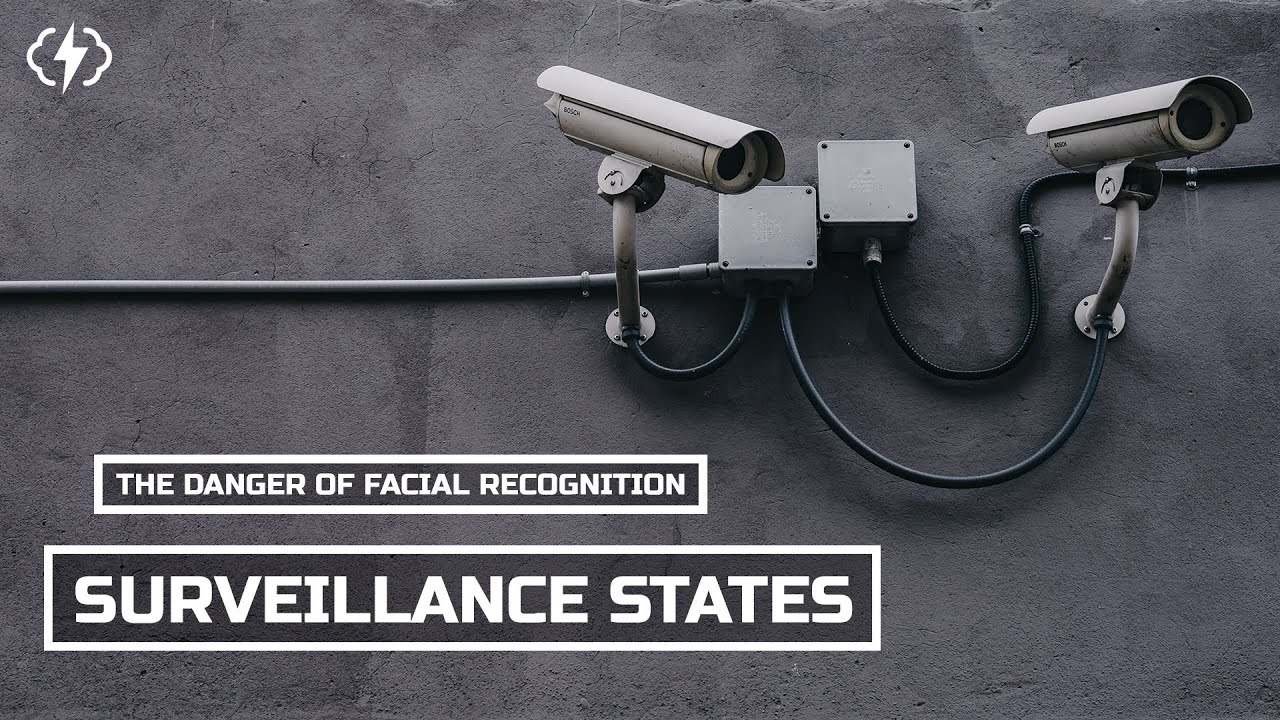
be used on one individual computer or powered through the cloud police in the UK have used this type of facial recognition system with images captured from CCTV cameras the second type of facial recognition system is more dynamic and therefore more controversial it works in real-time it's called automated facial recognition it all starts with cameras that can be positioned in public places such as outside shops or on high streets the image is captured by these cameras are then processed by artificial intelligence software it's able to pick out humans and their faces from other objects around them
such as cars lampposts and street signs the faces that analyze in a matter of seconds and compared to images that are already held on a database the systems that are currently being trialed can identify tens of faces in one image they can also scan huge crowds with very little effort when a match is made police can receive a notification telling them about a potential suspect on the ground they're then able to go and identify and locate them the facial recognition systems used to unlock mobile phones work in a similar way they identify our likeness in
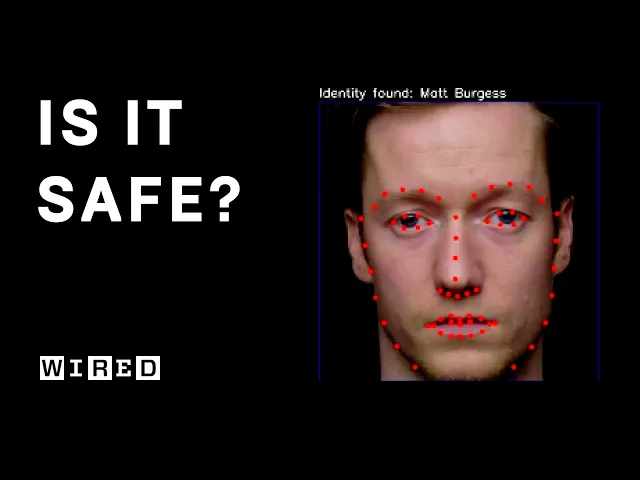
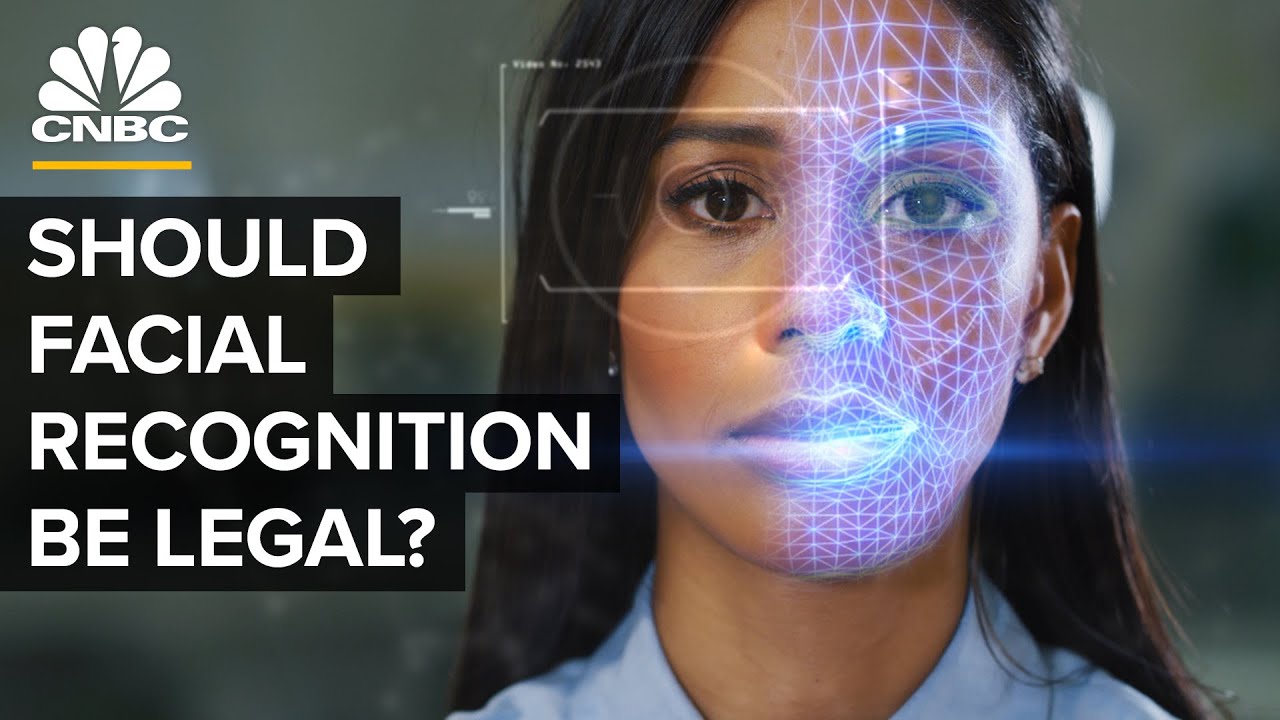
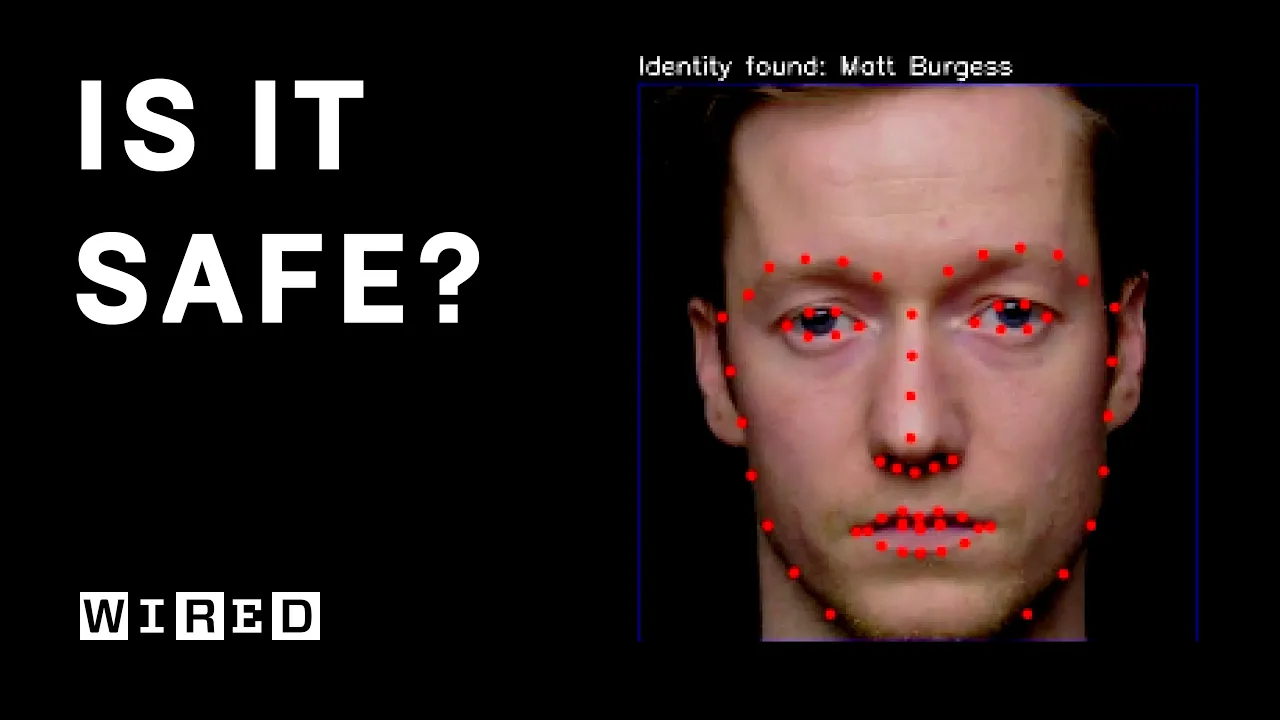
real-time but there are some differences the systems on our phones are only trained to recognize one they work at short distances and crucially they have to be opted into by the phone's owner facial recognition systems are looking at your face in the same way that a human would instead they process biometric markers on your face for instance the gap between your nose and lips or the width of your eyes an algorithm can essentially create a map of your face by combining different measurements and personal traits much like your fingerprints your face is unique to you
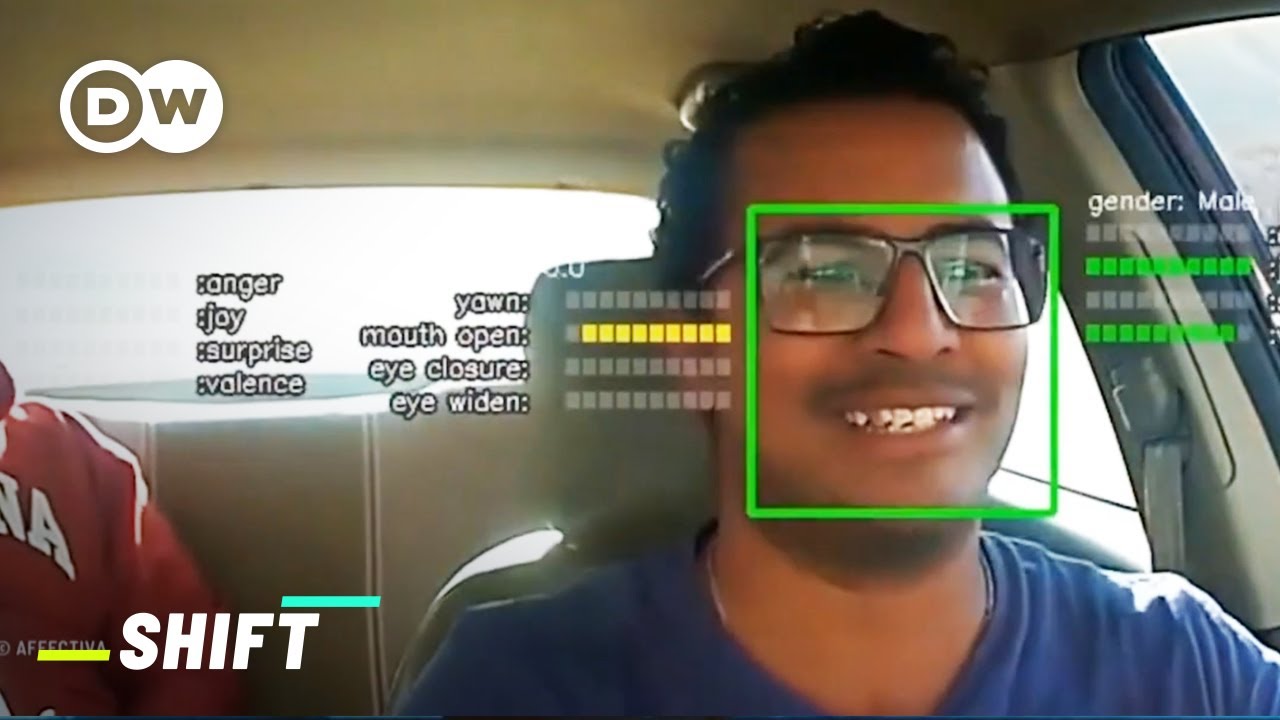
it can't easily be replicated around the world facial recognition has been used in lots of different ways airports are using the technology to verify people's identities shopping malls of experimented with emotion tracking in Taylor Swift's reputation tour it was used to spot stalkers China has tracked weaker Muslims throughout the country and police in the UK and US have used the software to arrest alleged criminals so what's the danger with facial recognition this is where it gets complicated questions have been raised about bias and data sets accuracy and the ethics of facial recognition deployments essentially a
facial recognition system is only as good as the data that has been used to train it researchers in scientific labs can get the technology to be highly accurate they use high-quality images of people showing their full faces in well-lit conditions when they do this they can get matches nearly a hundred percent of the time but when the text being used in the real world this is when things can get messy things don't work as well when CCTV cameras are low quality and people are moving around cameras can't capture people's faces as well in poor quality
lighting conditions one of the first uses of facial recognition technology in the UK was at the UEFA Champions League final in 2017 South Wales police received 2400 alerts of possible matches less than 200 of these were right the risk is people who are criminals get identified as potential suspects and then receive unwanted police attention and then there's the issue of bias a study by MIT Media Lab has found problems with Amazon's facial recognition technology the system could identify the gender of lighter-skinned men but it mistook women for men 19 percent of the time on top
of this in mist of dark-skinned women for men 31 percent of the time the danger here is AI systems won't treat people fairly in May 20 19 lawmakers in San Francisco banned facial recognition technology from being used this is massively significant as Silicon Valley is the home of big tech both Amazon and Microsoft have said there needs to be rules put in place to control facial recognition the main argument in favor of the technology is to help improve law enforcement and increase security police say that facial recognition technology can be used to help find suspects
in large crowds they argue that this can be cheaper more efficient and help to reduce crime in a certain area is this going to end up with us living in a dystopian society well it's too early to say but one thing's for sure facial recognition is going to be debated for years to come police government and law enforcement are going to increasingly use the technologies in live deployments the key issue is that the technology is still being developed without control there's a danger we will rely on facial recognition technology when we don't know whether it's
safe or accurate and at that point things will be too late you