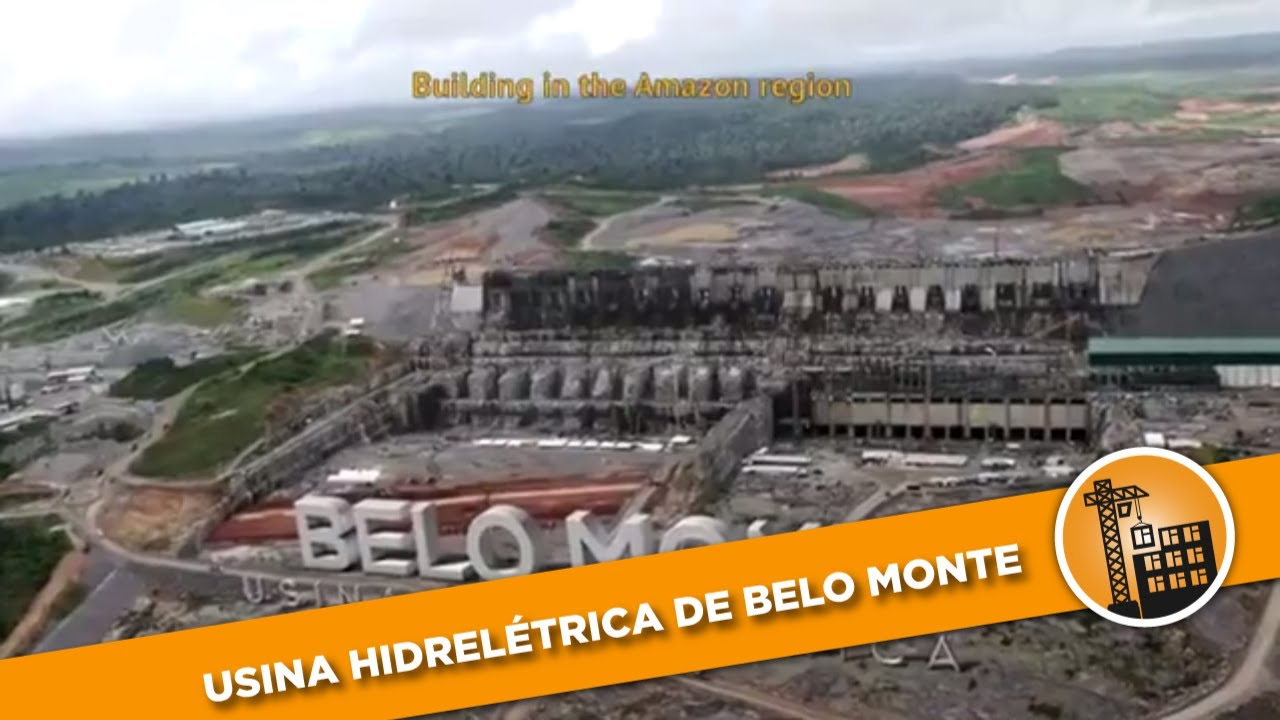
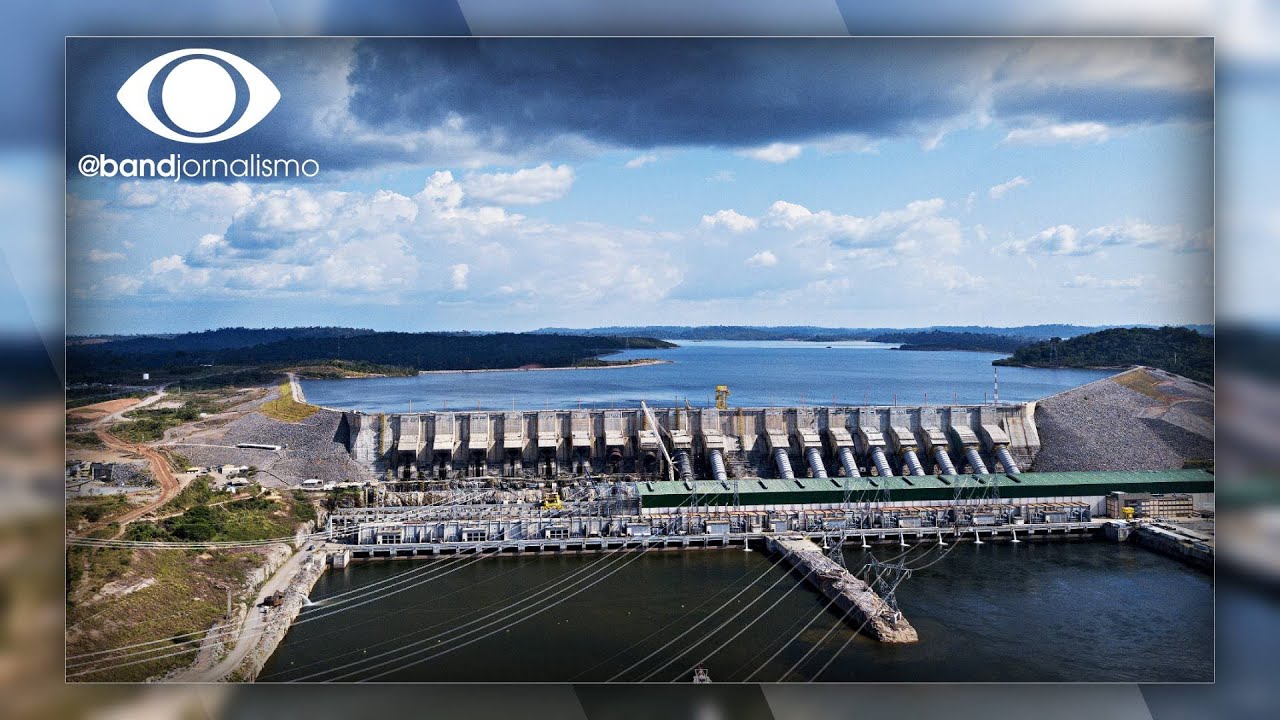
The Belo Monte dam, which began to be built in 2011, will be the third largest in the world in generating capacity some 11,233 megawatts, enough to supply a population of 18 million people. Belo Monte is located on the Big Bend of the Xingu River, a region traversed by the Transamazônica highway and now in an advanced stage of occupation. The Folhacóptero will swing through this area to explain this project.
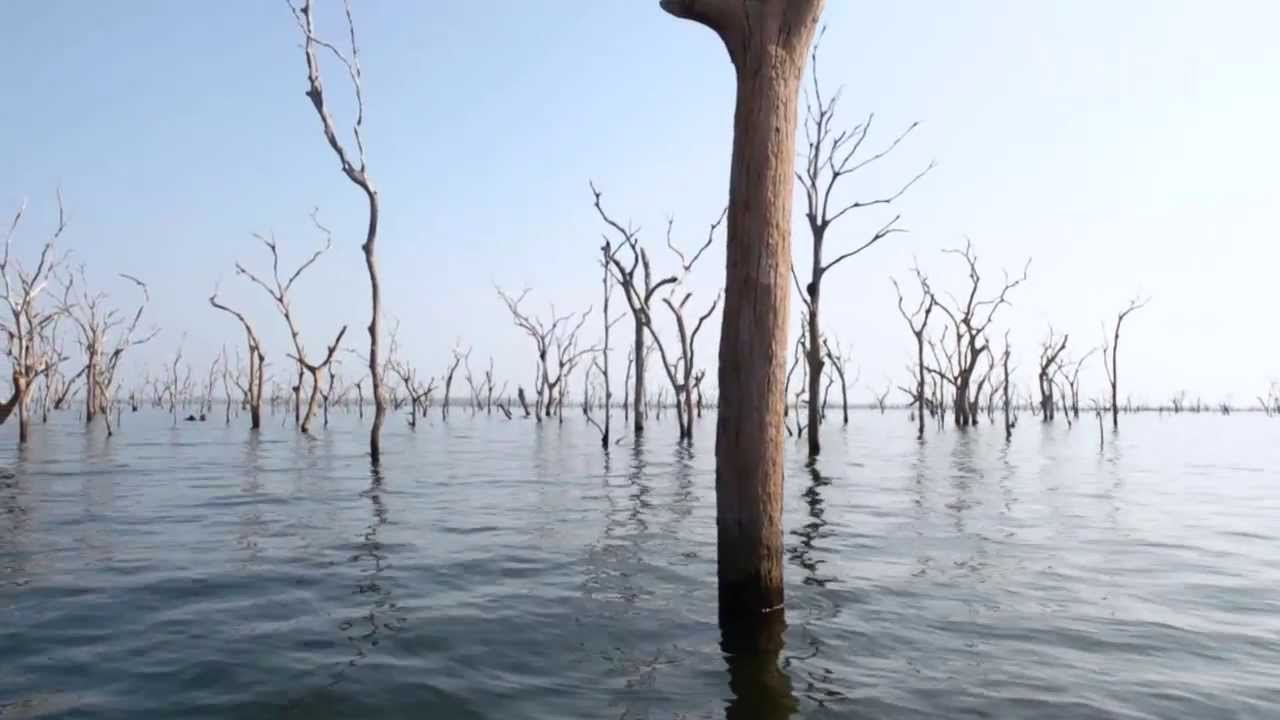
At the start of the Big Bend curve in the Xingu, is the Pimental site, 40 km from Altamira, where one dam will be built. It will provoke the upstream permanent inundation of the riverbed that now only completely overflows during the wet season. Part of the river water will continue to flow around the Big Bend, but with a reduced flow rate, as if the dry season had become a permanent one.
This is the main fear of the Xikrin, Juruna, and Arara tribes and of the riverbank dwellers who inhabit this curve in the river, all of whom depend on the Xingu. The auxiliary powerhouse of the dam is located at the Pimental site. Its horizontal, bulb-type turbines don't need a drop in the water level to function.
They use the normal flow of the river. These turbines will generate a very small part of the dam's total energy, only 2% of it. Most of the energy will come from the main powerhouse at the Belo Monte site.
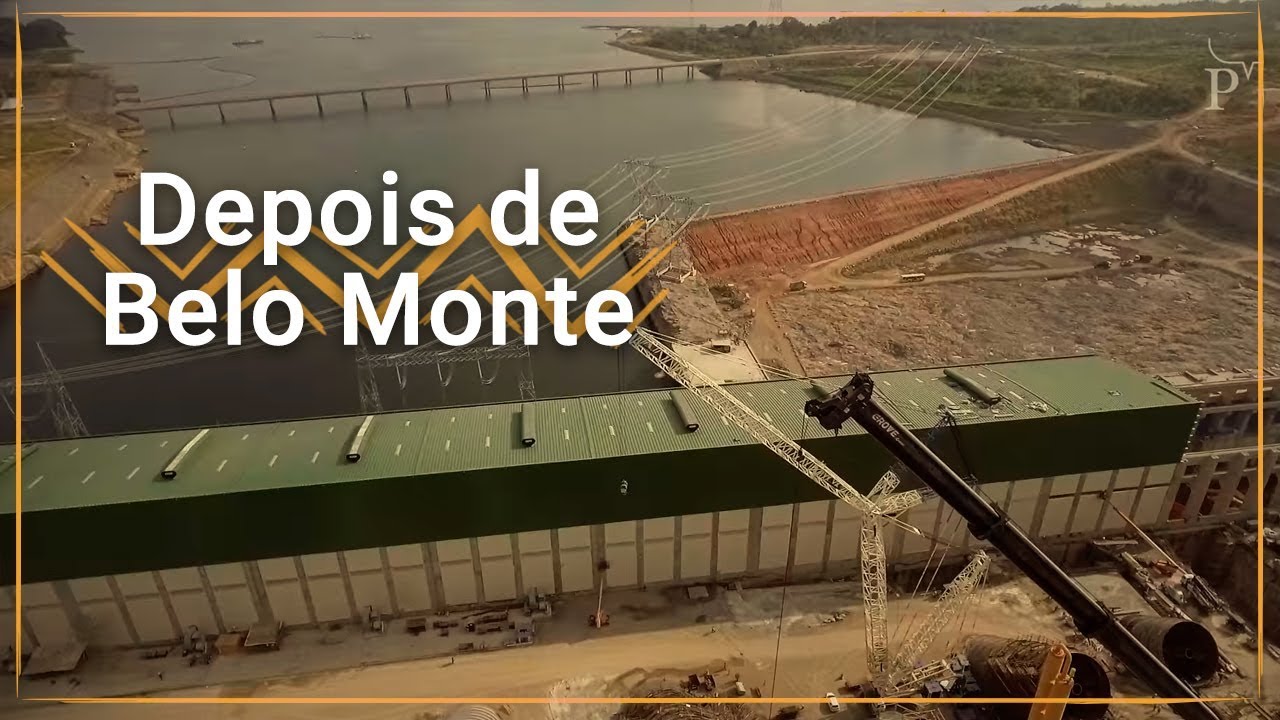
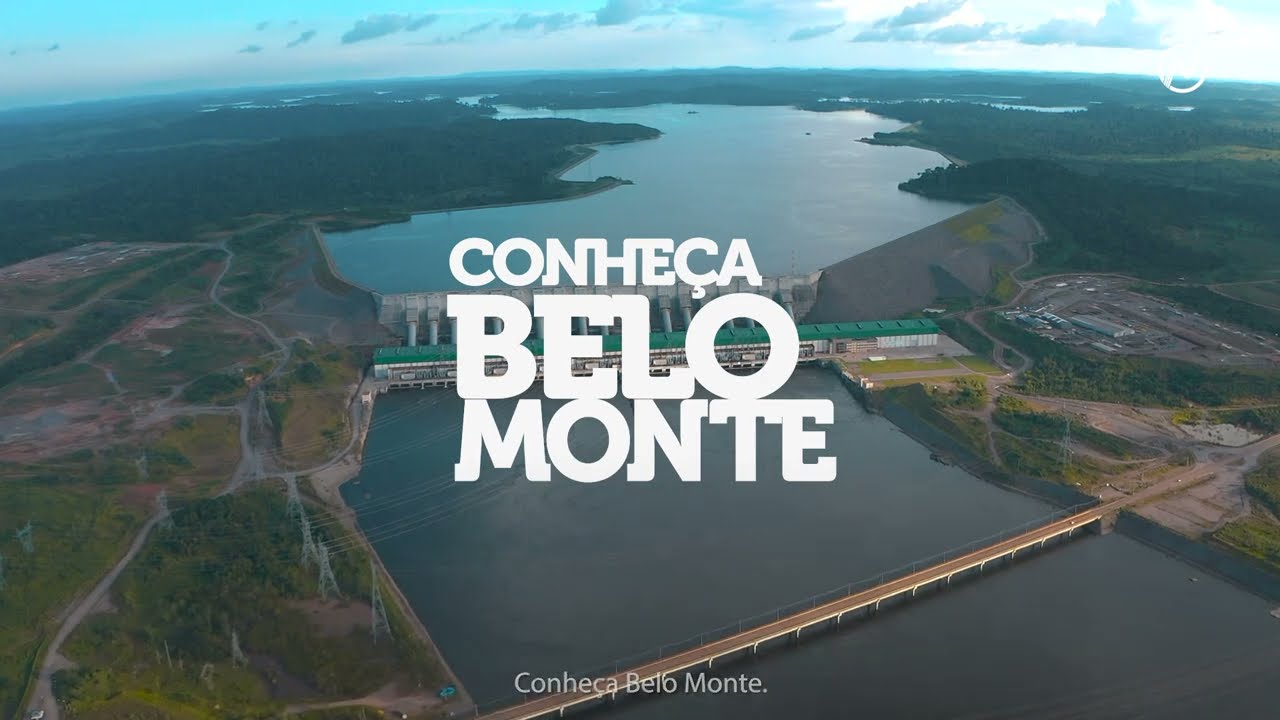
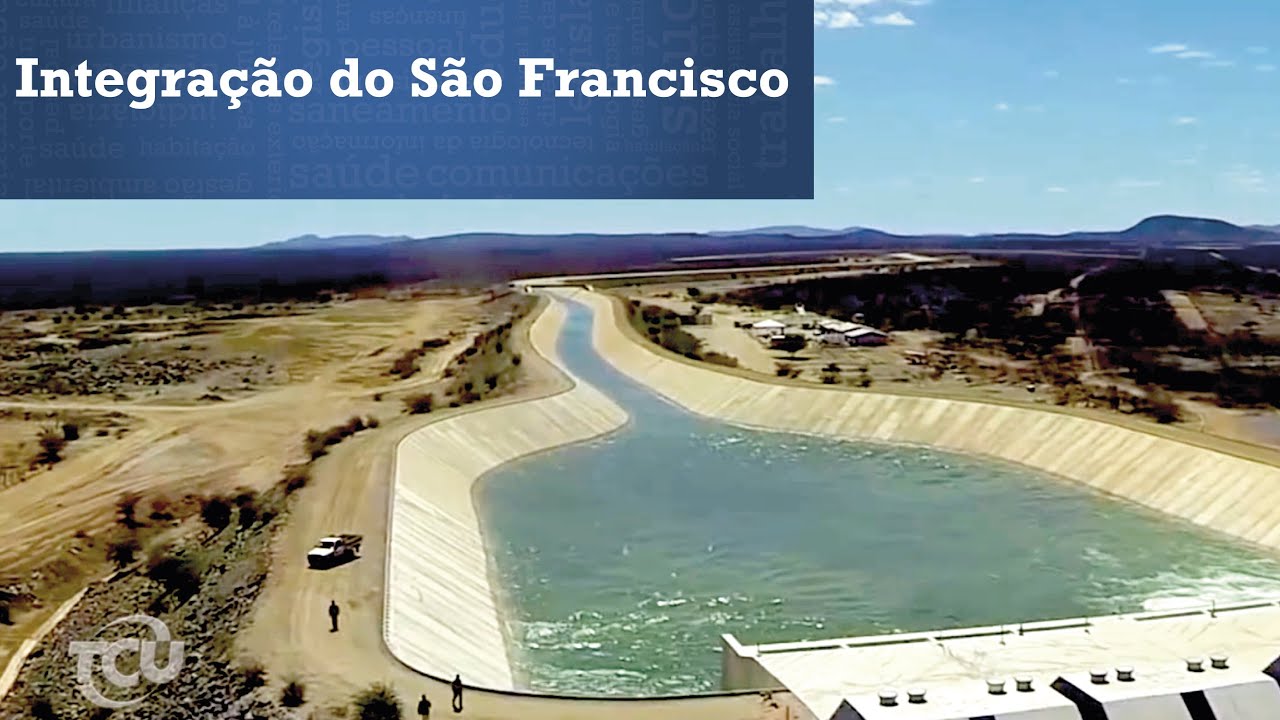
The water from the Xingu will be diverted by the Pimental dam to the main powerhouse via a now-being-excavated canal. It will be 20-km long, 200-m wide, and up to 22-m deep. The water diverted through this canal will fill a 130-km² reservoir.
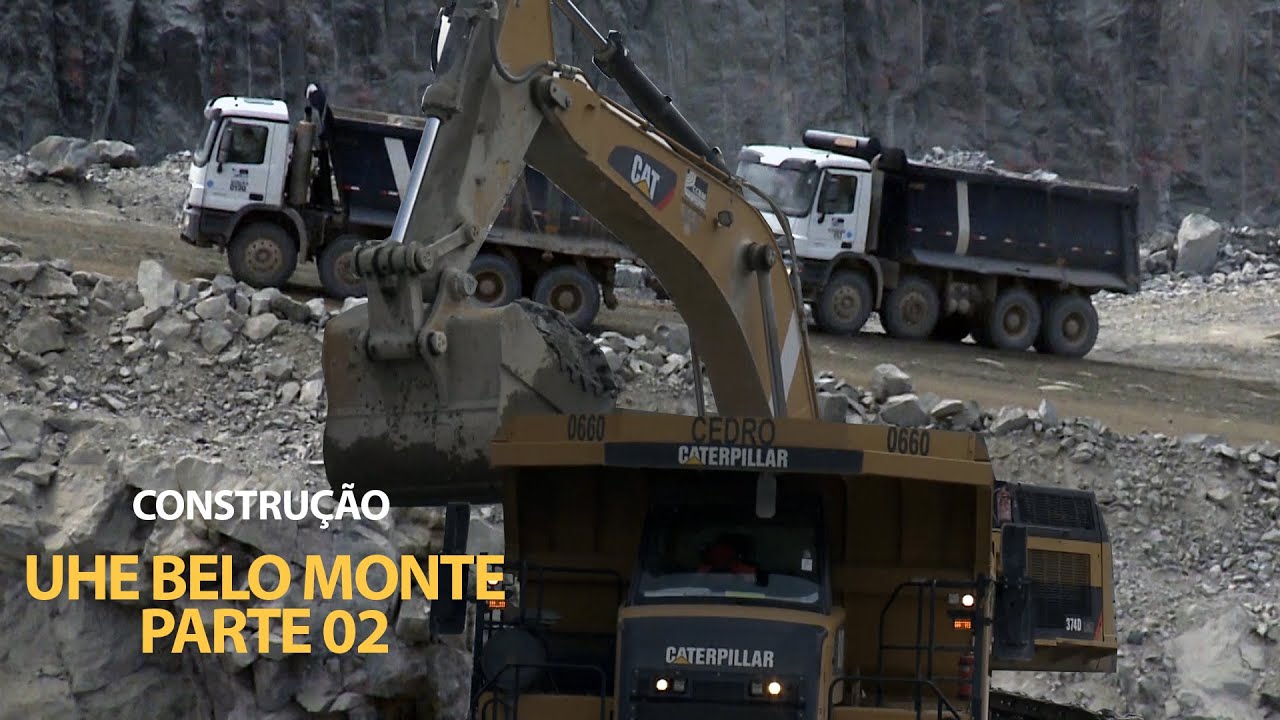
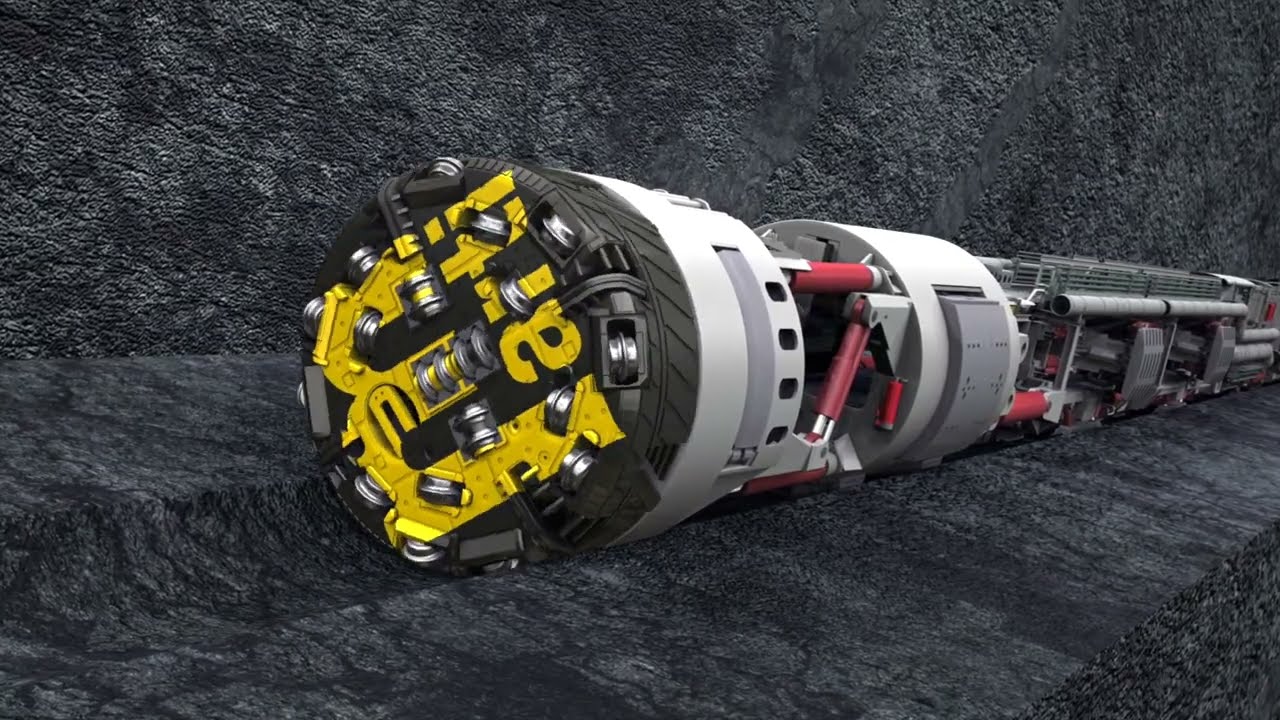
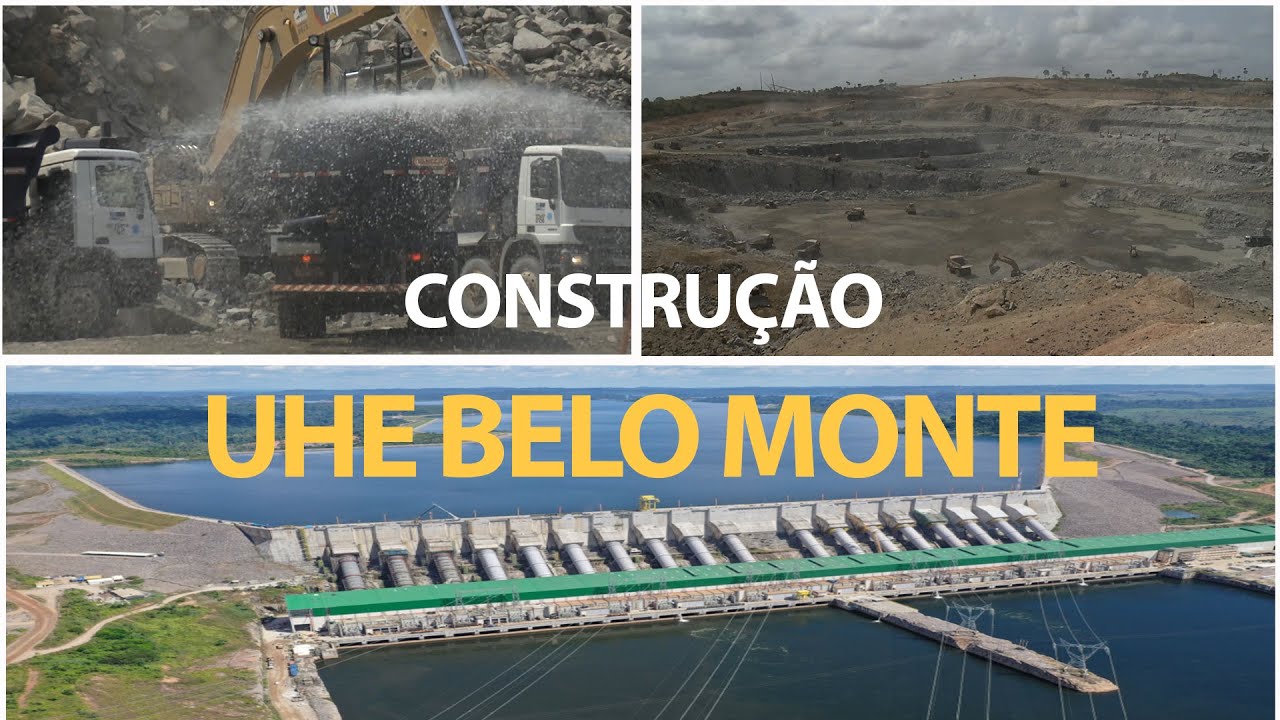
The most complex part of the project is the dam's main powerhouse, to be built on the other side of the Big Bend. A block-shaped recess 850-m wide and more than 100-m high has already been excavated out of the rock. Here is where the actual dam, technically speaking, is being constructed.
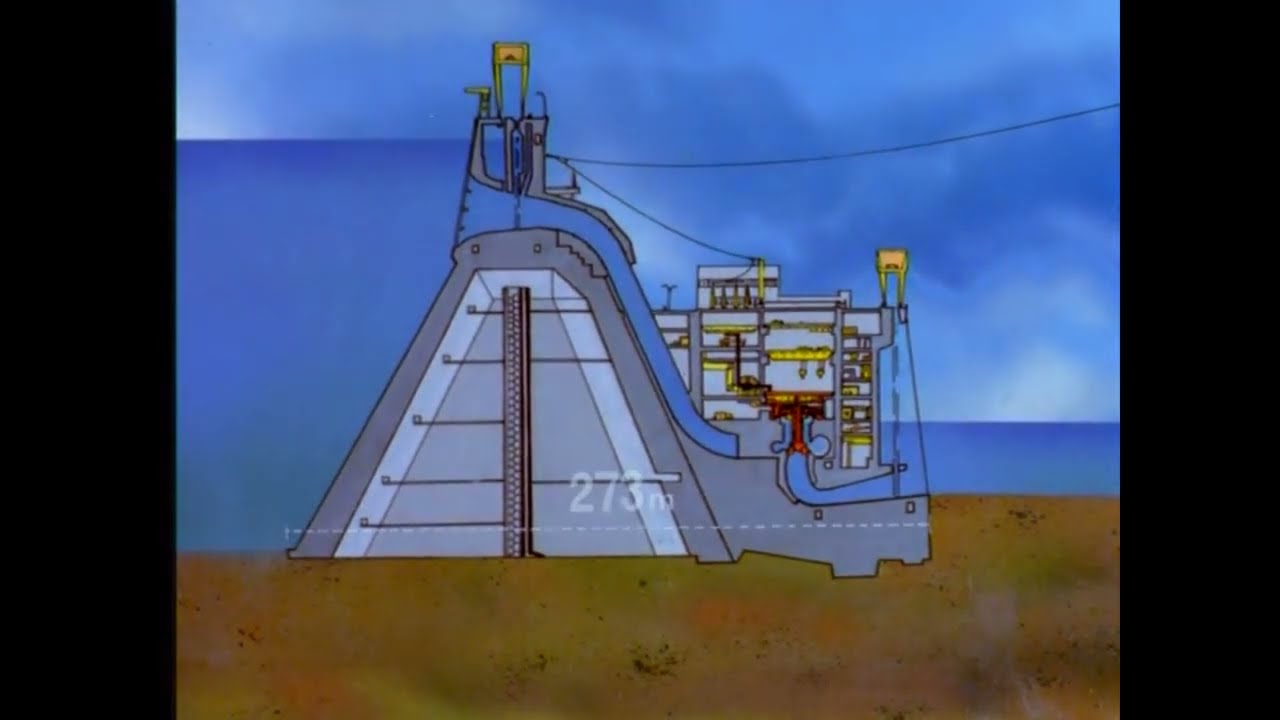
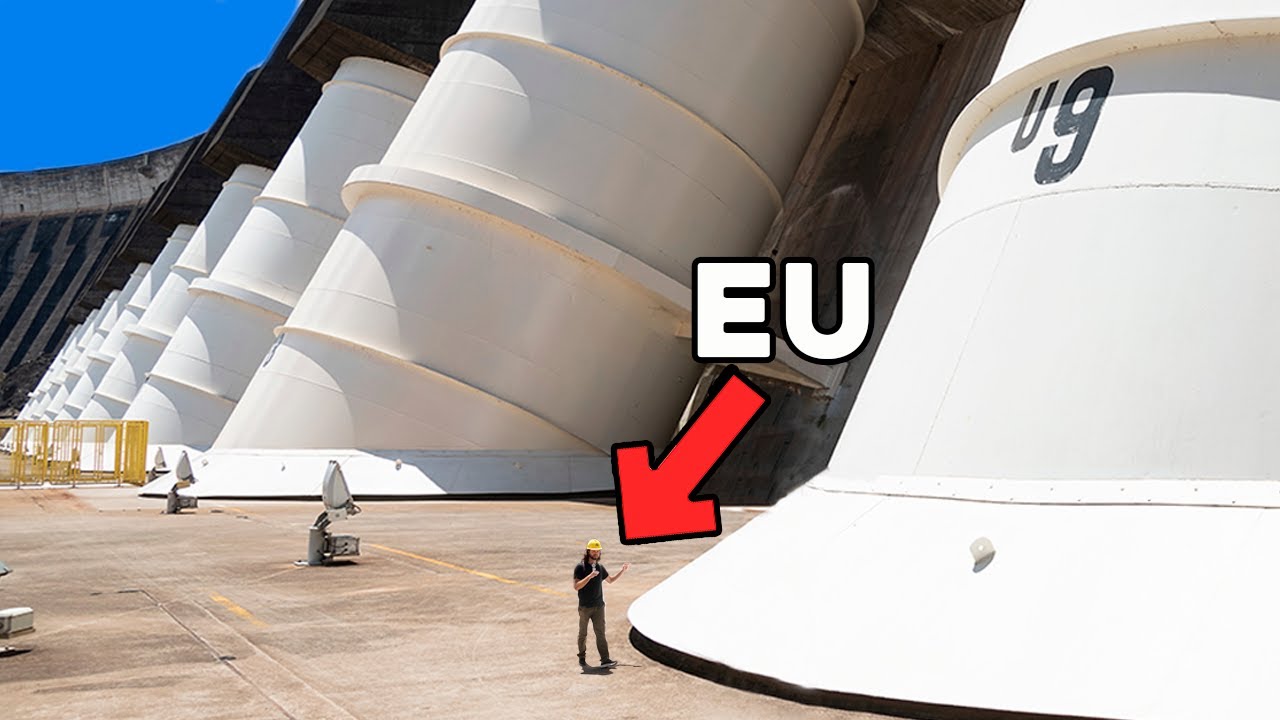
When it is completed, water will fall through ducts at a flow rate of 775 cubic meters per second. This means that every three seconds a volume of water, equal to that of an Olympic-size swimming pool, will pass through each of the main powerhouse's 18 vertical, Francis-type turbines. After passing through the turbines to generate electricity, the water will rush under a bridge that spans the Transamazônica highway and will again become part of the natural flow of the Xingu River.
In the next six years, the country will accompany, step by step, the construction of this dam, one of the biggest and most controversial infrastructure projects of our age.







![BALSA NO RIO XINGU. NEGLIGÊNCIA DO MOTORISTA DA KOMBI CAUSA ACIDENTE NA TRAVESSIA]](https://img.youtube.com/vi/qxg1ZSoc9-w/maxresdefault.jpg)