The major groups of organic molecules. Organic molecules are found in living systems, including the human body, and are generally defined as compounds that contain molecules that have a carbon, carbon covalent bond, or a carbon hydrogen covalent bond. Covalent bonds being bonds where electrons are shared between the atoms.
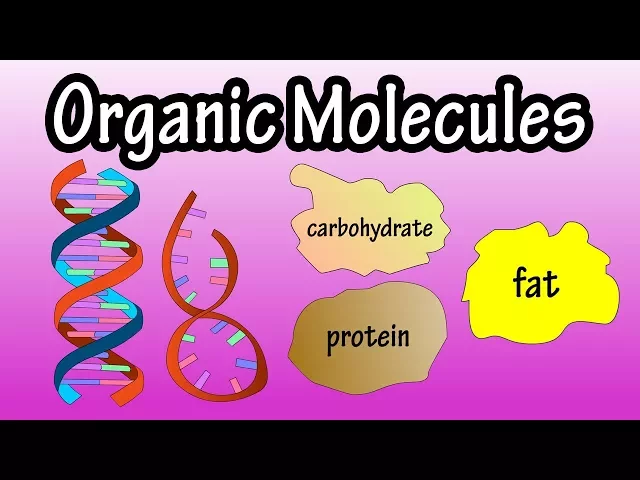
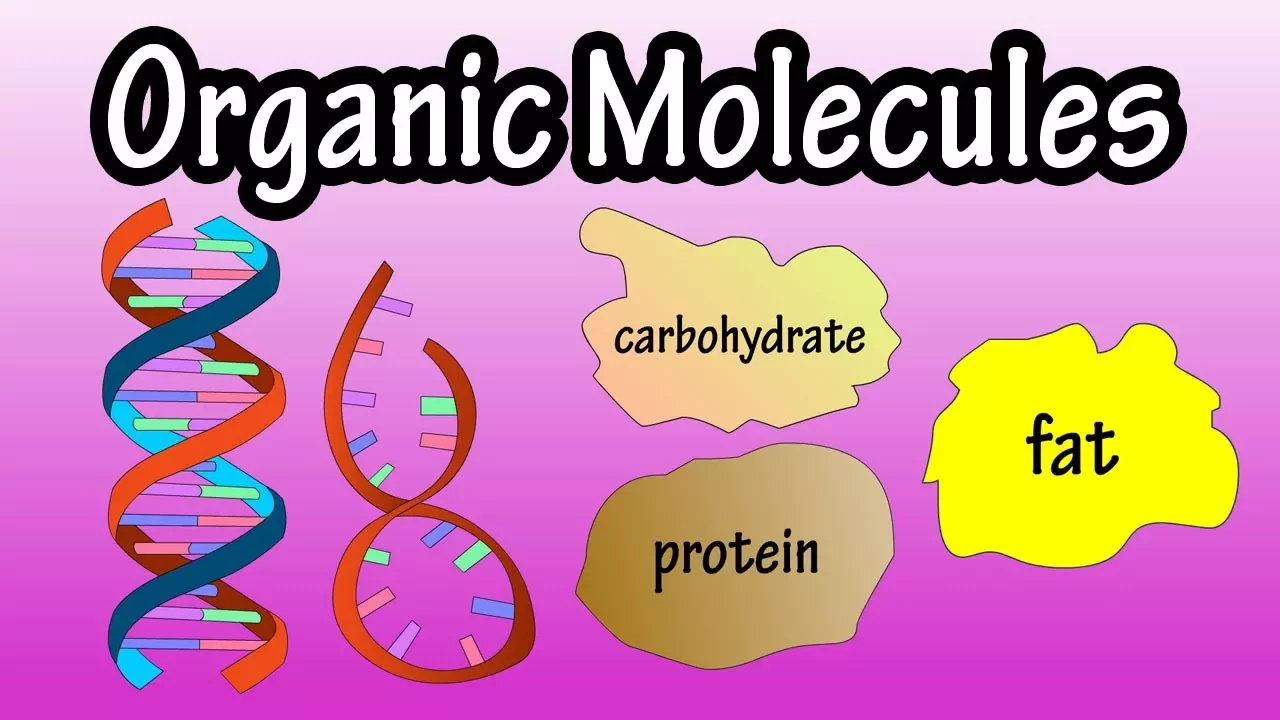
There are four major groups of organic molecules, carbohydrates, lipids or fats, proteins and nucleic acids. These are often referred to as the molecules of life. All carbohydrates contain carbon, oxygen and hydrogen, usually in a ratio of 1 to 2 to 1, as you can see in this linear model of a glucose molecule, glucose being one of the most important smaller or simpler carbohydrates.
Simple carbohydrates can link together in chains or rings to form longer more complex carbohydrates as you can see here in this chain of glucose molecules. Lipids are composed mainly of carbon, hydrogen and oxygen; however, lipids contain a lower proportion of oxygen atoms than do carbohydrates. Here is a linear model of a triglyceride molecule, which is a type of lipid.
You can see the many carbon, carbon and carbon, hydrogen covalent bonds throughout the molecule. Some lipids do contain nitrogen and phosphorus. There are several types of lipids, which we will cover in depth in another video.
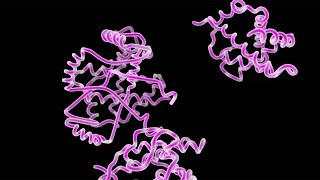
All Proteins contain 4 elements, carbon, hydrogen, oxygen and nitrogen. Proteins are giant macromolecules that are made up of amino acid building blocks. Here are 2 different amino acid molecules, and here are these molecules bonded together to form a dipeptide.
Amino acids can link together to form long chains, typically a protein consists of 100 or more amino acids linked together. Some proteins contain phosphorus, sulfur, iron, zinc, magnesium and other trace metals. There are 2 main types of nucleic acids, DNA or deoxyribonucleic acid and RNA or ribonucleic acid.
Nucleic acids are large molecules that are made up of smaller molecules called nucleotides. The nucleotides in these molecules are linked together through covalent bonds and through hydrogen bonds. DNA is a double stranded nucleic acid and its molecules take on a double helix formation.
Most RNA molecules are single stranded nucleic acids and many times they form a folded compacted structure with some hydrogen bonding taking place within the molecule. In future videos we will be going in depth into the structure of each of these types of molecules. And that, be the basics on the major groups of organic molecules.