one of the main questions we get asked at formula Botanica is what equipment do you need to formulate well as you know as I explained in lesson one the mainstream Cosmetics industry has been telling us for over 100 years that you need to be a chemist to formulate so it's understandable that we've all been led to believe that in order to make your own lotions serums and face creams that you might need to be in a lab surrounded by lots of expensive equipment but the truth is that formulation is really easy you don't need a
lot of tools particularly not when you're starting out you just need a small kit with the basics and that way you also save money when you make your first formulations later on once you started your skincare business and you're already selling products and your Manufacturing in your home formulation lab then you might want to invest in larger tools but for now in this lesson I'm going to show you the simple pieces of equipment that you need to become a formulator honestly it's so straightforward and to demonstr stra I'm going to show you our lab in
a bag which we'll use to make our nourishing face cream with pumpkin pomegranate and chamomile we plan to sell these bags at some point in the future but for now you can so easily create your own and we'll provide links to Amazon Tools in your workbook so that you don't have to go far to buy this equipment in fact if you only walk away from this lesson with one piece of knowledge then I want you to remember that setting up as a formulator is not expensive it's not complicated and you don't need lots of fancy
equipment our students know this too because they use these simple tools when they first get started I recently even interviewed a graduate who used to travel all over the world as a makeup artist and she used to formulate in hotel rooms she also had a small kit bag with her that she took from country to Country so I'm going to run you through the main simple tools that you need when you first start formulating we've listed most of these tools in your masterclass workbook too and I want you to download a copy now like this
print it out and fill in the blanks as we go through this lesson make sure you keep the workbook by your side for the next week as you go through this master class because it will contain all of your homework it will also function as your shopping list when you go out to buy these simple tools so let's walk through our basic equipment list you will love how simple this is promise [Music] the first tool I want to show you is the simple glass Beaker I love glass beakers they are one of the coolest items
in your equipment stash because now your home lab is starting to look like somewhere that a formulator would hang out you can get glass beers all over the world they're easy to use and easy to clean and the best part of all is that you can get them in a whole range of sizes we recommend you you start with a couple of 250 mil beakers and a couple of 100 Mil beakers so that you can blend different amounts of ingredients I also want to encourage you to get a couple of small ones like these because
not only are they incredibly cute but they're also very helpful when you're blending tiny amounts of essential oils or other ingredients in small quantities the next tool that you'll need for your equipment stash is a simple glass rod you'll be using this to stir the liquid in your beakers again really simple to use and simple to clean and you can get these anywhere in the world see nothing fancy required all you need is a beaker and something to stir the liquid inside it I recommend getting a few of them but you typically buy them in
a pack of 10 anyway alongside your glass rods you need a mini whisk these are super useful so cheap to buy and really simple to work with when you're making your first batches of Emulsion like we'll be doing in the next lesson again get a couple of them as they'll be so useful in your home lab next in order to add some ingredients to your beakers you will need some Petes you can get these as single-use plastic Petes which then have to be thrown away but at formula Botanica we prefer the more sustainable option of
glass pipets so that you can reuse them you'll then need to get a small brush to clean inside them and you should clean clean them in hot soapy water before sanitizing them which I'll come to in a minute next up you need some scales that go to two decimal points jewelry scales will be sufficient when you first start out these scales are small lightweight and inexpensive they don't tend to cost more than about $10 and they work perfectly well for the batch sizes that you'll be making to start with now I want you to think
about a thermometer a good type to start with is a thermometer with probes like this although you can also buy inexpensive laser thermometers you'll need to measure the temperature of some of your ingredients when you're warming them so that you don't overheat them so thermometer is a necessity for any formulator the next piece of equipment you should consider getting which isn't a necessity but can be very useful is a mini homogenizer which is used to make emulsions like the one we'll be formulating in the next episode the word homogenizer sounds like a big scary lab
tool but actually you can get tiny ones now that work in small batches of lotion we recommend getting a small homogenizer like this one we list these on the Amazon links that you'll find in your workbook however we're keeping things so simple in this master class that we'll actually be sticking with a mini whisk when we make our Emulsion so you don't even need a homogenizer to get started but they can be very useful next up is a pH me meter or pH strips if you want to start simple get the strips and work your
way up to the meter pH testing can seem like a daunting subject but honestly it's so simple you've just got to make sure you measure the pH of your formulation and then adjust it slightly upwards or downwards depending on the results of your measurement you do this with a PH adjuster and we'll cover this further later in the master class so now I've shown you all the equipment you need to make your formulations when you first start but I haven't yet shown you the most important tool of all which is your lab book this can
be a simple notebook that you write everything in our Mantra at formula Botanica is if you didn't write it down then it didn't happen and I want you to remember that at all times so get yourself some nice stationary and write down all of your formulation experiments in here it will be the best tool in your lab next up when you sanitize your workspace which you should always do before and after you formulate you'll need some isopropyl alcohol we recommend working with 70% strength because the stronger version evaporates so quickly that it isn't in contact
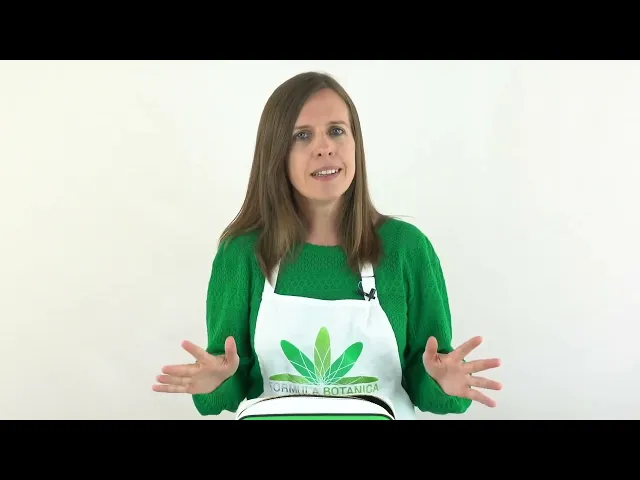
with the surface of your equipment for long enough to fully sanitize the area if you can only get 99% strength just measure out 70% and add 30% distilled water make sure you label it properly get yourself a small amount of isopropyl alcohol in a spray bottle and use it to clean down your workspace as well as your equipment then let it dry it's that simple next you'll need some simple personal protective equipment PPE to formulate safely to get started I want you to use an apron and get yourself some gloves to protect your hands and
skin from any of the potent Botanicals you'll be working with also make sure you tie your hair up although I won't be doing that for this master class because this is just a demo and get yourself some glasses for when you're working with essential oils you can also use a face mask if you want just remember to always be safe in your lab even though you're working with natural ingredients some of them can be very potent and still pose risks and then finally you'll need a few other pieces of equipment which you should already have
lying around in your kitchen you'll need some glass bowls and a couple of pans that you can turn into a simple water bath where you warm the contents of the bowl over boiling water a cutting board some knives and some spoons it's really that simple just try to avoid plastic utensils if you can because they generally don't withstand heat well you'll use these simple kitchen tools to practice your formulations and then once you start to make serums toners or scrubs that you give or sell to people then you'll need to invest in a set of
equipment that's totally separate to any cooking or home use but this is fine to get started so are you ready to formulate now cuz I bet you're totally excited about learning how to make your own natural skincare formulation and we're going to get started in the next lesson in fact it's not just the next lesson either I'll be showing you how to formulate your own beautiful Botanical face cream in lessons 3 5 and 7 as we'll walk through the various stages together and hold your hand in the process we've broken it down into three super
simple and easy to follow stages remember everyone can formulate and so can you in fact this is what you're going to learn to make it's so gorgeous and I promise you you're going to have so much fun with it all so I'll see you in lesson three for your guide to Natural emulsification in the meantime please complete your workbook activities for lesson two for today and then come on over to our group on Facebook to tell us what you're most excited about learning I can't wait to hear from you [Music] he [Music]



![[Cozy Jazz Vibes] ☕ Warm Coffee Shop Ambiance & Relaxing Melodies for a Peaceful Day](https://img.youtube.com/vi/1bgw5EGu9K4/maxresdefault.jpg)