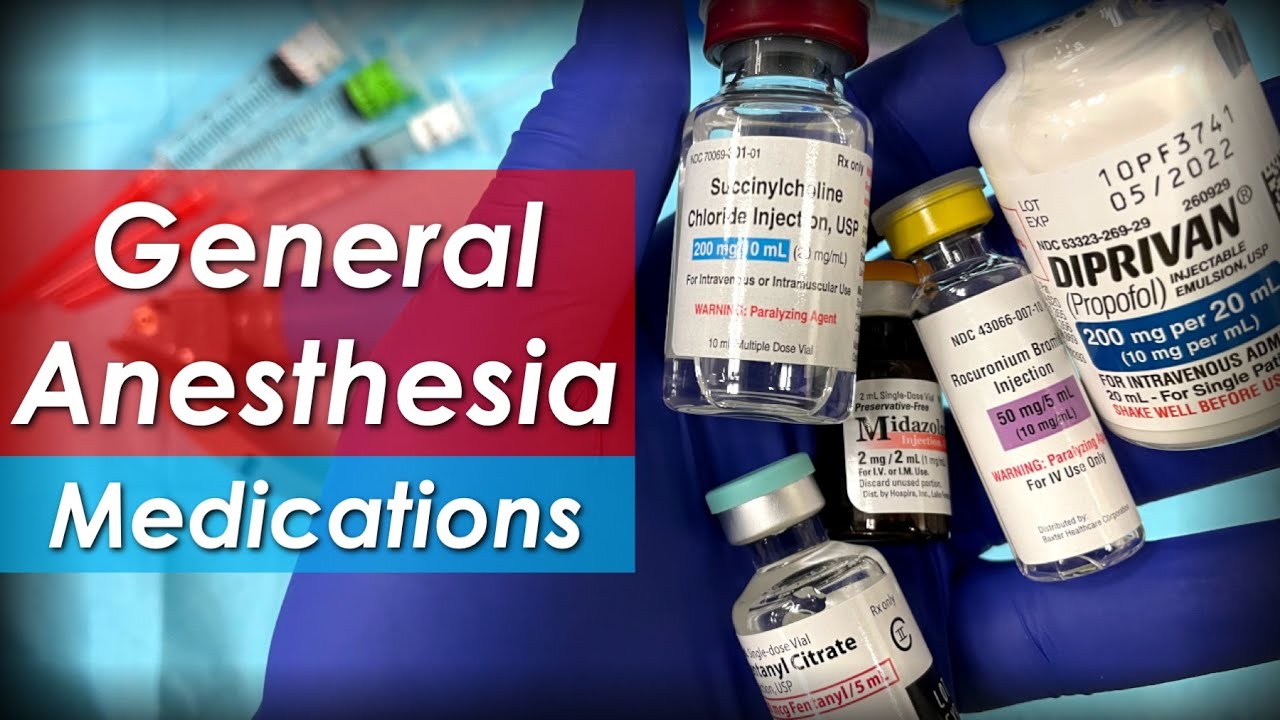
propofol is an intravenous anesthetic agent that is mainly used as an induction agent during general anesthesia it is prepared in a lipid Emulsion which gives its characteristic milky appearance hence the name milk of Amnesia propofol formula contains soybean oil glycerol egglessithin and a small amount of EDTA the main indication of propofol is in the induction and maintenance of general anesthesia in addition it is used for Sedation during monitored anesthetic care for patients undergoing procedures and for Sedation in intubated and mechanically ventilated ICU patients off-label uses of propofol include treatment of refractory status epilepticus and refractory
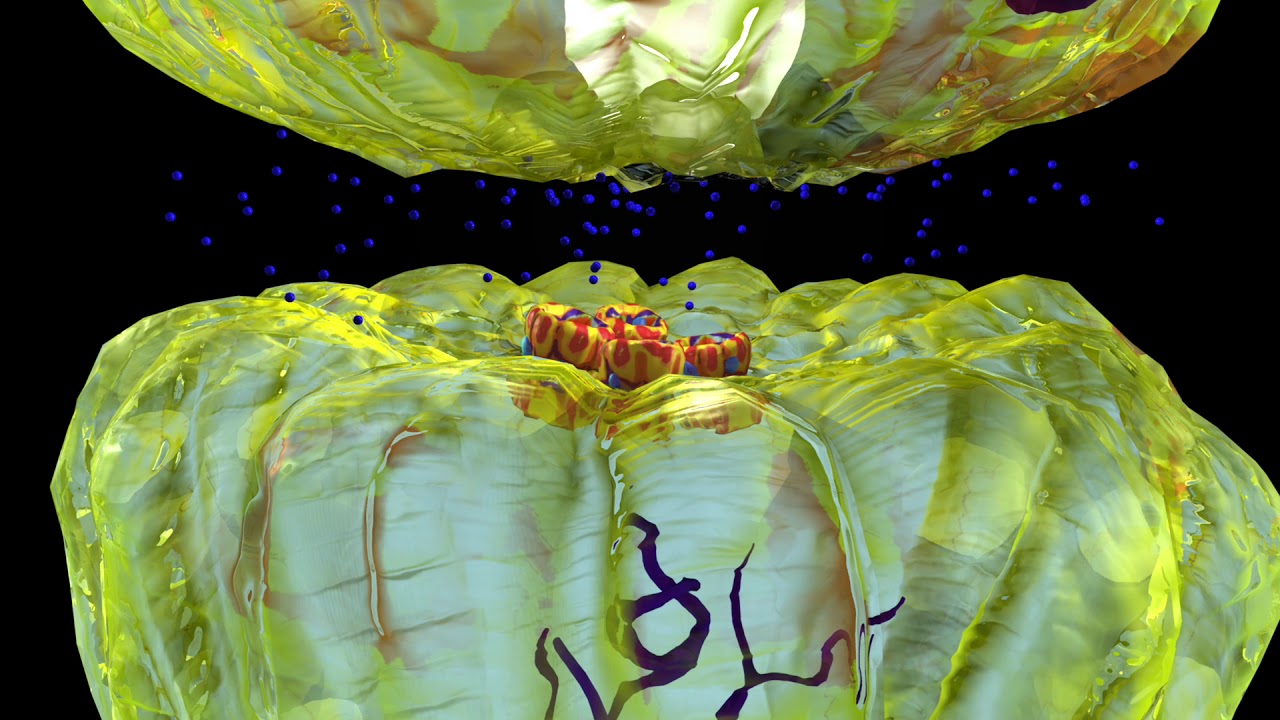
post-operative nausea and vomiting General anesthetics exert their effect by depressing the central nervous system where they diminish the total number of action potentials generated generation of these Action potentials depends on excitatory and inhibitory synapses in the central nervous system the main neurotransmitter involved in excitatory synapses is glutamate once the nerve signal is in the presynaptic membrane it releases glutamate into the synaptic cleft glutamate then goes and binds to The nmda receptors on the post-synaptic membrane in order to propagate the action potential some general anesthetics block these nmda receptors and prevent the transmission of action potentials
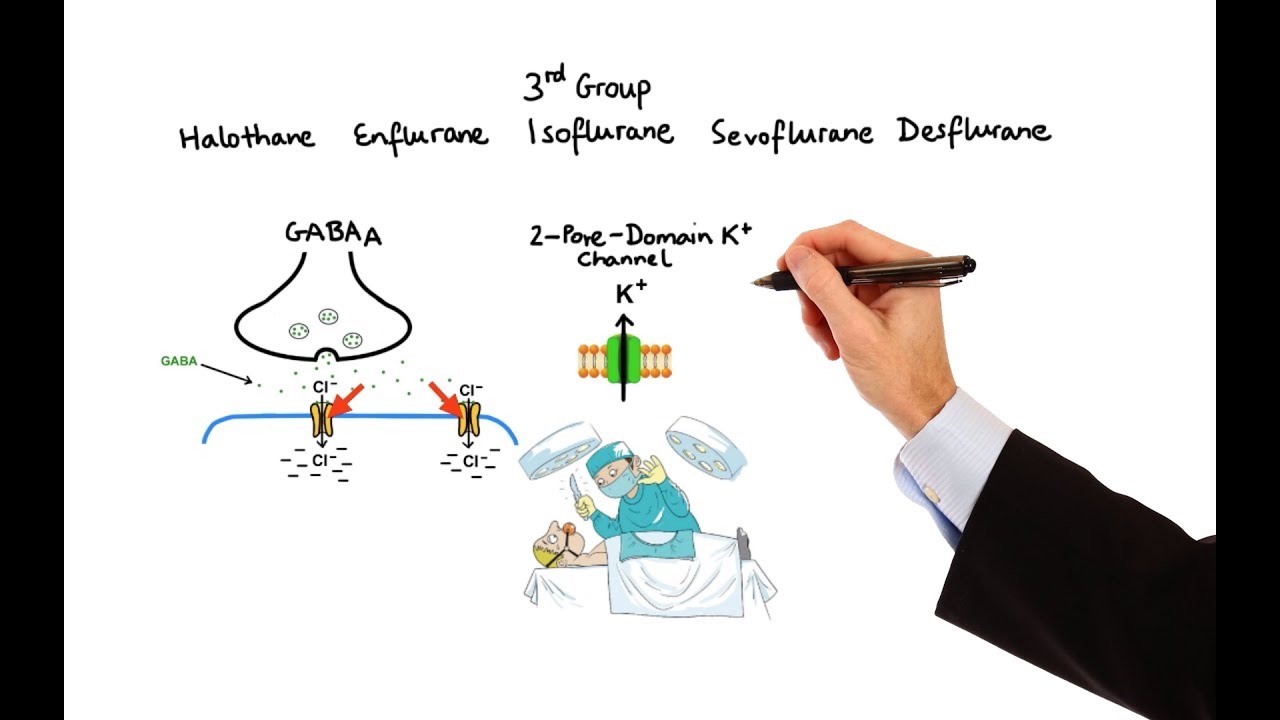
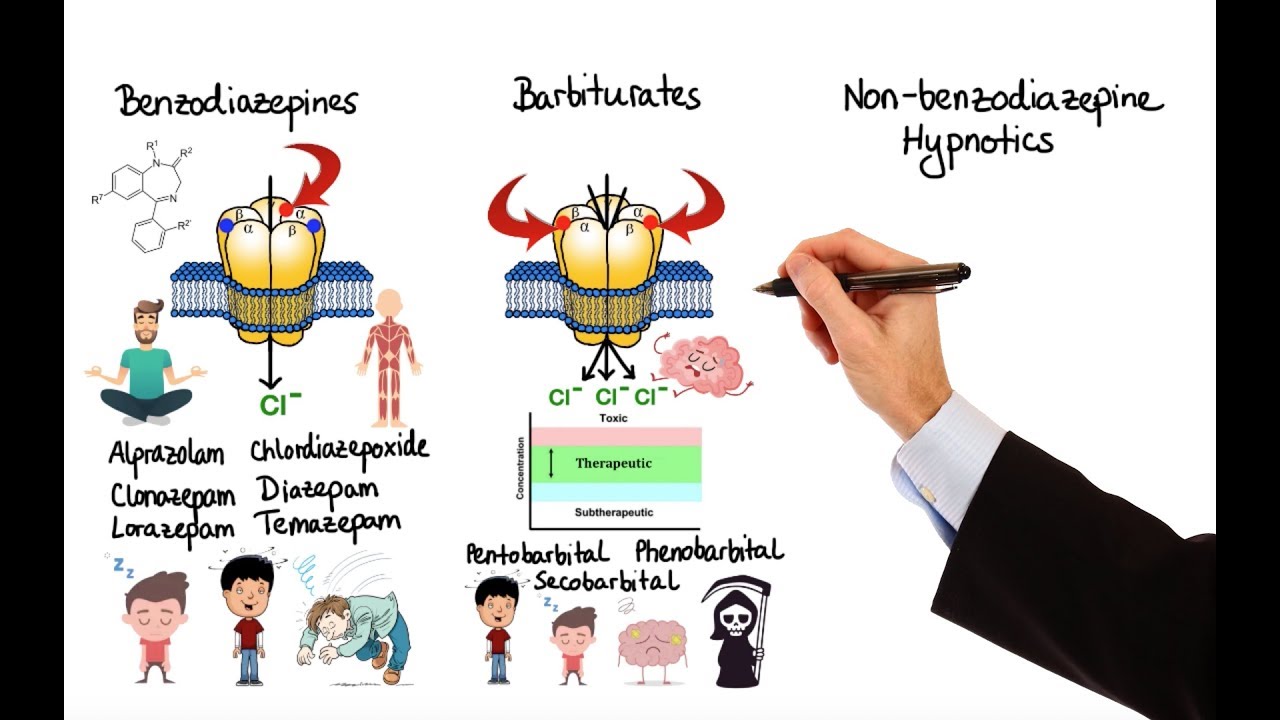
by contrast the neurotransmitter involved in the inhibitory synopsis Gaba or gamma aminobutyric acid Gaba binds to Gaba receptors on the post-synaptic membrane and prevents it from firing so some general anesthetics including propofol work by stimulating Gaba receptors or by increasing their sensitivity to Gaba propofol is administered as an intravenous bolus or infusion depending on the type of surgery it has a dose-dependent rapid onset of action usually within less than a min it it is a highly lipophilic drug therefore larger amounts are concentrated in the brain and spinal cord repeated administration of propofol can lead to
accumulation and increase the duration of action thus prolonged infusions can lead to slower recovery from anesthesia its Half-Life is biphasic as a result of redistribution of the drug initial one is around 40 minutes and the terminal Half-Life is about four to seven hours the drug is metabolized by the liver and eliminated by the kidneys the most common adverse effect of propofol is transient local pain at the site of injection propofol causes way so dilation and cardiovascular depression which leads to hypotension in addition it can cause propofal infusion syndrome which is characterized by bradycardia heart failure
metabolic acidosis Rhabdomyolysis and fatty liver rarely propofol may cause ECG changes such QT prolongation propofol is safe during pregnancy and it is the drug of choice for induction of general anesthesia in the stable obstetric patient finally propofol is contraindicated in any person who has a hypersensitivity to it other contraindication is allergy to egg products and soy products