[Music] foreign [Music] [Applause] trying to understand life without clearly watching in action is like an alien species trying to understand the rules of a football game from just a few snapshots we can learn a lot from these images for example there's players on and off the field there's a band there's even cheerleaders having a great time watching the game and of course despite learning all of this information from from watching these pictures we still cannot piece together the rules of the game in order to be able to do that we need to actually watch the
game in action much of what we know about how life works comes from watching these snapshots scientists have been able to figure out a lot by looking at similar snapshots but ultimately for them to understand how life works they need to actually watch it in action and this is essentially where life happens is trying to understand how the fundamental unit of life works and to be able to watch this we need to be able to understand how life is compared to this ant a human cell is about 100 million times smaller in volume do you
see the cell that's right next to this ant is right there to be able to watch this cell we need to make the invisible visible and we do this by building microscopes not these microscopes the ones that we build look something like this it helps that i'm part of a paparazzi well of sorts instead of taking pictures of people i'm more interested in taking pictures of famous cells well my own career path up until this moment in time has been pretty windy starting with my first childhood obsession continued passion in computer science which took a
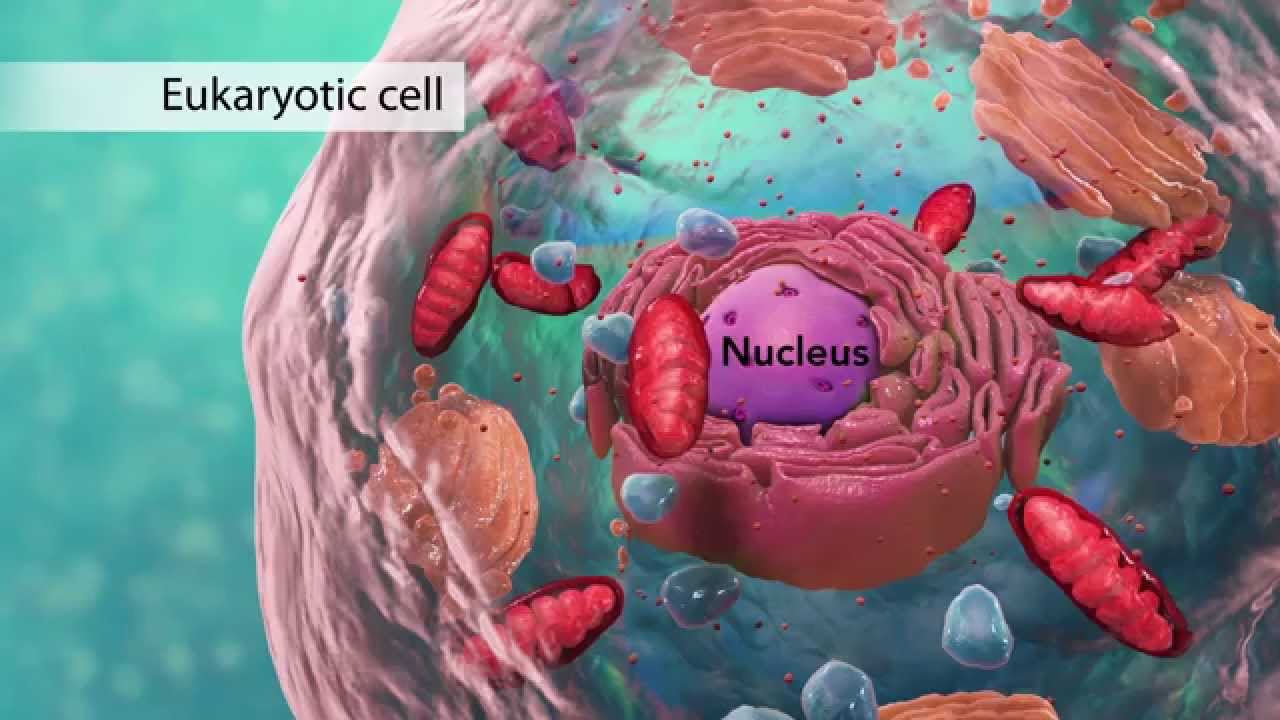
sharp transition to looking at engineering and more recently a very sharp transition to trying to understand cell biology now it's these combination of disciplines that has led me to where i am today i'm able to carry out interdisciplinary research with one clear goal and the idea is to be able to advance innovation and discovery by bringing together experts from these different disciplines to be able to work together and solve problems that each of us can't now we're interested in understanding the cell cell what is it well it's the fundamental unit of life simply put it's
just a bag it's a bag that has trillions of inanimate molecules whether it's proteins carbohydrates lipids or fat it turns out over the past half a century molecular biologists and biochemists have figured out ways to make these proteins to glow they light up just like fireflies now microscope developers have been able to make better and better instruments to be able to capture this light emitted from these molecules and computer scientists and mathematicians have been able to understand the signals that are being recorded from the cameras and by bringing these tools together we're actually being able
to understand the organization of these molecules inside of these cells understand how that changes over time and that's essentially what we're interested in trying to understand life at its essence so we want to go from imaging life which is traditionally being confined to two dimensions to being able to image life in three dimensions so how do you make a two-dimensional image into a three-dimensional image well turns out it's pretty straightforward we just collect a series of two-dimensional images as we're moving the sample up and down and then you stack the images on top of each
other and then you create a three-dimensional volume the problem with this approach is that traditional microscopes they dump way too much energy into the system that means that this cell that you see over here it's experiencing a lot of light toxicity and that's a problem let me explain that a little bit better for example let's say that on this planet life evolved under just one sun yes now let's say i wanted to watch the shoppers on this street to understand their shopping habits how long they linger in front of stores window shopping how many stores
they go into and how long they spend inside of each of the stores and if i was sitting down at a coffee shop just people watching many wouldn't even notice that i'm watching them now what if all of a sudden i was shining the equivalent of what is say the light or the sunlight from about five or say ten different suns would they still behave as they normally did would they still linger outside for just as long can i really believe that their behavior hasn't been altered as a consequence of being exposed to this much
sunlight no most microscopes these days and conventional microscopes have been able to dump between 10 to 10 000 times the sunlight that we're exposed to on this planet where life actually evolved and because of this well it turns out i'm part of the cell paparazzi so we need to be very careful in terms of how much light we actually put into the cell otherwise we might end up with a deep fried cell and turns out there's really nothing natural about trying to watch a damaged cell whose behavior has been significantly altered well let's take this
up for example it's sitting on a piece of glass you see the spots everywhere those spots represent molecular machines that are assembling on the surface of the cell in order to be able to shuttle food from outside the cell into the cell our lab uses something called the lattice light sheet microscopy which generates a very very thin sheet of light paying attention not to damage the cells or not to kind of put too much light into the system and when we do this we're able to watch the dynamics of that process for much longer without
really stressing out these cells used this microscopy technique and tools to be able to understand how viruses infect cells in this example we've exposed the cell to rotavirus it's an extremely contagious pathogen that kills over 200 000 people every year and by watching these molecules these virus particles how they diffuse on the surface of the cells we can actually understand the rules that they're playing by and when we understand these rules we can start to outsmart them whether through intelligent drug therapies to be able to mitigate manage or even prevent the virus from binding into
the cell in the first place now we've made the invisible visible but question remains when can we believe what we actually see everything i've shown you up until this point has been a cell that's been held prisoner on a piece of glass or in a petri dish well it turns out that cells didn't really evolve on a piece of glass right they didn't evolve in isolation and they didn't evolve outside their physiological context to truly understand cells natural behavior we need to be able to watch them in action where they're actually you know where they
actually you know is their home turf so let's take a look at this complex system this is a developing zebrafish embryo where you're looking at cells that are organizing themselves in order to form tissues in order to form organ systems and when we watch the movie again you'll see that about 20 hours you start to form the eye and the tail of the zebrafish now we can watch this not in the best low resolution but you can watch this in exquisite detail and we want to be able to watch this in three dimensions over the
course of minutes seconds hours or even days so the problem with these complex systems is that we scramble the light or they scramble the light that we actually shine onto them which causes us to record very blurry images and it turns out that astronomers have had a similar problem but for them the problem comes when they're trying to record the light from distant stars on telescopes that are ground based the problem is when the light travels thousands of light years and it hits our turbulent atmosphere all of a sudden the light gets scrambled they've also
luckily figured out a solution to this for over half a century what they do is they generate an artificial star about 90 kilometers about the earth's surface and they use that light that which passes through the same turbulent atmosphere as the distant stars light and they're able to understand how the light is getting scrambled and they take a mirror that can change its shape in order to compensate or undo that scrambling so what we've done is we've taken those ideas and we've implemented that with a microscope system and when you do that you can more
or less unscramble the complexity of the scrambling and the fuzziness that's happening as a consequence of complex systems and we do this in zebrafish we like zebrafish because like us they're vertebrates unlike us they're mostly transparent that means that when we shine light on light on them we can watch the cellular and the sub-cellular dynamics with exquisite detail let me show you an example in this video you're watching the spine and the muscle of the zebrafish we can look at this the organization of the cells hundreds of cells in this particular volume in the presence
and absence of adaptive optics now with these tools we can watch more clearly than we've ever been able to before and in a very specific example looking at how the eye develops in the zebrafish you can really see the commotion inside of this developing zebrafish embryo so you can see the cells that are dancing around in one example you see how the cell is dividing in another example you see cells trying to get places and it's squeezing past another cell and in the last example you see a cell being completely rowdy to its neighbors by
just punching its neighbors right this technology really enables us to watch deeper and more clearly almost as if we're watching single cells on a piece of glass without you know where they've been held prisoner and to demonstrate the problems that this technology holds we partner with some of the best scientists from around the world and we've started to ask a range of fundamental questions that we're starting to work on right now together for example how does cancer spread through the body in this example you're looking at human breast cancer cells that are basically kind of
migrating where they're using the blood vessels that are shown in magenta they're basically using these blood vessels as highways to move about the cabin you can basically see them squeezing through the blood vessels you can see them rolling when there's enough space and in one example well you see what looks like ridley scott's trailer for the next alien movie right this cancer cell is literally trying to claw its way out of the blood vessel in order to invade another part of the body in the last example i'm going to show you we're trying to understand
how the ear develops in this case we're completely off stage by crawling neutrophils these immune cells are basically on patrol all the time basically they don't get any time off they're working constantly to understand whether they're stranger danger trying to understand whether we're you know there's an infection they're sensing the environment constantly moving around now we can watch these images and these movies in greater detail than has been ever been possible before in in our time up until now now as with all new technologies new capabilities come with new challenges and for us the big
one is how we handle the data these microscopes generate a ton of data we generate anywhere from one to three terabytes of data per hour to put that into context we're filling up two million floppy disks every hour for our more experienced audience members roughly equal into about 500 dvds or to put things into better context for the gen z that's about a dozen iphone 11s that i'm filling up every hour we have a ton of data we need to find new ways to be able to visualize this we need to be able to find
new ways to be able to extract biologically meaningful information from these data sets and more importantly we want to make sure that we can put these advanced microscopes into the hands of scientists from all around the world and we're giving the the designs of these microscopes for free but the key important part is we need to collaborate even more to make an impact we're bringing together scientists who can develop new biological and chemical tools we're working together with data scientists and instrumentation scientists to be able to build and manage the data and because we're giving
these instruments out for free for all academic and non-profits uh we're also building advanced imaging centers to house them to be able to bring together the group of people that are microscopists that are the biologists and the computational people and to build a team that's able to solve the types of problems that each of us individually cannot and thanks to these microscopes the frontier of science is open again so let's take a look together thank you you