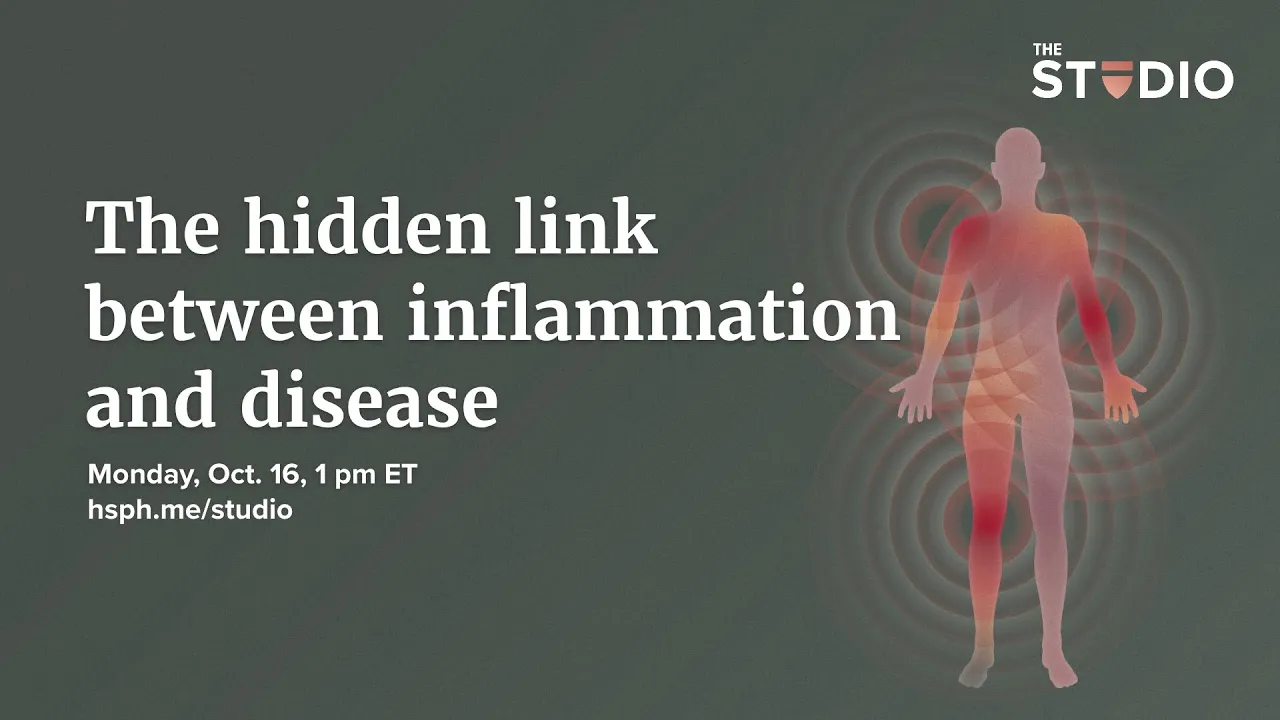
[MUSIC PLAYING] RICHARD SIMA: Welcome to our panel discussion on inflammation and disease. I'm Richard Sima. I'm the Brain Matters columnist for the well-being section at the Washington Post and moderator of today's discussion.
Joining me are an illustrious panel of experts. We have Shilpa Ravella, assistant professor of Medicine at Columbia University Medical Center; Brittany Weber, the director of the cardio-rheumatology clinic at Brigham and Women's Hospital; Alessio Fasano, professor of pediatrics at Harvard Medical School; and Rupa Marya, professor of medicine at the University of California, San Francisco. To begin, inflammation is an evolutionary response meant to protect our bodies in times of injury or illness.
But when inflammation happens over and over, it becomes chronic, often leading to disease or autoimmune conditions. I think it's important to differentiate between this helpful and harmful inflammation. So what function does inflammation play, and at what point does inflammation start doing more harm than good?
ALESSIO FASANO: So evolutionarily speaking, inflammation is supposed to be something extremely useful for us. And let's put this in the context of evolution. 2 million years ago, when we start this journey on the face of the Earth, the reason why we will eventually die will be mainly to, given the life expectancy being 13, 14 years, either you die of infection or a dinosaur will eat you.
There was no time to develop cardiovascular disease or cancer. And therefore, the immune system was conceptualized to fight only that one enemy, infection, creating inflammation. That is nothing else in a very hostile environment to-- microorganisms to grow.
It's too hot. There are chemicals, like [INAUDIBLE] cytokine that will kill you. There are cells like immune cells that eat you.
Of course, you pay a price. The inflamed tissue will die. But the entire organism will survive.
And that's the reason why it's extremely important that the reason why and when and how inflammation is unleashed is very well programmed. And that's happened in the first thousand days of our life, from conception to two years of life. If well programmed, you know inflammation will be unleashed only when we are really under attack and will be turned off when the enemy is defeated.
But unfortunately, this is not happening anymore because we're being derailing from the evolution plan. RICHARD SIMA: And so what happens when-- SHILPA RAVELLA: [INAUDIBLE] RICHARD SIMA: Yeah, go on. SHILPA RAVELLA: I was just going to say, so those are some great points by Dr Fasano.
Thank you so much. So there is a distinction also between acute inflammation and chronic inflammation. With acute inflammation, you tend to see the cardinal signs of inflammation like redness, pain, swelling, and heat, and chronic inflammation is when inflammation is ongoing.
It can be overt, presenting with the cardinal signs, or it can be silent and hidden, so that you don't feel this inflammation in your body. And we know today that there is a biological price to having evolved such a robust immune response. And we think of this price typically in terms of autoimmune disorders, like rheumatoid arthritis or inflammatory bowel disease, when chronic inflammation turns against the body.
But we also know today that this biological price is far more pervasive than we've ever imagined because this type of hidden, low-level, chronic inflammation is indeed tied to all kinds of modern diseases like heart disease, cancer, diabetes, obesity, neurodegenerative diseases. And so today, all of these can be considered, at least in part, chronic inflammatory diseases. So the paradigm shift that we're seeing is that chronic inflammation is now considered to be not only a consequence of disease, but also a potential cause.
And there is a distinction between this harmful, chronic, low-level inflammation and harmless. And that's a relative distinction because the goal is not to completely eradicate inflammation in the body because we do need some inflammation for defense and for maintenance of bodily tissues. And we also have a mass of microbes that live within our bodies, and they elicit a baseline, low-level inflammation.
So there is this distinction between physiologic and pathologic chronic inflammation. But the initial intent of the inflammatory response is salutary, and it aims to protect the body. It aims to foster homeostasis.
RICHARD SIMA: And as you alluded to, though, we seem to be in an era where there's more chronic inflammatory diseases, a trend that is continuing to rise with more young people being diagnosed with early onset cancers, increases exponentially in the rates of type 2 diabetes, cardiovascular disease that affects about half of all Americans. So what does or how does chronic inflammation play a role in these trends? RUPA MARYA: Well, I look at not just the-- what's happening inside the body, as a physician who works at the bedside in hospital medicine, but also what's happening in the larger context historically and around the world.
And the way I understand inflammation and that we articulate in our book, Inflamed, with political ecologist Raj Patel, is that inflammation is the immune's response to damage or the threat of damage. And it is, as Shilpa has said, a healing response. It plays an important role in restoring homeostasis after disruption.
However, when damage is ongoing and the alarm signals in our tissues keep going off, the inflammatory response creates collateral damage and creates this low-level, systemic, chronic inflammatory response. And so the rise of chronic inflammatory disease that we're seeing in our modern industrialized societies is shaped by the ways in which history and power sediment in our bodies, and they sediment in different ways in different bodies. I think the paradigm shift that we need to look at in medicine and science in general is the limits of our rigor and explanatory power if we're just looking at individuals or even individual microbiomes or individual cells, and to zoom out and look at the macro phenomenon that are shaping how our bodies are responding.
So the locus of pathology that I see is in the spaces around the body, rather than inside the body. Those who've been exposed to lifetimes and legacies of damage through structures of racism, land theft, wage theft, environmental degradation, have immune systems that are sounding out the full range of inflammatory diseases and alarm signals that are ringing nonstop, causing damage to our tissues. This is the root of why we see the health disparities we see here in the United States.
This is why Indigenous people suffer the greatest morbidity and mortality with COVID, is that their bodies have been tuned like a guitar string to sound out the full range of inflammatory response because of the way history and power sediment in the body. And what's important with this understanding is that it's not just-- the rise in diabetes isn't just billions of people making bad choices. Focusing on diet and lifestyle don't give us the full picture about what we're seeing around the world.
And to me, what's exciting about this is just as structures have been engineered to be damaging for so many people on planet Earth, through the will to power, these structures can be engineered differently to bring care both to the Earth, the web of life, the microbiology around us that supports our well-being, as well as our duties of care to each other. When structures around us are built in care, the immune system responds through providing resiliency to inflammatory states that cause damage. BRITTANY WEBER: Thank you very much, Rupa, and completely agree with all these excellent points.
And as a cardiologist, we know that cardiovascular disease is highly intertwined with systemic inflammation. Now, speaking from a cardio-rheumatologist's perspective, I see and take care of patients with all the autoimmune diseases, such as what was mentioned earlier, rheumatoid arthritis. And each of these diseases-- they can uniquely affect the cardiovascular system in different ways given their dysregulated immune system.
But more importantly, we also know that this low-level, systemic inflammation is highly implicated in the bread and butter of cardiovascular disease. And if we think about one of the most common things that can affect Americans, coronary artery disease, which is atherosclerosis or plaque build up in the arteries, we now know that chronic inflammation is highly implicated in that process. There's been decades now of seminal work that has described the basic to the translational process of this.
And so we know that this low level of inflammation is impacting all of our patients, regardless of whether they have a set autoimmune condition, and that it is important that we are targeting this. Furthermore, it's not just coronary heart disease. It's all the risk factors, and those risk factors which are what promote also cardiovascular disease.
And in addition to coronary heart disease, the other big form of cardiovascular disease is heart failure. And we're having increasing recognition of the important role that this level of systemic inflammation plays in these diseases. SHILPA RAVELLA: Thank you so much, Dr Weber.
And speaking from a gastroenterologist perspective, we've also seen an increase in the incidence of early onset colon cancer over the last few decades. And when it comes to the immune system and cancer in general, the immune system actually attempts to fight tumors, but it also tends to betray the body by helping them to grow and helping them to spread. And we know that inflammation can affect all the life stages of a cancer, from the early genetic and epigenetic influences that transform normal cells into malignant ones, to the continued growth and spread of cancerous tissue throughout the body.
And we know that both overt and hidden inflammation are associated with a higher cancer risk. And inflammation is a very important part of the tumor microenvironment. And it's also important to remember that all inflamed tissues in the body don't carry an equivalent rise in cancer risk.
For example, if you have inflammation of the joints or the brain, you don't have as high of an increased cancer risk in those areas. And of course, cancer can also arise in noninflamed tissues as well. And in my gastroenterology clinic, I see that hidden inflammation can play a part in other GI diseases as well, particularly functional gastrointestinal disorders.
And these disorders are where patients tend to have GI symptoms with no evidence of pathology on conventional testing, like irritable bowel syndrome or dyspepsia. And in these diseases, inflammation may affect the nerves and muscles of the stomach and the intestines. It can help to alter pain thresholds and movements in the gut, contributing to issues like bloating, stomach pain, diarrhea, constipation, and even just a small, transient spell of inflammation in the gut, like traveler's diarrhea, can sometimes lead to changes in the way the gut functions that can persist for months or even years in some people.
And that can prompt this ongoing gastrointestinal distress and even sensitivities or intolerances to specific foods. RICHARD SIMA: So what do we know about why certain people develop this chronic inflammation and then subsequently a particular disease while others don't? What differentiates the susceptibilities of different individuals?
ALESSIO FASANO: Until the recent past, we thought that the pillars to develop any disease were pretty much based on two paradigms, one, genetics, who are you, genetically speaking, or in other words, where are you predisposed to, and then the environment, what kind of environment you are living in, as necessary sufficient to develop any of these diseases. Now, if you see the trend of these nontransmissible, chronic inflammatory diseases in Western hemisphere, or even better, people that embrace Western lifestyle, we've seen an explosion of this condition that we just heard. So you can explain based on this paradigm on only two possible scenarios.
One, because genetics takes much longer to have this increase of these trends, and we're talking about only two, three decades, we have this explosion, either that because genetics cannot be being responsible, we're changing the environment too fast for us to adapt as human beings. That's the simple explanation. But a more interesting vision and more optimistic and interesting vision is that in the past, we thought that if I have the genes to develop a Parkinson or breast cancer, that was my destiny.
But this epidemic trends tells us otherwise. The fact that I have the genes for those diseases doesn't mean I necessarily develop it. If I do or do not, depend on my lifestyle.
And that also led to the appreciation that besides these two elements, there are at least another three at play that are necessary to create the quote-unquote "perfect storm" for these conditions. These two worlds, i. e.
genes and the environmental trigger, are segregated by barrier. The most visible is the skin, the most complex and large being the intestine. So something, then, gotta be wrong there, that these two worlds can communicate, so it increases the permeability.
Of course, the fourth element is the immune system because it becomes hyper-belligerent. And then the last, but definitely not least, is the microbiome, this ecosystem that we live with from birth to death, that we coevolve with. And they influence each other.
But the key elements that we learned recently is that because genetically, we're kind of rudimental, we're made of only 24,000 genes, how we explain all this complexity, this condition? It's the epigenetics, so the capability of the microbiome to decide if, when, why, and how our genes are put in motion, so you switch from genetic predisposition to clinical outcome, and you develop these conditions. So the reason why some people, they eventually develop this condition, and some, they do not, is because lifestyle.
So in other words, environment. And you know, Rupa was alluding to-- so the whole biome, as we call it, may be responsible all this, meaning that anything that impinge on the composition and function of the microbiome that in turn on and off these genes that start this march from genetic predisposition to clinical outcome, can be a problem. For mom's lifestyle, where does she live, what does she drink, what she smokes, is she exposed to pollution, from perinatal events.
Am I born at full term, preterm? I'm in NICU because I have the-- I need to have oxygen, or I have to have antibiotics. Post-term, what I'm eating and my stress.
All this has been shown to impinge on the composition and function of microbiome and therefore dictating our clinical destiny based on specific genetic background. RUPA MARYA: Thank you for that, Alessio. I agree, and I think that I do a lot of learning from those people who are most crushed by chronic inflammatory disease.
And when we look here in the United States, those people are Indigenous. Those people are Black. Those people are living in historic and current realities that are characterized by oppression from a system of colonization and capitalism.
So the economic social realities of this system are impacting not only whether they have to breathe air that is polluted, but also whether or not they can actually have a microbiota that is biodiverse and resilient to help buffer against the impact of these toxic exposures. And when we look at the ways in which we learn in medical school, we are taught that this is about individuals, this is about genetics-- now, thankfully, the science of microbiome-- the biome-- microbiome is expanding our horizons to understand how ecologies and what lives in ecosystems from the sociologic to the physiologic is actually having an impact in shaping who is getting chronic inflammatory disease and how they are. When we look at cardiovascular disease, only 60% of the burden of cardiovascular disease can be attributed to traditional risk factors that we learn about in clinical medicine, from family history to smoking to diet and exercise, and the rest is coming from somewhere else.
And one important place is coming is from stress. Specifically, interestingly, when we talk about the Western lifestyle, is the stress caused by debt, which is directly linked to inflammation, suicide, and cardiovascular disease. And in a 15-year study involving 40,000 people in the UK, individuals with higher levels of c-reactive protein were four times more likely to kill themselves than those with lower markers.
Suicide is the acute impact of debt, and cardiovascular disease is the chronic impact. One study found that having more debt was associated with a 1. 3% increase in diastolic blood pressure.
And while this might seem really small, it is clinically-- it was clinically significant. An increase of 2 millimeters of mercury of diastolic blood pressure is associated with a 17% increase in the risk of high blood pressure and a 15% increase in the risk of stroke. If you look at the United States between 1989 and 2006, US credit card debt skyrocketed from $211 billion to $876 billion.
And when you think about student debt in the United States, we are saddling young people at the outset of their careers with a major risk factor for developing this kind of stress and chronic inflammation. So it's important to think about if the locus of disease, as Virchow indicated, is not inside the body but in the spaces around the body, what are the innovative public health strategies we can look at, what are the things that we can do as clinicians and scientists, to help advance the knowledge to start shaping those structures so that the body can respond with health? RICHARD SIMA: Yeah.
These are all very compelling. And before we get to the solutions and the treatments and ways we can try to address this, let's talk about one other risk factor, which is aging. Inflammation is tied to aging.
And in fact, it's been dubbed "inflammaging. " So is this increased inflammation as we get older inevitable? And are there any specific interventions for reducing specifically this age-related inflammation?
ALESSIO FASANO: Well, because now, I believe that the entire scientific community agree that inflammation is the common denominator of many conditions, including aging, if we find the reason why with age we have the tendency to increase inflammation, we may eventually find a way to slow down and aging more graciously, if not being even more impactful in trying to mitigate or in making a negligence senescence path. The reason why the unthinkable of the fountain of youth, so to speak, now, it's something that can be entertained at least on a scientific ground, is based on some evidence, both in animal models and humans, that the capability to rejuvenate or to renovate tissues-- it doesn't stop as we believe at a certain age. Rather, the aging process is the imbalance of processes that happen for the entire life.
We are in a steady state balance of the number of cells that die, the number of cells that are reproduced to maintain the status quo. And aging is nothing else than our capability to reproduce goes down and the acceleration of cell death related to inflammation to the point of no return. And that's when we spiral down.
Of course, when we talk about aging, we talk about physical aging, mental aging, social aging, biological aging, and so on and so forth. They are all tightly related. Couple examples based on the five pillars that I was saying before.
The fruit fly-- it's an animal model that we use many times. Interestingly enough, the prediction of when this animal dies is not the chronological age of the fruit fly, rather, when its intestine is not capable to segregate the external world to the internal world, and therefore this continuous attack of noxious elements coming in. And if you stop that leaking of the guts, you double the life expectancy of these animals.
It's like that we-- rather than live 80 years, we live 160 years. And there are also studies in humans, for example, using a biomarker permeability zonulin. That is a molecule that we discover now a couple of decades ago, that is, by the way, upregulated in a long number of chronic inflammatory diseases-- by looking at that, if you have low level of zonulin, you are much, much likely to live a longer and active life.
Matter of fact, ultra-centenarian who are still physically active, they have very low level of zonulin compared, for example, people in the 40s with cardiovascular diseases. And that level of zonulin is directly proportional to inflammatory markers. The more zonulin you have, the more biomarkers of inflammation you have.
And the more zonulin you have, the less active you are. So there is an inverse proportion. So bottom line, just inflammaging is real.
They are the same elements that play with any other chronic inflammatory diseases. And if we understand how to slow down that inflammatory process, we can age more graciously and more actively. The goal is not to leave 90 years of life, of which 30 on a wheelchair with the tube in your nose.
The way to really achieve that goal is to live longer life, active life, for ourselves, the society, the family, so that we can remain an asset and not a liability. SHILPA RAVELLA: So I agree with Dr Fasano's excellent points. And just to build a little bit on what he said, inflammaging, or the inflammation of aging, has been recognized as one of the hallmarks of aging since around 2013 or so.
And the hallmarks of aging are several essential processes that drive aging in humans. Our genes, for example, tend to become more fragile and prone to mutations. We have injured molecules and other stressors that tend to build up in our bodies.
And paradoxically, our bodies become less adept at handling stress. And we also have other things going on, like a depletion of stem cells. So all of these hallmarks can actually drive inflammaging, and so can other factors that happen as we age, like, for example, the tendency of our body fat to move from the periphery to the midsection.
And this type of central obesity is actually a marker for visceral fat, or the deep fat that wraps around our inner abdominal organs. And this is a highly inflammatory type of fat. We can also see the fall of sex hormones, like estrogen and testosterone, as we age, and these hormones can manage and dial down inflammation.
On top of all of this, everything that can inflame the young, from all of the dietary, lifestyle, and environmental factors, can also inflame the old. So to age is to be one day inflamed, and even healthy older folks tend to develop inflammation at some point. And to counter inflammaging, we need to balance this sort of proinflammatory propensity of the aging body with anti-inflammatory and proresolving influences as well.
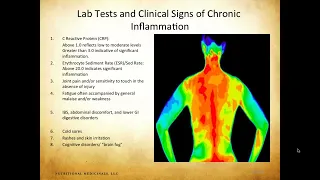
RICHARD SIMA: So we've learned about all these ways that we could become chronically inflamed, but it's often undetected. Is there a case that doctors should test patients for hidden inflammation, and how do you differentiate between acute versus chronic inflammation? SHILPA RAVELLA: So testing for hidden inflammation in the average patient is not currently routine in the primary care setting or for many specialties, but it is practiced in certain clinical settings-- for example, in a cardiology clinic, where you can see high sensitivity c-reactive protein tests that can be used to capture even the smallest elevations in c-reactive protein that can predict the risk of heart disease.
And CRP is a molecule that's made by the liver in response to areas of inflammation in the body, but a general CRP test for the average patient may not be very specific. It can't tell you if the inflammation is coming from the cold or flu that you recently had, how long it's been there. And you tend to have the same problem with more expensive tests that search for important cytokines that play a part in a variety of inflammatory conditions.
There is some new research that focuses on the potential of clusters of markers, inflammatory signatures, and those can perhaps better define the state of being silently inflamed, or we may also be able to measure responses to inflammatory challenges rather than just solitary snapshots. We can use imaging tests, like MRI and CT scans, that may add invaluable information because they can pick up inflammation that surrounds blood vessels or points to inflammatory findings in atherosclerotic plaques that predict rupture. And some proxies for hidden inflammation in the primary care setting do include just simply the abdominal obesity, which is a marker for that inflammatory visceral fat, or even elevated blood sugars, which can be a marker for having inflammation in the body.
BRITTANY WEBER: Thank you so much, Dr Ravella, and I completely agree. In my cardiology clinic, I do check a high sensitivity CRP in all my patients. I check it actually with their regular, routine lipid panel.
And I talk to them about why I'm checking it, how we can use this information in terms of being-- understanding the root cause, and also being more aggressive in terms of our therapies. But like Dr Ravella said, there are multiple different reasons that a high sensitivity CRP could be elevated. As a cardio-rheumatologist, I look for it, but there could be many reasons by which these patients are coming to me, including their joints that are constantly inflamed.
So it's important that we take-- we understand what we have available and we do apply it, but with the right caveats, such as if somebody comes in and I'm using it to talk about their overall cardiovascular risk, but they recently had a cold and it's elevated, then I would recheck it at a stable system. But I do use that. And importantly, it's also-- we have recognized this in terms of our guidelines.
In our cardiovascular guidelines, we now have high sensitivity CRP in our risk enhancer standard guidelines that we can utilize as a measure. And we have standard thresholds, such as above 2, where we can use that to identify this residual inflammatory risk. RICHARD SIMA: So once a patient comes in and they have elevated inflammation or a risk for chronic inflammation, what drugs are available for treatment or prevention currently?
BRITTANY WEBER: Yeah. This is such a great question, and of course, the Holy Grail to a lot of the things we all think all dearly about here on this panel today. I will say as a cardiologist, I have to mention that there has been a recent therapy that we now have in our armamentarium.
Given the kind of increasing scientific and mechanistic evidence of the role of inflammation, this has been studied for years. And back over five years-- more than five years ago now, there was a very seminal trial that looked at a specific biologic that targets the IL-1 pathway, that was CANTOS, that showed a benefit for people with existing cardiovascular disease in reduction of recurrent events. But ongoing over all these years, there's also been accumulating work on the role of colchicine, which is a therapy many people may remember can be used for gout.
But this is a medication that's also been used for many people who are born with rare disorders, such as familial Mediterranean fever, who will take these therapies lifelong. And so we found that colchicine taken once daily can dramatically reduce the risk of recurrent cardiovascular disease in patients with stable coronary disease or even after event. And so this accumulating evidence has recently led to the first FDA-approved therapy for an anti-inflammatory, which is such an exciting time as a cardiologist.
And so as of just a couple of weeks ago, we now have in our armamentarium to use 0. 5 milligrams of colchicine once daily. And the label is such that it is for prevention-- for both high risk primary prevention when we identify those people with the residual inflammatory risk or patients with established coronary artery disease to reduce their further risk.
And so that is a new therapy. There's obviously caveats of everything we use in medicine. Certain important implications of this therapy is that it cannot be used for people with severe kidney disease or liver disease.
There are certain medications that would interact that we have to treat. But otherwise, this is a safe, effective, and well-tolerated therapy. And then just to answer a little bit further is that there are multiple studies, at least in the cardiovascular space, which are targeting even more specific forms of that inflammatory pathway.
So I do think this field is going to continue to grow. ALESSIO FASANO: Yeah. To capitalize on what Brittany just said, historically, chronic inflammatory diseases-- treatment has been based on three pillars, so to speak.
The first one that we had available was steroids. Cortisone has been, of course, the magical patch that allows us to put a brake on inflammation. Has been used for a long time and with, of course, consequences, because none-- no therapeutic intervention goes without consequences.
And for that reason, eventually, we start to really look in other directions. And nonsteroidal, anti-inflammatory drugs came on board to treat a variety of chronic inflammatory diseases. But the last generation are the biologics.
That came on the scene thanks to the knowledge that finally we have on the basic elements of the biology of some of these chronic inflammatory diseases. For example, we realized that TNF alpha is a cytokine, is the key elements of inflammation and specific chronic inflammatory diseases like Crohn's or ulcerative colitis. And sure enough, researchers were able to build a monoclonal inhibitor of the receptor for TNF alpha, so stopping the pathway that leads to inflammation.
And from there, there's been a plethora of other biologics going after JAK inhibitors and so on and so forth. And again, even in cancer, checkpoint inhibitors led to a Nobel Prize for the three folks that eventually were able to link inflammation to cancer. I have to say, though, that again, while all this progresses-- this came not without a price, because every single time that you do something like this, you open up the possibility and pay the consequences why biologically speaking and evolutionarily speaking we have inflammation.
For example, use biologic; you increase your risk to develop infections because we are not ready to fight this infection anymore. Using anti-inflammatory drugs for chronic inflammatory diseases, like to use Tylenol for pneumonia. You treat the consequence, i.
e. the fever, but not the cause, that is the infection. You need to eradicate the cause.
And that's what I believe that we need to go. And Rupa, I'm pretty sure you have an opinion on the matter. RUPA MARYA: Yes, thank you.
So I think that these drugs are important to mitigate, but they're also a hallmark of the reductive thinking of Western science that prevents us from seeing the actual solutions that are screaming at us right now. When we think about medicine, we learn to look at the forest-- and I'm sorry, the trees and not the forest. We don't see the forest, and the forest is actually on fire right now.
Looking at the impacts of climate change and the heat that we're living with, September being the hottest month on record, is also driving chronic inflammatory states in our bodies. And who is most impacted are the same people who are most impacted by chronic inflammatory disease around the world, those people who are historically oppressed by the current system of global colonial capitalism or any other history of harm and oppression. And so when you look at California, and the single most effective thing at cutting the rates of fatal heart attacks and strokes in the last 20 years, and it wasn't a drug.
It was a public health policy. It was banning public smoking. And the public smoking ban didn't first affect people who were smoking.
It was affecting all the rest of us who were-- happened to be in the room or happen to live in close quarters to people who were smoking. So when you look at that and you see the effectiveness of public policy on literally changing the structure of what we are able to do and how we impact each other, it's a really important thing to look at. Unfortunately, we live in a time now, and even some of our best scientists are saying this is "you do you" pandemic.
That's not how public health works. And the rise of chronic inflammatory disease actually is a public health pandemic. It's a public health issue epidemic.
And so if the drivers of chronic inflammation are around the body, that's where we need to act. And that's where we articulate this concept of deep medicine from the concept of deep ecology, that deep ecology is understanding our ecosystems above and beyond how it impacts humans. It looks at the whole system.
Deep medicine is understanding that health is a phenomenon that evolves when systems are in harmony, when you don't have a group of people basically being herded up and put in a wall and bombed, like we're seeing right now in Palestine. So we need to find-- we need to innovate better ways of taking care of one another. And that is ultimately going to impact how we live well on this planet in our bodies, how we age.
I just want to say that aging with inflammation as in a debilitating fashion is not what all humans on planet Earth live with. Human beings who are living with intact relationships to the ecosystems that they tend-- people from the uncontacted tribes in the Amazon, don't have age-associated hypertension. It just doesn't exist.
They don't see the kinds of diseases that we see. And it's important to learn from what they have to offer us in what it means to live well on this planet. I feel like looking at things like diabetes-- when we look at diabetes, we need to look at wholesale reform and transformation of our food system, from everything to land access to how we grow our food through agroecology.
When we're up celebrating these immunotherapies, the same companies now that make the chemicals that are damaging our soils and our bodies, looking at something like glyphosate, are also making it on the back end by giving us these anticancer drugs. So as a physician who's just helped five people die in their 30s of colon cancer, I'm not looking to drugs to help us figure this out. I'm looking to what structural changes we need to stop the harm that's causing this inflammation.
RICHARD SIMA: Yeah. So I guess we're running short on time, but what would you advise our audience at home? What can you do as an individual to help prevent inflammation in yourself or in society?
And I'd love to hear your advice from each of you. RUPA MARYA: Well, I can piggy-- I'm just going to share the work of the deep medicine circle, which is an organization I've formed with Indigenous and diasporic people working together to innovate what systems of care look like through food, medicine, storytelling, ecological restoration, and learning. And we have a program we call farming as medicine.
And so we are working on returning land to California Native people and partnering together to innovate systems of agroecology where we pay farmers like health care workers and we give away all the food that we're growing. And so we've grown about 70,000 pounds of organic food that's going straight to the people who need it in Oakland and San Francisco. And it's amazing to see within just two years of this work, already, people's diets are changing, but also their involvement.
Now they want to learn to take care of the land around them. Now they are insisting on healthy pathways within their direct environments, rewilding the urban environments. And that-- for me, individuals need to learn how to work collectively, and we can only do this together, which is really exciting because it will require that we mend those relationships that have been harmed through 600 years of a terrible mindset that's killing the Earth and hurting people.
ALESSIO FASANO: If we accept the paradigm that the microbiome really dictated our destiny through epigenetics-- and of all the things that can affect the microbiome, hands down, nutrition is the most impactful. We're born once. We may take antibiotics three, four times, but we three, four times a day.
And microbes, they eat whatever we eat. So there are different diets that are more or less fashionable, but there are three epochal changes that the human species went through that dictates why we're in the trouble that we are right now. The first was the advent of agriculture.
10,000 years ago, from gatherer/hunters, we were able to domesticate crops and animals, so food was predictable. And this was a good thing because now we can leash time, rather than procurement the food, to build the Colosseum. The second major change has been urbanization.
So we were all producer-consumers. Now there are a group of people that consume but not produce, so the people that are left behind in the fields, they have the needs to produce for themselves and the others. And that creates challenges in terms of healthy food.
The kiss of death, unfortunately, has been the globalization. When the production of food went in the hands of very few people, and they don't look at the quality but at the bottom line, money-- the Mediterranean diet is the closest we have the way that we evolved as hunterer/gathers. A lot of fruits and a lot of vegetables, fruits, nuts, tubers, and so on and so forth was called the poor diet.
I grew with that. I come from an [INAUDIBLE] family. We didn't have money for meat other than once a month, maybe.
And you know, now is the diet of the wealthy because the poor people-- they can't afford fruits and vegetables, fresh stuff, and so on and so forth. And lastly, I have to say, just to paraphrase what you just said from Rupa, this is an holobiont. If we don't take care of the soil, the water, the livestocks, the vegetables, it will be not prompt to give us the best chance to have a microbiome that lives in a symbiotic relationship with us.
SHILPA RAVELLA: I do agree with everything Dr Fasano said, and that diet is indeed critical. It's a critical component of a lifestyle that does foster prevention of chronic inflammation. And when we take into account the gamut of nutrition science conducted to date and look at the data on the microbiome, when we look at history, evolution, what emerges are dietary patterns that are rooted in traditional cultures all around the world.
And one other point that I want to mention is that diet is actually-- this food as medicine concept is not only useful in the prevention of chronic disease, but also as an adjunct to therapeutic medical and surgical treatments. And we heard about some of these drugs today that have saved lives and prevented patients from continuing with debilitating autoimmune disorders, but we see that food can play a role in here as well. We know, for example, that in kidney transplant patients, when they are placed on the Mediterranean diet, that is associated with a lower risk of graft rejection.
So diet can be very useful in the preventative and also the therapeutic contexts. BRITTANY WEBER: I completely agree with everything that was said by Dr Marya, Fasano, and Ravella. And I mean, I just to continue to reiterate these core concepts that I do-- I also similarly believe diet is so critical in terms of our discussion today.
We know this in terms of cardiovascular disease. Completely agree with the Mediterranean diet, with Dr Fasano, and when we study the literature. I always emphasize healthy choices, heart healthy, not like one specific protocol they follow.
But again, over and over, I see-- I'm probably going to see it this afternoon back in my clinic, of these diets-- now they are the most expensive, right? And so how we can get these healthy foods to our patients who are in most need? And so that's why I completely agree with the core of what Dr Marya said, is that we have to start at the overall root of this.
And in addition to how important diet, I also think it's so incredible that we talk to our patients about exercising. We have to enable that. We have to give them education and routes they can do that.
But exercise is so effective, and in getting them out there, getting them moving, and teaching them these things, and also empowering them so they can themselves feel better, and then go back to their community, as it was highlighted earlier. So although we mentioned therapies, we don't want to-- that's not the solution. The solution is the root, and that's what we're all trying to get here and talk about today.
RICHARD SIMA: Thank you all so much for your insights and for your expertise. That's unfortunately all the time we have today. Thank you all again, and hope you have a great afternoon.
BRITTANY WEBER: Thank you very much. RUPA MARYA: Thank you so much. SHILPA RAVELLA: Thank you so much.
ALESSIO FASANO: Thank you.