all right what is going on guys so in this video I want to share my current thoughts on training volume and I want to piggyback off a recent video uploaded by Jeff Cavaliere called workout volume is killing your gains so last night I was reading through a recent article on the training volume threshold in mass for search review and it made me think of this video from Jeff because this new study over here from Barbelo and colleagues actually did find that higher training volumes led to significantly worse growth just five sets per week caused the
most hypertrophy and 20 sets cause the worst and at least for the pecs literally killed some gains so in this video I want to add some new evidence to the volume discussion here on YouTube share some of my own thoughts and expand on Jeff's discussion of whether or not volume is actually hurting your gains in which context that may or may not apply first I want to do a super quick a crash course on what we currently know about training volume leading into this new study which on its surface does seem to contradict what the
science has been saying so far up to this point there's a lot of evidence showing that there's a clear dose response relationship between volume and hypertrophy this was shown in a 2000 17 meta-analysis pulling together 34 treatment groups in 15 separate studies and it pretty much just means that more volume causes more hypertrophy if you increase the dose you increase the response however there's also clearly a point of diminishing returns where you can keep doing more volumes but you'll see very little extra progress for it and we don't know exactly where that point is and
maybe we never will because it's so individual but for most people in most muscles it's probably somewhere between 10 to 20 tough sets or working sets per muscle per week in other words up to 10 sets if you add sets you'll add muscle somewhere after 10 sets things start to taper off and then further down the line there's another point where you actually might start losing muscle due to overtraining and as of now this is the prevailing model of training volume in the scientific community now what Jeff was saying in his video is that a
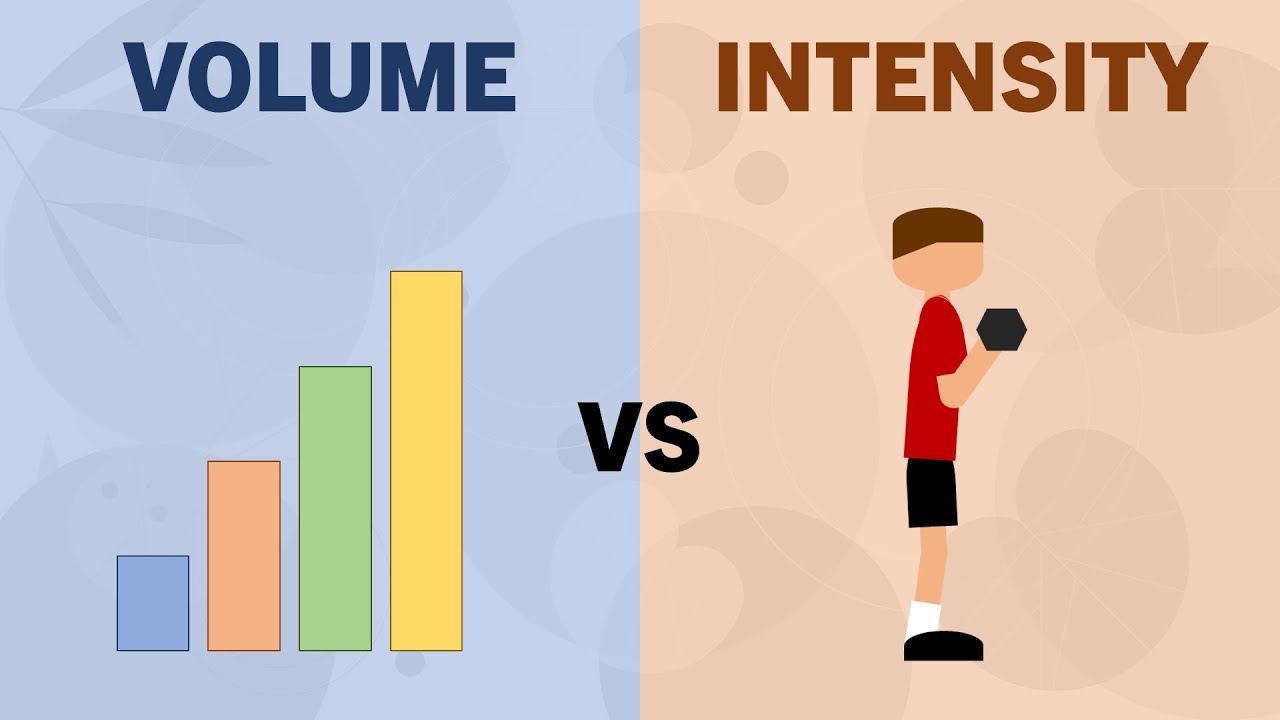
lot of people have become so fixated on volume that they aren't even really exerting themselves anymore and I think that's a good point I've also noticed this myself some trainees see optimizing volume as a way of getting out of applying appropriate intensity or effort so Jeff was saying this lack of training intensity caused by an overemphasis on volume is killing your gains so to kick things off quickly cover this new study from Barb following colleagues just so everyone's up to speed with where the science is on volume right now now the study was pretty simple
they split 40 young men with at least three years of training experience into four groups one group did five sets per muscle per week one group did ten sets another 15 is the highest volume group did 20 sets per muscle per week they did a push-pull leg split but it was only a three day per week split so they were only hitting each muscle once a week so they hit push once a week on Monday pull on Thursday and legs once a week on Friday so this was pretty much a bro split the exercises were
the same compound movements for all groups so the only difference was the number of sets they did per week on each exercise and then after six months of training turns out that the lowest volume group doing only five sets per week saw the best gains in the highest volume group doing the most sets saw the worst gains and I'll admit these results look a bit confusing at first they really do seem to contradict the prevailing volume model we laid out at the beginning in fact at first glance this study seems to point toward a model
that looks exactly the opposite the more volume you do the worse cajon's you get however there are two key factors we need to understand about this study first first of all even though the subjects had three years of training experience their lower body strength suggests that they actually weren't very advanced at all in other research shows that the more advanced you are the more training volume you can benefit from and the less trained you are the less volume you need for progress so these subjects were less trained maybe it's not so surprising that they responded
best to the low volume protocol and even though I do think that is a factor I think there's actually something much more interesting going on in this study which is a per session volume threshold basically the idea that in any given workout past a certain number of sets you don't get any extra benefit when it comes to hypertrophic stimulus from that workout now we don't know exactly where that per workout upper threshold is but in the mass article Greg Nickels references some rodent research looking at the muscle protein synthesis in a single workout in the
response seems to cap out somewhere around five sets so let's just assume for the sake of argument it's somewhere around five sets per body part per workout now let's say I had you go in the gym and do 15 tough sets for your chest in one workout you probably feel pretty wrecked at the end and somewhere around halfway through the workout your quality of training is gonna start to decline as well the form will get sloppier you do have less weight you less focused and so on but if I now told you to split up
those same 15 sets across three workouts spaced throughout the week now you could probably get much more out of those individual sets in terms of work quality and also not feeling as wrecked after the workout so going back to the barbell oh study remember the highest volume group was doing all 20 sets in a single workout in all of those sets were taken to failure so I think that rather than supporting the idea that volume is killing your veins outright I think this study just adds another layer of nuance it doesn't only matter how much
volume you should do in a week but also how much volume you should do in a single training session and this comes back to the importance of splitting up your training appropriately instead of just clumping all your volume in a single workout it'd probably be best to split that workload up across at least two or more workouts throughout the week so coming back to Jeff's video about whether or not volume is killing your gains I think this latest studies did in fact show that overdoing it with volume especially in a single workout can certainly impede
your progress and potentially kill your gains remember that 20 set group actually lost some PEC sighs so in light of this new data I want to lay out a few situations where volume into effort can interplay with one another to either kill your gains or maximize your gains so first we'll start with this scenario Jeff was talking about in his video where volume is high so let's say 20-plus sets per week per body part but effort is low so you're consistently leaving five or more reps in the tank that approach will kill your gains because
most of that volume is a junk volume you're just not training close enough to failure you're not stimulating the largest highest threshold muscle fibers you just won't grow much from that training style next let's look at a scenario where we say okay intensity is what really matters so let's start taking every set to failure so now effort is high but you don't adjust your training bump so now effort and volume are both high this is also bad because they're so much more likely to over train this will also most likely kill your gains and this
was shown in that 20 set group from the Barbelo study next let's consider a scenario where we keep our effort very high so we're so consistently taking sets to failure but this time we drop our training volume down clearly the bar below studies showed that this will lead to gains in fact I think this is a great low volume programming strategy for busy people who want to have quick workouts in other words you can still make solid progress with just a handful of all-out sets to failure for each muscle group each week but if you're
gonna take this low volume approach the intensity has to be very high now in my opinion this isn't the most optimal way to Train but it can get you most of the way there and it certainly won't kill your gains so for the right person this approach makes perfect sense lastly I want to look at a fourth scenario this is actually my favorite way to approach programming where you're trying to stay in this optimized zone of the volume gains curve generally speaking that's going to mean a moderate to high volume of training again fine-tune to
your training status and so on but also a more moderate level of effort where you're generally leaving one to two maybe three reps in the tank and occasionally going to failure and I just want to tweak your volume as you assess your progress in recovery in my opinion this is the best way to optimize gains and it can be easily fine-tuned and individualized so even though option three can certainly have its applications I'd personally rather go with option four because pulling back slightly on effort won't significantly hurt your gains we know that when it comes
to muscle growth the difference between going all-out all the way to failure and leave in a couple reps in the tank is very small whether good or bad so leaving those few reps in the tank has no downside unless you leave more reps in the tank than you should that does have an upside it will allow you to do more high-quality volume which if spaced and managed properly throughout the week will lead to your best gains so guys before we wrap it up I want to do a quick shout out to all the Black Friday
info for this weekend so first up everything on Jeff Jeff or calm is going to be discounted all weekend and on Monday so if any of you guys are looking to grab one of my training programs or the nutrition guide you can get the discounted rate until Monday also you can save 25% off a subscription to the mass for search review this weekend so if you've been thinking about stepping up your scientific knowledge of training and nutrition now could be the time to sign up also rise is doing a full home gym giveaway valued at
$10,000 so I'll link that giveaway down below if you'd like to enter and if there's anything that I missed I'll make sure I put the details up here on the screen or you can always check out my Instagram I'll be posting everything over there explaining what's going on for Black Friday and I also realized that volume is a controversial and complex topic in this video might just bring more questions and answers for some people but I think that's okay and regardless if you want to learn more I'll have two other videos that I did on
volume and other really helpful resources like dr. mike is or tells at volume landmarks linked down below if you'd like to read up some more on it so guys that's it for this one don't forget to leave me a thumbs up if you enjoyed the video subscribe if you haven't already and I'll see you guys all here in the next one