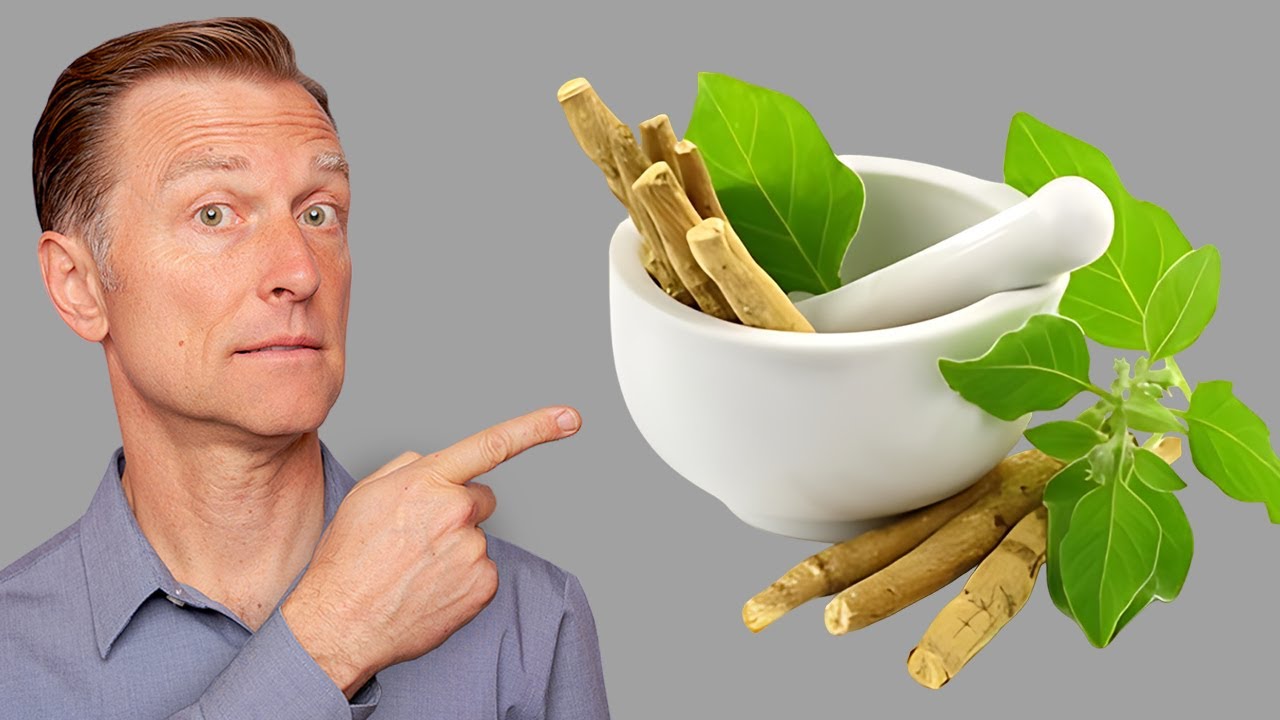
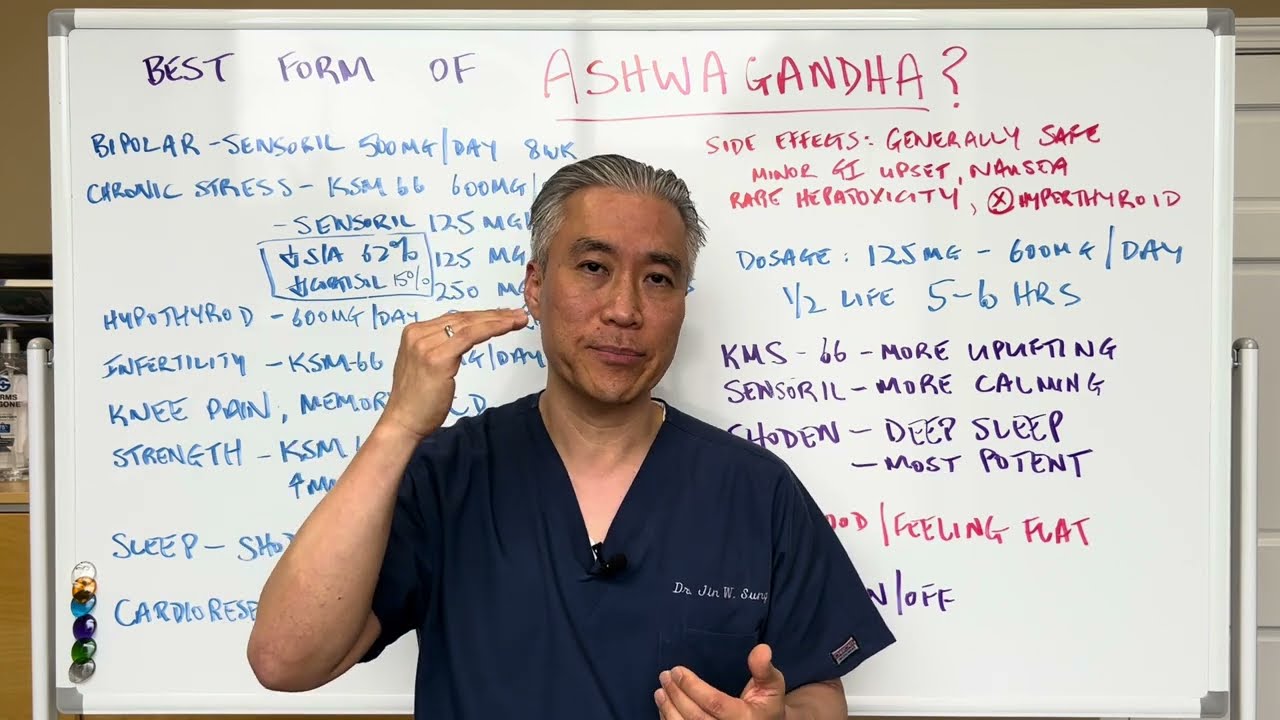
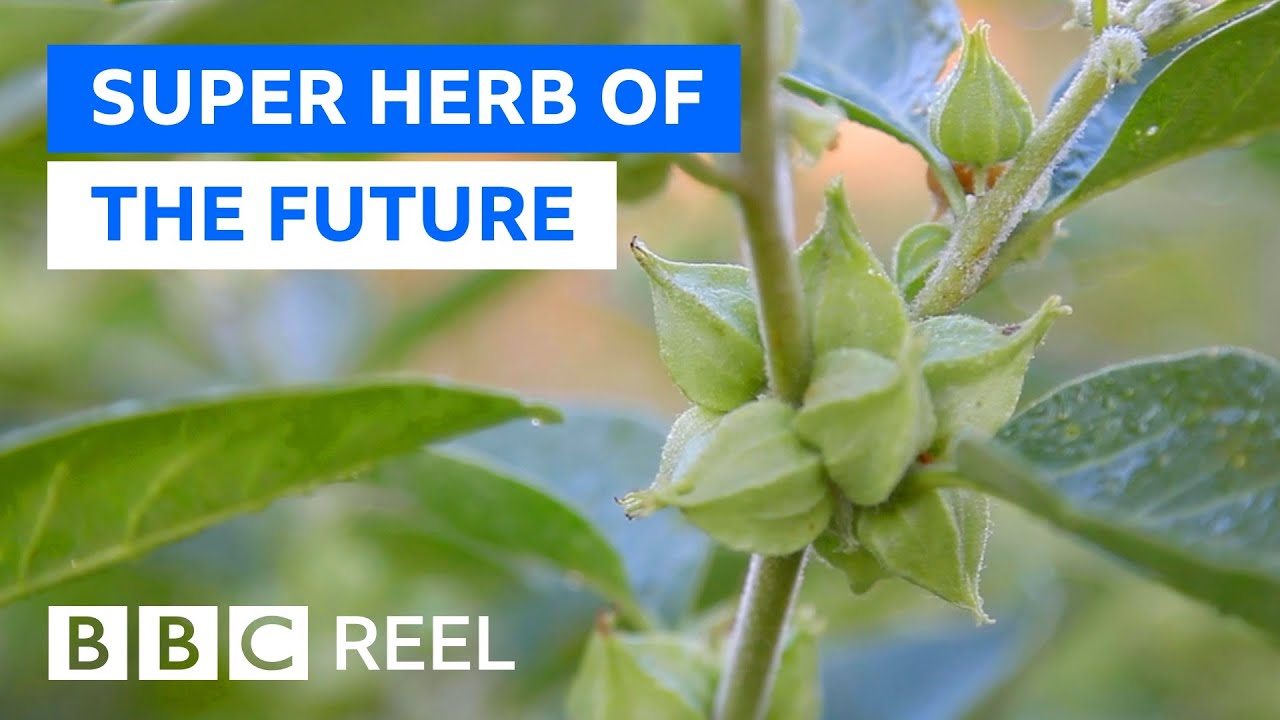
there are many compelling human studies demonstrating the benefits of ashwaganda supplements and it's blowing up in popularity but there are groups of people who should avoid ashwagandha and at the end of the video I'll share with you if I personally take it so how does it work and then we'll go through the human trials ashwagandha comes from an evergreen shrub cultivated in the tropical and subtropical areas of Asia Africa and Europe and it's named ashwag gandha because the roots are said to smell like a wet horse so ashwa for horse and gandha for smell it's
been used in traditional medicine as an adaptogen which is Loosely defined as a compound or product that increases the ability of a person to resist adapt or become resilient to biological physical or chemical stresses ashwagandha is rich in phytochemicals there's actually more than 50 different chemicals in it so it's really difficult to know which ingredient is causing the proposed benefits and is it from the root or the leaf it's thought to work by reducing cortisol which is a stress hormone it's also thought to have serotonin activity as well as act as an antioxidant so what
do the human clinical studies show well there's six main proposed benefits and the first one is around Stress and Anxiety we'll start by looking at a metanalysis which combines all of the relevant randomized clinical trials together and is summarized in this NIH ashwagandha article a 2021 systematic review identified seven studies investigating ashwagandha to treat Stress and Anxiety a total of 491 adults all from India with either self-reported high stress and anxiety or a diagnosed anxiety disorder were randomized to take either ashwagandha or a placebo for 6 to 8 weeks and in this video I'm going
to be focusing on the randomized control trials what we want to know is is there a true effect from ashwagandha over and above a placebo six of the studies used extracts made from the ashwaganda root alone or the ashwaganda root and the leaf combined or unspecified parts so like I mentioned earlier in the video it's quite difficult to know which ingredient from the ashwaganda plant is causing the benefits the dosages varied from 240 to 1,250 mg per day and overall the studies found that ashwagandha significantly reduced Stress and Anxiety levels it also reduced sleepiness and
fatigue and it reduced the cortisol levels compared to Placebo but when looking at systematic reviews it's not enough to just rely on the overall conclusion we need to go through the individual studies as well to make sure that the analysis matches the underlying data so if we have a look at this 2019 randomized control trial over the 8we study period there was a significant reduction in the perceived stress scores that was observed with ashwag gandha compared to Placebo we could also see significant reductions in cortisol levels as well as improvements in Sleep Quality and while
that's really encouraging that 2021 Metro analysis does state that there are significant differences across the individual studies and The Limited number of Investigations means further research is required the good news is that there have been multiple studies since that 2021 metaanalysis this one was published in April 2022 and it found that one month of ashwagandha supplements was safe and it had positive effects on cortisol levels cognitive ability self-reported stress anxiety and food cravings but this is a classic example of where you need to dig deeper if you look at the research both the placebo groups
and the ashwagandha groups improved there was no apparent difference when you compared to Placebo so if you're reading I like this yourself you need to watch out just because you see an improvement doesn't necessarily mean that that supplement is actually causing the benefits you need to compare it to the placebo there's one further anxiety study that we're going to look at which was done by the University of Colorado the authors found that while the descriptions of stress were comparable in both groups participants taking ashwagandha were more likely to describe their stress as manageable compared to
those taking the placebo based on these small studies and the 2021 metaanalysis the there might be small benefits from ashwaganda supplements if you're stressed or anxious more work is definitely needed but if you do suffer from stress or anxiety ashwagandha might be an option in addition to mindfulness and meditation remember though that there are groups of people who should avoid ashwagandha supplements and we'll cover that shortly the second out of the six proposed benefits is sleep multiple Studies have been done such as this one published in India of 150 healthy men and women aged between
18 and 65 they found that while both the ashwagandha and Placebo groups improved their Sleep Quality the improvements were much greater in the ashwagandha group compared to Placebo in addition participants taking ashwagandha showed improvements in sleep efficiency Total Sleep Time and sleep latency but that's just one study now let's have a look at another metaanalysis a 2021 metanalysis included five studies that were all conducted in India so a total of 372 adults were included the studies showed that ashwag gandha had a small but significant effect on improving sleep compared with Placebo the third proposed benefits
are increases in brain derived neutrophic Factor this is a nerve growth agent that helps to support and grow neurons however from the studies that we've got so far it doesn't appear that there are any differences from ashwaganda supplements so I'm not excited by that proposed benefit what is very interesting though is the possible benefits on athletic performance this 2021 metanalysis included 12 separate randomized controlled trials involving a total of 615 healthy adults and the review found direct evidence suggesting that ashwaganda supplements have a positive effect on different variables related to physical performance compared to a
placebo the analysis showed improvements in one rep max as well as speed and power and V2 Max and if we have a look at the individual studies showing these benefits here is a 2018 randomized control trial and it showed that the improvements in one rep max of squats as well as bench press were significantly greater in the group that took ashwag gandha and here is a 2021 double blind randomized control trial of 50 healthy adults and at the end of the study a statistically significant Improvement in V2 Max was observed in the ashwagandha group compared
to the placebo group and while those results are really interesting currently we don't have a good grasp on how ashwagandha is actually improving physical performance and reducing muscle fatigue in humans a lot more research is needed there is a lot of speculation about how Ash under might provide these benefits but again we don't have any firm conclusions yet the fifth proposed benefit are increases in testosterone in this 2019 randomized control trial that lasted 16 weeks we see that the ashwaganda group had a 14.7% greater increase in testosterone compared to Placebo and on the point of
testosterone there is a suggestion in the literature that there may be improvements in sperm Health however as this 2018 systematic review suggests the research at the moment is too limited Andes doesn't provide robust evidence about the benefits of ashwagandha with respect to male infertility but now let's have a look at the last proposed benefit from ashwagandha supplements there's an idea that ashwagandha may prove useful in treating diabetes however just like for sperm Health the research on diabetes is not considerable enough yet to provide sufficient robust research for the use of ashwagandha in managing diabetes we
need well-designed randomized control trials with a larger sample size to figure out if we should be using ashwagandha to help treat diabetes and one other interesting area of research is that ashwagandha supplements have been shown to extend the lifespan of worms but now let's go through the safety concerns and then I'll share with you if I take ashwaganda supplements in the clinical trials so far ashwaganda has been well tolerated by participants for up to 3 months of use common side effects are typically mild and include stomach upset loose stools nausea and drowsiness there are a
few reports of more serious effects associated with ashwag Gand use in an early report of liver injury associated with ashwaganda use a 20-year-old man in Japan developed liver dysfunction after using ashwagandha since then the use of ashwagandha has been linked to acute liver injury and other case reports these include five cases who reportedly took supplements of ashwagandha daily over the course of 1 week to 4 months when signs of liver injury such as jordis noria leagy and abdominal discomfort appeared in these cases the conditions of the individuals improved after they stopped taking ashwagandha there's also
some research in mice and humans that suggests that ashwagandha might affect thyroid function and experts advise against using ashwagandha for people who are pregnant because it may have serious consequences so am I going to use ashwagandha supplements well I'm not particularly stressed or anxious and if I make sure that I'm doing appropriate sleep hygiene and use my melatonin my sleep is great the athletic performance effects are really interesting but before I start taking ashwagandha I'd want to know exactly how ashwagandha is causing these effects and for me personally I'd want larger longer term studies to
see if there is a true robust effect from ashwaganda supplements plus the reports about liver toxicity should not be discounted but you might be in a very different position to me so if I had to take an ashwaganda supplement I'd look at using ksm66 I'm not affiliated in any way but this particular supplement has been used in a lot of the randomized control trials that we've talked about in this video and if you're interested in the supplements and strategies that I use to reverse the signs of skin aging make sure to check out this next
video here