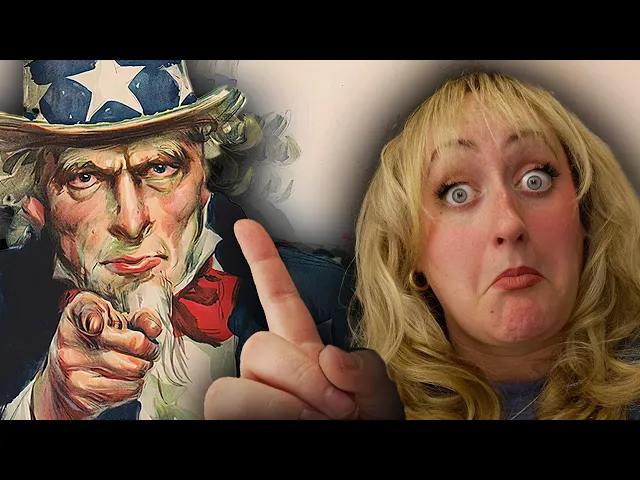
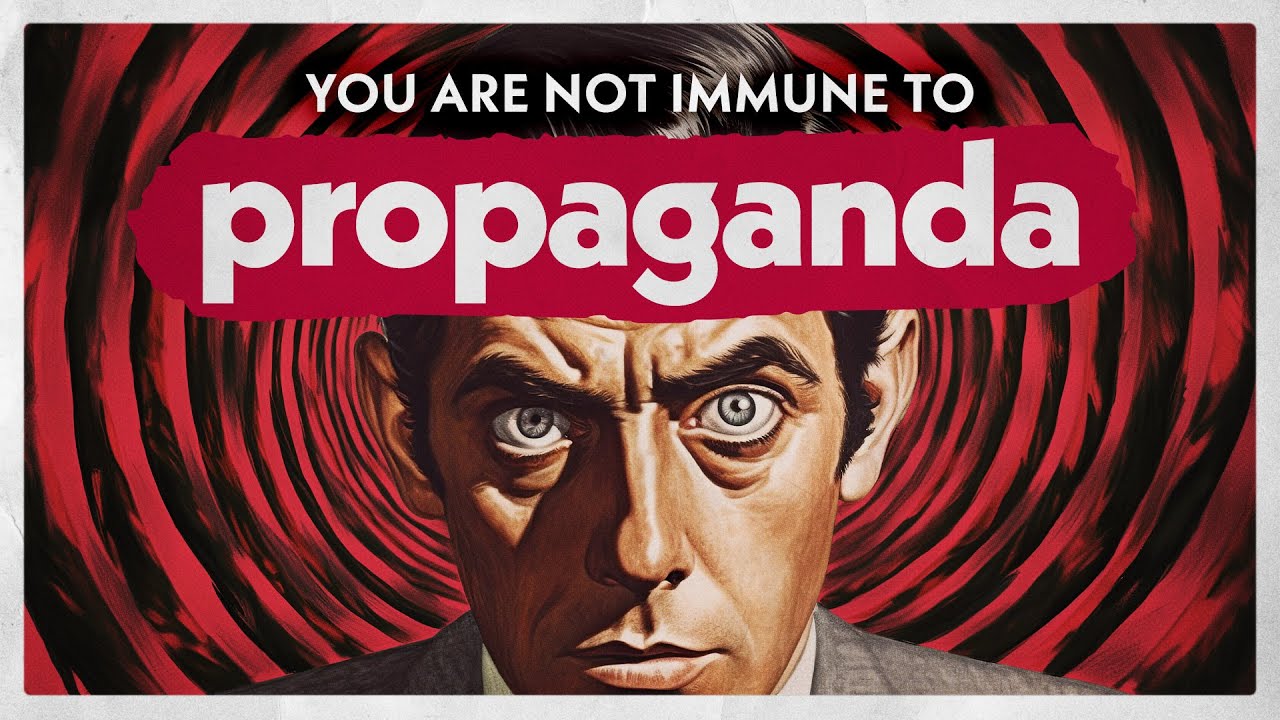
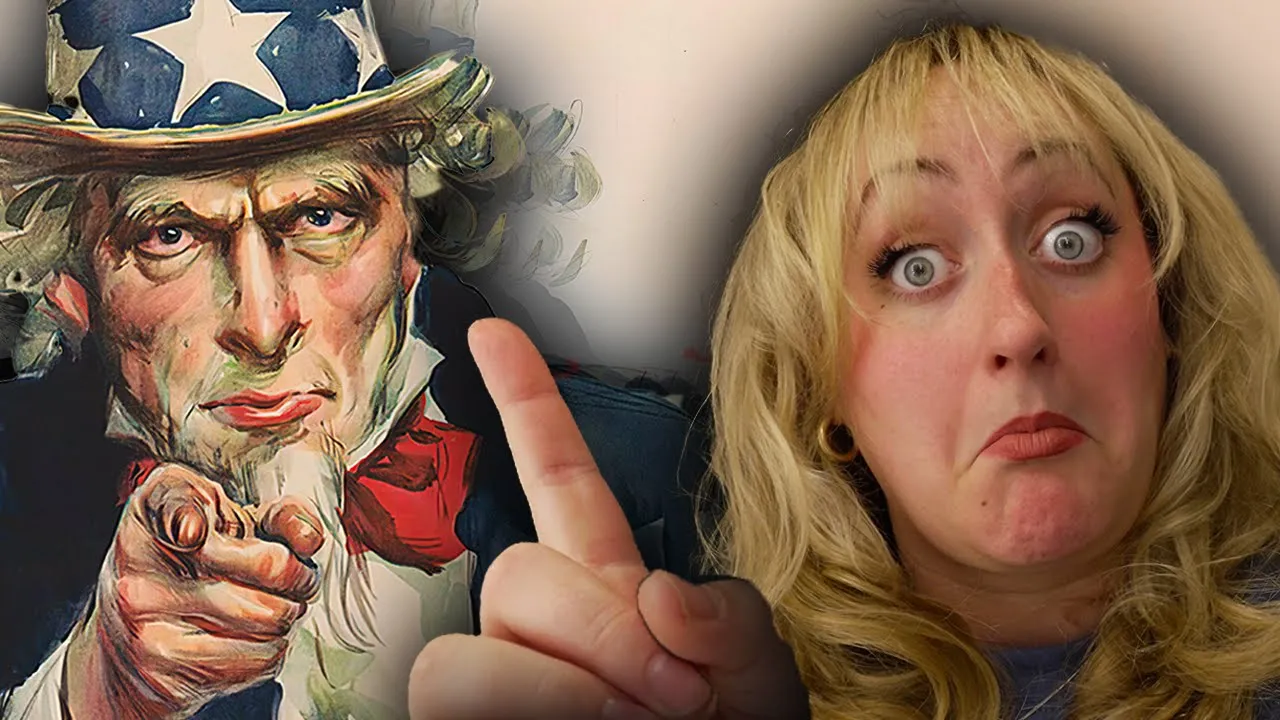
foreign hey guys welcome back to another episode of I'm hot and smart how does she do it we don't know it's probably AI this is a deep fake it's a deep pick of Tom Cruise okay you girls want to learn and I know you want to learn but you just don't know how and you get bored because Tick Tock has ruined our attention span and I think that as humans we love to be fed information through the lens of don't you want to know did you know and yeah I'm gonna fall for it every time so that's kind of what I want to channel here with you guys today is I want to tap into that morbid curiosity with something I've been hyper fixating on lately because when I like something you guys have to like something okay we have to talk about my hair because it looks great thank you guys for saying it I have been hyper fixated on World War one I watched this BBC special called world on fire because you guessed it you and Mitchell was in it hey hey made me cry like objectively a great TV show I really want to talk about specifically World War one's effect on Art and what was Art before the war and how how did it deeply and psychologically affect an entire generation of people yeah I think that propaganda is such an interesting thing and I was a communication major in college and we studied a lot of propaganda and useful and successful rhetoric techniques how do you incite a war and how do you incite support and success by using words you know because at this time you couldn't just hey I was about to say something so Millennial at this time you couldn't just send out a tweet but it's true you had to have in-person revolutionary meetings to spread ideas very Grassroots so let's get into it guys so sit down buckle up we're going to school and you can't leave because guess what I'm the teacher I've locked all the doors and you've got to take notes because there's a test at the end here we go [Music] this is the dark history of propaganda and World War one's impact on Art a video essay by me Brittany Broski so from the thumbnail of course you've seen these paintings and these posters right but what do they mean where do they come from it's very simple message but a heavy one I'll be focusing on primarily the British and American perspective of world war one I would also like to provide a Content warning if Gore or death or any of the horrors affiliated with war is enough to kind of make you queasy maybe skip out on this one all right or skip forward to the very end so give me that watch time Broski Nation give me something guys and as always when I do these art videos if you are thinking of using this as a citation or a source in any academic work you are working on don't don't use me as a citation on your essay okay so let's jump into it the contextual history of world war one's impact on art history so think about it it's turn of the century all right Stanley put some Ragtime music it's turn of the century okay it's 1914. industrialization women's suffrage technological innovations for both civilian and military use we're talking radios cars planes Cinemas assembly lines but adversely we now have the introduction of machine guns tanks aerial bombs things that we've never really experimented with before in quite a way as what was to come coupled with all of this is the steady and slow rise of German militarism which will be a common theme throughout this entire video so politically what's going on this is Crash Course European history but for idiots okay guys bruskin Nation stick with me guys take notes it's 1914. you got Austria Hungary and Serbia Austria-Hungary is part of the Germanic or German Empire Austria wants to crush Serbia's Independence because Serbia is seen as a threat to the expansion of the German Empire tensions come to a head when the assassination of the Archduke Franz Ferdinand it was done as an act of terrorism by a Serbian assassin and thus this started this inevitable sort of you know Snowball effective declaration of war Germany gives an ultimatum to Serbia and Russia they say you can back down or we're going to declare war on you and Serbia and Russia say I don't really feel like it thus Germany declares war on Russia and Serbia and France by affiliation because Russia and France are Allied so now Germany's heating up we're in full-blown War mode okay they want to attack France but the Western Front is way too like well prepared so the attack plan is to go through Belgium okay to get into France and invade France well guess what guys Belgium and the UK besties so the minute that Germany starts pillaging and kind of making their way through Belgium the UK is immediately involved thus begins World War one so British troops come down to join French troops to defend the Western Front and this really came to a head in 1916 at the famous battle of the psalm this battle of the psalm was so devastating this this introduction of trench warfare to both sides and a Devastation and brutality that we have never seen at this one specific battle Ally cash casualties totaled over a million this was a motivating factor for a lot of servicemen to join up and it was this fervent nationalism of like defend your country like patriotism like [ __ ] all this going on like we have to kill the Germans we have to fight the Germans and this influenced a lot of people to sign up but once you're out there and you lied on your application to join you're 16 17 years old your life hasn't even begun and you're at the Battle of the song here's about all the psalm disservicemen on both sides struggled to see a purpose right when you're out there and nationalism is pretty much all you got it's like well damn do I even like Great Britain that much damn there was nothing heroic or glamorous about this war it was arguably incredibly unnecessary incredibly preventable it was grotesque it was just by all accounts tragic it was just a tragedy like I said it was young men scrambling to join up lying about their age being encouraged by the government to lie about their age because they needed young and able-bodied men to come fight this war also at this time we see an outbreak of disease Spanish influenza hits around 1918 that coupled with permanent long-term effects of trench warfare if you have the stomach for it Google trench foot hey you are constantly wet it's just like a fun little breeding ground for infection so like I said at the beginning of the video this was a 20th century War being fought with new tech technology but 19th century tactics technology like airplanes chemical and gas Warfare tanks the Gatling gun machine guns this was a level of Rapid death that we have never up until this point seen what's the [ __ ] point of all of this what's up what are we even fighting for and so these sentiments that were Brewing you know both people at home and in the trenches on the Battleground this led to a general sense of disappointment and cynicism and pointlessness which will later be reflected in the art that is to come out of world war one so this cynicism and disillusionment really defined this literary and artistic period of the 20s what would come to be the 20s let's focus on how all of this all of that backstory how did that influence art right because art history is I think checking the pulse of humanity in a certain historical period it's checking the pulse of mentally where people were at new creative ideas they were exploring new beliefs new movements music literature art that is Humanity at its core and historical events battles Wars all of that is so external so all these external factors that are bleeding into the inside brewing and and coddling this fire of just cynicism it was sardonic and it was satirical and it was just so trying to make sense of this unnecessary absurd War so keep that in mind with all of these works that I'm going to go through so leading up to the first world war um I want to give you a little art history timeline where were we before what's going on here and what was to come after so the turn of the century into like 1900 we're looking at realism accurately depicting life as you see it and as art history movements go I would say usually each one is a an adverse reaction to the previous one so it'll usually be either you know you're building off of the previous one a little bit or it'll be the absolute antithesis of what it was before so if we have realism next up comes impressionism and Romanticism which impressionism is what it sounds like you're trying to paint an impression of what you're seeing so think Starry Night by Van Gogh right very impressionistic that is by no means an accurate depiction of what that Sky looked like so that's kind of where we're going right we're abandoning this idea of concrete realism so let me go a little further expressionism comes next expressionism and cubism and futurism and Russian avant-garde all of these different movements have to do with reducing figures and scenes down to their absolute basic elements okay colors shapes it's really what we're working with and then it's this full-blown death spiral into just cynicism and like I said satire the only way we can really make sense of this is we have to make fun of it right we like left our way through it so thus we land on abstractionism dadaism and surrealism which I'm sure you've heard of the very last one the common theme that unites all of these which is going to be kind of the rest of what I talk about is the Triumph of nonsense okay the failure of logic and rationalism because that's what this war was it was a complete rejection of logic and rationalism there is no way to justify and rationalize through death on that scale for no reason so all of this abstractionism surrealism this is symbolic to represent wars destruction and Horrors to represent the overwhelming noise and stimulation of war the smell of rotting corpses and cigarette Ash the taste of moldy biscuits when you're in the trench the feel of soggy [ __ ] boots that you've had on your feet for three weeks that's what these artists are trying to convey it's not so much about this is how the light looked or this is how this is an impression of what I saw it's the feeling the [ __ ] feeling of being there okay so there's two sides that I really want to highlight here pro war anti-war direct propaganda indirect propaganda and they go together so the moment you all been waiting for let's start with them Sammy boy ump okay Uncle Sam this is direct pro-war propaganda the official name of this piece is I want you for US Army nearest Recruiting Station this is from 1917 1917 is when Americans joined the War join the war effort this is by James Montgomery flag everyone knows this right this is a staple in American culture this is memed this is incredibly famous internationally famous this is Uncle Sam pointing his finger at the viewer and urging young men to enlist in the war effort right but the question is how do you get American people at home to give a [ __ ] about this distant overseas War right and the answer is you make the threat immediate and real so the US government creates a committee for public information a war propaganda committee where they hired flag who was the artist who was a commercial illustrator and the rest is kind of History so this is the first and I would argue probably most important one to come out of you know pro-war propaganda the second one and before I kind of get into that I need you to understand that when you're dealing with political propaganda like this the goal of course is nationalism it's patriotism it's to Rally the people but in doing that to be successful at that you have got to dehumanize the enemy you have got to draw the line in the sand but it's US versus them a good tactic to dehumanize your enemy is to portray them as an animal any countries military propaganda it's gonna involve an animal so here it is we've got destroy this mad brute by H.
R Hopps this is again 1917. so what are we looking at here so this is a dribbling ape-like German who is wielding a club bearing the word Coulter which is culture and wearing a pickle military helmet with the word militarism across the top he's walking under the shore of America while holding a half-naked woman in his grasp possibly we're to infer that that's Lady Liberty in his arms now this one was t because this poster demonized Germany as the enemy German Americans were a big percentage of the American population at this time and so the US government was like maybe cool it on the [ __ ] mad brute [ __ ] because the German America we don't want them to feel and then there's going to be a well guess what they didn't listen and uh it ended up being a real problem you know in German Americans Germans who were living in America red scare-esque behavior of are you a spy are you a German spy and so internally now this is the FBI becomes involved in all of this and they're trying to scout the German spies and the US government passes the Espionage and Sedition Act which basically approved a bunch of FBI agents to kind of go out into American society and you know report their findings now who is a great Community or group of people to Target in this sentiment artists because of course if you're anti-war or an artist you could be considered a German sympathizer artists at the time were considered a Potential Threat to National Security so now we see this this is this is on the American side let's completely flip pages and let's go to anti-war indirect propaganda so this is by John Singer sergeant and this is called ghast and it was from 1919. a sergeant was an American anti-war painter he traveled to France with British surgeon and painter Henry Tonks in 1918 and simply put he painted what he saw and what a [ __ ] sight British soldiers on their way to a dressing station which were Hospital tents that they would set up on the Battlegrounds where they'll be treated for mustard gas exposure everyone is blind folded because the gas would burn the eyes sometimes even permanently blind them if you look over on the right side there's a young man in a second line who's vomiting as they're walking and over on the right side as well you can see the tent ropes of this dressing station they're visible and in the middle of the painting is a football match which is being played in the afternoon sun I think it's such an impressive thing to convey of first of all all the bodies on the floor you know are these soldiers resting from this gas attack are they dead you know who it's the blind leading the blind like what it's just so much chaos and tragedy and somehow he has managed to capture this incredible dichotomy of they are clinging to normalcy as hard as they can but how can you cling to normalcy how can you be [ __ ] normal when this scenario is your reality the whole painting is reminiscent of the Yellow Smoke and nature of the mustard gas okay so this painting right you're looking at it the size of this painting is the size of a movie screen this [ __ ] is [ __ ] huge and that scares me maybe I have that fear of what's called megalophobia when I see something big I'm like it's just a painting I think also immediately what comes to mind here is the blind leading the blind literally they're blind you had to wrap that around your because you it was just what a metaphor is that the blind leading the blind unqualified soldiers who joined up who are leading unqualified soldiers who lied about their age into this pointless absurd War for what they don't benefit from it in fact they're treated like [ __ ] when they go back to the UK and how do you keep how do you maintain a certain level of patriotism how do you not become resentful right this next one is by a German painter named Otto Dix who is incredibly incredibly important when we're talking about World War one and art Auto dicks and Pablo Picasso were both very inspired by Goya and I've actually done a video on Goya if you want to go watch it very inspired by goya's etchings and his black paintings and his nightmare paintings and you can really see which is cool the direct influence that Goya had on auto dicks and on Picasso so let's look at this [Music] this is called Shock troops Advance under gas 1924.
this depicts German soldiers using gas masks launching a mustard gas attack on British soldiers here human beings become mechanical monsters the gas mask isn't just a mask it's a new face it's a replacement of the human face for that of a robotic inhumane monster who is capable of doing these war crimes of committing these atrocities what's the most terrifying about this piece to me is that they're looking right at you the viewer of this painting is a victim right like it's supposed to instill that fear in you of being there and I think that's what makes it so visceral so Otto Dix was a German painter he served in the war on the side of the Germans obviously he fought at the psalm at the Battle of the psalm he was pushed and pulled to the Western Front the Eastern front and back again he was injured injured again recovered and injured again until finally the war was over and he was dismissed when he got back to Germany he was sickened by how ex-servicemen were treated even there as well he became incredibly incredibly anti-war once he returned home he created perhaps the most powerful as well as most unpleasant anti-war statements in modern art the quality of Truth to the vulgar and psychologically wounding experiences he was painting I think that's what set him apart from other War artists right it's this commitment to the truth-telling of what the [ __ ] was happening and there's so many Autodesk works I could go through like all of them are just so viscerally impactful so in the same vein of another anti-war indirect propaganda right because how can you look at that and be like oh this is great oh this is good the next one I want to talk about which is the world famous Guernica by Pablo Picasso this is from 1937. so this piece is super famous you you probably have seen it it's about the German bombing of the small Spanish Town of Guernica this bombing was done for show this was a small civilian community and this painting I think by nature of Picasso's style but also just the subject matter and how he did it it's mocking the war as just a meaningless senseless act of violence it's a Slaughter it's an irrecoverable trauma Picasso is saying Western Civilization is a joke it is so hypocritical and you can only show this in paintings you know you can't fix it especially an artist you can't fix it and so it's like what do you do that helplessness it's this need like art needs to do something about this dissolution of society and morality but it can't it's a painting the effort is sort of wasted because if so pieces like Guernica would end the war it would stop the war but it's not possible but since it can't the place and role of Art Society had to be renegotiated right it had to be reconsidered so from that this movement sort of crescendos into post-modernism which is a whole other video I could get into and if you look at this close enough you'll see that there are clear Inspirations and influences taken from goya's third of May 1808. so this next one is another German artist who after the war became anti-war this is called Night by Max Beckman from 1918.