hi and welcome to my lecture on the comstock load i think the first thing i'd like to say about the comstock load is that it was very much like the gold rush except it had to do with silver as you know the gold rush occurred between january of 1848 all the way through the mid-1880s as you'll recall hydraulic mining was outlawed in the gold rush in 1883. but let's turn our attention to the comstock load the comstock load was essentially silver that was found in nevada namely in the sierra nevada mountain range uh in nevada
that lasted from 1859 to 1879 and within that 20-year period over 300 million dollars was extracted worth of silver from the depths of the earth in the sierra nevada mountain range and again we'll talk about virginia city virginia city nevada was developed in the 19th century and it was very much funded by one of the richest of the silver kings by the name of john mccain john mckay was a very nice man a very rich man and he ended up funding not only the development of the town that you see here this very quaint 19th
century town but also he was very kind to people throughout the area for example if an artist was poor he would help to commission artwork in order to support the artist if a member of a family died he would end up paying for the funeral and the memorial services for individuals he was a very nice man very giving very much had a philanthropist spirit i this next slide has to do with the kohler mine and this was a famous mine it was actually developed in 1861 and you can see if you look at the bottom
left-hand side of the slide you will see a railroad tracks where little railroad railway hearts would actually go into the mine and this is where the gold would be extracted deep into the mountainside so here speaking again of uh john mckay here he is in the slide again one of the silver kings and there are four silver kings and i have actually slides of three of them so we'll start with john mckay who was as i've described him earlier uh and then there is james fair who was also a silver king and he was uh
very much instrumental in building a lot of what is today uh the fairmont hotel in fact his daughter ended up finishing the hotel for him on nob hill and so much of the 300 million dollars actually found its way into san francisco and particularly with the development of knob hill so james fair after whom the fairmont hotel is named was one of the significant individuals in this silver rush the next is james flop and again he was the the third silver king and james flood uh was actually a very important individual there's the flood building
in san francisco that is named after him and by the way he was in business with the fourth of the silver kings whom i don't have a picture and that's william o'brien both james flood and william o'brien owned the washington bar and grill in north beach let's talk about a very significant man in the comstock load this is adolf sutro adaf sutra was a very uh interesting man essentially born of jewish ancestry in prussia and near germany and what is important to know about him is that he was trained as an engineer and he actually
came to the united states um when he was a middle-aged adult young to middle-aged and he ended up uh doing a lot of uh projects he was as i said an engineer by training and he had a part in the comstock load um and and in his role as engineer and so uh he was very interested and in helping to build a tunnel a tunnel a specific tunnel in nevada near virginia city that would be about four miles long i'll describe it to you a bit later but essentially adolf sutro needed funding in order to
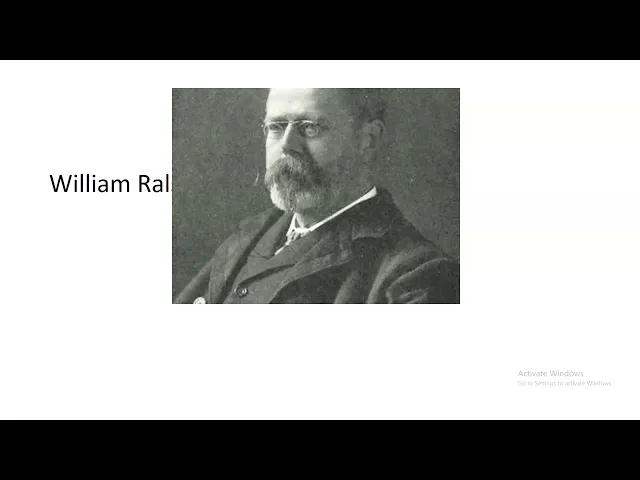
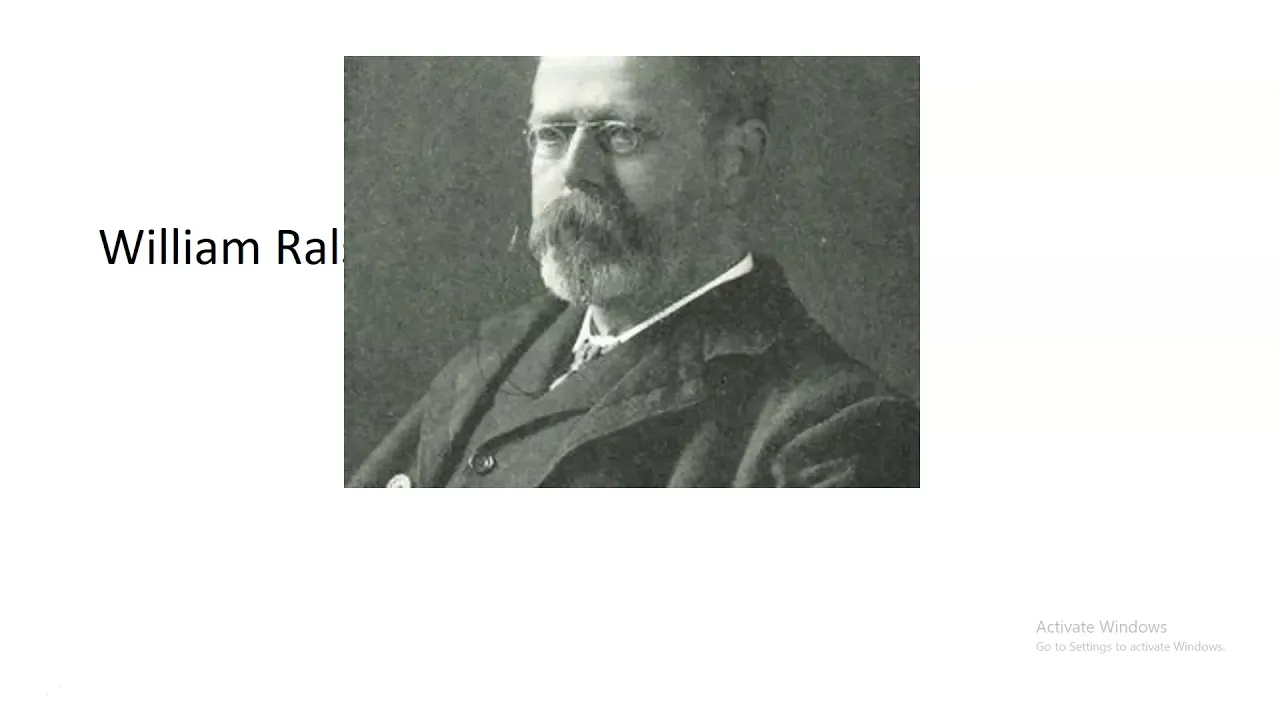
fund this major uh construction project and engineering project and he went to none other than william ralston you might not see his full name here but it's william ralston r-a-l-s-t-o-n and william ralston was the owner and the president of the bank of california a very prominent businessman adolph sutra went to him and asked him for some funding and initially william ralston was in favor of the project and actually agreed to fund it but soon adolf sutra would learn that william ralston would renege on his agreement to help fund this what would be an engineering marvel
namely a tunnel that went deeply into the mountainside in nevada for gold for silver mining and so of course being quite upset by this adolf sutro ended up uh going to virginia city and ended up going into this piper's theater as you can see here in the slide and in the piper's theater he essentially gave a lecture about how important this was and how he needed to gain uh finances in order to build such a tunnel that he could not do it alone with his own finances and he ended up getting a lot of buy-in
from a lot of investors and minors and people who had the means in order to help out he ended up giving a lecture in this piper's theater essentially both literally and symbolically passed his hat around in order to get money uh to help fund his project and indeed he was eventually successful and got enough money to actually build the sutro tunnel but before we go on to talk about the sutro tunnel i think it's important to say that adolf sutro had a very prominent role in san francisco he was at one time in the 1890s
the mayor of san francisco he actually owned much of the western part of the city he eventually would own the cliff house restaurant he would actually have his estate up in what is now known as sutro heights park where you can still see today the remnants and the foundation of the sutro house he of course built uh in 1895 finished what was known as the sutro baths which was just above the cliff house and which now only has its foundation that that exists uh which you can see uh if you look over the lookout near
the clubhouse you can see the uh these concrete foundations to once what was once the uh sutro baths and so we have uh a lot of that that went on so we have here in front of us some miners that would end up mining you can see that they have their gas lamps they're dressed as miners they've got essentially what looks to be hard hats on and they're ready to go into the mine and so there was a lot of this that went on um in the gold mines and this is a picture it was
taken sometime between 1869 and 1879 so here we have a picture of the entrance to the sutro tunnel and sutro actually wanted to um build this tunnel in order to do several things the first thing that he was out to do is to lower the very excessive temperature of 120 to 170 degrees by bringing outside ventilation into the mine which allowed the noxious gases to be released into the atmosphere the second thing is he wanted to provide a drain he wanted to be able to drain the flooded portions of the mine of of the water
the third also very important idea was that to bring ventilation proper ventilation to the mine and finally he was able to build downhill transportation of the ore that was um very much part of his plan he was very very successful in with this project extraordinarily successful with this project and as a matter of fact so successful that he made a ton of money on the project which in turn allowed him to buy up a bunch of property in san francisco as i had already indicated to purchase the cliff house to build the sutro baths and
to essentially be a bit of a philanthropist in san francisco again he owned a lot of land in the western part of san francisco so i think that that's an extremely important aspect that that needs to be uh mentioned but let's talk about the silver mines because this is very very important the comstock load as i said there was 300 million dollars worth of silver that came out of the comstock load between 1859 and 1879 but i would like to paint a picture here of how very difficult it was the the conditions were extraordinarily difficult
so let's talk about the minds themselves in terms of the minds the minds operated 24 7. that is 24 hours a day seven days a week miners could work one-hour shifts and would get paid about four dollars a day this was the highest mining rate in the world at the time also miners would have to walk one to two hours yes you heard me correctly one to two hours to get to where the silver veins were the pace started when they got to the vein not when they entered the mine itself also if you can
imagine mines were very dark and damp cold and muddy the men worked by candlelight and those candles would cost about 60 cents each and they would last for about two hours each and the men had to pay for them out of their own pockets there was hand drilling hammers and chisels it was a two-man operation with a four-pound hammer chiseling into the earth you were lucky to drill four feet in an eight-hour period of time later they actually use nitroglycerin and dynamite to blast out the internal parts of the mines in order to get better
access to the silver if you could imagine there was always the danger of hitting a vein of hot boiling water that could come out and hit you uh very quickly and scald you there was flooding inside of the mines they have to had to use hand pumps to pump water out and this was before of course sutro tunnel was invented in order to avoid some of that also imagine this excessive temperatures when you got down into 3 000 feet underground the temperatures were from as i said before 120 to 170 degrees fahrenheit this was absolutely
horrible the mines could only be worked for about 15 minutes at a time and then the men were taken up to a cooling room which was at a high elevation and they stayed in this cooling room for about 45 minutes and then they would go back down into the mine to work the hot conditions and then only to have to come back up to be cooled again diseases were quite common pneumonia was rampant tuberculosis various lung diseases respiratory illnesses due to inhaling these noxious gases fumes also as you won't be surprised there were accidents boiling
water would burn scald dynamite and nitroglycerin blast would often cause rocks and and cave-ins to happen these hoisting cages which used a pulley system to hoist these miners up and down into the mine there were about 50 miners were crammed into this cage with this pulley systems and sometimes yes you guessed it right the pulley system would break and all of the men in the cage would fall to their death can you imagine such a thing thousands of feet falling to one's death and then as i said earlier and i want to uh punctuate this
point that there were cave-ins when you're in the middle of a mountain and if it wasn't properly framed and buttressed you could have cave-ins which would also cause not only deaths but would cause a great slowdowns of the mine and they would have to re-drill and re-dig the area out and then to uh brace it but of course the loss of life was the most significant and sad feature of this whole affair so as we saw earlier there was the caller mine and this was the mind that is separate from everything and is at the
end of the town in virginia city and if you ever go there it'll give you a very good idea of what miners went through they do a little tour through the kohler mine and so that is um a very kind of interesting tour that you can take i took that a while back and it was very instructive you got a really good sense of what it was like to work the minds so at any rate um this concludes my lecture about the comstock load i think what is important to realize is that it very much
had to do with california history even though the event itself took place in nevada that a lot of that money uh came through san francisco and just to give a few examples as i noted earlier it helped to build knob hill in san francisco and also of course adolf sutro became enormously wealthy as a result of his successful sutro tunnel which we see again here on the slide which gave him the wherewithal and the finances to buy a lot of property particularly on the western side of san francisco as well as to own the cliffhouse
restaurant as well as to be able to build the famous sutro bands so thank you very much i hope you've learned a lot in this lecture and please go ahead and read the portion of the textbook that talks about the comstock load i hope you found this interesting and certainly connected to california history thank you very much and i'll look forward to our next lecture bye bye for now