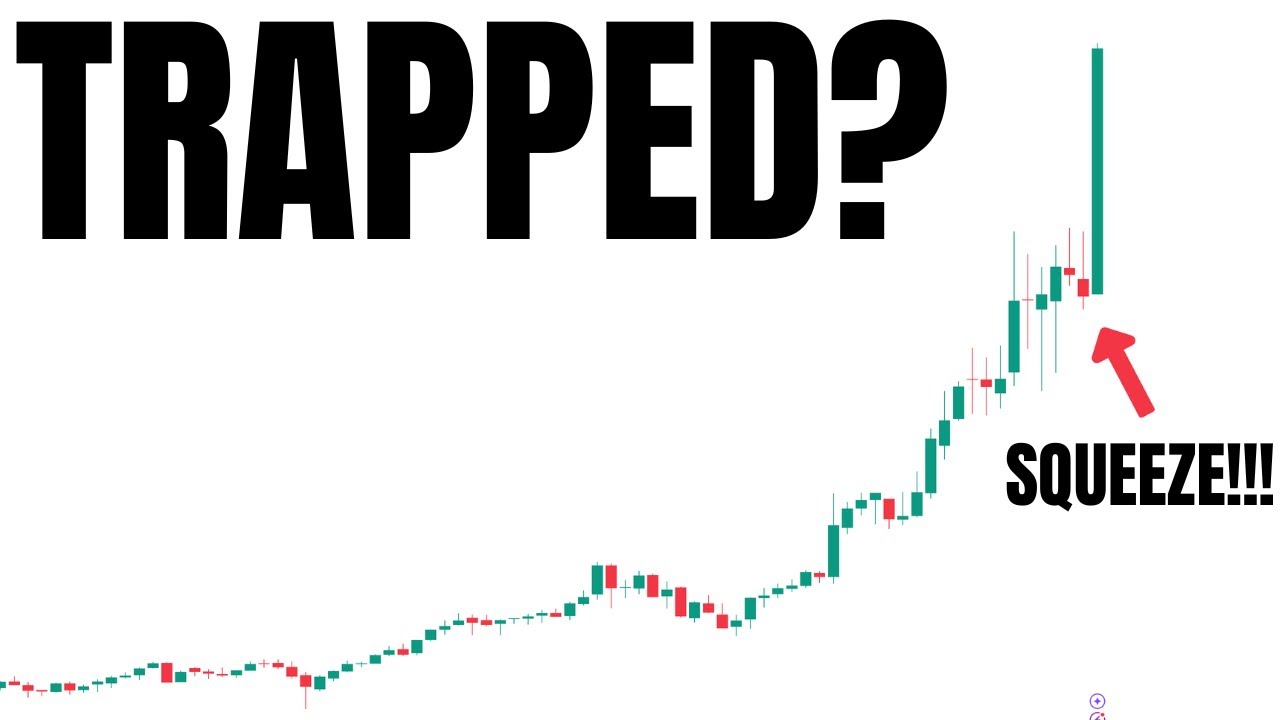
hello my friends today is December 14th and this is Markets weekly so this week another good week in markets we have the NASDAQ making new all-time highs now going forward we are heading into a seasonally very bullish period of time there's this great chart from guer Capal substack I believe he gets it from Scott ruer of Goldman showing that over the past few decades these last two weeks in December tend to be pretty positive now Jim Caron who studies the options for CL notes that this is because there's a lot of hedging activity due to
longer dated options like leaps but in any case the data strongly suggests that we are heading into a bullish period and again everyone already knows that uh doesn't mean we can't go down by the way all right so today let's talk about three things first last week we got a whole bunch of Central Bank meetings and it looks like the global rate cutting cycle is accelerating so let's talk about what happened with respect to central banks second big news the past week on China looks like we're going to get more China stimulus again I feel
like we've seen this movie before but it looks like the pull-up Bureau over there is becoming more serious and lastly let's go for some interesting research from the bis about the relationship between interest rates and housing okay starting with foreign central banks so the past week we got bra cut news from three major central banks the Swiss National Bank the European Central Bank and the Bank of Canada starting with the SNB now the SNB is different from many other central banks like the FED they like to surprise the market so last week the S&P did
indeed surprise the market everyone was expecting a 25 basis point cut but the SNB gave a 50 basis point cut now when you're thinking about the Swiss National Bank it's important to realize that when you are thinking about these smaller countries foreign exchange is a really big part of uh the transmission of monetary policy now for the Swiss because there's been political turmoil in euroland a lot of money has been pouring into the Swiss and causing the Swiss frank to appreciate now that's a big problem for the SNB because Switzerland obviously is small country very
open economy a lot of their GDP is through exports right selling watches selling chocolates and so forth and so when the Frank appreciates that's bad for their uh businesses and it puts downward pressure on inflation so deflationary pressures now the SNB is actually forecasting for inflation there to be around zero going forward and more importantly they know that that inflation could even become negative so they could have deflation so they're not actually ruling out a return to negative interest rates again a lot of this is to manage the currency now the SNB can also deploy
balance sheet measures in the past they have Act actively let's say sold the Frank and like taking the proceeds to buy say Apple stock or something like that um but they're not doing that so far so far it's still about interest rates so the SNB is one of the more interesting central banks in the world because they could really return to negative interest rates whereas I think when we look at the US I don't think anyone thinks that we're going to go back to zero um moving to Canada now the Bank of Canada surprised well
not so much surprised the markets but they they did another 50 basis point cut their second 50 basis point cut so this again is about two things again looking at inflation if you look at their measures of inflation you can see that inflation is not a problem in Canada their measures of inflation are very much within their target range but on the other hand if you look at their unemployment numbers it looks like it's jumping higher most recently unemployment rate went up to 6.8% and there seems to a lot of excess capacity there now when
you're looking at unemployment rate in Canada it's really important to keep in mind that they've also had tremendous tremendous amounts of migration so again when you're thinking about the economy it's not just what the central banks do but also what the government is doing and if you import millions of people as much as 3% of your entire population in a single year obviously you're going to get a lot more people looking for work and that increas in Supply and labor is going to cause excess capacity and a higher unemployment rate and in fact there's research
from the Bank of Canada that shows that the jump in the unemployment rate is largely due to newcomers so this interesting chart here shows that uh the unemployment rates for newcomers that is people who uh entered Canada within the last 5 years is notably higher than others and it's been rising at a fast rate so when you're a newcomer often times you have language difficulties you have cultural difficulties and you just don't have as strong a professional Network work so uh very easy formula increase your population hugely unemployment rate goes up and obviously uh their
mandate you know does not like other central banks don't really distinguish between immigrants and Native people and so uh they have to pay attention to that and they're easing again and suggest that they're probably going to be more measured going forward when it comes to cuts and last week we also had the ECB again cut rates now there were some Whispers of a potential 50 basis point cut but we just got 25 basis points now in addition to that you can see from the ecb's forecast why they were um they're on a rate cutting cycle
so their forecast for inflation revised lower and for growth Revis lower again now there's a lot of headwinds happening in Euro Zone especially ahead of potential tariffs which I the EB also hinted at now Europe again is a a lot of countries in Europe like Germany export a lot of stuff they have a big Trade Surplus with us and tariffs would be bad for their economy on top of that there is of course some degree of political uh disorder in France as we've discussed in the past and that all harms sentiment now the ECB seems
to suggest that even though they did not have a 50 basis point cut on last week they're going to continue to do 25s of for the uh maybe next few meetings again this could all change uh but so far that that seems to be what they're telegraphing so we got a whole bunch of Central Central Bank cuts the past week and next week we have the fed and the boj and we'll find out what they do pretty soon okay the next thing that I want to talk about is what's happening in China now over the
past few months we've we've got we've seen this headline over and over again Chinese authorities or the PB just jump out and talk about some kind of stimulus right so for context China has not been doing well over the past uh let's say few years they've had a tremendous implosion in their property market and property is a big part of their economy a lot of businesses build homes and sell to the public and the public likes hold homes as an investment and it was all working really well when housing prices were going up um but
they haven't been going up for some time so households are facing a negative net worth impact again they're feeling poor and so there's less animal spirits and the businesses that are that borrowed to develop homes are underwater so that's been a huge drag on the Chinese economy and on top of that again China is a big export driven economy and so some of their major exporting uh people that they export to like the European Union are not doing that well as well so uh looking at say Chinese uh CPI Chinese growth numbers they've just not
been good over the past few years um now as authorities try to jumpstart the Chinese economy it doesn't seem to have been very effective now we all remember that let's say in uh September they had some noises of big stimulus we had major US investors go on go on TV and say buy everything China but if you look at their stock market after that jump it doesn't really seem to have gone anywhere now the authorities seem to be becoming more and more concerned because heading into next year we know that we are heading uh into
a probably more contentious period in in global trade where president Trump has promised to Levy big tariffs on China so again the US is a country that has a lot of Leverage because it is the largest consumer Market in the world the US is the client and when you're the client you have leverage so when President Trump makes angry noises to Mexico and Canada about enforcing their borders the president of Mexico immediately tasks the military over there to reduce migrant flow through Mexico and immediately there is less um illegal migrants into the US when President
Trump makes similar noises to Canada Governor Shau rushes to marago and then goes home and Promises to enforce border security clear uh more strictly so obviously the US has a lot of negotiating powerder but when it comes to China though again China is a much bigger economy than Mexico and Canada but also at the moment it is also in a weaker State and so when you're thinking about what China would do uh it's not super clear they could fold like other countries but maybe they're not going to fold and maybe they're trying to put themselves
in a better negotiating position so the new news the past week is twofold on the China stimulus front first the P Bureau is noting that they're going to have monetary policy to be moderately loose now I'm not a pboc or a PO buau Watcher but the people who specialize in this say that moderately loose this language is very very strong the last time we saw this was during the great financial crisis over a decade ago and so this suggests that the authorities over there are going to put stimulus uh on a level comparable to what
was during the great financial crisis so that's big big stimulus and that suggests again maybe things will get uh things will turn around although we don't see that in their stock market yet the other thing is that they also suggested that they're willing to let the R&B depreciate to as much as 7.5 now again depreciating their currency it's another tool to help stimulate uh their export growth which is a big part of their economy and they seem to be trying to uh bracing their themselves for what could be further trade Wars suggesting that maybe this
um may be going forward they're not just going to fold as easily as other countries and so we could have some more contention next year uh but in any case the these announcements have been coming for some time we'll see if this one is more meaningful than the others and the last thing that I want to talk about is this interesting study by the bis on the elasticity of housing Supply and its relationship with interest rates so when you think about any commodity or product you think that as prices go up you have an increase
in supply of that product or commodity and that increase in Supply would put downward pressure on prices say let's say the um price of I Ora were to Surge you'd expect mining companies to build new mines and when those mines come online that increase in Supply would put downward pressure on prices or let's say there's a huge demand for cars then car companies would build new manufacturing plants and when those manufacturing plants come online that increase syst imply would put downward pressure on auto prices now the bis is fighting that that's becoming less and less
true when it comes to housing in developed markets housing has become less and less elastic over the past few decades although in Emerging Markets it's still pretty elastic uh what that means is that when house prices go up you don't actually get more of a supply now in the US just looking at the US that seems to be largely driven by heighten regulation so a lot of building is about local zoning laws and local politics now looking at States like Texas where it's easier to build you can see from this interesting post that uh in
one month in the past the number of homes permitted in the metro area of Dallas was greater than the number of homes permitted in the entire State of California a state that is known to have very strict regulation so in some states it's still very easy to build and so over the past few years you've had an increase in Supply and that increase in supply has led to downward pressure on home prices and taxes and other states where it's known to be easy to build like Florida but as a whole though in the US housing
supply has to become less elastic to prices and so you know you have this weird weird dynamic where when monetary policy goes up or down you don't actually have too much of a supply and housing impact as you have a house price impact so what the study finds is that because the supply of housing has to become less elastic in developed markets when interest rates go down you don't get more houses built you just get higher home prices and when interest rates go up um you just get lower home prices so it doesn't seem to
be a product unlike other products that's responsive to prices uh in terms of the actual Supply now another interesting point that this research makes is the impact of monetary policy on rents now when we're talking about inflation what makes it into the CPI is not home prices but rents now looking at CPI index in the US you'll notice that over the past couple years a Big Driver of CPI inflation has been elevated shelter inflation that is to say high rental growth so whether or not rents whether or not CPI gets back to 2% a big
part of that will will have to do with whether or not rents come down or decelerate so the interesting finding in this piece is that rents don't actually respond to monetary policy so the FED is hiking interest rates to try to slow down the economy ideally of course to get rents to decelerate but there their finding is that it doesn't really impact rental inflation so and that that's a problem because as we can see from the CPI chart rental inflation is a big part of CPI so it's another point there where monetary policy is not
super impactful on the Ral economy if you wanted to get shelter inflation down it seems like you would have to go through the government path try to loosen zoning laws increase the supply of homes and maybe that would get shelter inflation lower but monetary policy seems to be not very effective on that front okay so that's all I prepared for today uh this week we have uh the FED meeting so I'll be back to debie on what happened at the December fomc meeting again the market is pricing in a 25 basis point cut uh my
sense my best guess is that of course we'll get the 25 basis point cut and it will be a doish meeting um all right and if you're interested in hearing more my thoughts check out my blog fed guy.com this week I will write about why I am bearish for Equity markets next year all right right talk to you all soon