[Music] hey my name is Chelsea Fagan and I'm the founder and CEO of the financial diet a totally independently owned and operated company of women who love to talk about money welcome to the financial confessions a weekly show where we talk to people about their personal finances their professional industry and how money shapes their lives you can listen to or watch new episodes of the financial confessions every week on YouTube or your preferred streaming platform you can also support tfd and get exclusive access to our entire catalog of AdFree bonus videos workshops Discord Community our
book club and more by joining our members only community on patreon or YouTube our 2024 goal is to be primarily supported by our incredible community and joining our membership program is the best way to do that enjoy the [Music] episode hey everyone and welcome to this week's episode of the financial confessions when we started sharing late last year that this season of TFC was going to be all with real people dealing with real money issues again no slight to the many fabulous wealthy and famous people that we've had on this show in the past they
are also real people just perhaps a bit less relatable one of the most common topics that was requested was the intersection of mental health and money aside from the fact that mental health can often be a debilitating aspect of our day-to-day lives because among many other things there aren't often the kind of accommodations that we need to be offering for mental health in the same way there might be for physical health and let's be clear even as it pertains to physical health we're usually not that accommodating either but many mental health struggles are invisible and
therefore often stigmatized judged shamed and above all placed on the individual to manage entirely as most of you probably know even if you are lucky enough to have health insurance the extent to which that insurance covers Mental Health Care is often in extremely lackluster if not totally non-existent so whether it's ADHD autism PTSD or any other number of mental health issues that affect many of us in the tfd community we have been requested over and over to feature someone who can speak candidly to the intersection of mental health and money in their own life we
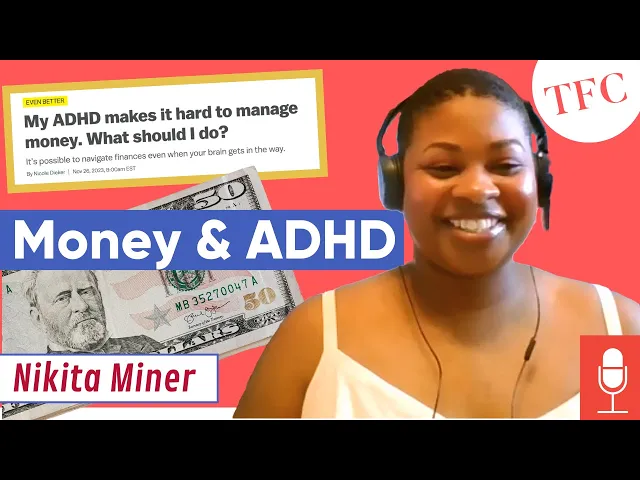
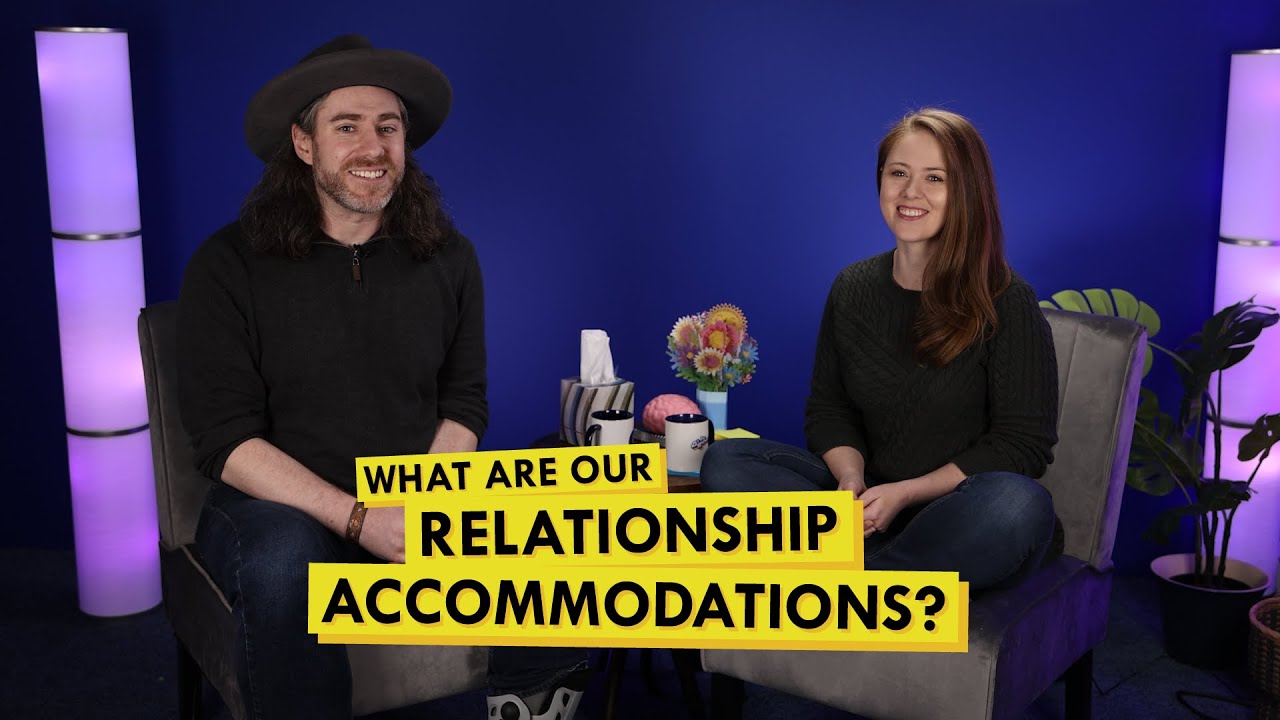
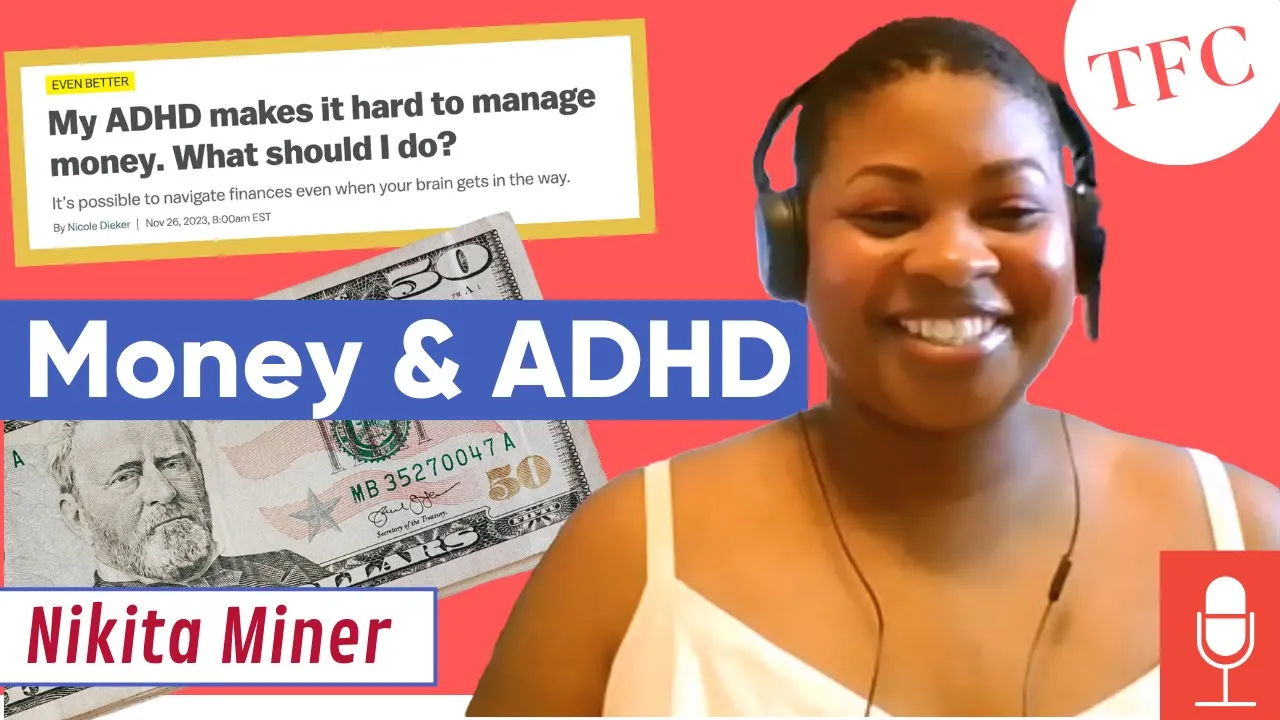
were lucky enough to be approached by Our Guest today who speaks very thoughtfully on that exact subject her name is Nikita Miner and she's here with us today hello hello good to be here Chelsea good to have you so let's just start off who are you tell us about you uh well my name is Nikita uh I live in West Michigan specifically Grand Rapids Michigan and um I'm living with I'm living as a person with ADHD autism and disc calcula um I am a poet and a social worker by trade can you talk a little
bit to to kind of give us the initial framework um about the process for you of getting diagnosed but also coming to understand your um your mental health yeah absolutely so I think that for a lot of folks Tik Tock is one of those um platforms that gets a lot of folks interested in mental health and I think for me I've been interested in mental health my entire life I was that kid who was reading all about you know um psychological disorders at like seven you know in like the the big picture books about um
health and things like that um and for me I'm actually late diagnosed so anything after 18 is technically late diagnosed so I was diagnosed at 29 heading into my 30th birthday last May with ADHD and PTSD and um I had a earlier PTSD diagnosis but it was my first ADHD diagnosis and I was very adamant on getting a correct diagnosis because in the past I had been misdiagnosed so I was misdiagnosed and which is actually quite frequent for folks or not frequent but like is pretty common for folks especially women especially black women like myself
who are dealing with ADHD perhaps autism and and things like that so um when I was diagnosed at 29 things started to come together kind of like puzzle pieces um I was realiz realizing that everything that I had hated myself for there was a name for it and it wasn't just oh you're broken or you're um faulty at some level it's like oh you actually have a neurodevelopmental disorder which changes the way that you think and the way that you feel about things and even the way that you feel about um yourself so I I
actually dealt with a lot of self-hate prior to even getting that diagnosis and over the last year it's been like trying to love myself in a new way um love myself for the first time with new eyes kind of can you talk a little bit um you know one of the most common things that we hear uh from people in our community with ADHD is that ADHD in particular can make managing money feel almost impossible um that so many of the uh just kind of day-to-day aspects of money management even at a very basic level
are you know almost like diametrically opposed from how people's uh brain works with with ADHD can you can you speak about that feeling of impossibility absolutely so I'm huge like I I listen to your podcast I love um Tiffany aliche like I am really into money management and budgeting but even though I have all of the tools even though I have all these different pieces and you know you should invest or you should I had no idea how to do all those things because I wasn't able to put them together and a way that made
sense so for me even something as simple as grocery shopping like um I cannot necessarily mentally calculate what is in my cart so I get up to the register which is why I always use sell checkout because then I can see what I'm ringing up as I go um and one of the main things is impulse control so for me ADHD I'm both um hyperactive and inattentive so I have a combined type so when it comes to um like I mean even in my bank account I I don't use cash because I forget what I
use that cash for and if I don't keep my receipts then I have no idea what I even purchased in terms of your relationship with money growing up um and sort of unpacking that relationship now in the new framework of your diagnosis um can you share sort of what your relationship was with money growing up and if looking back back any of that was perhaps a part of you know these neuroatypical diagnoses that you didn't know you needed yeah um I think for me when I think about my money growing up I always tended to
hold on to money because at some point in time maybe my mom would need it for gas or something so my money never really felt like mine um when I even when I started working uh that money was just funneled back into to the household right um and I like to say that I was middle class for nine years so there was nine years of quote unquote Bliss but we kind of had to trade that for living in a household that was like less than healthy um should I say so on the tail end of
um like my on the on on the tail end of high school we were back to square one in poverty and prior to that we were on section and had food stamps and things like that you know I I actually studied social work because of my experience growing up um you know very low wage like very much so like um my mom was living paycheck to payche she got married so that we would have some stability which we did have but again there was that tradeoff of like safety and even like emotional health um so
when she was divorced we ended up back like I said at square one like not having anything and so there's a lot of trauma around money because I have had absolutely nothing and I've been homeless with my mom I've been homeless with my siblings and then there's the um opposite side where like I went to a private college and people there just didn't worry about money in the same way that I worried about money um at least the majority of students didn't worry about money in the same way uh so it's kind of been like
a learning curve trying to understand how I feel about money but the basis of it is like when you don't have enough you feel like you will never have enough and um with ADHD I've always felt like maybe it was just my fault that I never had enough you know maybe it was something wrong with me for just being um I don't like to use the word poor but I understand that that is like easy to comprehend you know you mentioned that you experienced homelessness with your mother and your siblings um I think a lot
of people have a very narrow and often inaccurate perception of what homelessness is can you share a little bit about what homelessness was like for you absolutely so it's the strongest memories that I have is my mom had um a community so if we were homeless if rent wasn't paid um prior to her getting Section 8 so there was a period of time where we were together about four years before she had Section 8 like zero to four for me um where she did not have section 8 where rent was really hard so we would
stay with family or friends um of hers because she was in her early 20s she had me when she was 20 um I was there when she got her first car you know she got her first car at 25 so she was just trying to build um and honestly I don't think people think enough about family homelessness I think there was a movie a few years ago um about this family in Florida that was living out of a hotel um you know we've lived out of domest you know shelters for domestic violence and even things
like that people don't understand that when you leave situations that are unsafe that usually even if you do have a backup plan the backup plan is just to survive not necessarily um to thrive so I've had like I've stayed in shelters with my mom and then when um when I ended up graduating high school we were homeless at that time and I end up going to college just so I could have a place to stay for nine months out of the Year and that would be one less mouth for my mom to feed so it's
like those kind of tradeoffs that you have to make even though I went to a private school and I don't know if it was like necessarily the most financially conscious decision I made I mean 18y olds fing away their lives for like $60,000 is pretty serious um but for me it was like a matter of home or no home and I chose to be comforted for nine months out of the year and I had to trade that off with school workk and then being having ADHD getting the school work done was hard enough I think
the movie you're referring to is the Florida project which is one of my alltime favorite movies with Willam defo right robbed of the Oscar robbed of the Oscar oh yeah he was he did great um also the best child acting I think I've ever seen outside of maybe kavan Wallace um another that should have been an awesome osar nomination but that's neither here nor there um but you're totally right that I think the version of homelessness that a lot of people see for example here in the on the streets of New York City um that
is obviously one iteration of it but I think a lot of people don't realize that it takes a lot of forms and in many cases you might be at a workplace working alongside someone who is themselves experiencing homelessness um that's just not something that necessarily shows up in their day-to-day life probably in part because they take great pains to hide it um and to seem uh quote unquote normal um you know I I can only imagine that the experience of knowing what was happening in your family's finances what your mom and siblings were going through
having the reality of homelessness kind of in the background and then simultaneously attending an expensive private Elite University um there's probably just like a lot of cognitive dissonance and I can also imagine that you probably felt uh that you probably felt rather alien ated from a lot of the the students at your school can you talk about what that experience was like yes um something I'm still unpacking I like to say that I went to college and I got a degree not a career so um I went to school I went to a private Christian
College actually and with me being a black queer woman um that was also very interesting uh just in general uh ring by Spring type of situations where where people would have like their weddings paid for their Junior and Senior year and I didn't even understand that people got married um and that was like one way to like um I think it's like get your generational wealth or combine wealth and things like that so I was going to school with really Elite kids and um a lot of international students so my school was $35,000 a year
but if you were an international student you've paid like a premium of like at least $3,000 more plus health insurance so I was going to school with people who were very well off and for myself I wore the same clothes every day because partially autism I have a thing with sensory so I was wearing the same clothes every day they were clean but you know um and really when you get into the classroom when you get into social social work classrooms and you're surrounded by people who have never experienced homelessness not even family homelessness like
you you kind of put in a place where it's like do I need to share my experience so that people know that there's somebody in this classroom who has legitimately dealt with homelessness and that it's not just some you know concept of people just are homeless um so I had to put myself out there a lot because um especially in my social work courses to be able to like say like you know um food stamps this is actually how they work like people actually don't get as much as they need people get $15 on a
on a stamp card and that might be all they get for the month um and so trying to like explain that to other students who have literally like who had a maybe a fet 16 and a car bought for them on their 16th birthday when I had never dreamed of even having a car on my 16th birthday well one thing we've covered before on the channel is kind of the difference between being broke and being poor and I think for a lot of people college is where that is most visible because you're like you're going
out with people who are like oh like I've bought so much Chipotle this week like I'm so broke and meanwhile you're like having to send money that you earn on your oncampus job back to family members so they don't get you know kicked out of their house and it's just the the level of unspoken inequality that you have to I mean it's always at a peak in in this country but in such a concentrated environment where people are confusing those terms it's it's maddening it is I even um had a conversation with one of my
Ras and I was like yeah literally all the clothes that I have are free when um I was wearing a specific uh sweatshirt it was like a pink Adidas sweatshirt and we got that from the Salvation Army for our Christmas gifts so that winter we had gotten Christmas gifts from the Salvation Army of course my siblings got toys but they're like what do you get for a 17-year-old girl clothes so I was wearing like a sweater that I had never purchased but that somebody with a good heart had decided you know this will be good
for some somebody's family right you mentioned earlier that the period of financial stability that you experienced growing up was when your mother was um had a new partner who um was obviously beneficial financially but was not good emotionally you know just sort of basically creating a framework where Financial stability and personal happiness or safety are kind of mutually exclusive or you can have one without the other um and maybe sometimes you know there there might have been moments of having you know both at the same time but generally speaking it was kind of one or
the other um can you talk a little bit about unpacking that dynamic in your adult life yes I got married last year um my partner is very thank you my partner is very fabulous like they um they understand money they're parents um again there's that difference between broke and poor like my family didn't have a home but their family was was house court court house poor so they they had a home so they always had a place to go back to and so for them there's like been um a aspect of of growth in terms
of like being able to save and for me I don't think saving was ever a concept that I was able to fully grasp because it's when you get something you have to push it out when you get something like when you get $50 you hold on to that $50 and then when there's an emergency you use that $50 you never have anything in savings because if you have a savings that means that something else is not getting paid um and the tradeoff that I really started to understand and I I don't blame my mom I'm
actually very grateful I don't think that without her marrying her partner at that time I would have even got into college because there was that period of stability that allowed me to get my grades up and to I mean not even get my grades up I was there for nine years but you know allowed me that time to um even know what college was uh and their family they were from a his family excuse me um they were very well off very middle class since the 80s because in ipsan Michigan where I'm from most people
who are in their 60s are um retired from General Motors or Ford um so they were very stable I decided early on that money wasn't going to be my purpose wasn't one wasn't going to be the thing that I chased but it's something that I needed to achieve my dreams and so when I got to college I traded my um English degree for a social work degree because I thought it would get me more money in the long run and that really hasn't been the case um you know one thing I I'm always really interested
in hearing from people who have a lot of barriers between themselves and financial stability but who are very interested in it I mean you mentioned that you are just personally interested in it kind of almost as a hobby like it's something that you like to to think about and learn about which I think is true of most of us in this community um otherwise why would you be watching a financial Channel but um you know I think there are certain people for whom money becomes almost like a game because you know it's something that you
can sort of conceptualize that way and other people for whom they're you know they're able to really transfer a very high level of um I don't want to say Obsession because that sounds negative but they become very focused on it um and I'm I'm always really interested to hear how people who have those barriers to Financial Security how they balance kind of being gentle with themselves and accepting limitations while still striving to have a lot of agency and to take ownership of their financial situation yeah for me it's been a long time coming um I
think that Vivian 2 was recently um on the podcast and I really appreciate Vivian saying like I had that she got into her role she had a mentor who looked like her um and I think that for me I don't have any of those role models of people who look like me who I can look up to who have maybe the stability that I want in the way that I have thought it out and um it's been really eye openening um to get this diagnosis and then realize that a lot of stuff like you know
having disc calculative that's a learning disability that's that's not necessarily something that I could necessarily control but what I can control is my attitude towards money and so some of the things that you have talked about on the podcast and uh Tiffany aliche has talked about and you know folks have talked about is kind of coming at money from a perspective of um instead of for me a a period of scarcity from a scarcity mindset into like an abundance mindset which is like very woo woo very manifeste but also I think that it makes a
lot of sense to come at it from a a mindset of it won't always be this hard um at some point you will get over that hump and so I'm starting to really knock over some of those hurdles um towards Financial stability and I think that the pivot point for me was finding out how much I wasn't making and now that I know that I have never made 35k in my life I can Venture towards that 40K towards that 50k towards that 60k with a Clarity of Mind well you're a social worker by trade as
you as you said and that is one of the industries so we hear a lot from our audience who are in let's say passion or cause Industries you know nonprofits Social Work Academia you know political uh organizing all of those kind of things where there's often a huge passion component but there's also often a sense that you are here for something greater than yourself and that your own personal financial stability should be um let's just say not really considered the way it is at at most jobs um and you mentioned that you know in in
your career you've never you've never earned over $35,000 a year which is you know for for most people that's barely a living wage um you know how do you what is your outlook on feeling compelled by the work that you do and needing to advocate for your own Financial Health at this time even like knowing that it is okay to ask for a raise that it's actually normal to expect a raise it's it's normal to negotiate your wage um I've been in organizations and and in jobs where it's like you feel afraid because they're constantly
talking about the fact that they don't have money for this or they don't have money for that um but you still see like oh we have a new printer I wonder where the money came for that right um honestly it has to be about those a lot of those organizations too like they are also coming from a place of scarcity so for example the nonprofit sector is really huge here and everybody's competing for the same pox of money everybody wants um money from the foundations and money from the state and all that stuff once you
get that you have to also look at who is working for you and so for me it's going to be not working here um I'm actually transitioning out of the nonprofit sector here in Grand Rapids in West Michigan specifically and looking for um Statewide and National nonprofits because they pay more and I think other folks are going to have to start doing that too because um you end up being pigeon hold into certain wage wages here um and I don't think that that's fair for anybody especially when you're overwork and so I've tended to be
in that overwork and underpaid and I'm trying to be paid for the work that I do um rather than um wishing I was comfortable and also being in the same boat as my clients as someone who's been very active on the internet for the past decade plus more years than I would like to admit and has put a lot of my personal life out for the public to cons consume I'm always thinking about how that could make me vulnerable in some ways and it's not just people like me who have a public platform for all
of us the data that we have just kind of lingering around the internet can have real consequences if the wrong people get a hold of it I'm personally making an effort this year to be smarter about my tech and data habits and that's why I'm thrilled to have our friends from delete me back with us for this season of TFC as you know all season long here on TFC we'll be chatting with relatable guests who have dealt with or are currently going through a wide range of personal and financial issues while many of these hardships
could never have been avoided due to circumstance it's important to do what you can to protect yourself in the situations you do have control over that's why I personally recommend and actually use delete me I remember the first time I got my delete me report I was completely shocked at how many places my data had gotten to without me realizing it I felt very vulnerable honestly the first time I looked at it but after that I felt very empowered because I knew I was finally doing something about it and as some of you might remember
earlier this year my Twitter got hacked so I was especially coming off of a time where I wanted to be extra cautious about my Internet safety and the report made me feel like I was doing the right thing you don't realize how much of your information is available to scammers and people with ill intent on the internet and unfortunately how susceptible you and your family are to identity theft and fraud but now you can get your data removed with delete me delete me is a subscription service that removes your personal info from the largest people
search databases on the web and in the process helps prevent identity theft doxing and fishing scams delete me finds and removes the personal information you don't want online and make sure it stays off sign up and provide delete me with exactly what information you want deleted and their experts will take it from there delete me sends you regular personalized privacy reports showing what they found where they found it and what they removed delete me isn't just a one-time service they're always working for you constantly monitoring and removing the personal information you don't want on the
internet take control of your data and keep your private life private by signing up for delete me now a special discount for our listeners today get 20% off your delete me plan when you go to join delet me.com TFC and use promo code TFC at checkout the only way to get 20% off is to go to join delet me.com TFC and enter code TFC at checkout that's join delet me.com TFC Cod TFC if there's one thing that we've learned over the past 12 months here at tfd is that sales of really any kind but especially
B2B sales can be incredibly difficult especially in this current environment where you're never really sure if we're in a pandemic or not or in a recession or not or generally what's going on so it's particularly fitting that today's sponsor for this episode is LinkedIn let's talk about LinkedIn sales navigator for a minute LinkedIn sales Navigator is a sales intelligence platform fueled by linkedin's one billion member platform that helps professionals effectively Prospect and engage customers ultimately increasing sales performance sales Navigator helps you target the right customers surface key signals such as job changes or which accounts
you should prioritize and shows you hidden allies so you can find those buyers that are most likely to convert sales Navigator gives you the most up-to-date first-party data enabling you to unlock conversations with the people that matter from search filters to list management analytical capabilities and accurate up-to-date profiles sales Navigator can save you time and make your job more efficient right now you can try LinkedIn sales Navigator and get a 60-day free trial at linkedin.com tfd that is linkedin.com tfd for a 60 day free trial let LinkedIn sales Navigator help you sell like a superstar
today just go to linkedin.com tfd and get started when it comes to the workplace specifically what are things that you wish more people knew about working with someone um or managing someone or whatever it may be who who has ADHD specifically so for like managing somebody like myself um I I have tried to get this at every workplace since even before I knew I had ADHD so since like 2018 um I need you to email me instructions or let me write them down because I will forget and not only will I forget I will forget
what um the priority of the thing that you've asked me to do and I will also forget the the gist of what it is actually about so um going to job accommodation network has been helpful for me to know okay for me I need you to write things down I don't need you to repeat yourself but also you have to train me well out of the gate and you can't just train me by telling me things I need I need paper um like with instructions I need um howtos and all those different kinds of things
because um it's not that I don't know how to do my job I can do my job whether you how however you teach me but it's the learning curve how long will it take me to do my job how long will it take me to understand how to do my job especially when you're starting in a new place I've had jobs where they're like okay um just stand up front and people will ask you questions and then they don't give you any any answers to those questions so you have to go run around finding people
sorry I just had a flashback of a old job um and as far as the money management component um specifically with ad HD what are some of the workarounds that you found for kind of managing yourself about your money habits yes I only use my I I should only use a credit card but I can also forget to pay that credit card so I only use debit cards for right now until I can understand how to um use like how to how to remember my money so I save all my receipts I use a debit
card so I can trace what I had purchased purchas um and then for me there's a bunch of different savings accounts that I have to use and then switch things over so automation is really important when you have ADHD because if you see something you're going to assume that you have it and it's not I mean I think anybody's just going to assume that they have it if you see it in your checking account you're G to assume it's there for you to use but if for me I have to automate all of my checking
and savings accounts so that my savings is automatic and not something I have to actually do because just the step there's like you have to get over that hurdle of like okay I have to transfer the money okay I need to log into my account and then I need to transfer the money okay but then you forget what you were doing when you started um which is a lot of a lot of things happen when you a lot of the issue is forgetting what you were doing when you started as well um you know one
of the like whenever our audience is talking like in the comments or in our Discord about um money management tips is like how many of them feel like like they assume that you already have money to manage basically like you need a certain amount to even start doing anything um which I think is true right and I think it's also exponential I think the more money you have the easier it is to be good at money and the more um you know unique and creative ways that you that are available to you to make good
money decisions um you know I know that you mentioned um you know You' you've not earned more than 35,000 you have the student debt you know you're uh where it's not even a question of should be financially but um you're definitely in a place in in now your 30s where you don't have a lot of the same tools to get to a good place financially that other people do can you talk about how you view and work on money management when working with very little so people think that there's not a SK a lot of
skills that come out of poverty you you learn a lot when you are poor you learn how to rob Peter to pay Paul um and you know um that's what my mom used to call it and then also like uh you know who to call you know you can call the DTE and consumers and say hey I don't have the money I need to put I need to put this on a payment plan um for example my student loans I signed up for not deferment but like the new save plan um because I know that
they're going to want to see something even if I don't have it but at least if I uh apply for like the save plan then there's like a portion that I um is is more feasible for me to pay and so you start to understand the system even more than most people so um understanding how to get food stamps um understanding where to get housing who to get housing from like you just kind of when you live with little when you when you when you live with very little when you're coming from a place of
scarcity you learn to ask for help and if you don't ask for help you are going to drown um that's how my mom was able to survive and she asked like hey can I stay with you can I stay with you you know know doing what she had to do and for me right now even though I have zero dollars in my savings account I still know that it's going to be me applying for jobs and applying for jobs out like way applying for jobs that even um that things come in time um I hope
that makes sense but like just the patience that you have to have when you're poor is is really high you have a lot of patience um because things are not just given to you um quickly if that makes sense I mean patience has been the most important piece of me even like coming into my financial um understanding if that makes sense I don't know that might be worri no no it makes total sense I mean I I think also a lot of it um I would I would be really interested to to know how you
feel like your how your mental health has changed since getting your diagnosis I was um diagnosed with major depression um probably right out of college I definitely experienced major depression my entire life and um since getting my diagnosis last May my depression it was pretty severe still but it's starting to alleviate I think that when you don't feel like you're the you don't feel like everything is your fault or you're the problem or you're the root of all issues in your life um you start to see the light at the end of the tunnel like
this isn't going to be life forever I think that prior to getting my diagnosis I was in the dark often and um didn't see any way out so I didn't see any way out finan I didn't see any way out educationally I didn't see any way out like emotionally and so kind of now having a better understanding and a better grip of what my symptoms look like I'm able to actually sit down with myself and talk it out even with my partner like okay like I'm going to be um how do I say this I'm
going going to be [Music] um extra careful this month because of um my symptoms are really high or something like that but also getting on medication I think that actually that's the real answer is once I got on the stimulant medication my brain woke up and that's where the light at the end of the tunnel for me has been yeah I think that's the real answer you know maybe I don't know everyone's different but I always feel like in our generation part of the mental health Awakening for ourselves as individuals is often like a mental
health Awakening toward previous generations and being like what was going on with you guys like my my platform as as many of you might know presidentially is get every Boomer in therapy um mandated maybe we can throw some meds in there for a lot of them but point being is that I think a lot of times we were often raised with very poor mental health Frameworks because for prior Generations there that just wasn't even really a thing you know it wasn't considered it wasn't treated taken seriously all that kind of stuff um and especially coming
from a background of so much turmoil financially emotionally structurally all of that how has learning about yourself affected the way you look back at Memories the way you look at other people in your life like how has it affected that part of things I realized that I was wasn't a bad kid so I actually went and I contacted my elementary school and I was like I need those records for fifth grade it was a rough year I need to know what happened and um it said like you know doesn't understand math concepts gets frustrated throw
fits cries I'm like yeah I remember that okay um then I looked down and it said like Nikita has a problem with her attitude and for me I didn't think I had a problem with I thought I was just a bad kid and so I just thought you know I'm just a bad kid I'll never be any better than than I am today at 10 years old and um since like working towards um like a better mental health framework I realized no I wasn't a bad kid um I wasn't given the tools necessary to be
able to excel and so there's a difference between just like having an idea about somebody but then giving them the tools and so I feel like over these last few years over this last year for me it's all been about Gathering the tools and knowing what they're used for because you can have a toolbx and it just be dusty but for me I have the tools I know which tools to use and um it's way more clearly it's way more clear now what tools to use that could have been you know more helpful back then
but it's also like don't be upset just because your toolbox was empty like you you used those 30 years to get the tools and now you're coming back into yourself and that is okay so just resting in like not feeling like the bad kid for your whole life for forever you know I'm so GL grateful for my diagnosis if I didn't have it I don't think I would um even be speaking with you I'd probably be still at my old job um crying over my clients and feeling bad for myself that is okay so the
like retroactively changing how you think about your younger self is so real because for me it was that I like I was always labeled lazy growing up like I was always told I was so lazy and to be fair I had terrible grades so I do understand the like logic there but then like it took me so long into adulthood and I am objectively not a lazy person and but it took me years and years and years of exhibiting objectively not lazy Behavior to be like Oh I'm actually not lazy but the still there was
a long period of time where I was like well I guess I changed and I'm not lazy anymore and then I went back and thought about it and I was like in high school yeah I got bad grades but like I learned another language I wrote like four plays like I did like all these extracurricular activities like I had like a very robust creative intellectual life and I was really dedicated to all different kinds of projects they just weren't the projects that we were working on in class and I do think that like a lot
of people would benefit from doing that same analysis in the sense that the lessons that you have from because ultimately the way you kind of operate as a child that's the way you work that's the way that's what your brain likes to do that's the the way things feel natural and accessible to you those are the pathways that are just you know most productive for you and I feel like there's so many lessons to be learned and ways to better manage yourself by understanding how you operated even then you know absolutely I was an Avid
Reader I was writing every day I was listening to my you know listening to CDs upon CDs and just writing and writing and writing and writing and yet somehow I still felt lazy one of my favorite books is laziness does not exist by Dr Devin Price uh because you know laziness doesn't exist I think we just live in a world that's expecting so much of you and giving you so little in return that it doesn't really make it a lot of sense to yeah I always like I'm always uh like amused and angry when I
read those articles that are like people in the Middle Ages only worked like four hours a day or something like that like there's just there's just like a lot of really good evidence and I mean it's especially accelerated since like the rise of the computer where like theoretically we need to be working less than ever before because we're so much more efficient um and so much more productive and yet we work longer and longer hours and it's just gotten to this point where if you're not constantly obsessed with one specific and it's not even just
work in general right because there's so much work outside of our professional careers but if we're not obsessed with that one really narrow part of human life then there's something deficient about us yeah I think that we need to um I think it's the three like um sleep work and hobbies or something like that I don't think enough people have hobbies it's it's eight hours for rest eight hours for work eight hours for whatever you will or something like that it's like the Socialist Manifesto or what well source source needed on that one but I
get what you're saying um so okay so you're you've got your diagnosis you've uh gotten married again congratulations you are making all these kind of big pivots in your life um you know one of the themes of a lot of the people I'm talking to this season is sort of starting over and and feeling a little bit reborn in your adult life you know talking to people who um you know completely changed careers in their 40s or who came out as as queer much later in life or who made these really big changes and so
you obviously are someone who's making a lot of these really big changes on many different fronts all at once at the age of 30 going on 31 um I'd love to hear just kind of your outlook on you know what it means to essentially have this second youth a little bit at the age you are now yeah it feels like I'm going through puberty again I'm just kidding puberty the first time was rough enough I don't I don't think that's for me um but uh yeah it it feels like when you are looking at life
with new eyes that you see all of the things that could have and should have and you realize that somehow you can still make them happen and so I am in that period of I can still make this happen like very everything I think it's uh the the movie with Michelle you everything Al together everything everywhere all at once yes um and that's how I feel and that's one of my favorite movies because I'm just like I'm realizing like there are so many infinite possibilities for myself now I'm not just pigeonholes into um bad homeless
with um you know a math disorder I am Nikita I am you know I love pink I love travel I love writing and I'm actually rediscovering my love of writing all over again because it's something that I kind of pushed down because I was so tired and burnt out from work that I just didn't have the energy to do and so in the meantime I've been writing and kind of rediscovering myself through my words again and it's been been really just beautiful and just relieving even uh if is is another word I would use for
it um yeah what would your advice be to someone who feels like they have a specific uh neuro atypicality but are not in a space to get a diagnosis right now I wasn't in the space for a long time as well um I think that probably the best bet would be gathering all your sources you know so that you can read them over that's kind of how I do I go into Google Drive and I just put a bunch of things together and then I reread them and then I try to get um kind of
like a central thesis around it and um I think that if if you're working with just your brain with little diagnoses or no diagnoses or even misdiagnoses like I feel like a lot of people should just know that like that's not their fault timing is everything and um I think for myself being able to like I think for me I think the best bet is just like timing is everything um like you don't have to rush everything you don't have to rush the healing it's going to time all you know time takes it takes time
to heal and things like that um yeah just kind of as a final question for you um you know and especially again not to put you in the space of being the advice giver for everyone who might be in this position because I know that like you know mental health is ultimately a fingerprint right like everyone's is completely unique and you know what works for you is not necessarily going to be able to work for for someone else but one thing I really I think a of people want to hear and and look to to
people who have you know sort of found a better path for themselves is how do you stay optimistic enough when things are going really bad to get you to the place um where things have a chance of getting better like in your situation I think about you know when you were in major when you were having a major depressive episode and it's difficult to even brush your teeth or put on a clean shirt how did you find the motivation and the the logistical frame work to get to the place that you're at now while in
that in that episode yeah I found people um people who were very similar to me or very different from me who had different ideas about life I also found creators online who I could um connect to on like a spiritual level or like a intellectual level um comedic you know humor you know so I think um that with as vast as this world is if you can't find a person like in your area or in your town you can find somebody online who's probably talking about a similar experience that they're having and for me YouTube
has been a lifesaver because I've been able to just um listen to other people's stories and realize that I'm not Al I'm not alone in everything that I do and I'm not alone as like a person that we're kind of all connected and in all that you know nice jazz and so um when I was in my deepest darkest hour I will say I always had something that brought me joy and so usually um for me that was like a Korean variety show where they're smiling the whole time and just getting like a little piece
of something that brings you Joy to get you through like that dark time for me it was YouTube for others it could be I don't know um cooking or baking or things like that well this conversation has brought me joy um and I really love uh getting to speak with you um especially when you're at such a such an exciting time in your life um for people who would like to learn more about you and follow what you're doing where should they go um I would love for folks to head over to my blog it's
called life is always under construction um it's uh via substack and U you can also find me um uh my my writing name is Ren Wordsmith and you can find me on Instagram at rwsmith if that's something that you would like to do as well well all that will be linked below and Shout out for having a Blog because I feel like I love video I love watching video but I love to read and I feel like not enough people are writing down their thoughts these days yes let's process let's process um all right well
thank you again so much for joining and thank you guys at home for tuning in and I will see you next Monday back here on an all new episode of the financial confessions bye thank you so much for joining us and be sure to tune in next week for an all new episode of the financial confessions the financial confessions is created by the financial diet and hosted by me Chelsea Fagan it is produced by Alexa Brooks major and Holly Trantham recording and editing by Emily fiser and music and sound effects are from epidemic sound want
more of our content head over to our YouTube page the financial diet to see our monthly deep Dives videos of this show and our entire backlog of videos in podcasts I'll talk to you next week