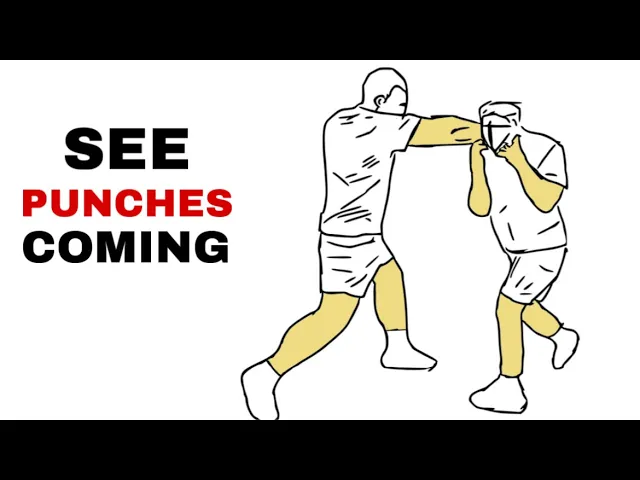
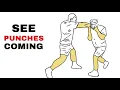
Strength and stamina are important in a fight, but they're not everything. If your reflexes are slow, you're going to struggle when punches start coming back at you. You might land a few shots, yeah, but when your opponent starts firing, you can't just shell up the whole time.
At some point, you've got to be able to move, create space, and respond at the right moment. Reflexes are basically your body reacting without waiting for your brain to catch up. Normally, your brain needs a second to figure out what's going on before you move.
But reflexes skip that. Your body acts first, like when you accidentally touch something hot, your hand pulls away before you even think about it. That's called the reflex arc.
Can you actually train this into your fight game? Yeah, absolutely. Basic stuff like flinching is automatic.
It's already in you. But the real fight reactions like slipping a jab without overthinking or blocking clean without freezing up, those come from drilling it over and over. The more reps you get in, the more your body learns to handle it without needing permission from your brain.
But that's just part of it. You also need to train your eyes, specifically your peripheral vision. A lot of beginners stare at their opponent's hands or face, but that doesn't give you the full picture.
Experienced fighters are watching the whole body, the hips, the feet, the shoulders, picking up on the little shifts that happen before a strike. Training peripheral vision helps your brain take in everything that's happening, not just in front of you, but around you. Instead of locking in on the gloves or the eyes, focus on the chest.
From there, you'll be able to track the shoulders, feet, and hips all at once. That's where the early signs of a strike show up. A weight shift, a shoulder twitch, the setup before the actual shot.
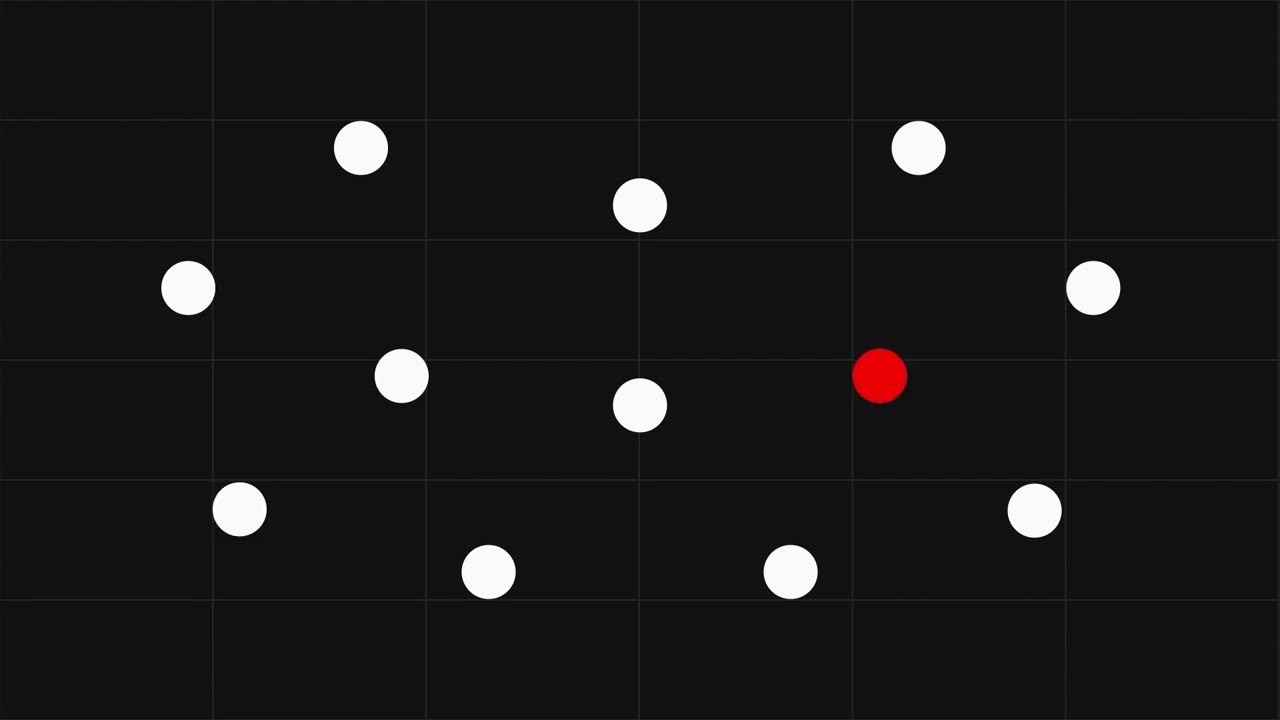
To build this skill, you can use tools like Schulta tables, quick scanning drills that push your attention across your field of view, or the Brock string, which improves how your eyes work together and track depth. When you train this consistently, your awareness tightens up. You stop reacting late.
you start picking things up before they happen. Nerve to muscle response is how fast your brain signals your body to move when something's coming at you. If a punch is thrown, your nervous system sends that signal straight to the muscles that need to react.
Slip, block, duck, or strike. It happens in milliseconds. A fast signal means you avoid the shot.
A delay means you eat it. But there's a problem. That speed drops when you're tired.
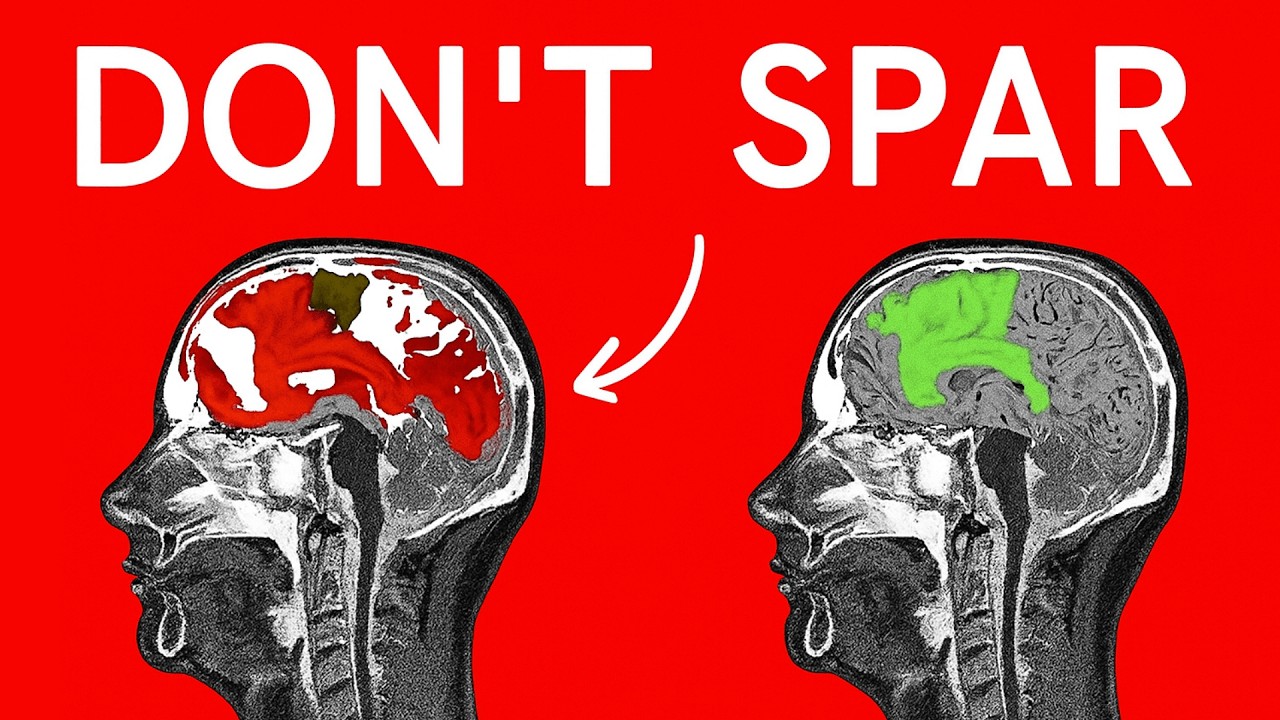
By the end of the round, when you're drained, your reaction time isn't the same. Fatigue doesn't just hit your muscles. It hits your nervous system, too.
When the brain gets tired, it doesn't send signals as clearly. Movements get slower, coordination slips, and your ability to respond on time takes a hit. To stay sharp under pressure, your training has to reflect that.
Build your gas tank with highintensity intervals so you can go longer before fatigue sets in. While tired, practice your defense and offense when you're winded. In combat sports, being able to read patterns and time your movements well is what separates sharp fighters from everyone else.
Pattern recognition means picking up on habits your opponent repeats. Good timing lets you land clean shots, avoid damage, and control the rhythm of the fight. You get better at it by drilling with tools like the double-end bag or doing light sparring, where you focus on reacting to real movement, not just throwing combos.
It also helps to change the speed and flow of your own combinations and training. That way, you don't get stuck in a predictable rhythm, and you're better prepared for fighters who switch up their tempo or throw off your timing. A simple drill for this is the tennis ball drop.
Your partner holds the ball out and drops it without warning. Your job is to catch it before it hits the ground. It forces your brain to respond without hesitation and sharpens your hand eye coordination in the process.