patients with muscle activation they get worse with treatment they can't tolerate the treatments they get exacerbations of their symptoms when we start to try and give them binders and and give them antioxidants like glutathione you know even putting people on phosphatidylcholine when when the standard treatments for mold illness don't work right away though i know we're dealing with mast cell activation have you ever heard of mast cell activation syndrome and wondered if it is the missing puzzle piece for you and your health or do you have muscle activation syndrome and want to know what you
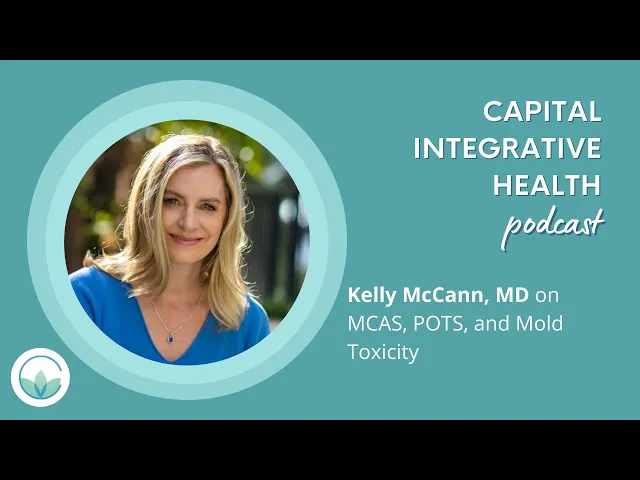
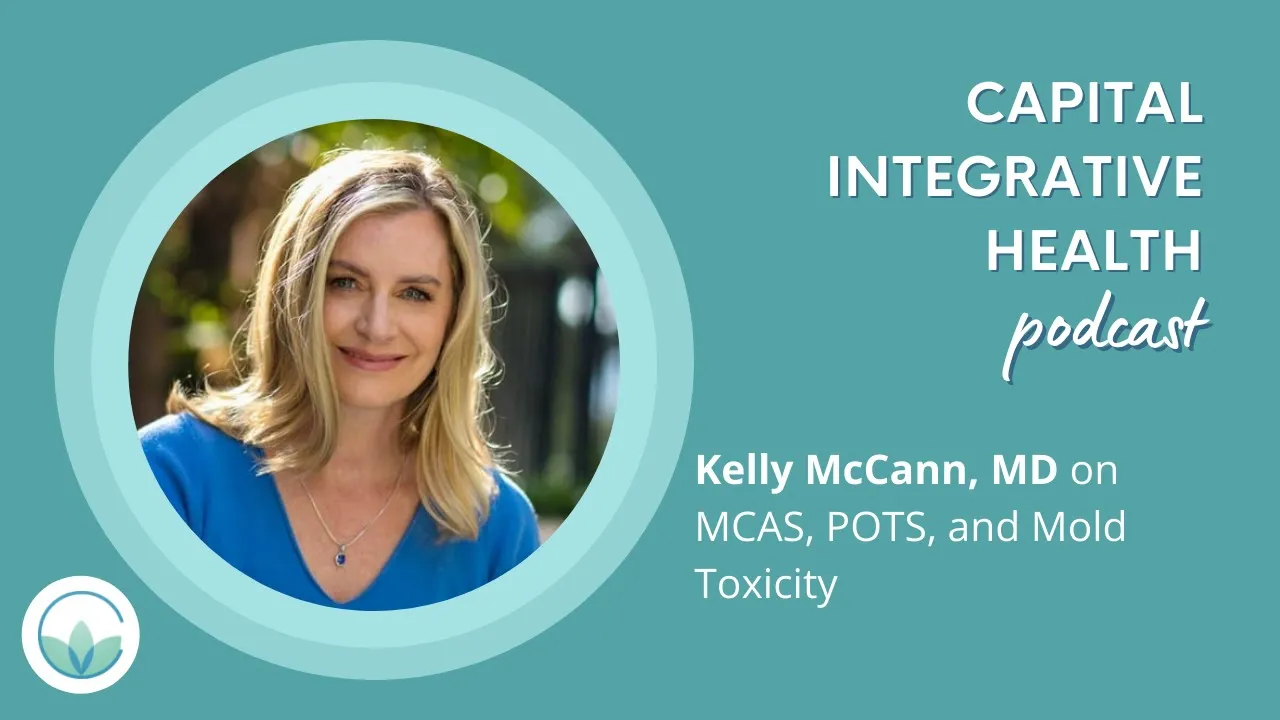
can do about it this is a very complicated topic but today we're diving into mast cell activation syndrome also known as mcas mcas with one of the nation's experts on masto activation dr kelly mccann i am dr andrew wong co-founder of capital integrative health this is a podcast dedicated to transforming the consciousness around what it means to be healthy and understanding the root causes of both disease and wellness dr mccann has been in private practice in costa mesa california since 2008 she is certified by the institute for functional medicine and also board certified in integrative
medicine by the american board of physician specialties dr mccann also lectures internationally on various topics including mold and mycotoxin illness lyme and other chronic infections masto activation syndrome and related conditions and environmental medicine and personally she is one of my most favorite mentors join us for a conversation today with dr mccann about mcas how it intersects with mold toxicity and pots which is also known as paroxysmal orthostatic tachycardic syndrome and what you can do to support your health thank you so much dr mccann for coming on to our podcast we're so honored and delighted to
have you here thank you dr wong i'm very happy to be here so uh also um you know just on a personal note uh dr mccann's been a mentor of mine for a while really a lot of what i've learned in integrative functional medicine i've learned from kelly so i really want to thank you for that you're welcome my pleasure and you know as you see in your clinic as well we have a lot of patients a lot of people in the community even that aren't in our clinic that have a lot of complex chronic
illnesses you know health challenges of course we know that you know the puzzle pieces of people's health is kind of like it's not a it's not a checkerboard right it's not a or we could say a two-two dimensional puzzle it's more like a rubik's cube you know in some ways and i was never very good at rubik's cubes but fortunately the human body seems to be a little bit easier for me to put together than a rubik's cube exactly i mean there are people that are very uh talented with rubrics cubes there's actually a netflix
series called cubed where there these world champions uh can do excuse in like five to six seconds actually which is amazing they tend to be good at math and like they tend to be very much you know into that but today we want to talk about one piece of the of the puzzle of the rubik's cube which is mast cell activation syndrome and we'd like to talk about mast cells first what they what they are what mcas is and and then we'll kind of go from there and maybe explore other parts of that rubik's cube
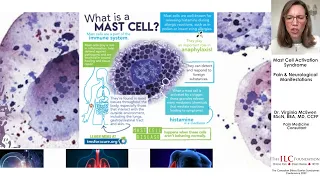
and how how that's kind of related to the other parts sure it's one of my favorite topics so i'm happy to talk about it um so mast cells are part of our immune system and it turns out that they are actually derived from some of our red blood cells um so it's a hematopoietic stem cell line that then goes to the myeloid stem cell line which also is where we get our platelets our red blood cells and then many of our white blood cells with the exception of the lymphocytes and those mast cells are actually
pretty small in number but very very important for our immune system defenses they tend to grow up in the bone marrow and then move to the the areas of interface between ourselves and the outside world so they live at the border of our mucous membranes in our upper respiratory tract in our lungs they line our entire gastrointestinal system they also tend to be in our brain and then on our skin and so because they are lining the areas of entry point for our body they it's their job to be constantly surveilling for foreign invaders and
so what happens with mcas is that these immune system cells get a little did they get dysfunctional they get hyper responsive they start to perceive threats where there may not be any um even though there may have been an initial threat that was a true threat like a an infection or a toxin now they've gotten triggered and they are reacting to all sorts of things and as a result causing a lot of symptoms in patients so there's a lot that we can go into with that um i think the first thing that came to mind
when you're talking about the different organs where the mast cells concentrate you know the gum the gut the lungs the sinuses when you said brain i kind of paused because i was like wow you know brain's an internal organ why would that be a mast cell site is it basically because that's another entry point with the blood-brain barrier and things like that or you know what i haven't actually looked at that specifically to figure out if if they're there because of protecting the blood-brain barrier but we do know that when patients have mast cell activation
symptoms they get a lot of neurological and cognitive symptoms too so some of the the symptoms can be depression anxiety mood changes irritability anger headaches and i was just looking at a paper where it does tend to be that there's this relationship between the gut and the brain with regard to mast cells too so you've got a lot of mast cells in the gastrointestinal tract and then the gi tract is communicating back and forth between by the vagus nerve to the central nervous system and so there's crosstalk there too um but that's a good question
i'll have to investigate uh why we have a lot of mast cells or some mast cells in our brains thank you and and just the symptoms you listed and we know that a lot of symptoms with mast cells with you know anxiety depression and then on the other end gut issues how do people know like listeners out there if they have these type of symptoms if it's something else that's causing the anxiety depression the irritable bowel you know etc etc or if it's related to mast cell it's a good question and it is hard i
mean i think this is part of the science of met of that the art of medicine you know the there are two different consensus in terms of diagnostic criteria there is the what on my side we call the consensus one um diagnostic criteria for mast cell activation and typically these are going to be the more conventional allergists and they recognize anaphylaxis and some of the allergy type symptoms as symptomatology related to mast cells but then they have this very strange what i perceive to be very strange diagnostic criteria where they only look at tryptase and
they say if tryptase is 20 plus two nanograms per milliliter greater during a flare than at a normal time frame that is the criteria so their criteria is very rigid um and then you know patients have to respond to appropriate treatments so that's consensus one um that was originally delineated by an allergist named valent and his cohort of folks in 2010. soon after that dr lawrence afrin and his colleagues put out a different statement which we've now decided to call consensus 2 and it has a lot broader diagnostic criteria which means that patients who are
suffering from these unusual symptoms are much more likely to be able to get a diagnosis and to have appropriate treatment from from practitioners who understand that mast cell activation can be a very broad spectrum of symptoms and may or may not even have biochemical evidence in labs because the truth is mast cells produce these chemicals we call mediators there are hundreds if not thousands of mediators that are produced by mast cells and in commercial labs what we have available now we can test for maybe six or seven maybe eight of these markers so the likelihood
that somebody could have mast cell activation with lots of symptoms and still get a biochemical lab value that is positive no it's it's not a hundred percent would you say that mast cell diagnosis is kind of like finding a needle in a haystack but then not even realizing there might be six or seven different haystacks we're looking at like one haystack you know yeah absolutely it's it is complicated so you know in in order to get back to your question how does how does a patient know that they might have mass activation um it is
you know probably the easiest way to say it is it's inflammation that might be uh in multiple systems of the body um and typical symptoms could be things like fatigue allergy symptoms irritable bowel symptoms people can get palpitations chest pain they can get neurological symptoms like we talked about with the anxiety depression migraines etc they can have shortness of breath and lung symptoms asthma symptoms but also again think about inflammation in other parts of the body so interstitial cystitis which is bladder irritation [Music] any sort of fibromyalgia type symptoms joint pain headaches and then for
women they can have menstrual irregularities heavy periods painful periods um and then autonomic nervous system dysfunction so the autonomic nervous system which is as you know part of the nervous system that enables us to breathe and our hearts to pump and our uh gastrointestinal system to do its job without us having to think about it that system is often impacted either by mast cell activation or as its own separate entity which we can talk about wow wow that's a whole other uh that rubik's cube just opened up a new rabbit hole like oh well let's
let's dive into a couple of small rabbit holes i think there won't be too deep we can still get out of them here but um okay so um one thing is you know in terms of mast cells and you've explained really beautifully here you know what they are how they work in the system um you know what symptoms might be uh you know sort of diagnostic based on criteria two or consensus two like you said a how common is it for people to have have there been studies on consensus two mast cell activation um but
also if people if we think about it from an integrative functional naturopathic perspective right in terms of root cause you know and chronic disease often being caused by inflammation and we know that inflammation usually doesn't silo in one organ right it always kind of spread you know brain gut hormone system um different different tissues in the body wouldn't all chronic inflammation in a way be potentially influenced by muscle activation potentially i mean um it does get it does get a little uh confusing but i think that one of the things that i will say is
um it does appear that about 17 of the general population has mass cell activation you said 17 17 that is a huge number exactly that is a huge number um of people and this the history is really really important so many of these people who develop mast cell activation will be allergic to kind of kids they might have food sensitivities and food allergies they might have environmental allergies as kids and typically if you listen to the story and take the time or for you know those patients who are listening think about your own history and
you may see that there's periods of waxing and waning and increased exacerbations of symptoms over the years so you know i was an allergic kid i had you know runny nose and allergies and stuff like that in my teenage years um and it wasn't until later that the mold exposure and the lyme disease and all those things started manifesting in gastrointestinal issues and hives and things like that so you know if i look at my own life i can see the progression from being i would never would would have been diagnosed with mast cell activation
as a teenager but you know now in my late 40s early 50s i have a lot more symptoms um and so i think that that's part of it too is that there's this stepwise progression that happens mostly because our muscles are getting triggered by a variety of different things like chronic infections like mold exposure like environmental toxicants which is their job um and we don't know all the genetics um in fact mast cell activation seems to be more related with um kit genes that have what are called somatic mutations so we're not all born with
mast cell activation uh i think the genes take hits over time that start to change the functionality of those mast cells um getting them to be more and more hyper responsive um so yeah i kind of i kind of when you were saying that i was imagining if someone was like hitting my shoulder right right like this you know and the first few times it was just like a little annoying but then after a while it's like oh my shoulder's starting to hurt and it starts to throb and you know that kind of thing yeah
i think it works something like that something like you know the mass cells are getting more sensitized over time do you feel like as a population are we getting more sensitized in general by the global hits of not only infections but you know global toxicity and all these different things the pesticides all that absolutely um i think unfortunately our health is going to continue to be challenged because of so many environmental exposures that we have whether that's glyphosate or um you know other pesticides et cetera et cetera that that's a whole topic that's a whole
other topic yes so there's a lot of connections so we might want to explore the rubik's cube a little bit and then i think towards the end we may want to talk about you know as mast cells we know that you know masses are needed for a defense system needed for the immune system to sound that red red alert on hey let's rev up that immune system let's let's defend and protect in our bodies but then you know there's that balance point it sounds like is what you're saying you know there's a point at which
they need to be revved up but not too much you know so that it causes things like autoimmunity or pots or you know these type of things or you know one of the contributors to pots maybe so i guess let's talk about some of the connections first and then we'll go into later how to maybe desensitize those mast cells or kind of calm them down have them take a little bit of a chill pill if you will yeah so um let's talk about uh some of i know your favorite topic so what are the connections
between masso activation syndrome and and pots uh what is pots and i think that you know we can talk about that first sure so pod stands for postural orthostatic tachycardic syndrome that's why we call it pods because that's quite a mouthful and essentially what that means is when somebody goes from lying to standing their heart rate increases in an abnormal way you know we really shouldn't have a big jump in our heart rate but with patients who have this um pot syndrome their heart rates can jump 30 or 40 beats the younger they are the
more you have to have the 40 beat per minute increase um so that's the clinical definition of pots now pots is only one of a variety of different kinds of dysautonomic conditions another fairly common one is orthostatic hypotension where the blood pressure drops uh systolics 20 beats or diastolic 10 beats 10 points when a person goes from lying to standing up but the pots tends to be much more common with muscle activation um i did a quick literature search and preparation and there was one study in allergy and asthma um just last year where they
did a chart review of like 200 different charts looking at patients who had pots and elon standard syndrome which is something else we can talk about but 31 of those patients who had the diagnosis of pots and eds also had symptoms consistent with mast cell activation and at least one biochemical marker so there is some overlap there there was another um allergist probably consensus one author who wrote an article that completely denied the relationship of course we're going to get lots of varying opinions in the medical literature um but then there was another one that
came out in 2021 uh an american journal of the journal of american heart association actually where 42 of the patients with pots um had mast cell activation symptoms so you know somewhere between 30 and 40 overlap which is pretty huge um some of the other studies that looked more like 60 percent overlap um so they're again in the consensus 2 community we start to talk about these conditions as absolutely being related in fact we have a a name for them called pentad patients or even you know pentad plus patients where they have mast cell activation
dysautonomia elo sandler's hypermobility syndrome autoimmune conditions and then often gastroparesis too and then you can throw in chronic lyme chronic mold uh sibo symptoms and these patients are the patients that are walking through our doors yes yeah so thank you for that tour de force of all the genetic associations there i wanted to just take a little bit of a sidebar since we're both trained in the traditional medicine at first and then integrative functional and you know i think in traditional medicine we aren't really taught to think beyond silos you know i mean that's just
one of those challenges that we see with why isn't traditional medicine as good or effective as we would like to you know when we use that hat right at really dealing with chronic issues because it wasn't really that we got that training and that type of medicine when we're when we need to connect to dots which you need to i think in complex chronic illness absolutely we need to connect the dots and you know i don't recall of course my lenses were different then but you know in in the late 90s early 2000s patients didn't
look like this they weren't that complicated um not in general um you know if somebody had an autoimmune condition then you know you would see the autoimmune condition but they didn't tend to have all of these other symptoms um i mean even in the beginning of my practice um in the early 2000s i don't recall the level of severity that patients have these days um i don't know if that's your um well i kind of feel like the sea level rise right we're not gonna know until it floods all the all the coastal towns you
know i mean yeah i agree it's i i don't know because i think everything changes sometimes slowly or imperceptibly and then it's like oh why are we seeing so many people but um we we do feel like we're seeing sicker patients now it seems yeah for sure um i think just from treating people over the years but then the other thing is you know all the lab companies are revising the ranges of health downward to fit an average in other words you know testosterone or you know it's like it's normal but was it normal 20
years ago 30 years ago it was low so you know who's to say um you know rangers are being revised downward in order to fit normality even though that's not healthy right yes this is another piece so so i think if we're all feeling terrible and have multi-complex chronic illness or at least chronic inflammation but we're all looking at each other saying hey how are you feeling right if i go down the hall and say hey kelly you know how are you feeling i'm feeling great i'm feeling fine because that's socially acceptable right that's what
we say to each other when we're talking on a superficial level but if we're all kind of feeling that way and that's the baseline and all of our friends and family are like that then then that's normal but it's not necessarily healthy so i think our our goal posts may have changed too and it's good to probably remember where we were so we can maybe get back to that if possible so yeah that's very true yes so let's talk about another big topic i think we're almost covering multiple things here but um let's talk about
mold and and mast cell what is that connection like there um does mold trigger mast cell does does mast cell then trigger more susceptibility to mold what's that relationship so absolutely i've seen again and again and again mold trigger mast cell activation which makes sense because that's what the mast cells are designed to do they're designed to perceive a threat and mold and in particular mold toxins cause all sorts of havoc increase oxidative stress in the body and you can have many many symptoms from mold and mycotoxin exposures alone that don't necessarily have to be
muscle activation um but i think i think the difference would be you know the patients who just have mold exposure tend to be able to tolerate the treatments whereas patients with muscle activation they get worse with treatment they can't tolerate the treatments they get exacerbations of their symptoms when we start to try and give them binders and and give them antioxidants like glutathione you know even putting people on phosphatidylcholine when when the standard treatments for uh mold illness don't work right away then i know we're dealing with mast cell activation now does master activation make
mold exposure subsequent exposures worse sure absolutely i mean these people get highly sensitized to the mold and so there's a lot of things that i do in my practice to really try and reduce that reactivity using different kinds of immunotherapy for example we can do immunotherapy to different molds we do immunotherapy like low-dose allergy therapy to foods and environmental things i haven't worked much with low-dose immunotherapy like ldi via ty vincent but that may be a possibility for some of these mast cell patients too yeah i definitely want to get into that as well um
always more to learn right it's always more thing yes and you know i think for mold i mean this is something that i just want to point out as a as a primary care you know clinic and also just in general when you when you listen when you listen to this you know who's listening out there um this is not something that most doctors most practitioners are going to really be even thinking about is that is that correct yes absolutely um many of our conventional colleagues probably think i'm a little kooky because you know i
talk about mold and how sick it makes people but the truth is that it is it is out there and it is causing people to be sick um and the proof is in getting people better so you know i you know identify that mold is an issue get them out of the moldy house put them on a regimen and when they get their lives back and they get their brains back well there's the answer um so that's at a certain level it doesn't matter to me if the conventional doctors don't believe me in the beginning
um but i think it's important for your listeners to understand that this is not something we were taught as you know medical doctors we didn't talk about mold in medical school residency it wasn't part of our training and so this is something that really only functional docs who have gone the extra step really know anything about it kind of reminds me of those movies where there's like a town and it's on the outpost and there's like high walls and stuff there's probably like a lot of stuff outside and so you don't you don't want to
go outside that wall because who knows what will happen you know kind of kind of thing so i think for us that have kind of been in both worlds and i think it just really goes back to like you said the patient results right we see that patient there's no clock behind them you know their symptoms are real their improvement is real and and i think that's where even with functional medicine the limitations of testing is because sometimes it detects it but sometimes the patient is the best is their best lab test you know absolutely
yeah i mean lab tests are not perfect um i tell this story of a husband and a wife whom i had as patients the wife was very sick had chronic lyme lots of symptoms neurological symptoms depression occasionally she would get a foot drop um chronic diarrhea etc etc and she swore to me over and over again no i don't have mold i don't have mold no we don't have mold until the hot water heater in the apartment was leaking and it rotted through and literally the hot water heater fell through into their kitchen and there
was black mold sacubatas everywhere it just covered all of their belongings and i had the husband do the real time lab mycotoxin test and his test showed five to ten times higher in the three mycotoxins that they were testing at the time five to ten times higher than the upper limit of normal so huge huge exposure and the wife's test showed nothing wow she was so sick she couldn't mobilize any of that yeah right um despite the same exact exposure as her husband and so in some cases um like with that one the patient the
person who is the sickest may not even be able to mobilize those mold toxins to get a test that's going to help us and help the patient so sometimes i have to have the partner do a test too or somebody else who's living in the house to try and identify that mold as their mold is the issue so now same with heavy metals too it sounds like heavy metals probably chronic infections we're really trying to find a needle in multiple haystacks but the needle is moving too you know the needle is trying to not be
found in a way yes yeah so with with detox particularly with metals if if they're incredibly toxic they don't mobilize those metals and you have a mistaken impression that they don't have them when they might yeah very common so let's get into some of the possible treatments you know someone's out there they're itching all the time you know chronic urticaria they might have all the something you just named joint pain chronic pain elsewhere fatigue you know brain fog gut issues allergies multiple food sensitivities sinus issues you know how do they get relief from this where
did they where do they start with with you know with mast cell sure good question so some people can get benefit from avoiding certain kinds of foods and so some foods are very high in histamine or will trigger a histamine response and so simply by changing the diet avoiding things like avocados and eggplants actually green beans any sort of packaged food processed food lots of additives [Music] leftovers even can trigger histamine responses in people and so um there are a whole bunch of low histamine diets out there i think beth o'hara does a great job
on mast cell 360 with her histamine low histamine diet recommendations so i do recommend checking out her website and then patients really need to start keeping a journal because even if they eat a low histamine diet or may or may not be reactive to all those histamine foods and vice versa so that that's really an important place to start um and then there are some supplements that they can try some of my favorites include quercetin and quercetin is a massive stabilizing supplement it's available all over and it's generally very safe and it will help with
a little bit of covent too so why not um the doses range from like 250 milligrams um you know upwards of a thousand milligrams four times a day so there's a lot of flexibility in the dose for quercetin there are some enzymes that help break down histamine such as dao enzymes so again going back to the diet and the food some people don't make enough dao enzymes to break down the histamine in the foods so they can take dao enzymes before their meals to help with um metabolism of histamine uh while they're eating um [Music]
let's see so those are some of the the ones that i would suggest that are supplements thank you thank you well i think first of all we should say that you know it would be great if we could come up with the avocado that was low histamine i think that would be seriously important forever and then the other thing is that we know that histamine right can be a neurotransmitter it's not a binary thing you know how we always like inflammation let's let's just kind of just let it just get rid of all of it
and then you know we don't have any immune system so is histamine is good for us in some ways right some of some of it sure of course just like mast cells are really important for our immune system they're our defense it's the aberrant or you know hypersensitive mast cells that are a problem and it's the overabundance of histamine that's a problem and i have patients who have so a normal histamine level in blood should be less than one i have histamine i have patients with histamine levels like two five 25 25 level history that
person is really that's a lot of histamine that's a lot of histamines yeah yeah now now let's talk about root causes so we talked about i think before um that that you know most of the immune system is in your gut right it's in the gut how does gut health affect mast cells mast cell activation um well i mean it depends so somebody can have leaky gut and irritable bowel and sibo and they don't have mast cell but it can be a component as we're talking about in these you know genetically susceptible we don't understand
the genes yet person who has a lot of um reactivity so i i find some of the biggest drivers of mast cell activation are really two things predominantly mold exposure um and the infection bartonella maybe even more so than lime and those those things including lyme disease impact the gut tremendously it can cause disruption in the gut barrier it can cause disruption in the gut microbiome you can get an overabundance of yeast and candida you can get colonization with other funguses when you're mold exposed and so those things can exacerbate uh symptoms of muscle activation
so thank you we're talking about overall prevalence of mold toxicity i mean it sounds like it's hard to know if some people are testing and they're excreting that same urine or something but then other people are just too toxic and they they're just holding onto and they can't really excrete it um how many people do you think have some degree of clinically significant mold toxicity uh just overall in the general population just kind of walking around into into the grocery store if you're just seeing a group of you know 100 people at trader joe's or
something how many people have mold issues do you think and bartender same thing that's a good question i i actually haven't looked that up to see what that looks like but i will say you know roughly 60 percent of all of the buildings in the u.s have some form of water damage and that's not just homes that's you know schools office buildings churches synagogues etc so we are being exposed in southern california where i practice um there's a lot of mold here not because it's a particularly wet place but because the construction is is not
well done they throw up a building overnight and don't need to pay attention because we don't have inclement weather so there could be a pinhole leak in the piping there could be um there's just shoddy construction that's going to set that building up to have water damage and then water damage leads to mold growth because we grow we build with um particle board and you know we go with we build with wood that is fuel for the mold the mold grows and then we get sick now not everybody who lives in a moldy building will
be sick we do know from richie's shoemaker's work that there are some people who are more susceptible to mycotoxin illness than others but i don't find it that useful to test the the genes for mold sensitivity um of course in my practice my practice is cute i'm sure yours is too you know many people in my practice i don't know 70 people in my practice are mold exposed and then in terms of li uh bartonella um gosh i think some of the statistics are like eighty percent uh or more of all domestic cats in the
u.s have bartonella it's very very high are you a cat person or a dog person or none of you i'm actually i'm actually both i am i have a dog i did have a cat my cat actually did have bartonella um and my husband unbeknownst uh to us played aggressively with her and contracted bartonella with the cat you said or the dog with the cat with a cat okay but then the dogs carry lime too so that's that's yeah but i don't know it's a lot easier to get scratched by a cat yeah yeah right
i didn't know it was 80 that's a lot of cats actually it's it's a tremendous amount of cats uh maybe that was the feral cat anyway we we need to look that that data point up but um i do remember having a conversation with um the the premier veterinarian who writes about bartonella in the us and it's a very high percentage now most cats are not symptomatic my cat was not symptomatic um but it doesn't mean that that infection can't be transmitted um and then of course bartonella can be transmitted many other different ways from
ticks and fleas and other sorts of insects so bartonella is probably far more common than lyme disease and gets a lot less press i feel like these are all stealth conditions or at least from a conventional point of view they're stealth meaning we can't really diagnose them if we're doing that more than a conventional way because we don't we're not even thinking about it you know exactly and the commercial labs are not very good right there are 20 some odd species of bartonella in that we're aware of at this point and most labs just check
for bartonel hensley and using things like igenex testing i find a ton of other kinds bartonella quintana vensoni elizabethiae and then some just not no name there's galaxy labs which is another way to identify bartonella infections but there it's more difficult in many cases to identify bartonella than lyme disease yeah just to get back to the mast cells how do you think people can desensitize the mast cells work on that assuming you know we're trying to go on a a little bit of a hunt on you know what's going on with root cause you know
triggering or perpetuating or mediating this um what are some of the other lifestyle factors that have been really helpful that you've seen in your practice let's say um honestly i use a lot of over-the-counter antihistamines and it's a great place to start because they're inexpensive they're very safe for patients so there are five second generation over-the-counter antihistamines and usually what i encourage my patients to do is try them all because they may find that one works great for them and others don't work well well at all so claritin zyrtec allegra zyzal and then i'm not
sure if this is available over the counter yet but clarinets uh which is a a form of claritin um is the second generation ones and then you know simple benadryl sometimes benadryl can really work for patients to calm down those reactions it is often sedating so they they may not be able to take it during the day but can take it at nighttime and then the h2 blockers so things like pepcid or tagamet acid those can be really helpful particularly if they have gastrointestinal symptoms and mast cells now these are not acid blockers and the
the sense like a proton pump inhibitor so i make sure the patients understand that and usually they're worried especially if they have sibo i don't want to suppress my acid it's blocking histamine in the gastrointestinal system from getting to the histamine receptors so it shouldn't impact the acid levels in the stomach at all or compromise gi function so those are great places to start for things that patients can do on their own um there are other supplements that can be helpful too um that but it's probably best to try and find a practitioner to start
working with thank you and since you're a fairly experienced practitioner yourself dr mccann love if you could share a patient's success story you know a lot of times people are coming in and and they they might need a model or at least a little bit of beacon of hope you know someone else that has gone through this journey of you know mast cell activation chronic conditions and probably not feeling listened to or heard or you know even if it's not like not diagnosed it's hard to diagnose sometimes but even just being dismissed you know we've
had a doctor come on recently dr zingman i don't know if you know dr zingman but she's a musculoskeletal specialist that was going through ortho residency and she ended up getting diagnosed with the eds but only after going through 10 to 15 doctors with herself as an md herself being called a hypochondriac so that was a journey for her and i think just to give people hope here um what have you found in terms of you know people getting better and maybe sharing some some of that with us with their listeners sure um so i
have a lot of patients who um have gotten to the point where they're able to manage their symptoms either through diet i couldn't think of a specific one off the top of my head but i have a couple of vignettes i can share so i had one woman who probably had chronic diarrhea for 20 years you know and she was in her 70s and we've been working on all sorts of things over the years and i kept trying to help her with her diarrhea you know give her lots of probiotics put her to give her
anti-fungals uh we did a parasite treatment for her i thought maybe it was bile acid diarrhea so i put her on like bile acid uh medications and then and then it dawned on me maybe you have master activation and i put her on um two zyrtec a day and that actually helped and she was going you know six seven eight times a day kind of watery stool this poor woman that's a lot that's a lot so twice a day seemed to help a little bit solidified it a little bit three zyrtec three times a day
was like the charm she normalized to you know two or three bowel movements a day she was so happy it was pretty impressive that's amazing what made you think of messel in that situation for her um because i knew that she had some mold exposure and you know i had just recently learned about mast cell activation i tried everything else poorly like wait oh i know what it is and sometimes it's about perseverance you know sometimes it's about working with with someone you know whether whoever's listening out there you know thinking about your own finding
a practitioner out there because really sometimes it's about turning over their stones you know sometimes just like playing a piano piece you have to get all the little all the measures wrong before you you you play it correctly you know so absolutely and it's and the same goes through with like trial and error of different supplements and medications that might work for a mast cell patient unfortunately we don't yet know at this time what's going to work for somebody so it really is a trial and error um you know personally i like zyrtec i have
other patients who prefer claritin and do great with allegra or zysol um it it really is a matter of just trial and error um let's see i have another patient um that i can share as well again an older woman you know and she had lyme and parasites and had she had a lot of hives she would get these like terrible rashes and um and we figured out the lime and the parasite stuff and um and you know for her it was the right combination of all this of the medications in the supplements so she's
on chromolyn you know 200 milligrams two or three times a day she's on ketotiphan which is another pharmaceutical from mast cell activation she's got her zurtek on board and her quercetin on board and she's on low-dose naltrexone as well and as long as she does all of those things consistently you know she's much much better she also had diarrhea and the diarrhea gets better when she um pays attention to her diet and so you know for some people it really is a management issue um and um and then for some people they can actually really
uh get things under control and then back off on their medications and their supplements and i have absolutely seen that um particularly when we're able to identify the trigger for example if it is mold and they get out of the moldy building and we do the mold treatment those mast cells can really calm down substantially i've seen that too but i think just like most of these things if it's taken a long time to get there it takes a little bit of time for the body to heal so i think that's really important is patience
is really required in spades i think with these type of issues yeah i'm i'm finding no i'm doing serial mold test mycotoxin testing with people and it's taking 18 months two years kind of at a minimum to really start to see those mycotoxins go up first as we're mobilizing things and then come back down again so it is a journey it's a marathon not a sprint yes well thank you so much for this journey here today uh kelly really appreciate you being on and sharing expertise about mast cell and also some of the patient stories
you know some of the the struggles of you know others can you know hopefully be of service to those that are listening and hopefully they're feeling better as well but we'd like to also ask you some fun questions too um uh because we always ask our guests to um if you wouldn't mind sharing your morning routine you know we always know that you know getting a good start to the day is really great for your health and kind of gets you off on the right foot so what's kelly's morning routine my morning routine um so
i get up usually around 6 6 15 um i sit in meditation probably only for about 10 minutes i have a whole lot of time in the morning and then i walk my dog um i have a beagle golden mix he's getting up there in age but we we go for our walk and i'm actually learning spanish so i do duolingo while i'm walking my dog nice i've been doing duolingo for set almost 700 days straight now how is that how's that how's that there you know it works it works yeah we have someone in
the office doing that too yeah definitely want to learn as well um we know that lifelong learning is not only good for the the brain you know of course you know keeps our minds active hopefully it prevents dementia and these type of things right um but also i think it can it can really give us hope and you know give us some new perspective you know other people writing or talking on podcasts or different things what book or podcast are you enjoying the most right now and and why let's see so when the new dune
movie came out i i i admit i'm a sci-fi like oh nice yeah so yeah i i'm reading the dune series i'm on book five right now okay which takes place like thousands of years in the future after the original i had no idea um that's pretty cool it's uh it's definitely a different read um and it enables me not to think about medicine for a few minutes in the day which is important yeah um although i will say probably my favorite book that i've listened to recently is called the golem and the genie uh
genie is spelled j-i-n-n-i fabulous tale set in like the 1930s 40s in new york city about about this golem which is a creature made of clay looks like a woman and a genie and their relationship and i just it was awesome it was a great book to check it out yeah and if you can listen to it it's even better because the person who read the story was just phenomenal so great thank you thank you um and then how can listeners learn more about you and and work with you okay um my website and my
practice is called the spring center so you can google www.thespringcenter.com um i um i am not accepting new patients right now but will be probably in the next couple of weeks so if somebody is interested please keep an eye on the website um i do uh see patients all over the country um so it is possible to do telemedicine with me and then um other things that i have on in store i will be hosting a health mean summit in the end of august beginning of september on mast cell activation and i will be interviewing
probably 40 experts in the field of mast cell activation and i'm really hoping to also include pots and eds and kind of look at the whole picture of these pen ted patients that we've been talking about so um look into that i'm very excited it should be uh phenomenal yeah i don't think there's been a summit on mast cell has there until this year this is exciting yeah well we'll definitely be excited to listen to that and yeah thank you so much dr mccann for coming on today and for our listeners thank you so much
and uh please leave some messages in our chat box if you have any questions for dr mccann or just any kind of comments about this episode you know i think this has been really helpful we have so many people with mast cell so many people with symptoms of muscle probably that are not even knowing that that's often what it is so uh so thank you so much you're welcome thank you andrew i really really appreciate spending the time with you thank you for taking the time to listen to us today if you enjoyed this conversation
please take a moment to leave us a review it helps our podcast to reach more listeners don't forget to subscribe so you don't miss our next episodes and conversations and thank you so much again for being with us