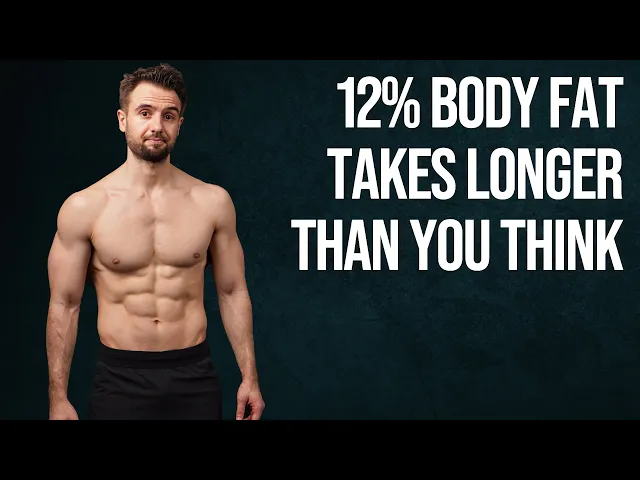
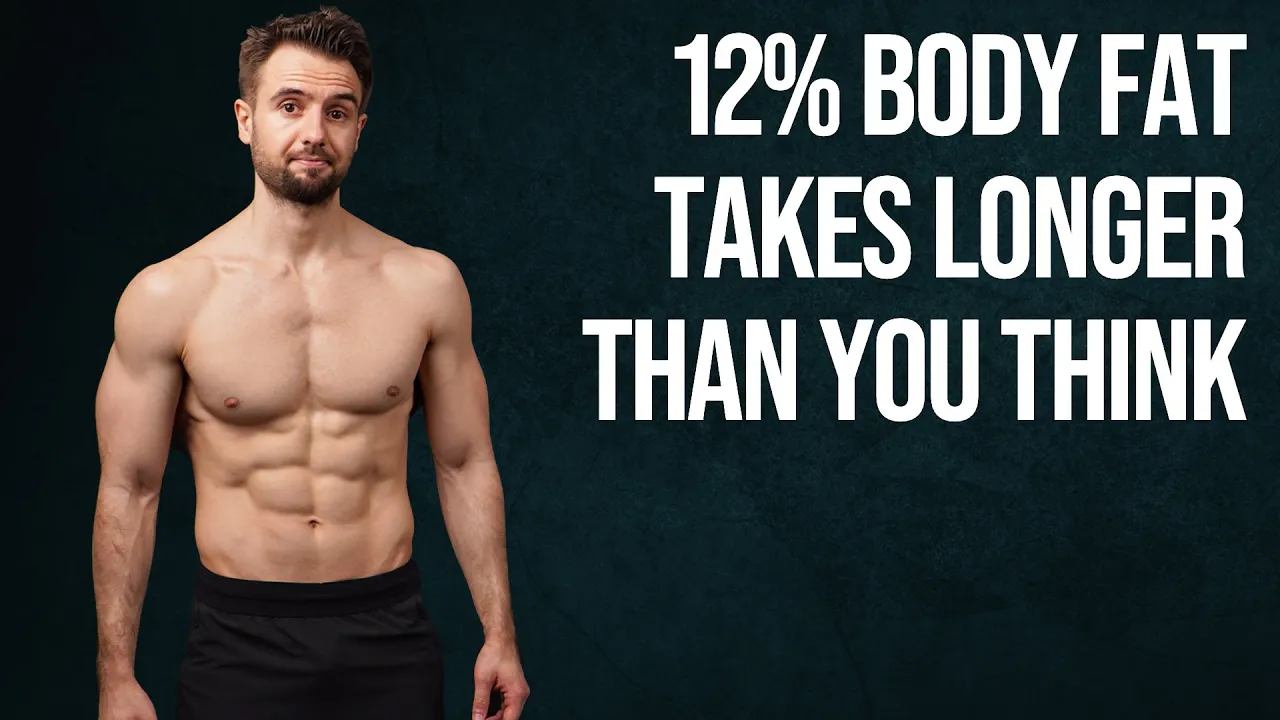
so in this video I'm going to give you the honest truth about getting lean and why it almost always takes much longer than people think so if you're looking to get down to 10 to 15% body fat it is critical you understand what I'm about to tell you because have the wrong expectations is one of the main causes of discouragement and why people drop off it is very easy to get frustrated when you feel like you're not getting the results and you're putting in a lot of work this is what destroys motivation and most people
end up stuck in a plateau not knowing what to do next so the first thing you need to realize if you're trying to get lean is that you're probably underestimating how much body fat you have those who think they need to lose 20 lb or about 8 kilos to reach 12 to 15% body fat typically need to lose 40 lbs or about 18 kilos often even more and a part of the problem is that devices like smart scales or inbody scans also tend to underestimate the body fat percentage especially when someone is at high body
valate and if you're not sure where to go from here here's a good rle of time and a simple formula you can use to get an idea how low you might need to go so if it's your first real fat loss phase and if you don't have years of serious weight training experience meaning you don't have that develop base of muscle mass it is very likely your goal weight for a lean physique will be below your height in centimet minus 100 here's an example let's say you're 510 178 cm like me you take 178 minus
100 that's 78 so your weight to get a lean physique will likely be around 78 kilos or 172 lb and people don't want to hear this but that's the truth nearly everyone greatly underestimates the amount of body fat they have and overestimates how much muscle they have including myself I started my fitness journey about 200 lb about 91 kilos had very little muscle on me and minimal weight training experience when I first started losing weight I thought I had about 25 lb or 11 kilos to lose but when I lost those 25 lb I realized
that was nowhere near my goal I did see 175 on the scale but then when I looked in the mirror I was very disappointed I was expecting something different now I did continue pushing and eventually I ended up going down to 154 lb about 70 kilos and I could finally see some ABS that's after losing 46 lb or 21 kilos and this was a really big lesson for me my initial estimate was off by more than 20 lb I didn't know any better I was just starting out and nobody told me any differently so if
you're just starting out my advice is to set the right expectations from the get-go so that you know what you're going up against now the second reason people get this wrong is because we've forgotten what a normal weight for each height is someone at 260 lb or 118 kilos at 510 might think that 200 lb or 91 kilos is a normal weight for them but it's very unrealistic that most people that tall will be healthy at 200 lb that might be the case for someone who lifted weights for a decade and done so seriously kept
hitting the like button in my videos and now is very muscular so for that person that might be 18% body fed but the vast majority of people are nowhere near that muscular 200 lb is at least 20 lb above will be considered a healthy weight for an untrained person at 510 so when you start losing weight don't expect people to automatically understand this you'll likely be getting comments such as you're getting too thin your weight is already too low or you're good you don't need to lose any more and some of is simply because people
are concerned about you as most of the time they see other people lose weight is due to some kind of illness but a lot of it also comes from a place where we've forgotten the metric for a normal lean healthy human body the Obesity epidemic has distorted our reality so I recommend setting your goal based on how you want to look in the mirror think about your body composition and think about your body fat percentage and stick to the plan if you have to lose more weight to get there so be it if you haven't
weighed that much since College that's fine keep at it the initial goal is not the end all be you can always do a muscle building phase afterwards and then strategically add a little bit more muscle increase your body weight but now with a much better body composition now the third reason getting lean will likely take you a lot longer than you think is because you're going to be making a lot of mistakes especially if you're dting to a body fat percentage that you haven't been at before such as 12 or 15% body fat that might
be vacations holidays birthdays nights out could be stressful weeks at work or family stress regardless of the cause it will happen it is inevitable you will screw up and more than once it's not a matter of if it's just a matter of when all habits won't just disappear because you decided to get lean no one can go from having overweight eating habits to lean eating habits overnight habit change is not an on andof switch it's a process you make some progress and then you have a setback you recover you get it together make a little
bit more progress and you have another setback when you do it right you'll learn from your mistakes and that's when those setbacks become less frequent over time and they also aren't as severe for example if weekends used to be a problem now you can predict how the weekend might go you plan your calories and macros you check the menus ahead of time you pre-log the meals in your food tracker and now you know exactly what to order at the restaurant with groceries you learn which trigger fruits to avoid and you don't bring them to their
house maybe you realize that high-intensity cardio is making you too hungry so now you're focused on walking more increasing your step gown you might realize that you need to cut out alcohol because a few drinks leads to poor eating decisions and bad sleep and makes everything much harder to stick to and usually to learn stuff like this you got to screw up sometimes and it's going to be painful but that's how you discover the true weakness in your plan and that's how you end up fixing it no one is 100% perfectly consistent and you don't
need to be to see great results but you do need to be persistant and you need to learn from mistakes and you need to keep coming back at it fat loss is a skill set that you learn and build over time and that's what will make getting and staying L sustainable longterm and if you're interested in working with me to learn those skills and avoid a lot of the mistakes the details for coaching are in description below so check those out and I'm going to see you in my next video