[Music] foreign there is no secret to the nutrition strategies for hybrid athletes and anyone telling you otherwise is trying to take advantage of you however there are some essential strategies that you can Implement to maximize your performance and enhance your recovery and that's what I'm talking about in today's video the first thing I'm going to talk about is the importance of proper fueling now I've recently recorded a podcast on this entire topic and the feedback was amazing so if you want a deeper understanding and education on this entire topic make sure to click the link
in the description that will take you right to the podcast episode when I first started training and trying to fuel for my training I mess it up horribly I'm just craving water like so thirsty for water right now make it through workouts with sustained energy because I wasn't fueling properly throughout the day and I wasn't fueling properly around the workout so if you're experiencing any of these symptoms you are probably underperforming because you're under fueling and ultimately you are not recovering through that process now when I was training for my Iron Man Triathlon with my
coach Natasha she told me one day and this is coming from a professional triathlete she said Nick if you keep me fueled I can train all day and she taught me how to use carbohydrates strategically around workouts she taught me how to use electrolytes and sodium manipulation to improve performance and enhance recovery and it made the biggest difference a lot of people are afraid of sodium if you are an athlete if you are moving you might be dehydrated and you might want to supplement with an electrolyte powder or just add more salt to your meals
now we offer two products around endurance with electrolytes we have just an electrolyte powder zero calories zero sugar 500 milligrams of sodium per serving then we have g1m sport which has 20 grams of carbohydrate 350 milligrams of sodium per serving water alone is not going to hydrate you you need electrolytes like I said this either comes from the food you are consuming or using a powder now you can do a sweat test and I did a sweat test about two years ago we found through the sweat test I was losing 2700 milligrams of sodium per
hour in those conditions and it'll work out like that electrolytes are your friend sodium is your friend if you are an athlete if you're sweating a lot use this all day and around your training to have better performance be proactive rather than reactive and for a lot of people they will listen to their body's natural hunger cues telling them when and how to eat but I would argue for performance especially for a highly trained athlete that won't give you the necessary cues to eat enough throughout the day proactive fueling is having a plan having a
strategy I need to consume this many calories throughout the day based off my training demands based off my schedule and if I spread out my meals in that type of strategy I can consume carbohydrates protein in dietary fat so I would argue it's better to be proactive with your diet rather than reactive have a plan have a strategy know how much you need to consume and when to fuel your performance and enhance your recovery now I'm sure you hear people talk about calories matter and they are most important then you hear other people say the
quality of the food source is what really matters and calories are actually irrelevant well today we're going to talk about what you should actually focus on here's the thing if you are just focused on the quality of food and not calories and you think that you can fuel a 20 mile run or a marathon prep or hybrid athlete training with just lean meats and salads you are quickly going to realize that you're going to bump you're going to burn out and you're not going to be able to effectively complete your workouts or recover for the
next one and that's why calories are King the truth is they both matter calories calories will always be king but the quality of the food sources that you're consuming are just as important I like to follow the 80 20 principle that means 80 of the foods I'm consuming are whole organic non-processed food sources and the other 20 I'm having fun with it I'm going to dinner I'm having pizza in a burger and fries I might be grabbing a margarita or a beer if we're going out to dinner and and spending time with friends and family
but majority of my diet is very quoted clean now some people like to consume more fats than carbs other people like to consume more carbs and fat for me when I'm not in a big training block for an ultra marathon or a marathon I actually prefer to consume more dietary fat and moderate carbs but when I'm in a big training block like right now where I'm training for an ultra and I'm going into a marathon on training block after this I prefer for to increase carbohydrate intake and decrease dietary fat intake so here's the Baseline
of where I like to get started you can take this you can apply this to your diet and then manipulate macronutrients based off of what you just prefer I like to set protein at one gram per pound of body weight so me being 200 pounds I'll set my daily protein goals at 200 grams of protein per day setting up my fats now that my fats are a little bit lower than normal I'll set my fats at about 25 of my total daily calories so if I'm consuming say 3 500 calories a day my dietary fat
that I'm consuming might be between 90 and 100 grams of fat and for the rest of my calories I'm going to fill that in with carbohydrates and my carbohydrates right now are anywhere from 450 to 550 grams a day and that's just based off of my physical requirements for training the amount of miles that I'm running and the time I'm spending in the weight room that's like Baseline how I like to set up my my diet and then based off what I'm training for what my body demands the physical requirements my caloric requirements I will
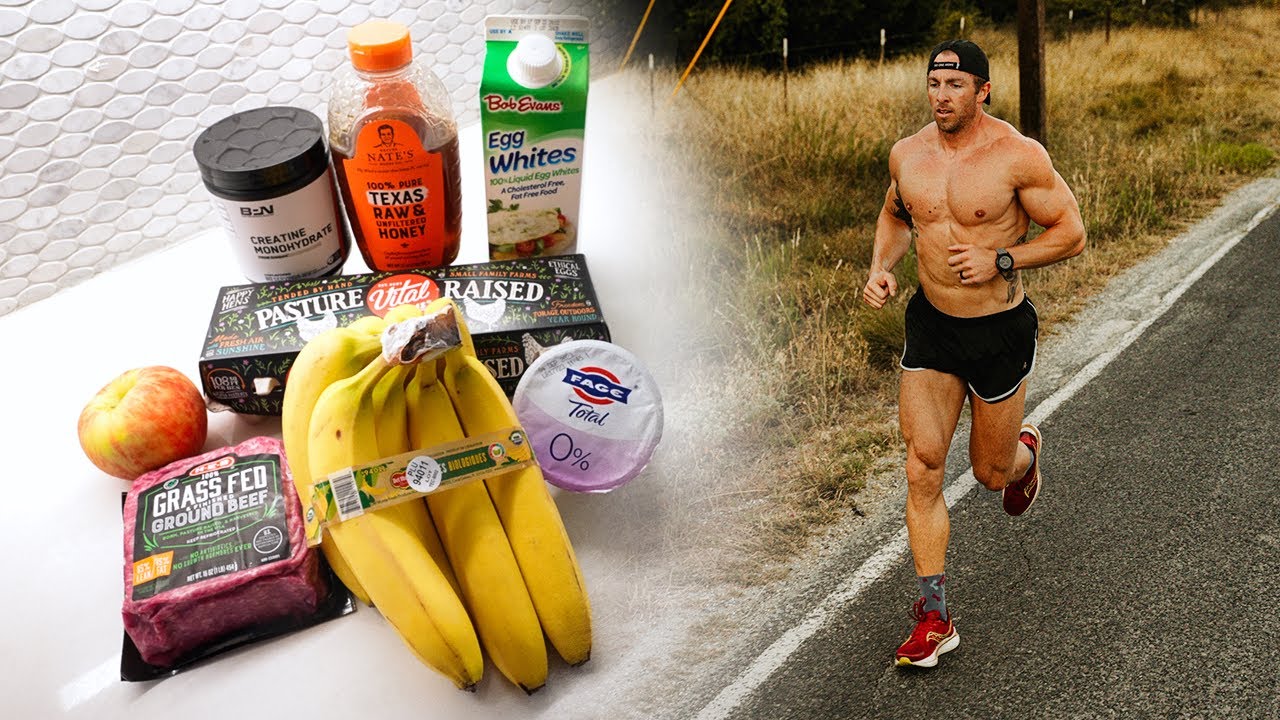
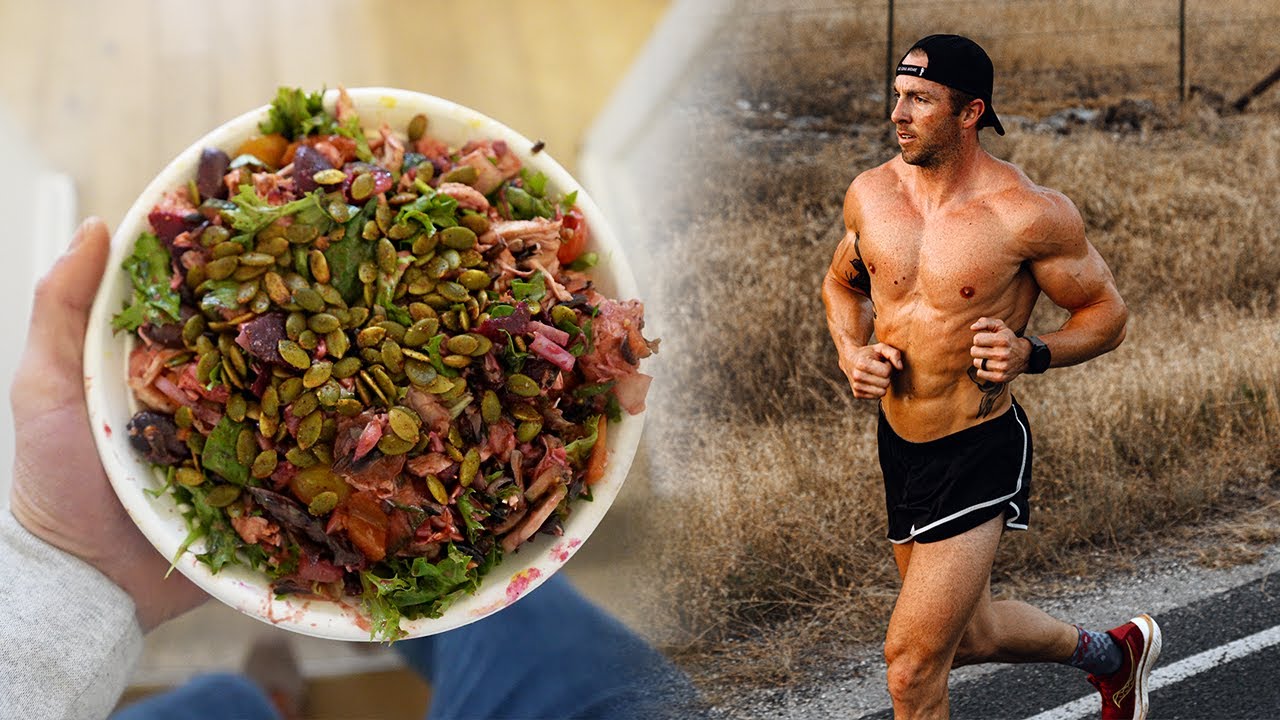
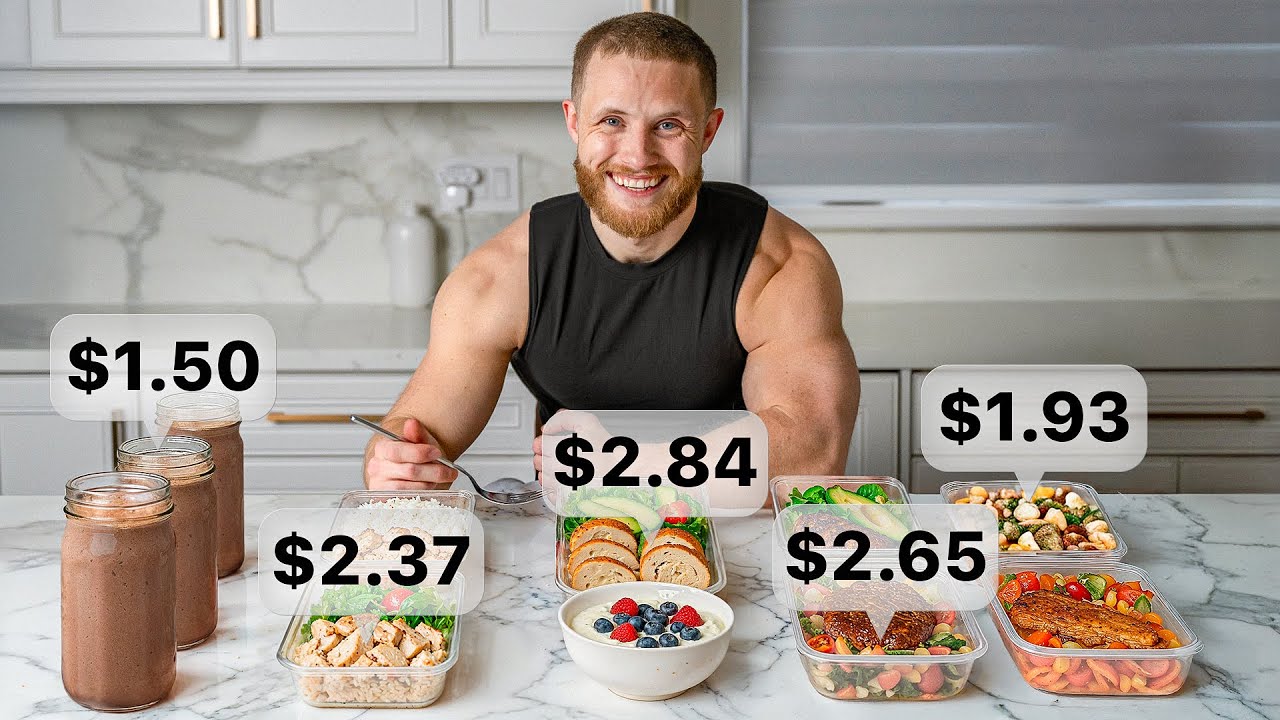
manipulate and change my fat intake and carbohydrate intake based off that but protein always stays pretty consistent now some of these Foods I have laid out right here actually make up majority of what I'm consuming on a daily basis I added variation in here and there but I have green beans broccoli that's like my main green vegetable Source I'm consuming a zero percent fat Greek yogurt chicken breast chicken thighs grass-fed lean ground beef eggs egg whites sourdough bread nut Butters like peanut butter or almond butter olive oil we'll throw a lot of olive oil in
when we're cooking but olive oils or oils in general is something to be careful with because it's a fat that adds up very quickly calorically dense sweet potatoes rice fruit such as different types of berries bananas melons oats that I throw with my breakfast every morning beans like Black beans and then to get more protein in my diet I supplement with either a whey protein or a plant-based protein powder that we offer at bpn and every morning before I go out for a run I consume two scoops of g1m sport which is our carbohydrate and
electrolyte supplement so these are the main food sources I'm consuming on a daily basis yes there's variation and I'll throw different things in but this makes up most of what I'm consuming to focus on both calories and quality of the source of the food now the next thing I want to talk about is calories and macronutrients now your macronutrients are your proteins your fats and your carbohydrates proteins and carbohydrates provide four calories per gram and fats provide nine calories per gram which means that dietary fat is more calorically dense than carbohydrates and protein going back
to talking about calories on calories are a measurement of energy there's a lot of different calculators and online equations you can use to find what calories you need to consume on a daily basis to either maintain your current weight gain or lose weight one of my favorite strategies and protocols is to do a food journal now when I was studying nutrition in college this is what we used to do with people we were working with the best way to do this is to log your Foods on a daily basis for one week seven days you
can use a free app like MyFitnessPal or you can use a paid app like carbon which is the app by my good friend Dr Lane Norton they're both great references and resources and you can input in these apps the foods you're consuming at which times and in what amounts do this like you just normally would consume Foods on a daily basis and at the end of the week find the average of the amount of calories you consumed each day and you want to also track your weight over the course of these seven days if your
weight maintained you can assume that the average amount of calories you consume on a daily basis is your maintenance calories if you gained weight you can assume that you were eating in a caloric Surplus and if you've lost weight you were in a caloric deficit that is the best way to approach caloric intake and find what's best for you now the last thing I want to talk about is kiss keep it simple stupid I first heard this when I was in the Army and we applied it to a lot of different things and it made
a whole lot of sense you can apply this to your training you can apply this to your nutrition there's a lot of things we can do to make incremental progress with our health our performance our recovery and what I find a lot of the times is the people want to focus on the shiny incremental pieces that are going to make these small subtle changes but you can only make incremental progress if you've built the base first keep it simple focus on getting enough calories hitting your macronutrient goals training efficiently and effectively and Progressive overload and
then after you've focused on and refined those processes we can start adding the icing on the cake that might make incremental progress to the process we've already started and remember the best diet is one that we can stick to as always go on more we'll see you guys in the next video