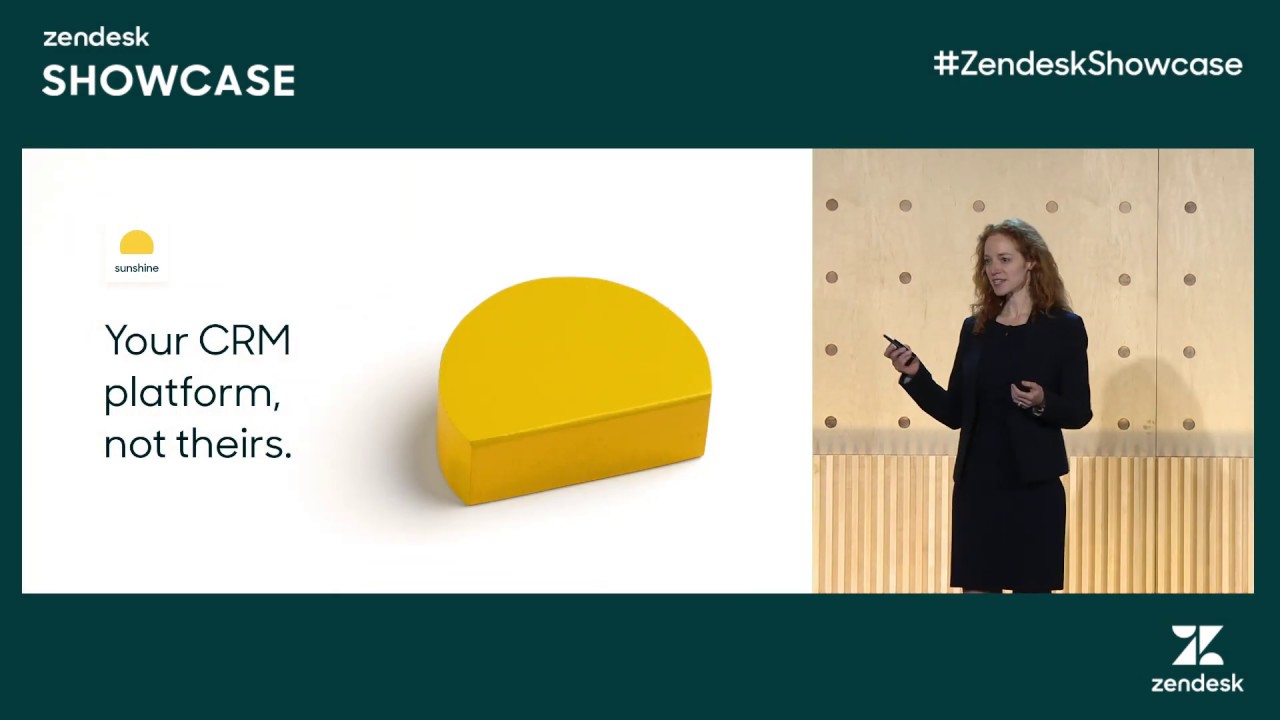
hi there it's dominic the cx guy dominic from roca now welcome to another video for those of you who don't know me my name is dominic i've been a zendesk consultant for nine years almost i've been his ns partner for the past three years and i've also worked at zanusk and i'm here to share some of that knowledge today's topic is going to be zendesk sunshine what is it and what the heck can i do with it so as we know or we if we don't know then the sunshine is a new edition from zendesk
which well it's been there for two three years almost and uh its purpose is to help you create more data and play around with your data on the platform now it is very developer centric and i will have to be excused as i am not a developer myself so yeah well we're just going to try to break down the information that zendesk gives us and i will give you some examples of use cases that i've come across while working with zanusk and zander sunshine so let's see according to zendesk oh by the way before we
begin please like and subscribe this to this youtube channel you're getting all this free content so the least you can do is maybe subscribe not maybe please do i mean i've been looking at the stats and ninety percent of you have not subscribed so it would be much appreciated now going back to the video zendesk sunshine what is it and what the heck can i do with it the zenith sunshine platform lets you connect and understand all your customer data wherever it lives kind of vague the sunshine data layer isn't associated with one zendesk product
but you can model relationships with certain native objects like tickets and users okay kind of getting there the sunshine platform currently consists of three resources events profiles and custom objects each can be accessed with the api right so this is a little bit where it comes starts to be a little bit vague because you can only access it via via the api which the api you can do via code which doesn't make it very accessible so that's why for example i myself am a visual person and i don't really understand stuff unless i see it
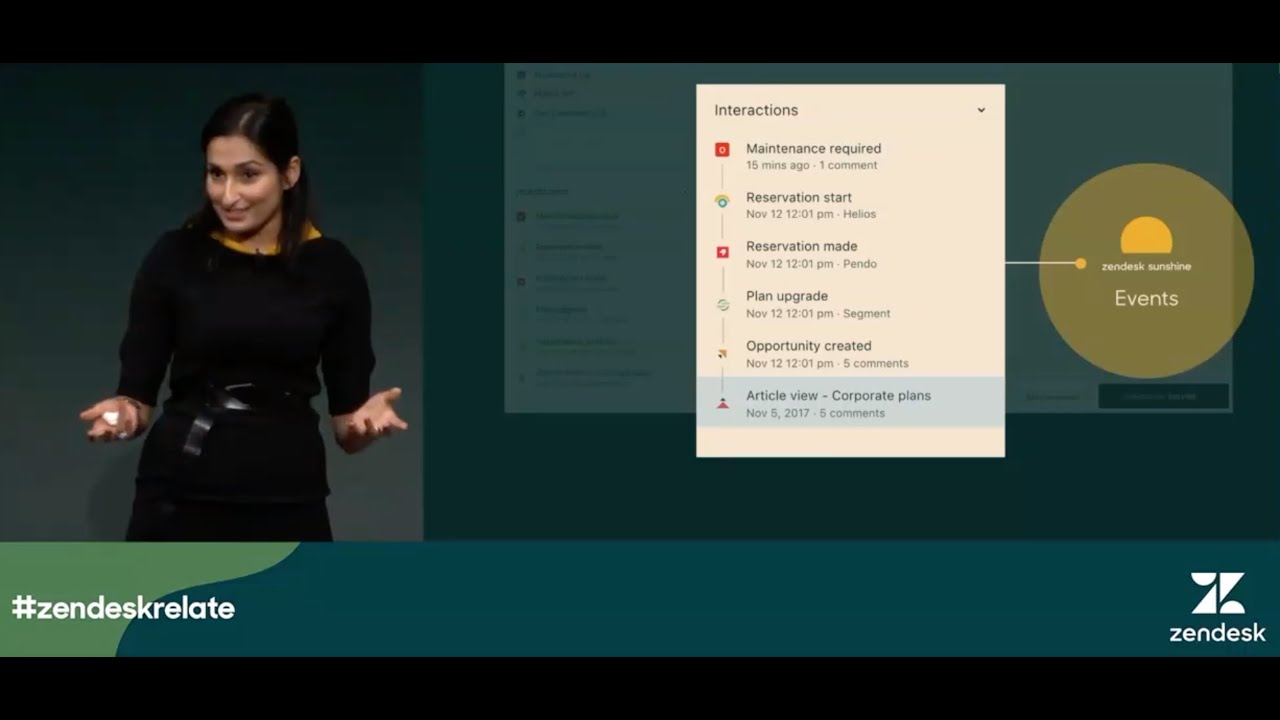
somehow so if you're like me then you're watching the right video right now or if you're a developer you can maybe understand how you can make things a little bit more and easy for people to understand so we're all getting something out of this so uh let's break it down so it consists of three resources events right let's talk about events meaning that for example you have a business right and you can and you use zendesk for support right to receive customer service requests and then you have your team working in there answers the support
requests uh let's assume that you do it well and yeah all fine and dandy okay amazing now events means that for example you have let's say a business an e-commerce that you use to you know sell online right so in e-commerce is a an application online you go you you can buy from it you can have an app as well downloadable on the phone now the idea is that zendesk is disconnected from whatever your business is right so let's say from these e-commerce it's disconnected it doesn't know what's going on so an event means that
for example when a user buys a product from you that's an event right or if they click uh you know i don't want this product i want to return that's another event and then if the product they for example put it in a mailbox and they ship it to you it arrives in your in your warehouse that's another event and then the customer says okay think all right let's go with a let's take it off take it down a notch then the customer says i want my money back that's an event the money arrives in
their bank account that's another event then the customer buys something else with that money that's another event right so you don't know all of this in zendesk so the events api lets you essentially track all that information in zenda so your agents will always see what their customer has done right so you can bring all this information all these events into the zenith sunshine events api and you can display them to your agent so they can see them so far so good right okay so now the other one is profiles okay so the number one
let's say problem nowadays is the fact that data is scattered through all over the internet right so you when you run a business you don't just use zendesk you use magento you use shopify whatever you use to make your sales then you use a tool like xero to send invoices or stripe then you have another tool for let's say bug reports maybe it's jira then you have another one for project management which is maybe monday monday.com or uh i don't know asana or whatever then you have another one for i don't know for sales which
is yes it's shopify uh salesforce or whatever right so you have all these different tools that contain information about your customer and in an ideal scenario you want all that information to live in one place specifically when that customer reaches out to you and says hey i need your help i have a problem right i have a problem with your product i have a problem with your company now you want to empower your agents to give contextualized answers back right so you want your agents to know who they're talking to and you know if they
are i don't know an old customer like uh that isn't like a old grandpa but like a customer that's done business with you for five years maybe they are high up in the priority rather than someone who's just thinking about buying from you right they haven't yet done business with you so you want to know their profile you want to know everything you can about them right so you bring all of this information you have about these customers to bring them into your um zendesk for example and that's where you can use the zendesk profiles
api and bring this information surface it inside send it so you can offer contextualized support now there is another side which is custom objects which is this is a very good bit because i i have been actively involved in this and try and i'm not trying i've built some apps for it so you know custom objects means the the following right so in zendesk you have three data types very big it's they're amazing but this is how then this works if you think about it it's amazingly simple um you have organizations and then organizations have
users and then users have tickets right an organization can have multiple users a user can have multiple tickets and then obviously the organization can have tons of tickets because yeah it contains the users that have the ticket so you have these three data data models that have these relationships between them now custom objects comes to help you to create additional data models besides these three because when you run a business you don't just have tickets organizations and users you also have maybe products you have devices you have items you have coupons you have um subscription
types you have i don't know you have whatever you know i've just given up giving you some examples right so you want to create relationships between for example your customers and the products that they own or the subscription that subscriptions that they have with you or the devices that they own if you're if you're for example on itsm so um yeah see what i'm getting with this right so then the sunshine custom objects allows you to create these additional data models and to create relationships so by the way i have created an app on the
zendesk marketplace where support and then the sunshine where you can assign these projects you can assign these products or items or subscriptions you can assign them directly to the user because otherwise you can add them in zenith but you can have to assign them through the api which is a yeah not very friendly so i have created an app for that for you to assign these which makes it a hell of a lot easier to manage these custom objects now um what else oh yeah so now we finish these three right so events profiles and
custom objects we talked about these three now there's another thing that you can use the zendesk sunshine platform forum and its conversations so you can create custom conversations right so this means that you can make rich conversations using the zendesk sunshine conversations api and how this sunco api as you might be familiar with it right so you can use this to create rich conversations how you know how you can use right the flow builder and to create like some conversations in your chat right so you can have these guided flows for your users well you
can create an even more uh complex ones for example you can use conversation sunco sunshine conversations to for example pinga your backend and say if your customer writes you and says um yeah for example um dear customer are you a registered user yes i am in the conversation right customer says yes okay what is your email address they put in their email address now you have a web hook that takes this email and then goes to your backend or your shopify or i don't know magento salesforce whatever you use and then pings that and says
do you know anything about this yes i do they are have this kind of subscription they have a professional subscription with my company or they own this whatever three products that they bought right and then you know this about them and then you say is this regarding a um outstanding order like something that you recently purchased or is it something related to something about these three products that we know you own with us do you have anything to ask us about these things that you own with us or this subscription that you already have or
is it about something new uh it's about a new order ah what is that order number uh they give that order number and your backend your well essentially what you can use sunko for you take that order number and you ping your backhand whatever it is right and you see do i know anything about this order ah boom i do know it's set to arrive next thursday because we had a delay whatever it's set to arrive next thursday are you is there anything else that you wanted to know no i didn't actually that's it thank
you bear in mind who the person or who had this conversation going so far was a machine was a robot right so this has been a machine that has done this thing that a human had to do before they had to ask for the email had to ask for the order number had to ask for whatever data is relevant information piece of information is relevant had to go into a back end had to type in that order number or whatever product number surface that up go back into the chat say to the customer yeah sure
let's uh do you it will arrive with you it will be with you next thursday so yeah see you you did all of this with the machine so this has been the gist of what sandusk sunshine can do for you it's in essence a playground for you to create data models and to essentially yeah automate even more of your business and be able to yeah keep everything into one place have one source of truth create custom conversations create custom interactions and yeah make it easy for you to run your business and yeah all to essentially
decrease churn keep your customers with you try to encourage not try encourage them to do more business with you because if they're satisfied with the service that you give them then they will be happier and they will continue to do business with you and you'll continue to you know uh increase revenue because of it or at least keep an er a predictable arr an annual recurring revenue because you keep your customers with you i hope this video was helpful for you i i enjoyed doing it if you have any questions go ahead drop me a
drop me a comment in the uh yeah in the chat not chat sorry in the comment box i'll i always answer these uh unless you're rude if you're rude i will not uh i won't i won't i won't be bothered uh i'll see you and i love you bye
![Execution Layer Meeting 203 [2025-01-16]](https://img.youtube.com/vi/uh1hZCE4k0w/maxresdefault.jpg)