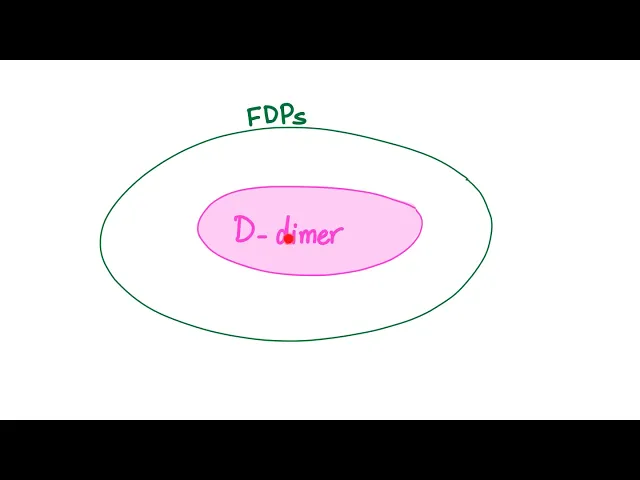
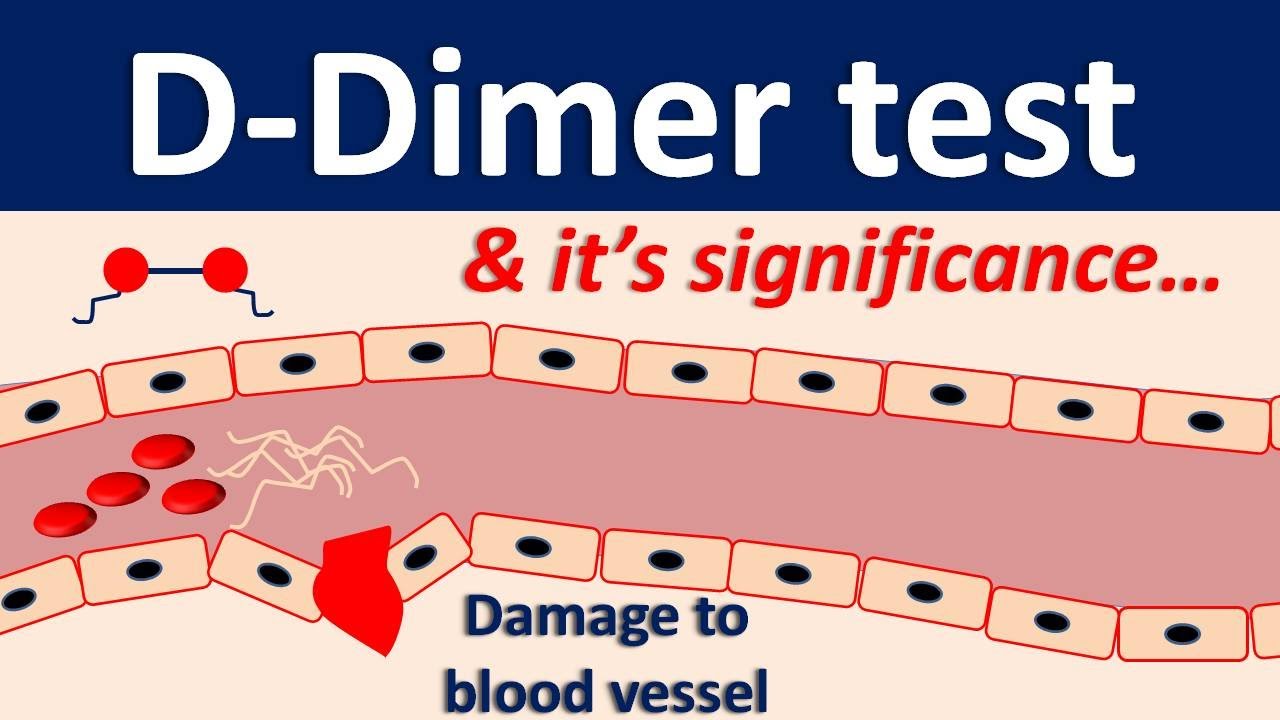
it's medicos is perfection l is resuming our discussion about bleeding and coagulation disorders in the previous video we talked about the fibrin degradation products today I'll talk about the Grady dimer a subset of the fibrin degradation products it happens when the lengths stabilized fibrin is being degraded by plasmon with that being said let's get started [Music] hemostasis has many steps we are still stuck in number four plasminogen to plasmin Thank You TPA plasmon will degrade fibrin fibrin degradation products and the stabilized fibrin into d-dimer and here's the whole story in one slide which have discussed
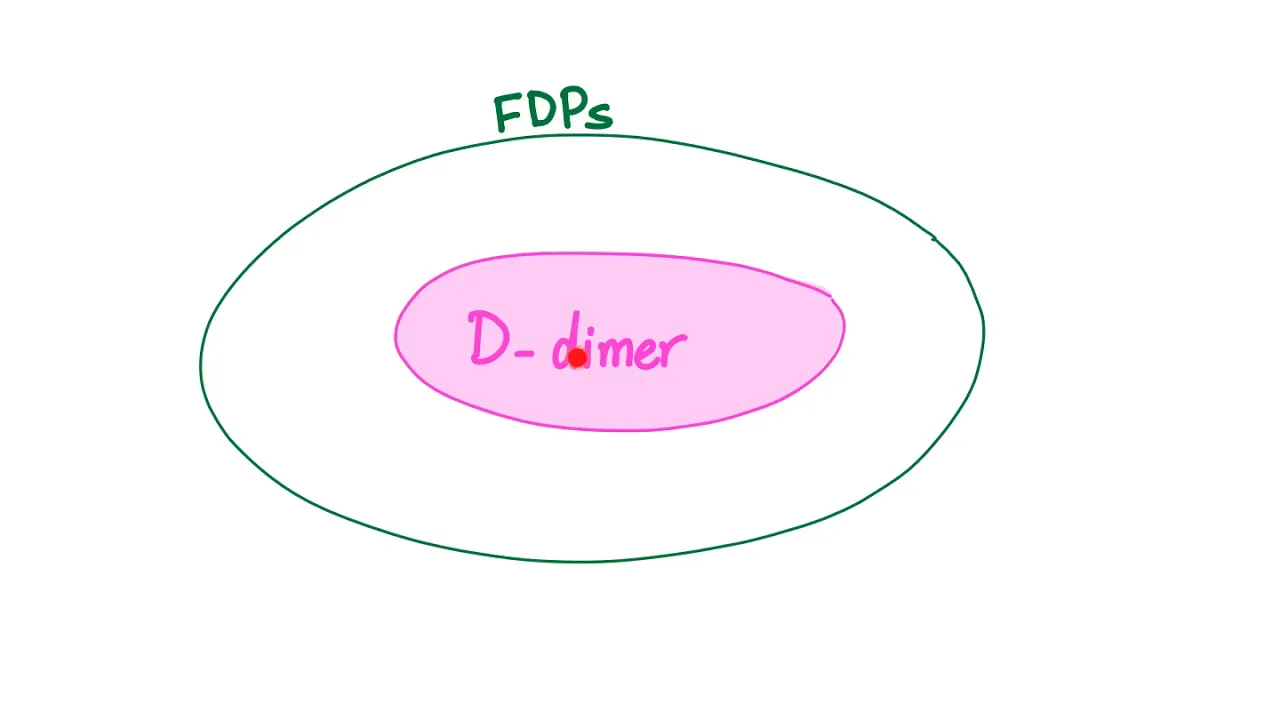
in a previous video in the last video we talked about fibrin or fibrinogen degradation products or fibrin or fibrinogen split products they come from fibrin or fiber engine respectively thanks to plasmin they are water-soluble the kidney can get rid of them in the ICU have increased fibrinolysis you'll have increased fibrin degradation products and d-dimer and diseases such as primary hyper fibrinolysis you have increased fibrinolysis and we will have increased v Nick relation products and d-dimer by the way d-dimer is a subset of fibrin degradation products which is even cooler is the fact that I have
50 hematology cases waiting for you guys on patreon.com 4 slash medical system they are difficult so here is fibrin before factor 13 factor 13 will cross-linked the fiber by adding covalent bonds here is the fibrin without stabilization and here's the fibrin being stabilized how did factor 13 do it it added some cross links between the fibrin fibers so how do you stabilize any strands you'll link them by putting connections between them to make them even stronger this is what factor 13 is all about for example by the way how do you make collagen fibers stronger
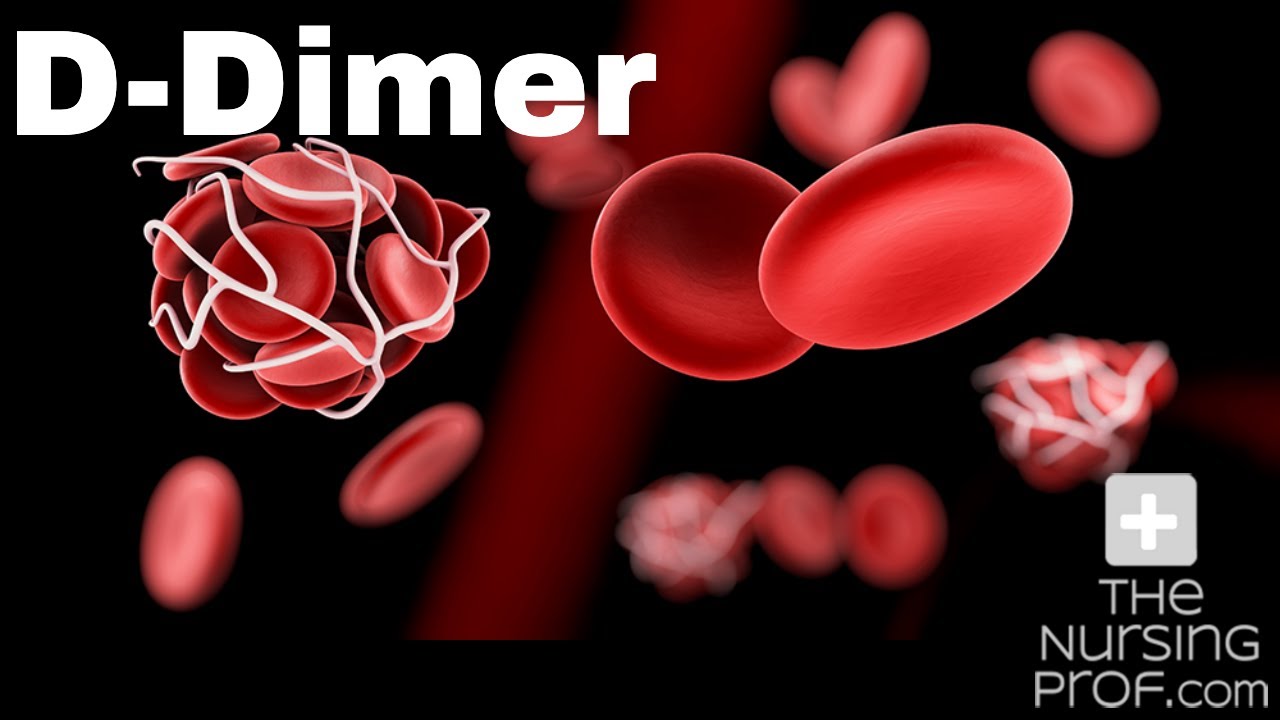
you link them to increase their tensile strength we call this process covalent bonding cross-linking or cross bridging when you see d-dimer or elevated d-dimer in the plasma of a patient it's an evidence that this patient has linked fibrin fibers floating around in the blood and it's an evidence that he or she had stabilized fibrin clot in their system fibrin by plasma integration plants the stabilized fiber my plasma in the d-dimer by the way dye means - because here are two stain two strands or two vibrant fibers connected together by a cross bridge so d-dimer acid
is a lab test detects only fibrin fibers that have a link these fibrin fibers are not gonna be detected by the d-dimer because they don't have a link the fibrin Oh Jen fibers are not gonna be detected because they are fibrinogen they are not fibrin let alone linked so if these are the fibrin degradation products d-dimer is included within them is a subset of the fibrin degradation products so let's talk about d-dimer it's a fibrin degradation product yep it is okay so sorry results from degradation of stabilized covalently cross-linked fibrin this was a mouthful when
you see the dimer it's an evidence that there was a stabilized fibrin here d-dimer assay detects only the fibrin fibers that have a link now let's play a game you bring up a piece of paper try to answer these three questions then I'll pause let you answer them then we'll come back okay pause now let's do the answers first question does d-dimer essay detect fibrinogen degradation products in other words if you have fibrinogen degradation products in a patient will you have an elevated d-dimer and the answer here of course is nope you will not because
d-dimer is only present as a result of degradation of the length fibrin not the crazy fibrinogen cool next would a patient who has broken down a plate with thrombus in his or her coronary artery have increased d-dimer and the answer is or are you ready he said are you ready I have a technical problem here sorry and the answer is yes well you thought this is a platelet from that doesn't contain fire hey when you hear the word thrombus it means we had some plates and these platelets are linked together by fibrin fibers and then
they will get stabilized by factor thirteen and then after being stabilized by factor thirteen now you have an issue you have a coronary thrombus which can kill you will you expect increase d-dimer the answer is yes third question would a patient who has di c show increased d-dimer and the answer here is going to be to drumroll please the answer here is yes so clinical uses of the d-dimer assay first to rule out DVT and PE excellent because these are clots if they are clots we expect fibrin fibers that have been linked by factor thirteen
cool in selective population which means when the pretest probability is low let me give you an example we have a 21 year old young healthy male he goes to the gym three times every week he pays his taxes he's perfectly healthy no family history of any clots no history of clots whatsoever he's living the dream and the d-dimer rule out DVT in this kind of patient the answer is yes why because the pretest probability is low the probability of DVT in this patient before running the d-dimer test is low so when the d-dimer test comes
back negative it has essentially ruled out the DVT and this patient because d-dimer is very sensitive 95% of cases it's not specific but very sensitive let me give you another example of a high pretest probability when d-dimer's not gonna work let's have a 49 year old female morbidly obese has been pregnant seven times before she is on birth control pills she had a major surgery three weeks ago and or like five days ago to be exact and she had a history of mold Paul major surgeries she's morbidly obese she doesn't leave the bed now her
ankle is swollen and it's tender and it hurts with a positive sign for DVT you run the d-dimer test it came back negative does the d-dimer test rule out DVT for this patient the answer of course is not who cares about the negative d-dimer all of that scenario all of the physical the history everything in this case points to DVT I'm not gonna believe d-dimer in this case I'm gonna believe my eyes and the history the pretest probability is high so d-dimer is not gonna work that's what it means the most sensitive tests to diagnose
the I see is d-dimer this was the question of last video so it has diagnostic value then a risk stratification value it stratified the risk of recurrent venous thromboembolism especially in women so you will say she is less risky she is more risky low risk high risk etc after giving a patient TPA for any of these diseases coronary artery thrombosis ischemic stroke remember only ischemic not hemorrhagic mesenteric venous thrombosis and renal artery stenosis we follow up using the d-dimer of the d-dimer's hi there was a clot now I'll leave you with these five questions these
are kind of difficult and the answer to these questions are available on patreon.com forward slash medic osis thank you for watching subscribe and hit the bell to get notifications follow me on Facebook and Instagram get my notes and get my 50 hematology cases by going to patreon.com/scishow sis and I'll send you my bloody Dropbox links because we're talking about hematology here thank you for watching until next time be safe stay have the end study hard this is me the coasters per fiction as war medicine makes perfect sense