Today. We definitely had good news. Better than expected is versus expectations heading into the weekend.
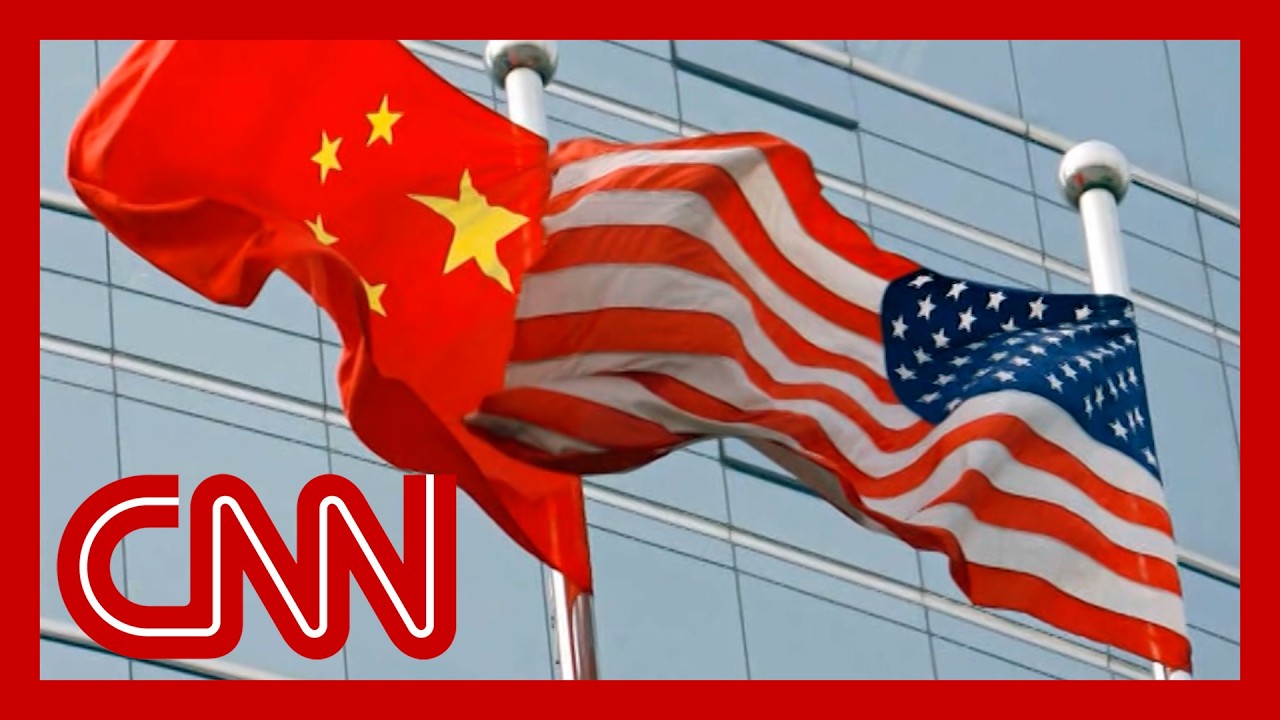
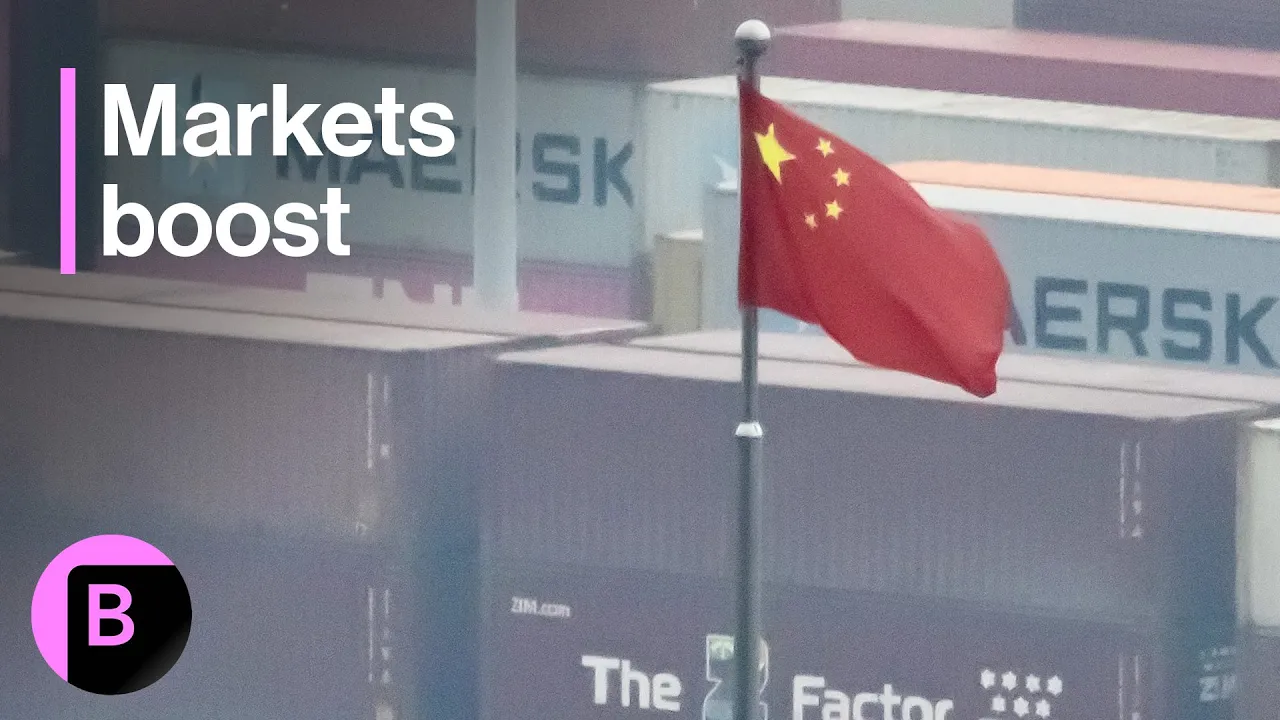
There is now a mechanism for engagement and also typically after meeting statements tend to differ US-China, but this time they are both consistently a positive. But of course, there's still a huge amount of uncertainty. 30% is still quite restrictive by historical standards.
But today taught us two things. I would say confirm two things for us. Number one, and there are lots of uncertainties during negotiations, but there are also immutable laws that can govern the destination of this negotiations.
The two immutable laws that we have identified, helping us try to gauge the landing zone is, number one, the debt dynamics in the US, 25% of the US debt is owned by foreign investors and there is a debt sustainability concern that one has to consider as one engages in negotiations on trade. And the second immutable law is around supply chain Supply chains build over decades cannot be ripped out just overnight, and the level of tariffs between US China and are at a level war, at a level that is essentially a trade embargo. And then at this point we are not talking about higher prices anymore.
We're talking about critical access being cut off, no longer having essential goods on the shelf. And these are important considerations that can help land the negotiation. And the last thing I would say that today has confirmed for us is that elevated uncertainty does not mean certainty of a bad outcome.
It just means a wide range of outcomes. So this is why we're still we have been positive through this period of uncertainty because we believe immutable laws can govern the landing spot. I mean, I guess way that, you know, the markets are greeting this as progress.
If you look back to 2018, there was a bit of a wobble. There was progress between the US and China. And then there was, you know, the US being backed away from that deal.
So what's the best way to position yourself in markets right now? I think it's important to focus on fundamentals during this period of policy uncertainty. If we look at earnings so far, that has a did earnings season days just wrapping up, we're still having U.
S. corporates surprising to the upside versus expectation at the beginning of the quarter by about positive out of 2%. We're still seeing companies committing their CapEx.
You look at hyperscalers CapEx commitment that has not decreased. The has actually increased. But of course, companies are citing greater uncertainty.
Companies are pulling their guidance. Companies are digging out for the first time scenario based guidance. So the longer this uncertainty lasts, the greater the risk of this steepening and dragging down overall outlook.
But for now, fundamentals are still okay US data. Hard data is stronger than sentiment, soft data. And so fundamentals still support a somewhat positive view on equities, which is what we have.
And the last thing I would say you talked about 2018 as a as a parallel. The difference between Trump second term and the first one is that in the first one, we had the tax cuts before the tariffs announcement, but this time around we had two tariffs, the bet for markets, bits of the policies being announced first and then the good bits for markets and good bits of the policy that can be good for markets could be around the corner. We're seeing reconciliation being debated in Senate and House.
We're seeing talks of deregulation. So I think this parts of Trump policies could support sentiment later down the line, which again is why we have been positive despite a huge amount of policy uncertainty plaguing sentiment.