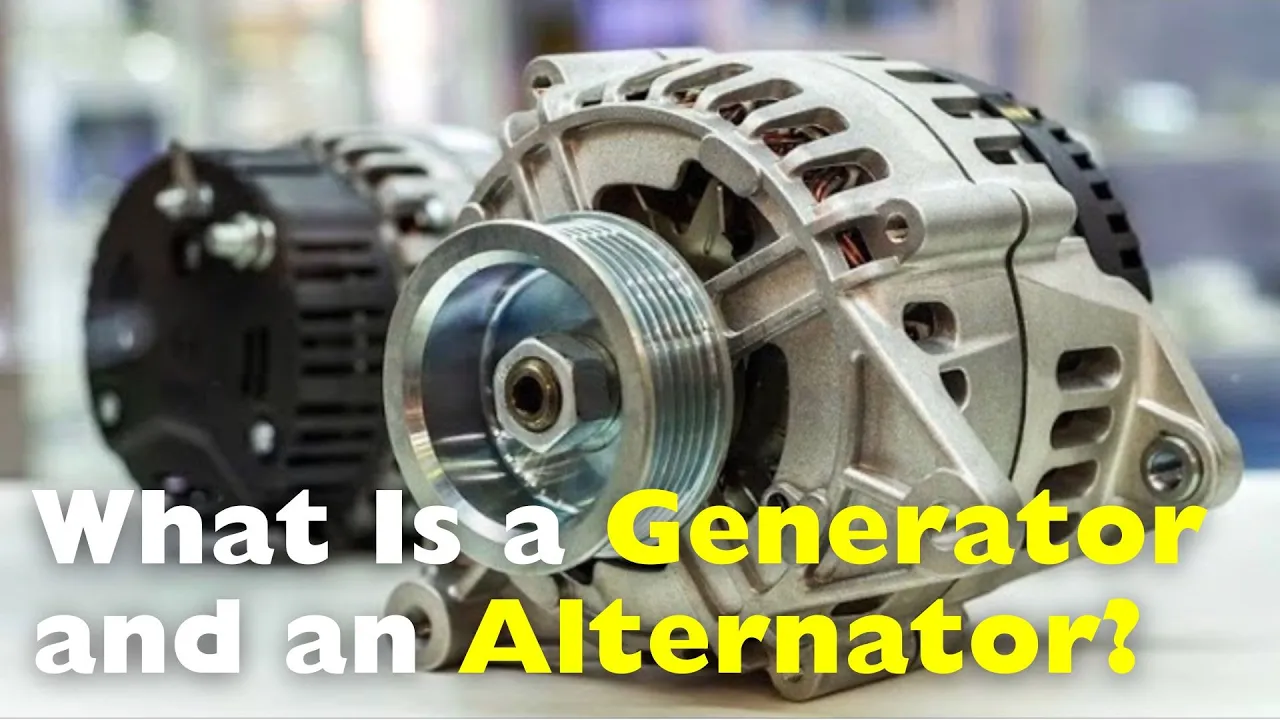
welcome to the history of simple things where we delve into the fascinating history behind the little things that shape our world when it comes to generating electrical power the terms generator and alternator are often used interchangeably but they are not the same device while both serve the fundamental purpose of converting mechanical energy into electrical energy they do so in slightly different ways and are used in distinct applications to understand the differences between a generator and an alternator it is crucial to delve into their working principles construction and typical use cases this examination not only highlights
the unique features of each device but also underscores why one might be preferred over the other in specific scenarios [Music] a generator in its broadest sense is any device that converts mechanical energy into electrical energy this category includes a wide variety of machines from the massive power plant turbines that light up entire cities to the small hand cranked units used in emergencies generators can produce either alternating current AC or direct current DC depending on their design the basic working principle of a generator is rooted in Faraday's law of electromagn magnetic induction which states that a
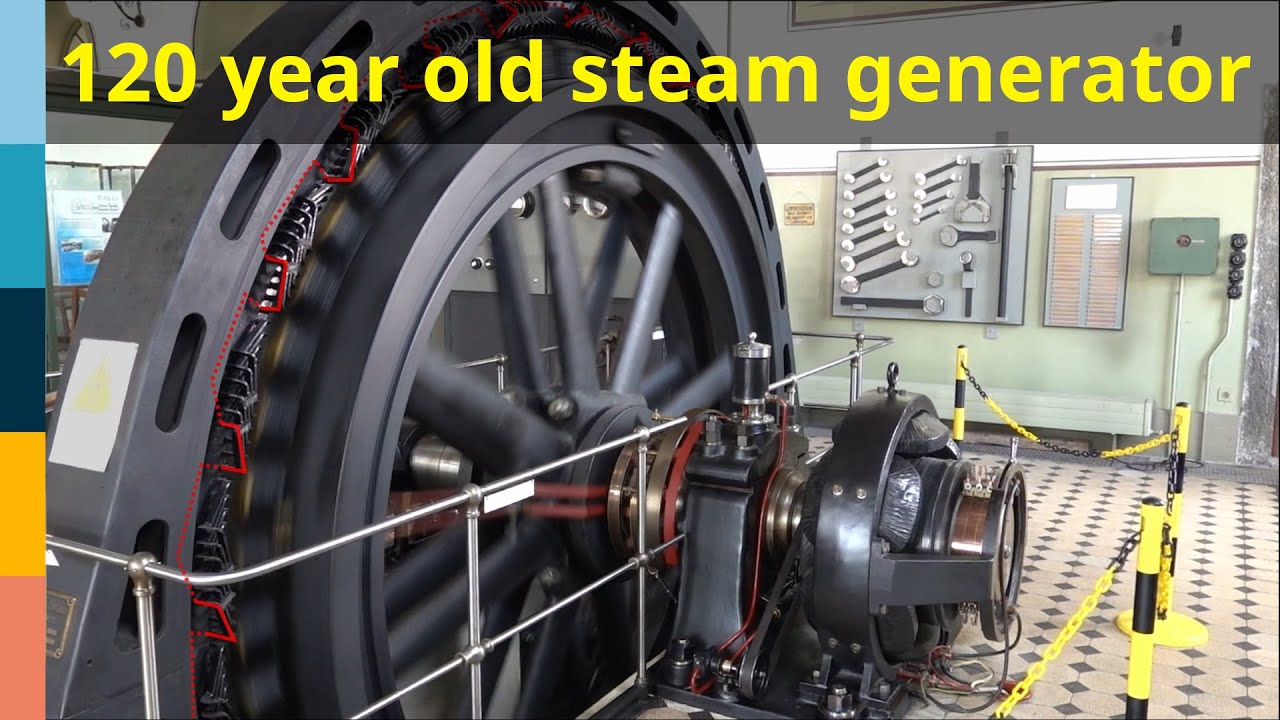
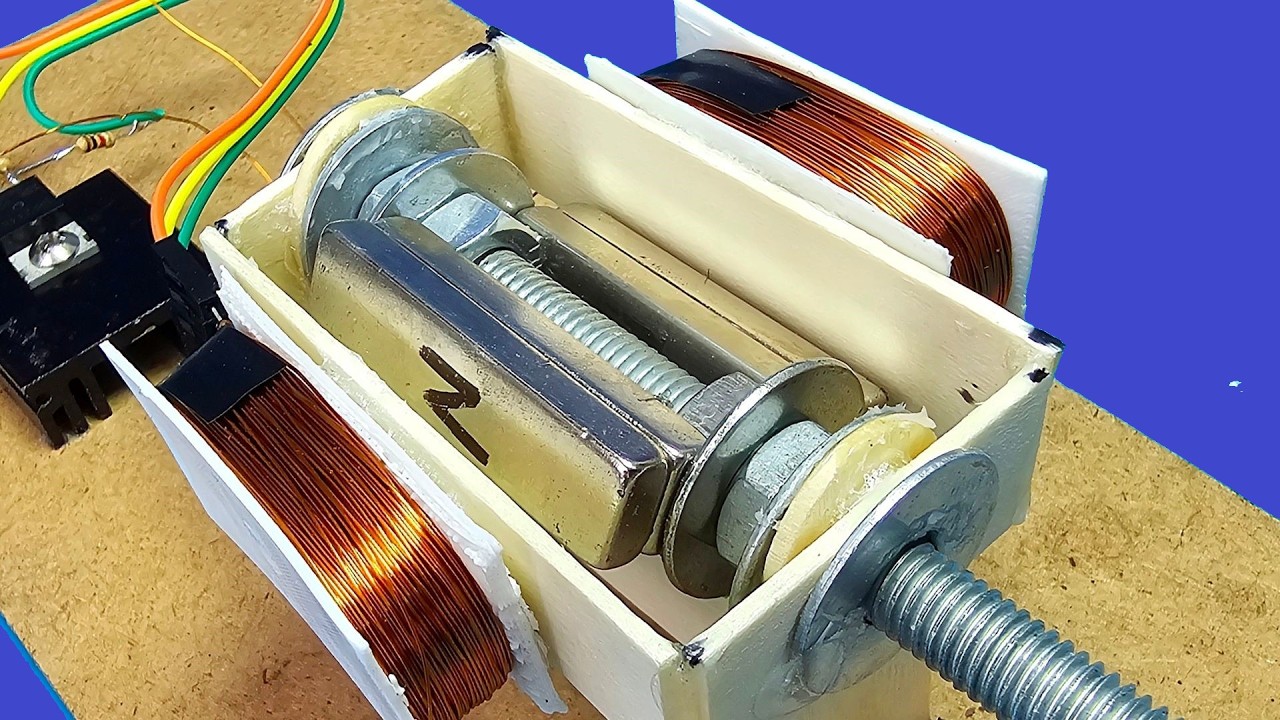
voltage is induced in a conductor when it experiences a change in magnetic field in a typical AC generator a rotor spins within a magnetic field and the movement of the rotor relative to the magnetic field induces a flow of electrical current in the stator windings the frequency of the AC produced by the generator is directly related to the speed of the rotor's rotation which is why maintaining a consistent speed is critical in applications where the frequency of the electricity needs to be stable such as in power generation for the electrical grid on the other hand
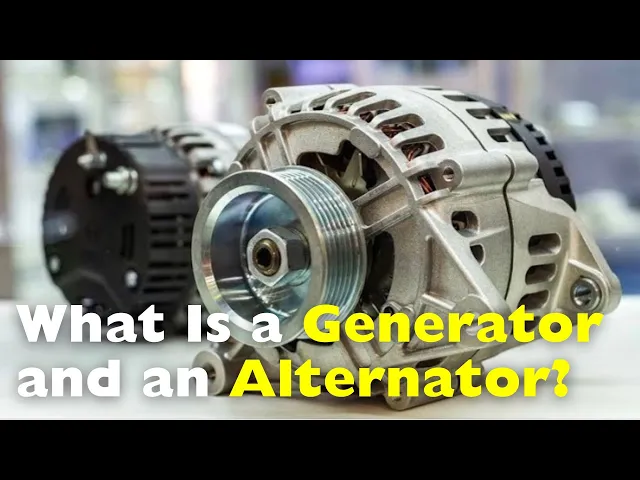
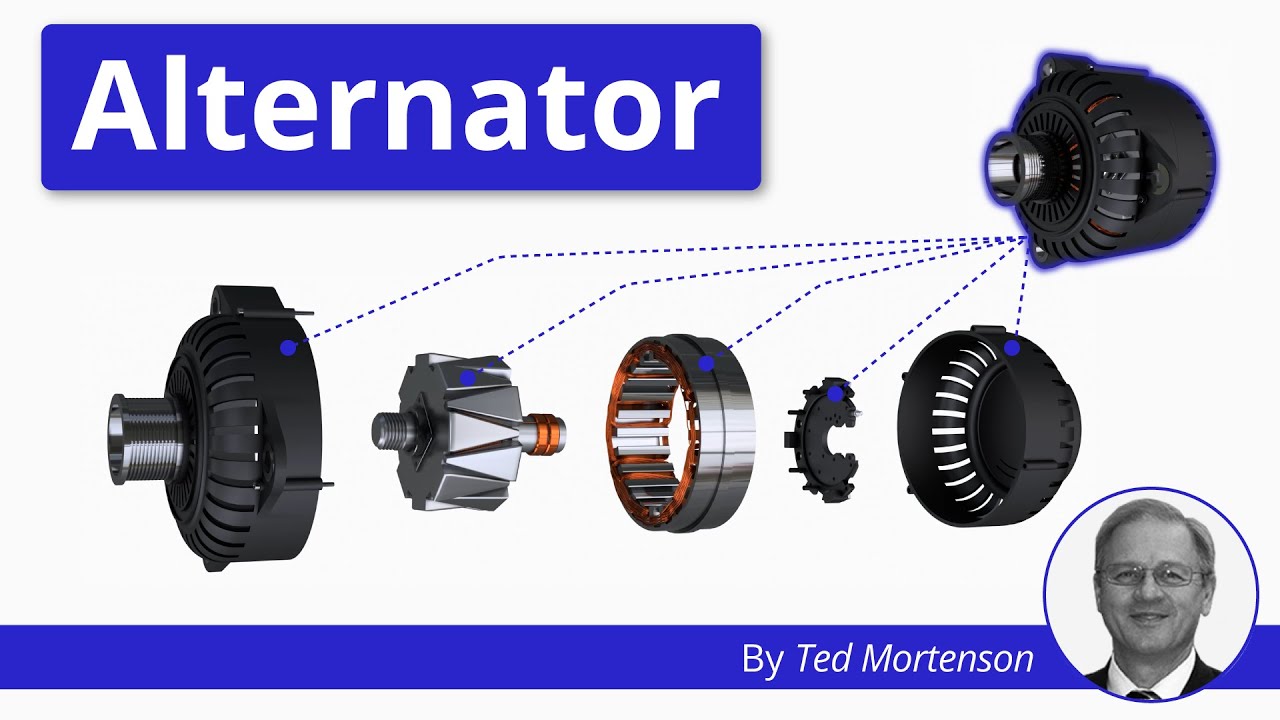
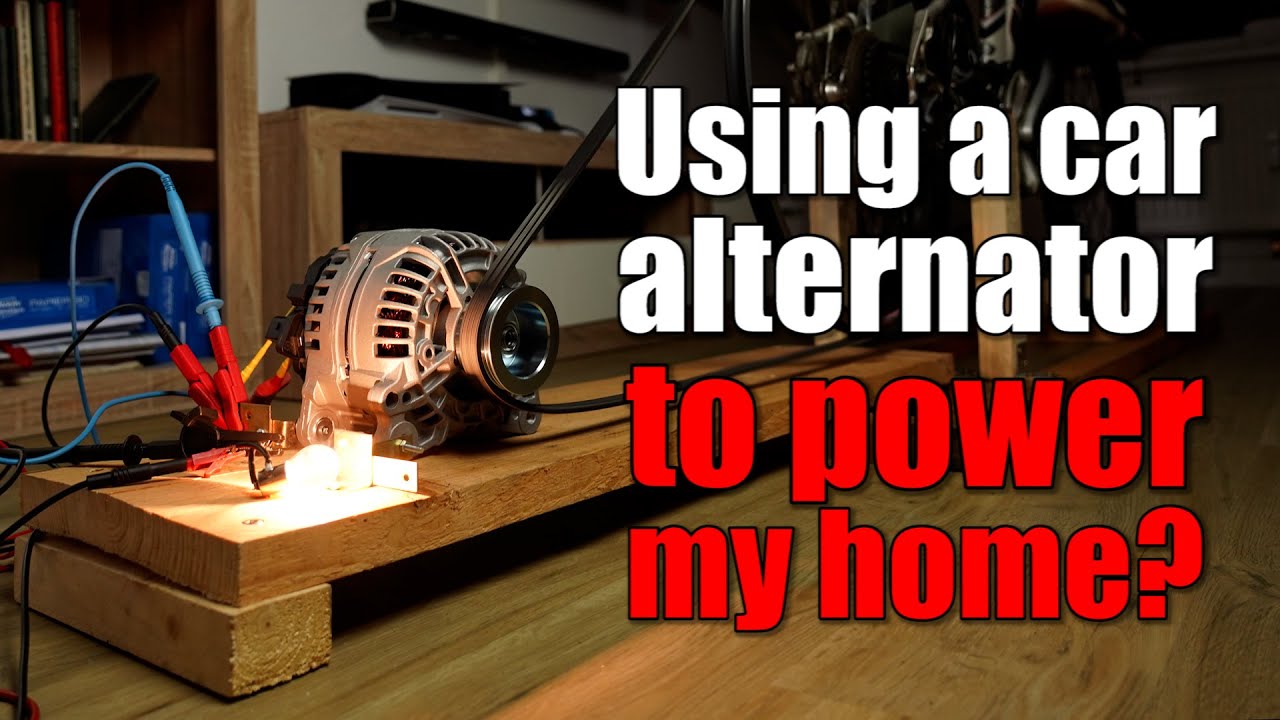
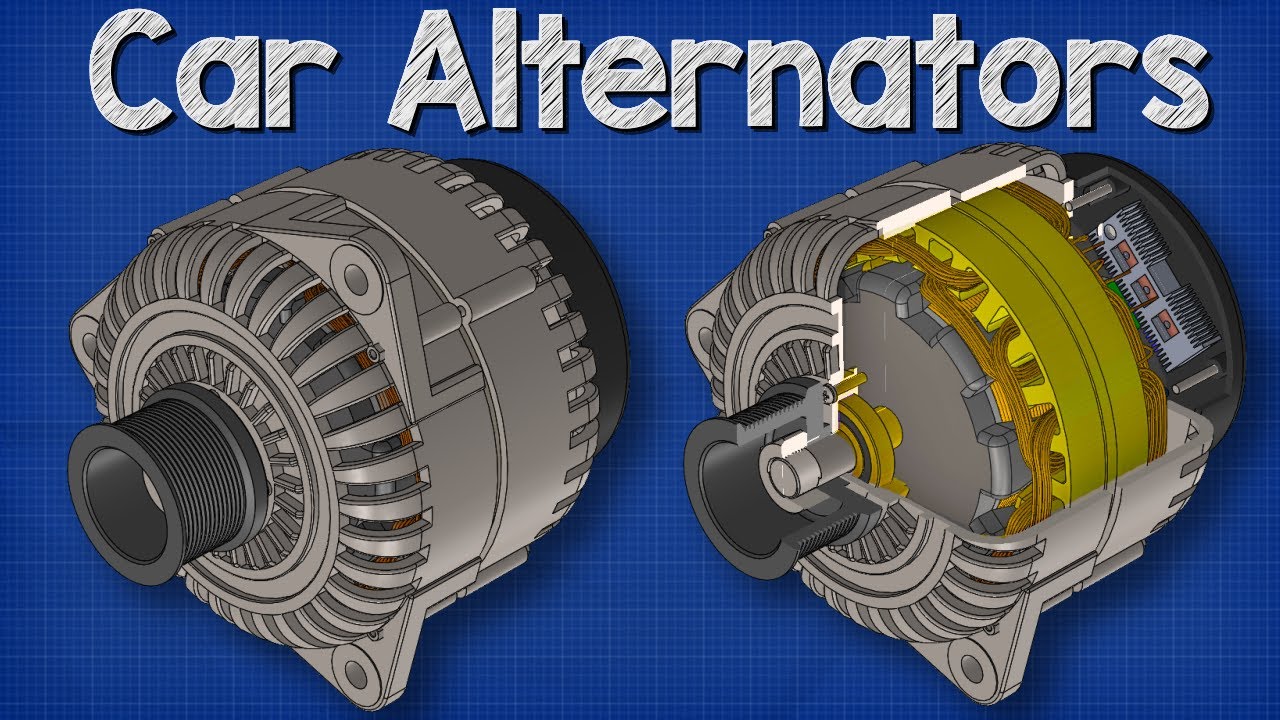
an alternator is a specific type of generator that produces alternating current AC while all alternators are generators not all generators are alternators alternators are typically used in automotive applications where they are responsible for charging the battery and powering the electrical systems while the engine is running the design of an alternator is optimized for efficiency and durability in the demanding environment of a vehicle's engine compartment alternators also operate on the principle of electromagnetic induction but their construction is slightly different from that of general purpose AC generators in an alternator the rotor is typically the component that
contains the field windings and it is powered by the vehicle's engine through a a belt the stator which remains stationary contains the windings where the electricity is generated one of the key advantages of an alternator over a traditional generator is that it can produce a consistent voltage at lower engine speeds which is crucial for vehicles that operate across a wide range of engine [Music] RPMs one of the primary differences between generators and alternators l in the way they handle the conversion of mechanical energy into electrical energy in a traditional generator the magnetic field is usually
stationary and the Armature the part of the generator where electricity is produced rotates within it this design requires brushes and a commutator to transfer the electrical current from the rotating Armature to the external circuit these components are subject to wear and tear which can lead to maintenance issues isues over time alternators however use a different approach in an alternator the magnetic field is typically created by the rotor which rotates inside a stationary set of windings in the stator because the stator does not move the need for brushes and a commutator is eliminated making alternators more
reliable and reducing maintenance requirements additionally alternators can be designed to produce a higher output in a more compact form factor which is another reason they are favored in automotive and other mobile applications another significant difference between generators and alternators is how they regulate voltage in a generator the output voltage is directly proportional to the speed of the engine or other mechanical force driving the generator if the engine speed increases so does the voltage and vice versa this relationship can make it Challen alling to maintain a stable voltage output particularly in applications where the engine speed
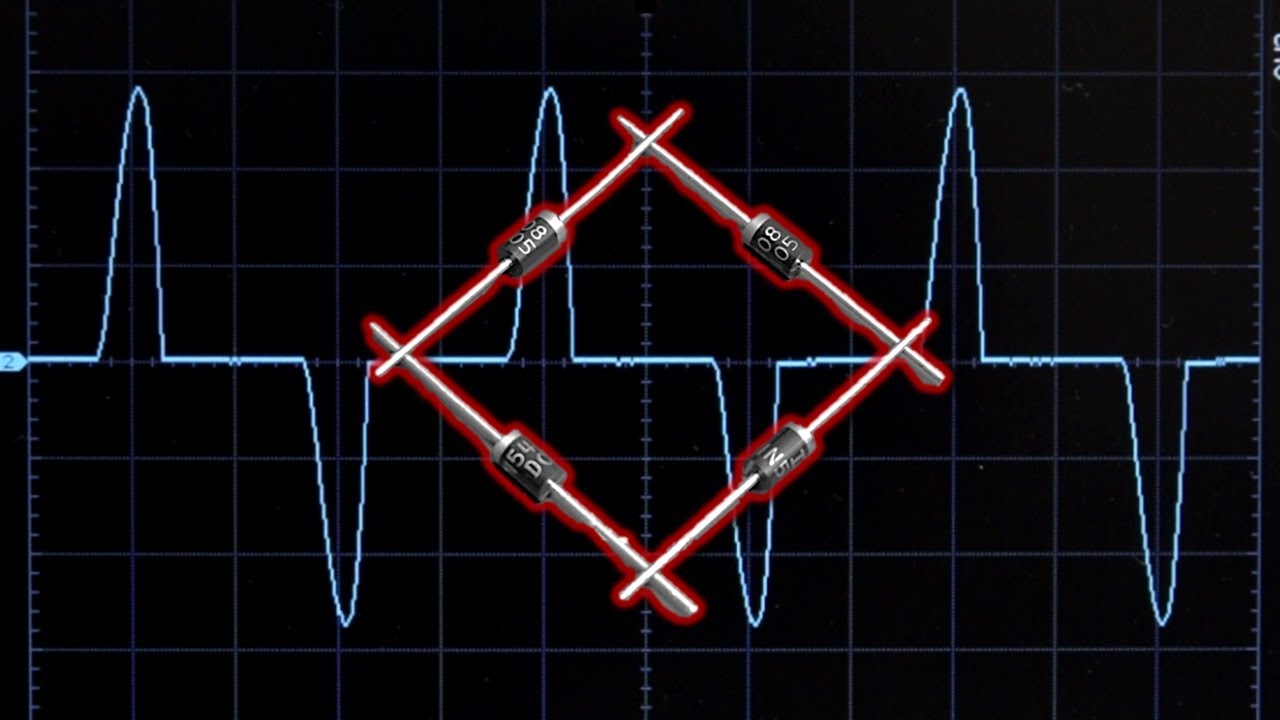
varies to address this issue generators often include a voltage regulator that adjusts the current in the field windings to stabilize the output voltage in contrast alternators have an advantage in this area due to their design since alternators generate ac they can use a built-in rectifier to convert the AC to DC which is then used to charge the battery or power electrical devices the rectifier also helps regulate the voltage by smoothing out fluctuations ensuring a more consistent and reliable output this built-in voltage regulation is one of the reasons why alternators are preferred in vehicles where consistent
electrical power is essential the applications for generators and alternators further illustrate their differences generators are versatile and can be found in a wide wide range of settings from backup Power Systems in homes and businesses to Portable units used in construction sites or outdoor events their ability to produce either AC or DC makes them suitable for a variety of tasks depending on the specific needs of the application generators are also used in power plants where large turbines driven by steam water or wind generate electricity for distribution across the electrical Grid in these applications the generators are
usually massive and their operation is carefully controlled to maintain the necessary frequency and voltage for the grid alternators by contrast are most commonly found in automotive applications every car on the road today uses an alternator to keep its battery charged and to power the electrical systems while the engine is running alternators are also used in some small engines such as those found in lawnmowers or motorcycles where their compact size and efficiency make them the ideal Choice when considering the longevity and maintenance requirements of generators versus alternators alternators tend to have the upper hand the lack
of brushes and commutators in an alternator means there are fewer parts that can wear out over time resulting in a longer lifespan and less frequent maintenance this is particularly important in automotive applications where reliability is Paramount and downtime for repairs can be costly and inconvenient generators with their more complex design and moving parts may require more regular maintenance to ensure they continue to operate effectively this maintenance can include replacing brushes cleaning the commutator and ensuring that the moving parts are properly lubricated however the tradeoff is that generators are often more versatile and can be used
in a broader range of applications than alternators in terms of efficiency alternators generally outperform generators especially at lower engine speeds this efficiency is due to the alternator's design which allows it to produce a consistent voltage across a wide range of engine RPMs this characteristic is crucial in automotive applications where the engine speed can vary significantly depending on driving conditions generator on the other hand May struggle to produce a stable output at lower speeds which can limit their effectiveness in some situations however generators are still widely used in applications where their ability to produce both AC
and DC power is a critical requirement the choice between a generator and an alternator ultimately comes down to the specific needs of the application with factors such as power output efficiency maintenance requirements and the type of current needed all playing a role in the decision while generators and alternators share the common goal of converting mechanical energy into electrical energy they do so in different ways and are suited to different applications generators offer versatility and can produce both AC and DC power making them ideal for a wide range of uses from backup Power Systems to large-scale
electricity generation in power plants alternators with their more efficient and compact design are the preferred choice for automotive and small engine applications where consistent voltage and reliability are essential the differences in their construction maintenance requirements and efficiency highlight why each device has found its niche in the world of electrical power generation understanding these differences is key to selecting the right device for a particular application ensuring that the power needs are met reliably and [Music] efficiently thank you for joining us on this journey through the history of simple things don't forget to like subscribe and stay
tuned for more stories woven through the smallest details [Music]