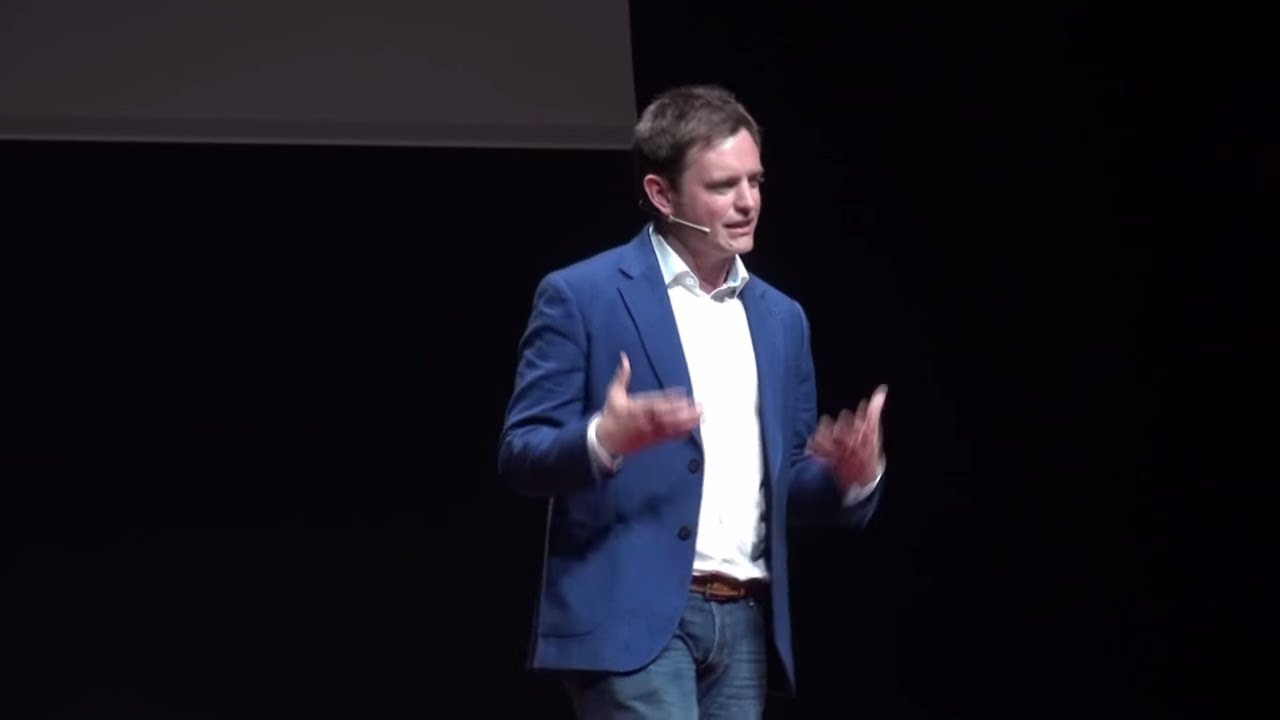
[Music] if we think about why we're storytelling animals um it's no it's a no-brainer to ask why we tell one another true stories about who's doing what to whom in in a group or what kind of animal you've just tracked and killed in what direction say but why should we make make up stories that we that we know and our listeners know are untrue why should we do that again and again and I think the answer has to go back to animal play I see the Arts in general and storytelling in particular as extensions of
of animal play play helps animals refined key behavior that they can try out in in relatively safe circumstances before they try it out in the wild because it's of advantage to do this to to to try these things out in safe circumstances um over time Evolution has selected to make it more and more pleasurable more and more compulsive and I think that's what storytelling is like for us it's compulsive to answer the kinds of questions that that I was asking I really need to go to all sorts of different branches of psychology I had to
think about biology uh evolutionary biology evolutionary theory uh anthropology especially evolutionary anthropology um economics even there wasn't there wasn't much that I didn't touch on that that connects with humans one of the things that has annoyed me I must say over the last 20 or 30 or 40 years is the emphasis in the humanities on on cultural difference the sense that we're all in culturally enclosed boxes and I think that's a very unproductive notion and a wrong notion and I want us to see what's common across the species across cultures across times uh what links
one person to another and and that depends very powerfully on Evolution Evolution has shaped us as Ultra social beings our our way of seeing things our way of hearing things our way of understanding things our emotions all these have been shaped by millions of years of of evolution and unless we understand that deep past we don't really understand what makes us and I hope that we'll have uh more ways of linking The Sciences and the humanities realizing that that knowledge really is pretty seamless