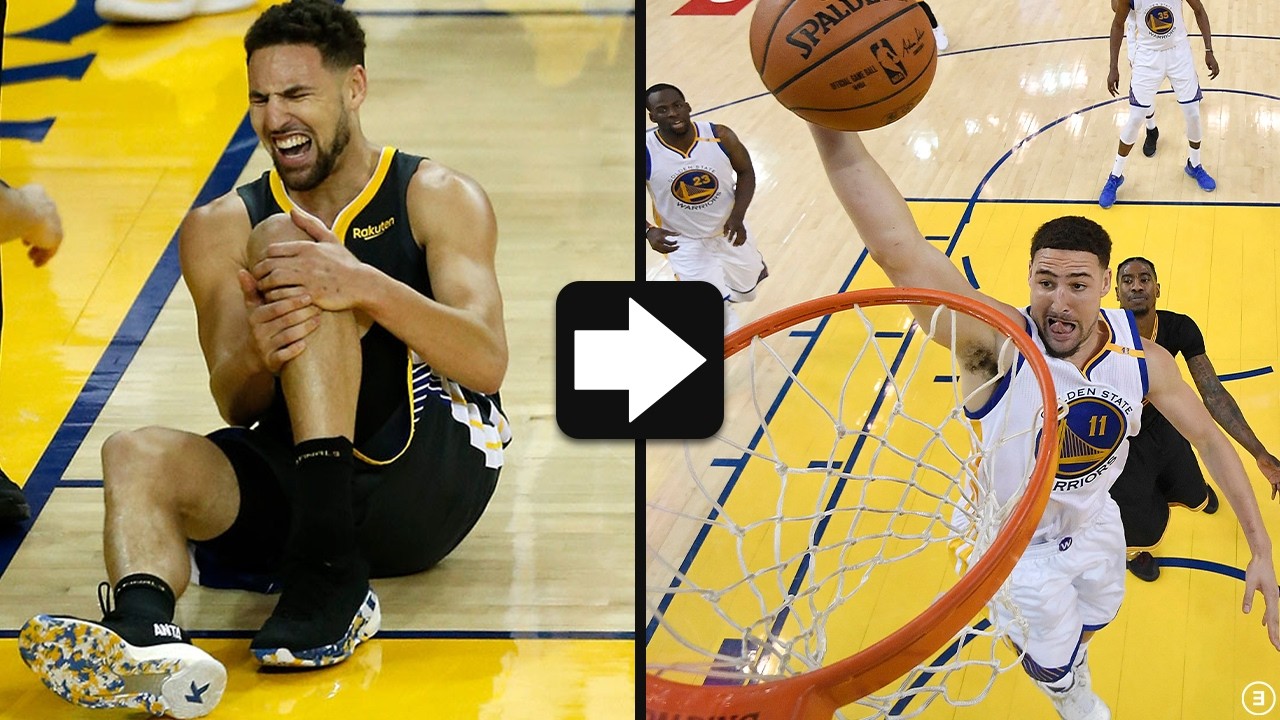
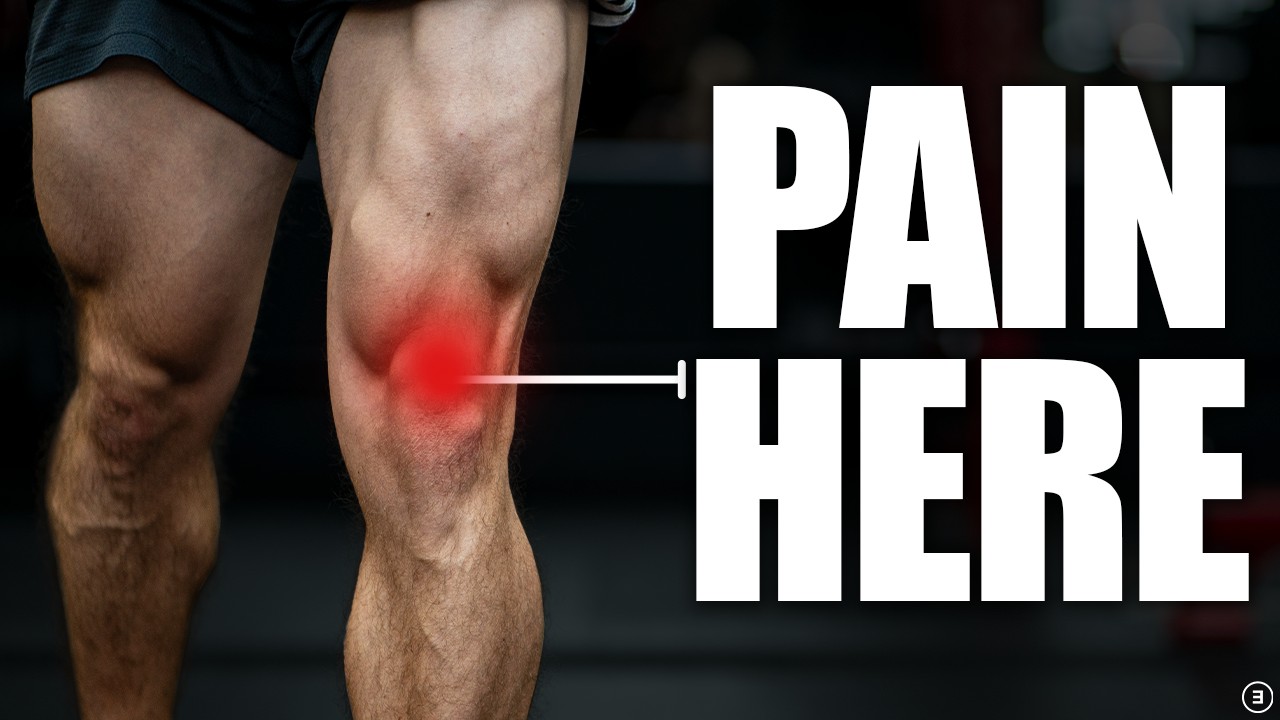
whether you've had an ACL reconstruction or your clinician working with athletes after an ACL reconstruction I'm going to discuss commonly held beliefs related to ACL surgery average rates of return to Sport and potential risk factors associated with a second injury prior to undergoing an ACL reconstruction most athletes have certain expectations regarding their future level of function and their time to return to sport after surgery for example a 2016 study found that in a pre-operative group of athletes undergoing surgery for the first time known as Prim ACL reconstruction or the second time on the same leg
known as a revision all of the athletes expected a normal or near normal condition of their knee and 2/3 expected to return to sport at the same level as prior to their injury without any restrictions in a study by Webster at all in 2019 that also recorded preoperative return to sport expectations the researchers found that 91% of the cohort expected to return to Sport and 84% expected to return to their same pre-injury level our Mento at all in 2020 provided adolescent athletes who were 12 to 18 years old with a resource guide prior to undergoing
surgery this guide stated that athletes should expect to be out of sport for a minimum of 6 months with an average return to sport clearance of 9 to 12 months even with this information provided the authors found that the majority of our adolescent population expected to return to sport after ACL reconstruction far sooner than the expected timelines indicating potential unrealistic pre-operative expectations a significant proportion of athletes expect a normal or near normal condition of their surgical knee a full return to sport at the same level or higher as prior to their injury and a full
return to sport in the shortest time possible but how often are these expectations lining up with reality a systematic review and meta analysis by uret all in 2014 investigating return to sport outcomes in athletes after ACL reconstruction found that 81% of athletes returned to any sport 6 5% return to their pre-injury level of sport and 55% return to their competitive level of Sport the authors did not clearly Define the differences between pre-injury level of participation and competitive sport however it's fair to assume that an athletes pre-injury levels at least within the included studies in this
review ranged between recreational and competitive sport although a large number of athletes undergoing primary ACL reconstruction return to some level of sport participation this review indicates that roughly only half returned to competitive sport defasio at all in 2020 conducted a systematic review and metaanalysis comparing return to sport rates between athletes receiving hamstring tendon versus bone patella tendon bone ACL graphs the authors of this review state that regardless of the graph type less than half of the athletes return to sport at the pre-injury level after the primary ACL reconstruction returning back to the cohort presented by
Webster doll in 2019 out of the initial 84% of athletes expecting to return back to their same pre-injury level only 24% actually met that expectation at the 12-month Mark however because this information was collected at 12 months out from surgery a greater number of athletes might have returned to sport at their pre-injury level Beyond this one-year timeline it is also worth noting that 15% of this entire cohort gave up sport by 12 months of those athletes that gave up sport 71% reported fear of reinjury as their main reason for not returning ultimately it is up
to the athletes orthopedic and Rehabilitation teams to set appropriate expectations for patients their family members coaches and all other key stakeholders leading up to a primary ACL reconstruction outside of presenting patients with the data on average return to Sport and return to full prior level of competition rates it is Paramount for athletes to understand the risk factors associated with and the probability of a second ACL injury this leads us to the question what are your chances of a second ACL injury a systematic review performed by Barbara Weston at all in 2020 found that although roughly
80% of athletes post ACL reconstruction returned to some level of sport one in five athletes sustained a reinjury to either knee another systematic review by Wiggins at all in 2016 reported that the incidence of reinjury in young patients less than 20 to 25 years old who returned to high-risk sport was 23% this means that nearly one in four young athletic patient p s who sustain an ACL injury and return to high-risk sport will go on to sustain another ACL injury at some point in their career and they will likely sustain it early in the return
to play period level one sport and high-risk sports are defined as any sport involving hard pivoting cutting and jumping basketball football soccer and skiing are examples of level one sports that demonstrate the highest risk of second ACL injury a systematic review and meta analysis performed by kod all in 2018 looked at children and Adolescent return to sport rates following ACL reconstruction they reported the most significant finding in the present study was a very high rate of return to any sporting activity after ACL reconstruction in the Pediatric population and a high rate of return to competitive
Level Sports at the pre-injury level unfortunately this was associated with a relatively High graft rupture rate and injury to the contralateral ACL although over 80% of these athletes were turn their pre-injury level close to one out of every three athletes suffered a second ACL injury the authors go on to note that the high rate of graft or contralateral ACL rupture following ACL reconstruction in this age group highlights an important concern during reabilitation for this population what factors increase the chance of a second ACL injury there are a host of risk factors contributing to why athletes
May sustain a second ACL injury but I'm going to review some of the most common ly researched and discussed factors the first is return to level one sports returning to level one sport after ACL reconstruction is the highest risk factor for sustaining a second ACL injury a systematic review and meta analysis by kranstrom at all in 20121 reports that return to high activity level was the most prominent risk factor for sustaining a contralateral secondary ACL injury additionally the Delaware Oslo ACL cohort study by grinda at all in 2016 noted that the knee reinjury rate was
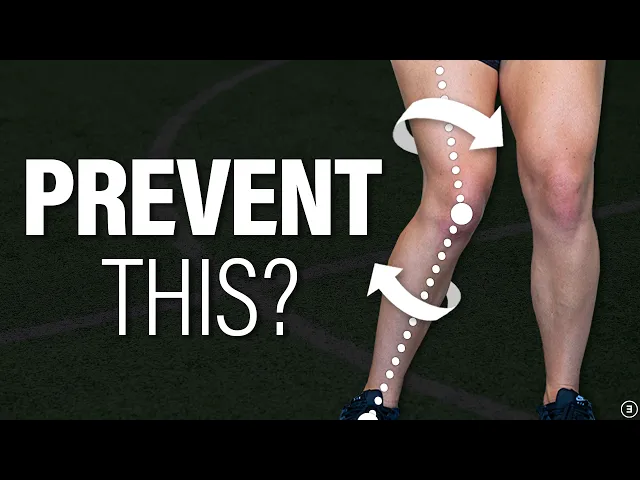
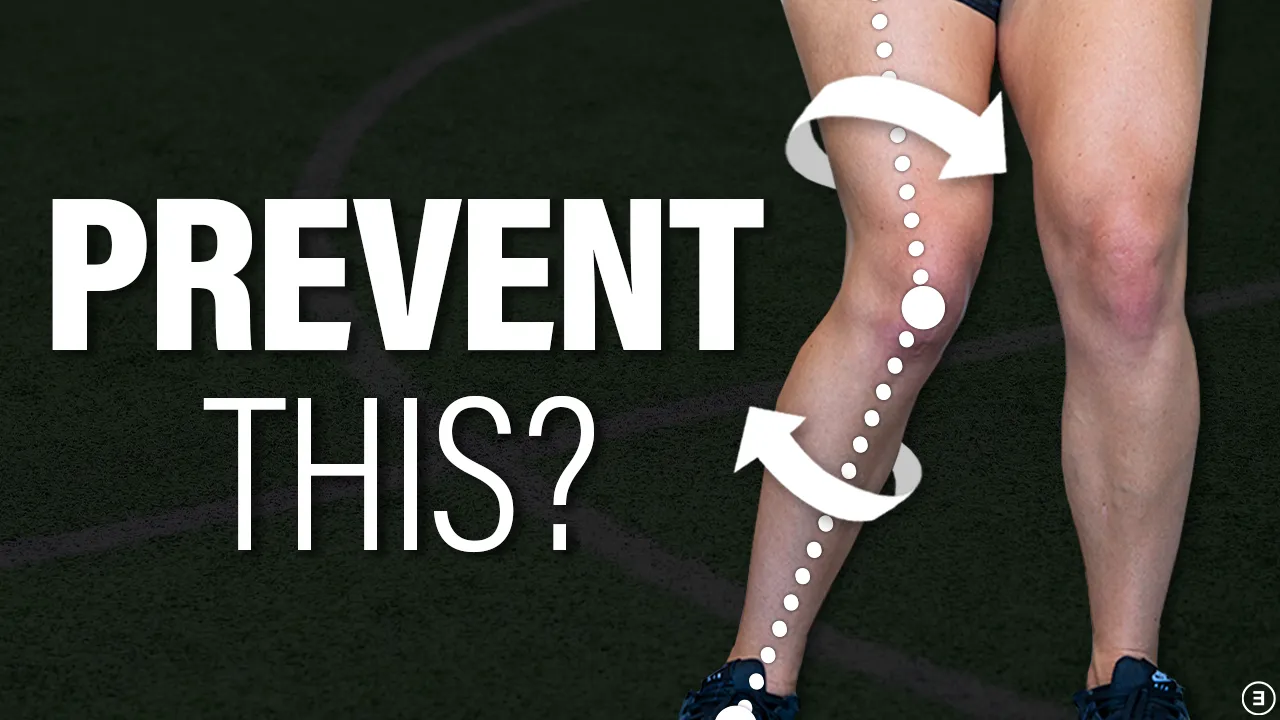
over four times higher in ACL reconstructed patients who returned to level one sport after surgery compared to those who did not return Why are level one sports the number one risk factor these Sports provide the most frequent exposure to specific joint angles and forces that are known mechanisms of ACL injury these joint angles include shallow knee and hip flexion internal tibial rotation and forward translation knee valgus and the lateral trunk and knee abduction an ACL injury most commonly occurs in these specific joint angles during deceleration Andor direct contact and collision with another athlete how about
an early return to sport grinda at all in 2016 report that during the first 9 months after surgery a later return to sport was significantly associated with a lower reinjury rate for every month of delay in return to sport the reinjury rate was reduced by 51% patients who participated in level one sports early than 9 months after surgery sustained 39.5% reinjuries compared to 19.4% knee reinjuries and those who returned to level one sports later than 9 months after surgery be sure at all in 2020 found that athletes who had returned before 9 months after reconstruction
had an approximately Sevenfold higher rate of second ACL injury compared with those who returned at 9 months or later it was noted by Gram at all in 2016 that the increased risk could be due to insufficient biologic healing incomplete Rehabilitation or both from a timeline perspective waiting at least 9 months for a full return to sport appears to provide the greatest likelihood of minimizing the risk of a second injury although there are rare outliers such as Adrien Peterson who return and Excel in sport earlier than 9 months trying to rush this process and accelerate a
faster return prior to 9 months should not be the goal for the vast majority of athletes there should be adequate time for the maturation of the Graft in addition to sufficient time progressively preparing the athlete for the demands their desired sport is age a risk factor for a second injury individuals who are younger than 20 years old have significantly higher reinjury rates compared to older individuals before proceeding it should be noted that younger age in and of itself is not a causal risk factor for a second ACL injury return and more frequent exposure to high-risk
activities or level one sport is is the primary risk factor it just so happens that individuals younger than 20 years old are most likely to return back to a highrisk sport or activity as I mentioned earlier the systematic review by Barbara Weston at all in 2020 discovered that a high rate of athletes less than 20 years old returned to sport but one in five suffered re injuries to either knee and the majority of these occurred during high-risk sports activities kranstrom at all in 2021 State the following the results from the present meta analysis supports the
findings of a previous review that reported an increased rate of secondary ACL injuries in individuals younger than 25 years similarly we found the odds of sustaining a contralateral ACL injury in those younger than 18 and 20 years to be twice the odds of those older than 18 and 20 years respectively Ander Nord at all in 2015 concluded that in both male and female participants age less than 20 years predicted in almost Three Times Higher 5-year risk of contralateral ACL reconstruction I want to reiterate that participating in level one sport is the biggest risk factor for
sustaining a second ACL injury not age it just so happens that individuals younger than 20 years old are most likely to participate in and return back to level one sport is female sex a risk factor female sex is commonly thought of as a highrisk factor for second ACL injury however this is not in line with the majority of the current evidence Patel it all in 2021 report that there is a negligible non-statistically significant difference in the relative and absolute risk of experiencing a second ACL injury both ipsilateral and contralateral combined between both sexes stated more
simply males and females display similar chances of a second ACL injury both groups with over a 20% risk of reinjury does graph type influence reinjury rates allographs graphs from a cadaver are are reported to have higher rerupture rates compared to autographs graphs from an individual's own body as evidenced by the systematic review performed by werstein at all in 2015 in regards to differences between autograph types hamstring tendon versus bone Patell tendon bone versus quadriceps tendon there are relatively similar rates of a second injury or graft failure as noted by the systematic reviews and metaanalyses by
marber at all in 2019 di at all in 2022 and H be at all in 2022 heybeck at all in 2022 concluded that all these graft options deliver comparable results in terms of graft failure rates and therefore every graph type could be rightly considered as a reliable option for ACL reconstruction autographs are the superior option over allographs for those expecting to return back to activities involving high amounts of pivoting cutting sprinting and jumping determining which autograph to use is largely dependent on surgeon preference and there training and exposure to a specific graft and finally quadricep
strength and return to sport testing although objective return to sport testing is necessary and highly recommended during the postsurgical process it is unclear whether a battery of return to sport testing significantly reduces the risk of a second ACL injury return to sport testing commonly consists of a combination of isometric Andor isokinetic quadriceps and hamstring strength assessments hop Andor jump test psychological Readiness and a graded return to practice Sport and competition there are multiple systematic reviews with mixed or conflicting findings on this topic for example Loy Shel at all in 2019 State passing return to sport
criteria did not show a statistically significant association with the risk of second ACL injury the quality of evidence rating prevents a definitive conclusion on this question and indicates an opportunity for future research and Webster at all in 2019 write passing return to sport test batteries did not significantly reduce the risk of further knee injuries in general or ACL injuries specifically Welling at all in 2020 report that passing return to sport tests can increase the chances of return to sport but does not determine the likelihood of secondary ACL injuries however there are a handful of papers
including Grom at all in 2016 arguing for the importance of assessing quadricep strength as a key factor for determining risk of secondary ACL injuries the most recent ACL reconstruction clinical practice guideline by kataki at all in 2023 notes that currently it is not clear if passing a battery of tests is associated with lower risk of second ACL injury the authors add that despite this caveat we maintain that our clinical goals should be to restore all impairments and return the athlete back to the previous status if not better what's the key takeaway from all the murkiness
just mentioned even though it may not be completely clear how helpful return to sport testing is from the standpoint of predicting second ACL injuries it is still incredibly important for assessing an athletes current capacities and Readiness for progression and rehab and ultimate preparedness for the demands their sport this testing should occur throughout the ACL rehab process and should cover a variety of metrics including isolated quadriceps and hamstring strength and symmetry psychological Readiness jumping performance and any other objective metric related to the demands of that athlete sport the most recent clinical practice guideline by kataki at
all in 2023 provides a detailed outline of recommendations for bare minimum testing results for both return to running and return to sport so can you actually prevent a second ACL injury as you hopefully discovered from this video there's no magic bullet or one specific thing to completely prevent a second ACL injury level one sport is inherently dangerous and injuries will never fully disappear athletes should be aware of and accept that returning back to level one sport is the biggest risk factor for sustaining a second ACL injury in order to best prepare an athlete for returning
to level one sport these are five things that should occur number one wait at least 9 months for a full return number two complete a progressive and adequately demanding rehab and training program during these N9 plus months number three frequently assess the limb and entire athletes capacities qualities necessary for successful performance through a battery of return to sport tests number four complete a graded return to practice Sport and competition based program and number five demonstrate psychological preparedness and confidence for a full return back to sport here are the eight main takeaways from this video one
high patient expectations may not match the reality of average return to Prior level of injury and competition rates after primary ACL reconstruction two roughly 2third of primary ACL reconstruction athletes return to their prior level of sport and half returned to a competitive level three on average 20 to 30% of athletes returning to sport will suffer a second ACL injury four return to level one sport is the strongest predictor of experiencing a second ACL injury five younger populations are at elevated risks due to the nature of this group having the largest probability of returning back to
level one sport six female sex is not a risk factor for a second ACL injury seven allographs compared to autographs demonstrate larger rates of rerupture and second ACL injury autographs quadriceps tendon versus hamstring tendon versus bone patellar tendon bone are relatively similar in terms of average rerupture rates and are highly utilized in recommended over allographs for younger active populations undergoing ACL reconstruction and eight a battery of return to sport testing has mixed results in regards to significantly reducing the risk of a second ACL injury however objective testing should be used throughout the rehab process to
determine Readiness and progression of rehab and guide decision-making for appropriate reintegration to sport participation play and competition if you would like a more thorough guide on the entire ACL rehab process or more information on the return to sport decision-making process check the description box below for additional resources we have on those topics thank you so much for watching if you enjoyed this video hit that like button subscribe and leave any comments down below