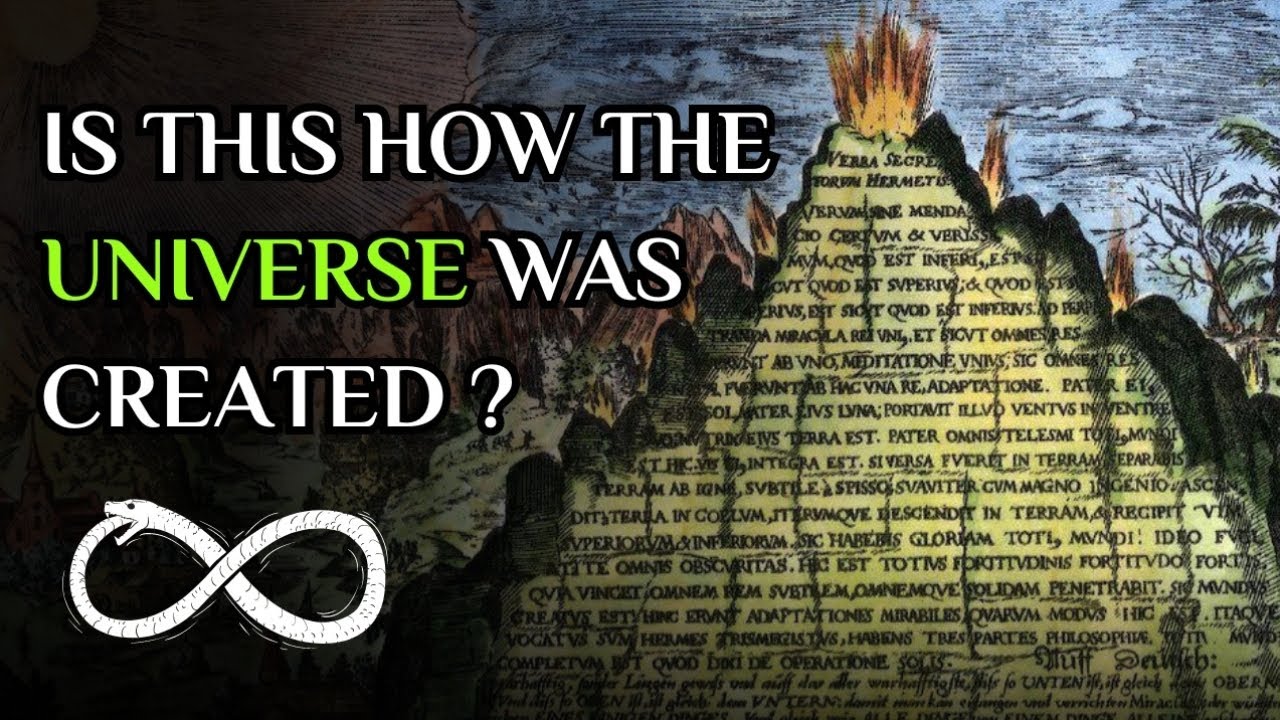
Imagine a secret that has been kept for thousands of years, locked away, forbidden knowledge that might explain how everything came to be. Did you know that ancient texts claim the entire universe began with a hidden force so powerful that most people today don't even know it exists? The teachings of Gnosticism, Kabbalah, and Neoplatonism are ancient philosophies that have been around for centuries, and they all talk about something mysterious called the One, or the Light.
According to these teachings, everything you see, the stars, the earth, even you, came from this powerful source. Modern scientists are starting to find connections between these ancient ideas and cutting-edge research today. It's like the is catching up with the future, and we're standing right in the middle of it.
These ancient texts don't just explain the origins of the universe, they also tell us that the world we live in is just a small piece of a much bigger puzzle. Despite the fact that most people are unaware, this ancient knowledge connects everything around you. One of Dolores Cannon's most fascinating books is The Three Waves of Volunteers and the New Earth.
In this book, she explores the idea that many souls have come to earth at this time to help humanity evolve and awaken to a higher consciousness. It ties into the concept we're exploring about ancient knowledge and the origins of the universe, as she believed these volunteers carried wisdom from other dimensions or realms, very similar to the hidden knowledge in ancient texts like Gnosticism and Kabbalah. In The Three Waves of Volunteers, Dolores Cannon speaks about how these souls are here to raise awareness and guide humanity toward a better understanding of the universe and its mysterious forces.
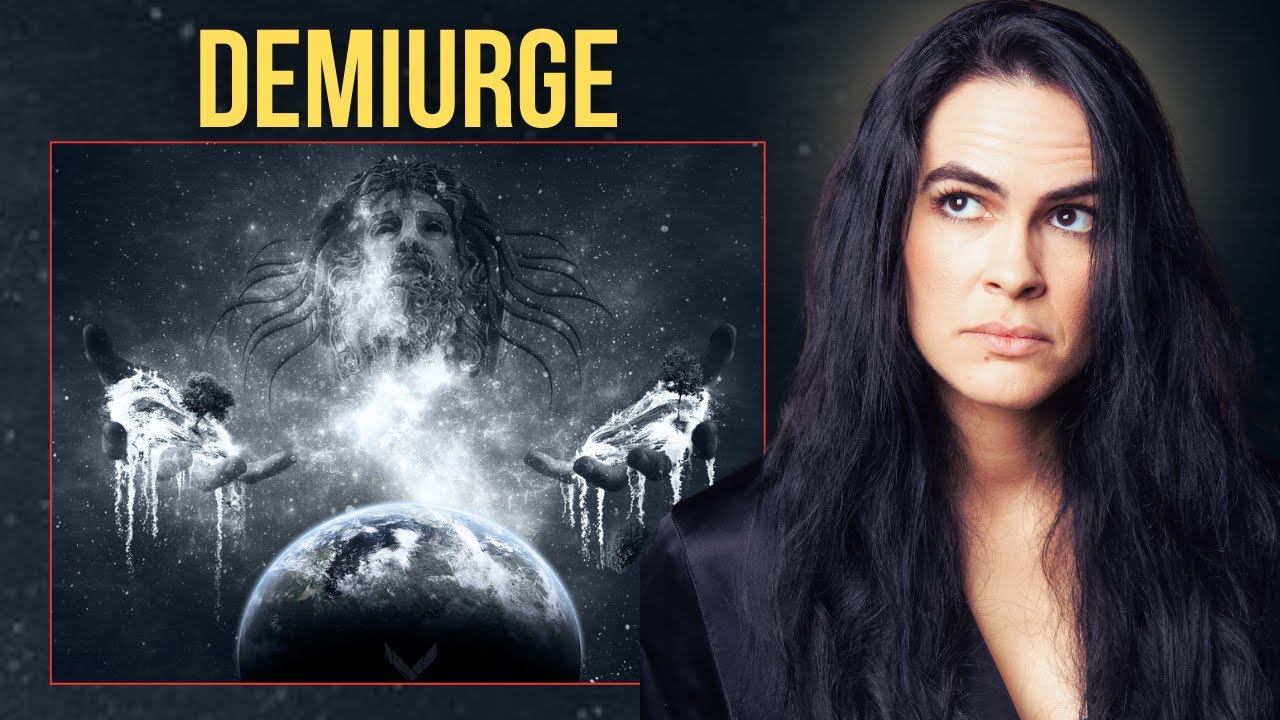
These ancient philosophies encourage us to awaken to the deeper truths about existence, just as her volunteers do. The Gnosticism emerged around the first century CE and was one of the earliest spiritual movements that focused on secret knowledge, or Gnosis, as a path to enlightenment. Gnostics held the belief that the Demiurge, a lesser god, created the material world and that only inner wisdom could lead to true salvation.
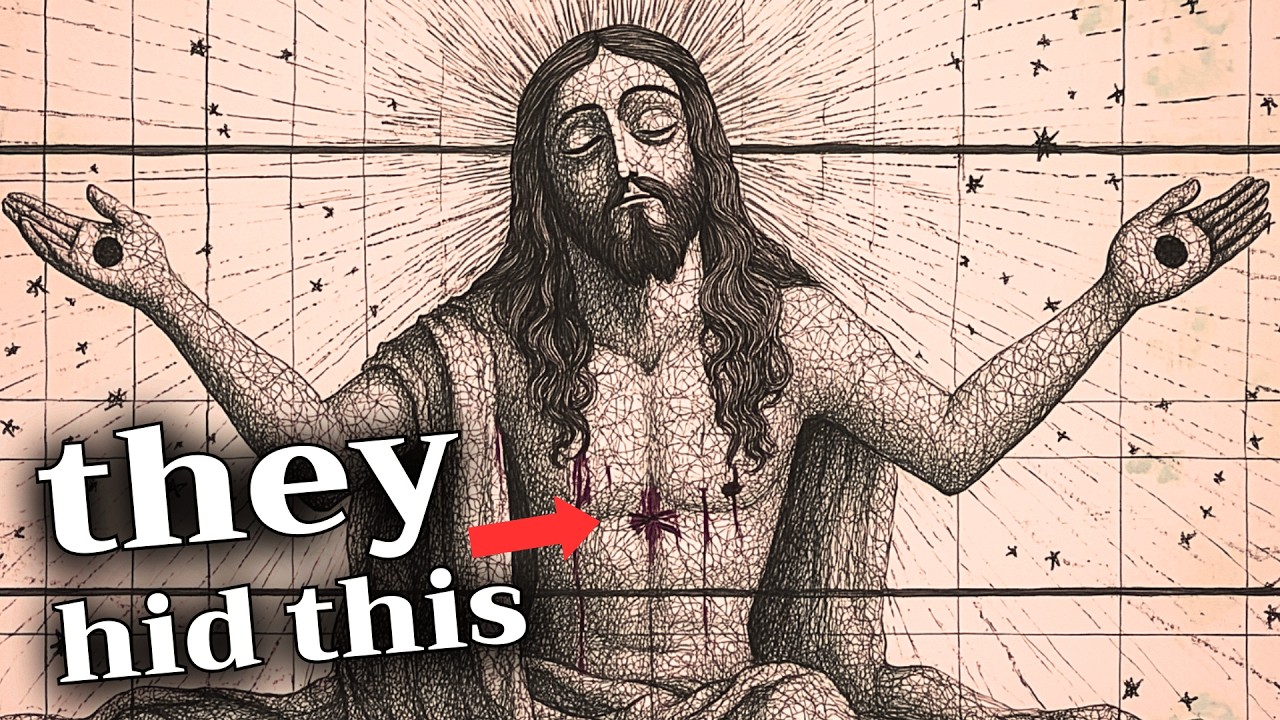
One of the key texts of Gnosticism is the Secret Book of John, found in 1945 near the Egyptian town of Nag Hammadi. This discovery was monumental because it included long-lost scriptures that reveal secret conversations between Jesus and his disciples, where he shared the mysteries of the universe. These texts talk about the One, an all -encompassing force beyond human comprehension that creates everything through emanations of light.
But Gnosticism wasn't alone in its quest to understand the mysteries of existence. Around the same time, another mystical tradition known as Kabbalah was taking shape within the Jewish community. Kabbalah is a system of esoteric thought that goes deep into the nature of God and the universe.
The word Kabbalah means to receive, which is fitting because this tradition is all about receiving divine wisdom. The 13th century saw the writing of one of the most famous Kabbalistic texts, the Zohar, which explains the creation of the universe through ten divine emanations known as the Sefirot. According to Kabbalah, the true nature of God is unknowable and infinite, referred to as Ein Sof, yet everything in existence comes from this divine source.
We all face moments when life seems like it will crush us and finding answers seems impossible. In those moments, having more understanding, clarity, and guidance can make a difference. And that is exactly what Banned Screts, the lost knowledge of Jesus, offers a path to clarity and peace through the hidden teachings of Jesus.
If you are looking for clarity and hope, this e -book could be the lifesaver you need. And the best part is that it is available now as a gift for you to download in the first comment posted, right? It could be what you need for today.
The philosopher Plotinus led the Neoplatonism, which emerged in the 3rd century CE. Neoplatonism shares many similarities with both Gnosticism and Kabbalah, as it also focuses on a single source of all existence, called the One or the Good. According to Plotinus, the One is so perfect that it overflows, creating the rest of the universe in a series of stages.
Both Gnostic and Kabbalistic teachings also embody this idea of emanation, where everything emanates from a single divine source. In this way, Neoplatonism ties all these different esoteric traditions together, showing that no matter where you look, the same hidden truth about the origins of the universe seems to appear. Part of the reason is that they were considered dangerous to traditional religious authority.
The idea that individuals could find divine truth on their own, without the help of religious institutions, threatened the power structures of the time. These teachings remained banned, suppressed, or simply forgotten for centuries, until discoveries such as the Nag Hammadi Library in 1945 brought them back into the spotlight. Today, people are rediscovering these ancient philosophies and finding that they resonate with modern scientific ideas, especially in physics and cosmology.
Concepts like the One, or light as the source of everything, mirror recent discoveries about the nature of the universe, like the Big Bang or the role of energy and light in creating matter. It is as if these ancient texts were pointing toward truths that science is only now beginning to understand. By looking at Gnosticism, Kabbalah, and Neoplatonism together, we start to see a larger picture, one where the universe is a vast, interconnected web of light and energy, all stemming from a single, mysterious source.
Gnosticism often refers to this source as the One, or the Light. The Gnostics held the belief that a lesser being created the material world, and the ultimate, unknowable force beyond everything holds the true essence of life. They taught that we, as humans, are also connected to this divine source, but we've forgotten it.
Through gaining hidden knowledge, or Gnosis, they believed we could awaken to this truth and reunite with the Light. Kabbalah talks about this idea in a slightly different way. Kabbalistic teachings attribute the creation of the universe to a divine source known as Ein Sof, also known as the Infinite.
Ein Sof is beyond anything we can fully understand, but everything in the universe is an expression of it. According to Kabbalah, Ein Sof created the world through a process of emanation, where divine energy flows into the world in stages, creating everything from the highest spiritual realms down to the physical world we live in. So, even though we experience life in separate pieces, like people, objects, and ideas, it all comes from one infinite source.
Neoplatonism, which developed in the third century CE, also shares this view. The philosopher Plotinus, one of the key figures of Neoplatonism, described the One as the highest, most perfect reality. In his teachings, everything flows from the One in a process called emanation.
Just like the rays of the sun spread out from a single point, all of existence flows from the One. While we may see the world as made up of separate things, Plotinus believed that everything is deeply connected at the core. If we are all connected to the same source, then the divisions we see in our everyday lives, between people, between nations, even between ourselves and the natural world, are illusions.
These divisions are like waves on the surface of the ocean. Despite their apparent separation, all waves share the same water composition. When we recognize this, we begin to see that harming others or the environment is really harming ourselves.
Unity means that every action we take affects the whole, just like how pulling on one branch of a tree can shake the entire tree. In today's world, this concept is more relevant than ever. As we face global challenges like climate change, inequality, and conflict, the idea of oneness can inspire us to work together for the common good.
We are not isolated individuals or separate nations. We are part of larger whole, connected to each other and the universe in ways that are both profound and practical. Modern science is even beginning to reflect this ancient idea.
For instance, scientists in quantum physics are uncovering connections between particles at the most profound levels of reality, which challenge our conventional comprehension of space and time. This phenomenon, known as quantum entanglement, demonstrates the interconnectedness of even particles separated by vast distances. So, when you hear about unity or oneness in these teachings, remember that it is not just a spiritual idea.
It is a way of understanding the universe, and our place in it, that goes beyond what we see on the surface. Whether through ancient wisdom or modern science, the message is clear. Everything is connected, and we are all part of something much bigger than ourselves.
Light is central to many ancient teachings, but it doesn't just refer to physical light like what we see with our eyes. Instead, light is often a symbol for divine knowledge, consciousness, and the essence of creation itself. In Gnosticism, for example, light represents the true source of all things.
The Gnostics believed that our world is like a shadow cast by a much brighter reality, the realm of pure light, or the pleroma. The material world may feel real, but it is only a dim reflection of the higher truths that exist in this realm of light. By awakening to this divine light, they believed we could break free from ignorance and experience a profound transformation.
The ancients believed that the path to enlightenment begins with understanding yourself. This is a recurring theme in Gnosticism, Kabbalah, and Neoplatonism. In these traditions, self-knowledge isn't just about knowing your personality or your past experiences.
It's about recognizing your true nature as connected to the divine. You are not merely a physical being, but a part of something much greater, the One, the Light, or the Infinite. In Neoplatonism, this journey of self-discovery is often described as an ascent.
The philosopher Plotinus taught that the soul must rise above the physical world to remember its true origins in the One. By contemplating deeper truths and engaging in spiritual practices, the soul can transcend the limitations of the material world and reunite with the divine source. It's like a journey of remembering who you really are beyond the everyday concerns of life.
This idea of transformation is the next step. Once you begin to understand your true nature through self-knowledge, you start to change on a deep internal level. This transformation isn't just about improving yourself.
It's about aligning with the Light that flows through everything. In many esoteric traditions, this is seen as a form of enlightenment. The more we understand our connection to the divine source, the more we transform our lives and the world around us.
Transformation isn't easy. It requires breaking free from old ways of thinking and being, which is often described as a kind of inner battle. In Gnosticism, this struggle is symbolized by the material world itself, which tries to keep us trapped in ignorance.
Only by seeking the hidden knowledge, the Light, can we escape and transform. Similarly, in Kabbalah, the process of transformation is sometimes compared to climbing a ladder, where each step takes you closer to divine wisdom, but only if you are willing to let go of your attachments to the material world. If you're finding value in this journey of uncovering ancient wisdom and transforming your understanding of the universe, consider supporting this channel through Superthanks.
Your support allows me to keep exploring these deep topics and delivering them to you in a way that's easy to understand and engaging. Modern science even mirrors these ideas of transformation and Light. Take quantum mechanics, for example, where the smallest particles of matter, photons or particles of Light, are the building blocks of everything in the universe.
This scientific discovery echoes what ancient traditions have been teaching for centuries. Light is at the heart of all creation, and understanding this Light can transform the way we see ourselves and the universe. In many ancient teachings, including Gnosticism, Kabbalah, and Neoplatonism, materialism is seen as a kind of trap, a way of living that keeps us focused on the surface of life while ignoring the deeper truths that lie beneath.
Materialism is the belief that the physical world is all there is and that happiness comes from what we own, what we can touch, and what we can achieve in the material sense. But according to these ancient philosophies, this mindset can prevent us from seeing the bigger picture. In a world where success is often measured by how much we own or how much we earn, it is easy to get caught up in the pursuit of material wealth.
But just like the ancients warned, this focus on the physical can leave us feeling empty, always chasing after something that never truly satisfies. If we only look at life through the lens of materialism, we might miss the deeper connections that bring real meaning and joy. The ancients knew that by focusing too much on the material, we blinded ourselves to the spiritual truths that lie beneath.
To truly transform our lives, we need to look beyond the surface and seek the deeper wisdom that connects everything. The journey toward enlightenment is not about gaining more in the physical world. It is about reconnecting with the light and understanding our place in the vast, interconnected universe.
Thanks for join with me in this incredible journey, Be Part Our Community, by subscribing to this channel. Until the next video.