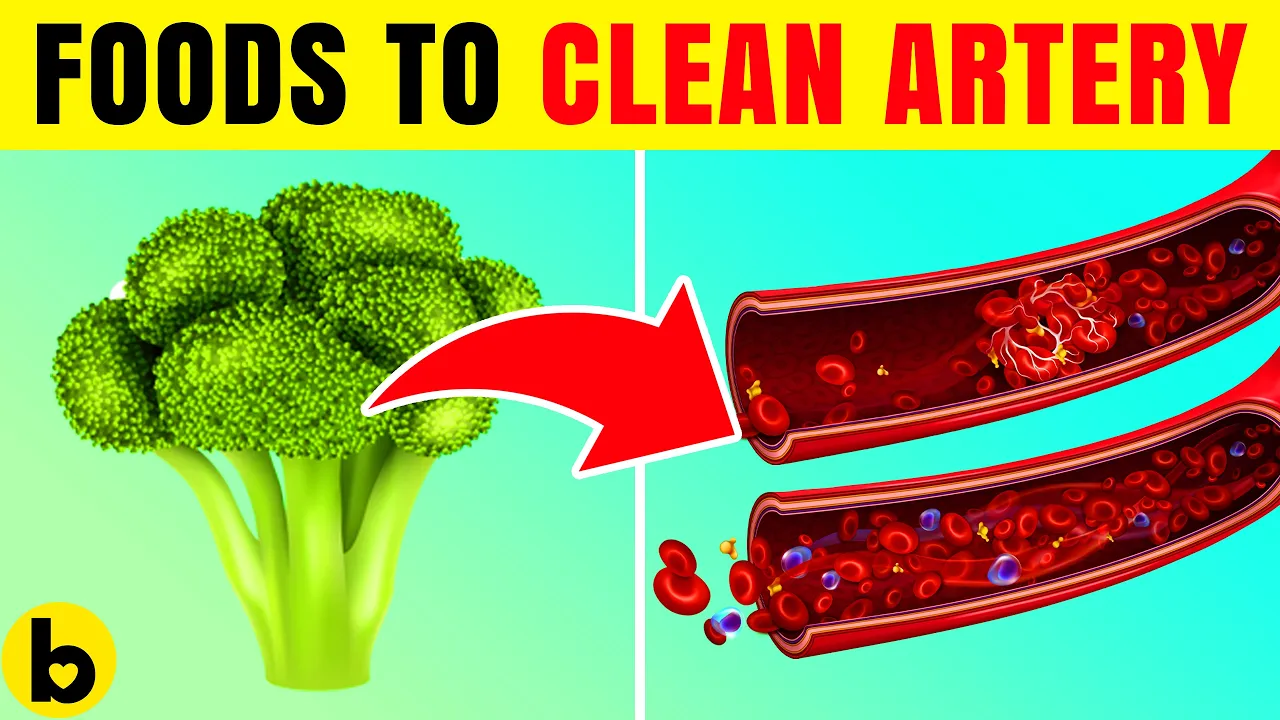
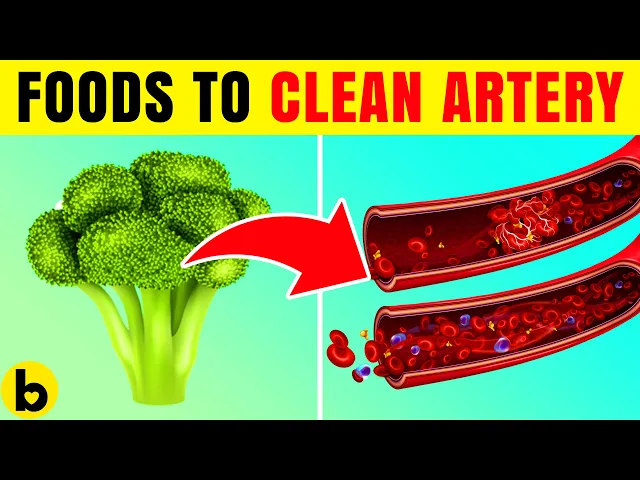
did you know that heart disease kills more people than any other disease worldwide many don't realize how much their diet impacts heart health especially when keeping arteries clear when arteries are blocked or unhealthy blood flow to the heart is restricted leading to high blood pressure chest pain and even heart attacks but here's the good news certain foods especially vegetables may naturally help keep your arteries clean and reduce these risks in this video we'll tell you about 10 powerful vegetables that have been proven to support artery Health these everyday veggies contain special nutrients that help lower
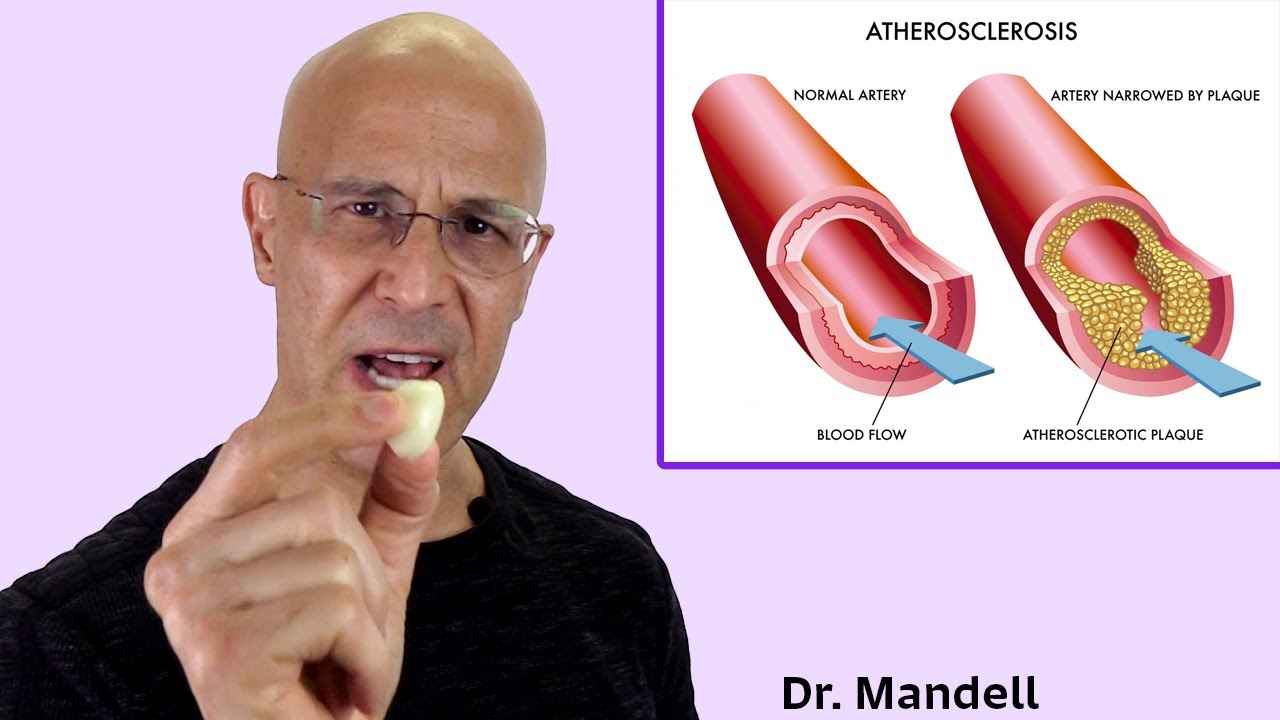
cholesterol reduce inflammation and keep blood flowing smoothly so stay tuned to find five vegetables that may damage your heart health remember while diet plays a big role in heart health always consult a healthc care professional before making major dietary changes now let's start the video [Music] one garlic when you eat garlic especially fresh or lightly cooked it releases alisin a sulfur compound that's responsible for its strong smell and health benefits allisin Works in a fascinating way to reduce blood pressure which eases The Strain on your heart and arteries it relaxes the blood vessels helping them
expand so that blood flows more freely this reduces the risk of blockages that could lead to a heart attack Allison also helps lower LDL cholesterol the bad cholesterol that may build up as plaque on artery walls over time keeping LDL levels low may make a huge difference in keeping your arteries clear and healthy apart from that there is another element that makes garlic powerful for your heart it's antioxidants these compounds protect your cells from damage caused by free radicals unstable molecules that may lead to inflammation and oxidative stress both major contributors to Artery damage by
reducing oxidative stress Garlic's antioxidants help prevent the hardening of arteries a condition known as atherosclerosis which is a primary risk factor for heart attacks according to a study by aha journals involving 1,226 women age 70 and older a higher intake of alium vegetables like garlic lowered the risk of death related to atherosclerosis most experts recommend eating one to two cloves of fresh garlic a day to get these heart benefits but keep in mind that garlic may cause digestive discomfort for some people and may thin the blood two spinach and kale spinach and kale are two
leafy greens that do wonders for your heart helping to keep your arteries clear and lower your risk of heart attack these greens are packed with nitrates when you eat nitrate rich foods like spinach and kale your body converts these nitrates into nitric oxide a molecule that relaxes and and widens blood vessels this process helps improve blood flow and lowers blood pressure both essential for heart health with lower blood pressure your heart doesn't have to work as hard to pump blood reducing strain on your arteries and decreasing the risk of damage and plaque build up over
time this widening effect on blood vessels also makes it easier for blood to move smoothly preventing blockages that could lead to a heart attack next is Vitamin K which is crucial for heart health but often overlooked vitamin K helps regulate calcium levels in the body ensuring calcium is directed to your bones rather than building up in your arteries when calcium accumulates in arteries it may cause stiffness and calcification increasing your risk of heart disease by keeping calcium out of your arteries vitamin K helps maintain their flexibility supporting a healthy blood flow this is essential because
stiff arteries are more prone to damage and may make it harder for your heart to pump efficiently according to the American Heart Association one serving of green leafy vegetable consumption daily lowers the risk of cardiovascular disease coronary heart disease and Stroke by up to 18% for the best heart benefits try to include one to two servings of leafy greens like spinach or kale each day a serving is roughly one cup of raw or half a cup of cooked greens however if you're taking blood thinning medication it's a essential to talk to your healthcare provider before
increasing your intake of vitamin K rich foods as they may affect how the medication works three broccoli broccoli is high in dietary fiber which plays a crucial role in controlling cholesterol levels when you eat fiber it binds to cholesterol particles in the digestive system and helps remove them from your body this process lowers the levels of LDL cholesterol the bad cholesterol in your blood which is key because too much LDL may lead to plaque buildup in your arteries over time as LDL cholesterol accumulates it hardens and narrows the arteries increasing the risk of a heart
attack so by eating broccoli regularly you're helping to keep those cholesterol levels down which means smoother clearer blood flow another unique compound in broccoli is sulforaphane a potent antioxidant and anti-inflammatory agent sorane helps activate certain enzymes in your body that work to protect artery walls from damage and inflammation two major factors that lead to plaque buildup inflammation is a root cause of many heart issues as it may weaken blood vessels and allow plaque to stick more easily to artery Walls by reducing inflammation sulphoraphane essentially cleans and protects your arteries keeping them flexible and resilient a
springer review highlights that sulphoraphane from green veggies like broccoli make counter vascular inflammation for maximum heart health benefits try to include one to two servings of broccoli in your meals each day just be mindful that eating large quantities of cruciferous vegetables like broccoli may cause bloating in some people so balance it out with other veggies if needed four asparagus asparagus is a rich source of folate a B vitamin that plays a crucial role in reducing levels of homocystine and amino acid in the blood high levels of homocystine are associated with a greater risk of Artery
damage which may lead to plaque buildup and over time increase the risk of heart attack and stroke full L works by helping break down homosysteine keeping its levels in check and protecting the walls of your arteries from damage by lowering homoe levels folate from asparagus actively reduces one of the Lesser known but impactful risks to your heart health a PubMed review notes that folate deficiency common in the elderly smokers alcoholics and oral contraceptive diff users raises homocysteine levels a risk factor for cardiovascular disease studies suggest that supplementing with folate may help lower this cardiovascular risk
including about a half cup to a full cup of asparagus in your meal several times a week is a good Target to get these benefits however keep in mind that asparagus has a natural diuretic effect which may lead to increased urination five tomatoes Tomatoes contain lopine a powerful antioxidant that gives Tomatoes their bright red color lopine is known for its ability to reduce the oxidation of LDL or bad cholesterol in the blood when LDL cholesterol oxidizes it becomes more likely to stick to the walls of your arteries leading to plaque buildup over time this plaque
May narrow the arteries restrict blood flow and increase the risk of heart attack lopine helps prevent this oxidation keeping LDL levels low and your arteries clear some studies even suggest that lopine may improve the flexibility of blood vessels allowing for better blood flow and reduce blood pressure a CER review suggests that lycopene from Tomatoes May lower cholesterol reducing atherosclerosis risk the second hard protecting nutrient in tomatoes is potassium pottassium is crucial for regulating blood pressure because it helps balance sodium levels in the body high sodium levels are linked to high blood pressure which may strain
the arteries and make them more vulnerable to damage and plaque buildup by promoting a healthier sodium potassium balance tomatoes help lower blood pressure easing the stress on your heart and arteries and reducing the risk of cardiovascular issues for heart health try to eat at least one serving of tomatoes per day which is roughly one mediumsized tomato or a cup of cherry tomatoes keep in mind that tomatoes are naturally acidic so if you have acid reflux or a sensitive stomach you might want to start with smaller portions six beets when you consume beets your body converts
the nitrates into nitric oxide a molecule that relaxes and widens blood vessels this process called vasodilation reduces blood pressure by allowing blood to flow more easily through the arteries lower blood pressure means less strain on the heart which is critical for reducing the risk of Artery damage and plaque buildup over time the benefits of beets nitrates may help keep your arteries flexible and improve overall circulation directly supporting a healthy heart another heart protective compound in beets is Balan a unique antioxidant that gives beets their deep red color balans have anti-inflammatory properties that protect artery walls
from oxidative stress and inflammation this antioxidant effect helps prevent atherosclerosis lowering the risk of heart attack a pub Med study found that betalin especially betacyanins reduce inflammation in cells this suggests betacyanins have both anti-inflammatory and antioxidant effects to make the most of these benefits try to include half a cup to one cup of beets in your diet a few times a week drinking beet juice is also a great option as it provides a concentrated dose of nitrates however keep in mind that beets contain natural sugars so if you're managing blood sugar levels it's best to
consume them in in moderation seven carrots when you eat carrots your body converts betacarotene into Vitamin A which helps protect cells from oxidative damage caused by free radicals free radicals May weaken the walls of your arteries making them more vulnerable to plaque buildup over time by preventing this damage beta carotene helps keep your arteries flexible and resilient reducing the chances of a blockage that could lead to a heart attack a PubMed meta analysis found that betacarotene supplements May slightly increase cardiovascular disease risk and mortality especially in smokers this suggests beta katene supplements may be harmful
to heart health and more research is needed on safe intake levels the second major heart boosting element in carrots is fiber carrots are rich in dietary fiber which has a big impact on cholesterol levels fiber binds with cholesterol in the digestive system helping your body remove it before it enters the bloodstream by reducing LDL or bad cholesterol fiber helps prevent plaque buildup in the arteries keeping them clear and supporting smooth blood flow to enjoy the benefits of carrots aim for a daily serving of about 1 cup which is roughly one large carrot or a handful
of baby carrots while carrots are generally safe to eat in any amount consuming too many may lead to a slight yellowing of the skin due to the high beta carotene content this is harm harmless and usually goes away with a balanced diet eight bell peppers bell peppers are particularly beneficial due to their high vitamin C content and Powerful antioxidants like beta carotene this vitamin is essential for maintaining the health and elasticity of your blood vessels vitamin C works by stimulating the production of collagen A protein that strengthens the walls of your arteries keeping them flexible
and resilient this elasticity is vital for for healthy blood flow as it allows your blood vessels to handle fluctuations in blood pressure without damage a molecular science review suggests vitamin C May benefit heart health by reducing LDL oxidation and possibly improving lipid profiles and artery function especially in those with low Vitamin C levels furthermore beta carotene in bell pepper is a carotenoid and Powerful antioxidant that your body converts to vitamin A it helps reduce oxidative stress which is linked to inflammation and hardening of the arteries known as atherosclerosis by reducing oxidative stress betacarotene helps prevent
plaque from forming along the artery walls this keeps your arteries clear reduces blood pressure and allows blood to flow freely decreasing the risk of clots that could lead to a heart attack for a heart healthy boost aim to include half a cup to one cup of bell peppers in your meals each day however for people with a sensitivity to night shades such as those with certain autoimmune conditions bell peppers may cause mild digestive discomfort or inflammation nine cabbage cabbage is high in dietary fiber a research gate review found that high fiber diets help lower LDL
cholesterol and increase HDL moreover potassium and cabbage plays a crucial role in promoting heart health by helping to regulate blood pressure one of the most most important factors in cardiovascular well-being potassium acts as a natural counterbalance to sodium in the body helping to flush out excess sodium through urine when sodium levels are too high it may lead to water retention which increases blood volume and consequently blood pressure high blood pressure or hypertension puts strain on artery walls in the heart increasing the risk of heart attacks strokes and other cardiovascular issues potassium works by relaxing blood
vessel walls which also helps to ease blood flow and reduce overall blood pressure this is especially beneficial in maintaining the flexibility and health of the arteries preventing them from hardening over time a condition known as atherosclerosis by keeping blood pressure at healthier levels potassium helps reduce stress on the cardiovascular system contributing to the prevention of heart disease and other blood pressure related complications for heart health try to incorporate about one cup of cabbage into your meals a few times a week whether in salads soups or stir fries however cabbage may cause bloating or gas in
some people due to its fiber content especially if eaten in large quantities or Raw start with smaller portions if you're not used to high fiber foods 10 brussel sprouts brussels sprouts are a fantastic vegetable for anyone looking to boost heart health and keep their arteries clear brussels sprouts are rich in antioxidants such as conferral which may help reduce inflammation in the cardiovascular system chronic inflammation is a risk factor for heart disease as it may damage blood vessels and lead to plaque buildup the antioxidants in Brussels sprouts work to neutralize harmful free radicals reducing oxidative stress
and supporting overall heart health however a pub Med study involving over 200,000 us adults found a slight increase in coronary heart disease risk associated with higher intake of glucosinolates and phytochemicals in cruciferous vegetables aiming for about a/ cup to one cup of Brussels sprouts a few times a week is an excellent way to enjoy these heart benefits just keep in mind that like other cruciferous vegetables brussel sprouts may cause bloating in some people due to their fiber and sulfur compounds so it's best to start with moderate portions moving on let's discuss the five surprising vegetables
that may affect heart health even though vegetables are generally good for you some may have unintended effects when consumed in excess especially for those with specific heart conditions here are five vegetables that may impact cardiovascular health if eaten frequently one eggplant eggplant is often cooked in oils or fried which may add unhealthy fats to the diet when consumed this way frequently eggplant dishes May contribute to high cholesterol and arterial buildup opting for baking or grilling eggplant may help reduce these potential heart related risks two sweet corn corn is often consumed in forms high in salt
or Oils like popcorn or fried corn dishes increasing sodium intake which may elevate blood pressure while corn is rich in fiber and antioxidants its high glycemic index may also raise blood sugar indirectly affecting heart health when eaten in large amounts three radishes rad es contain compounds called goitrogens which may impact thyroid function in large quantities indirectly affecting heart rate and blood pressure although radishes are generally healthy those with thyroid issues or heart concerns should enjoy them in moderation four parsnips parsnips have a relatively high sugar content for a vegetable which may impact blood sugar levels
when consumed in excess higher blood sugar May stress the cardiovascular system over time so people with insulin resistance or heart health concerns should enjoy parsnips occasionally rather than daily five artichokes while artichokes are high in fiber and antioxidants they also contain a good amount of sodium especially when canned or preserved high sodium intake May elevate blood pressure and increase cardiovascular strain so fresh or lightly seasoned Ary chokes are a better choice for heart health it's amazing to think that what you eat every day may help keep your arteries clear and reduce the risk of heart
attack remember adding more of these nutrient packed veggies to your meals doesn't have to be complicated small changes may make a big difference over time if you're inspired to make some heart healthy changes try experimenting with a few of these veggies in your favorite recipes and don't forget while these Foods may be incredibly beneficial they're just one piece of the puzzle combine a balanced diet with regular exercise manage your stress and check in with your healthcare provider for a comprehensive approach to heart health now that we have discussed the many vegetables that clean your arteries
and prevent heart attacks let's dive into other topics of Interest interested in knowing more about tips and tricks to shed pounds easily let's keep the conversation going with a couple more weight loss related videos shall we watch lose weight with these 10 foods you may also try our video on 16 quick but strange weight loss tips you may use use go ahead click one or better yet watch both and learn more about weight loss and nutrition what other vegetables do you know support heart health let us know in the comments below







![Best NEW Osteoporosis Treatments? [KoACT, Calcium, Vitamin D3 or K2?]](https://img.youtube.com/vi/utUuaDkWGcs/maxresdefault.jpg)
![All 7 Chakras Healing Music [removes negative energy, clears the aura & improves the body] 528HZ](https://img.youtube.com/vi/NF35xujl23c/maxresdefault.jpg)