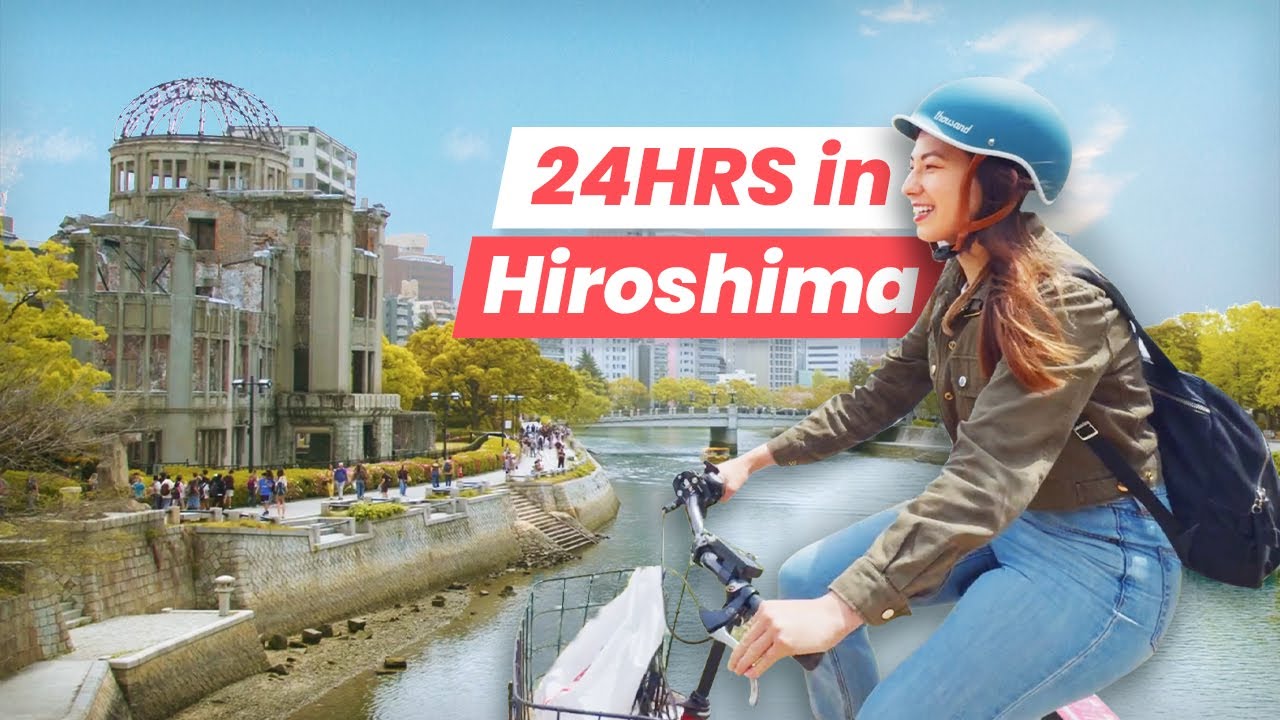
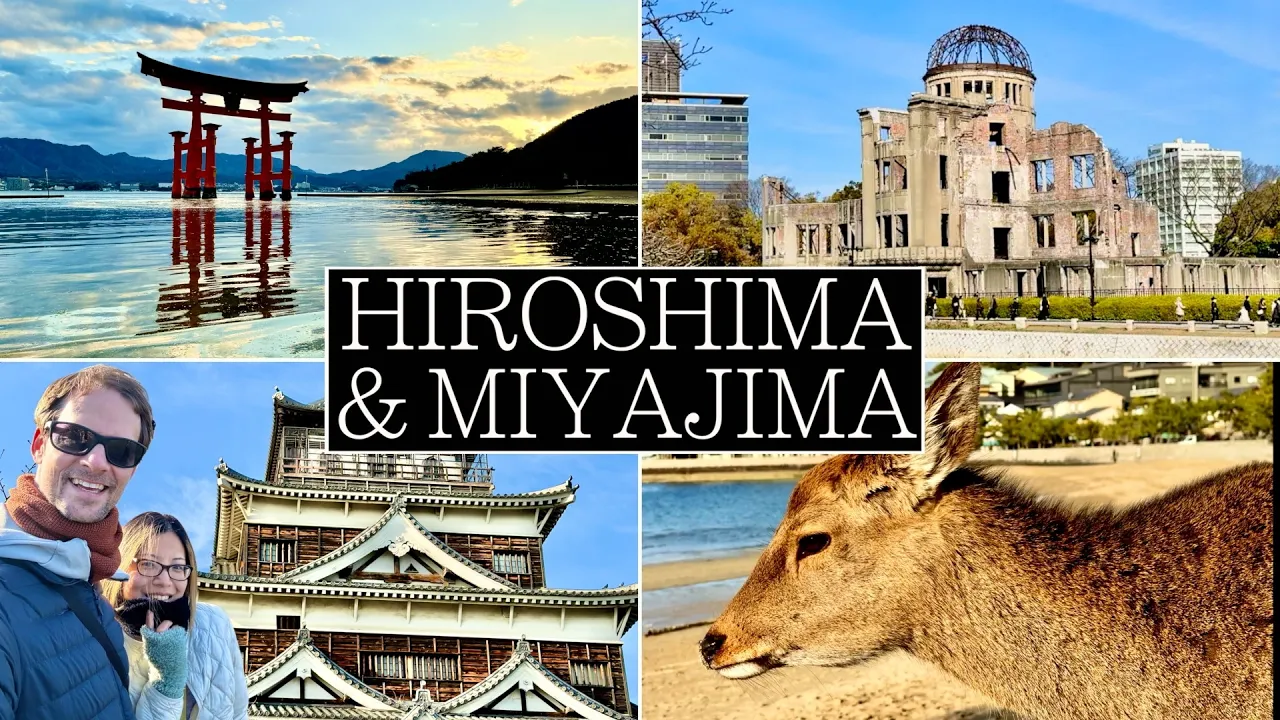
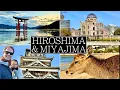
If you were to ask what’s the perfect amount of time to visit Hiroshima and the nearby Miyajima, the most common answer you’d get would be 2 days. But, unfortunately for us, we’d put ourselves into a situation where we literally had 24 hours to experience both. So in this video, we’ll show you the highlights of what just 1 night here actually looks like, what we’d have done different with hindsight, and I’ll finish with what else is good to know before visiting Hiroshima in general.
So, let’s put up the real time clock on screen, and begin… You’ll most likely be arriving by Shinkansen into Hiroshima Station, a little outside of the city centre itself, but this streetcar took us to our hotel in 20 minutes. Following the rise of subways across the country, these streetcars now only serve a handful of Japanese cities and it makes for a distinct, first impression… To make the most of our time, our hotel was almost as central as you can get, a 9 minute walk to the nearby Peace Museum. We were travelling off peak in Winter so were able to get this basic room with breakfast for $60 which I’ll link in the description below, along with all the other places coming up in this video.
As we’d arrived so early, we dropped off our bags at reception and walked straight to our first destination… The Hiroshima Peace Memorial Museum is, without question, the most powerful and impactful museum we’ve ever visited. Whilst hearing and witnessing the stories that are shared here, isn’t what you’d normally seek out whilst on holiday, they are, nonetheless, essential to be heard. And, over the 90 minutes, despite the large number of visitors inside, the faint hum of air conditioning was often the only sound breaking the gentle silence of reflection.
Whilst I can’t show what’s fully on display for obvious reason, the museum focuses on first hand accounts of what the following hours, and years felt like, which is obviously terrifying. But, stepping back into daylight, we both felt an unexpected feeling of hope; that despite what we’d just seen, this area was now a place for living, albeit with an iconic reminder for history never to forget… Whilst we’d be returning to central Hiroshima tomorrow morning, there’s another location that would steel us away for the rest of the afternoon. And that was a visit the centuries old, Itsukushima Shrine.
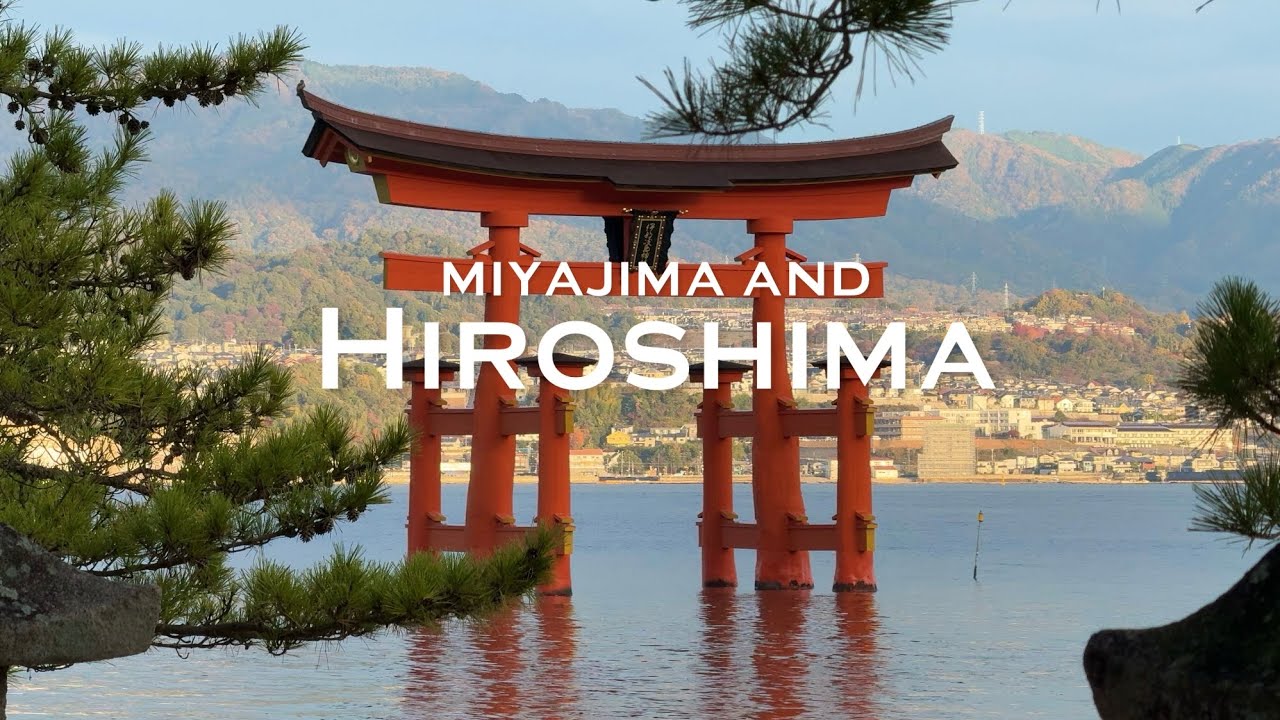
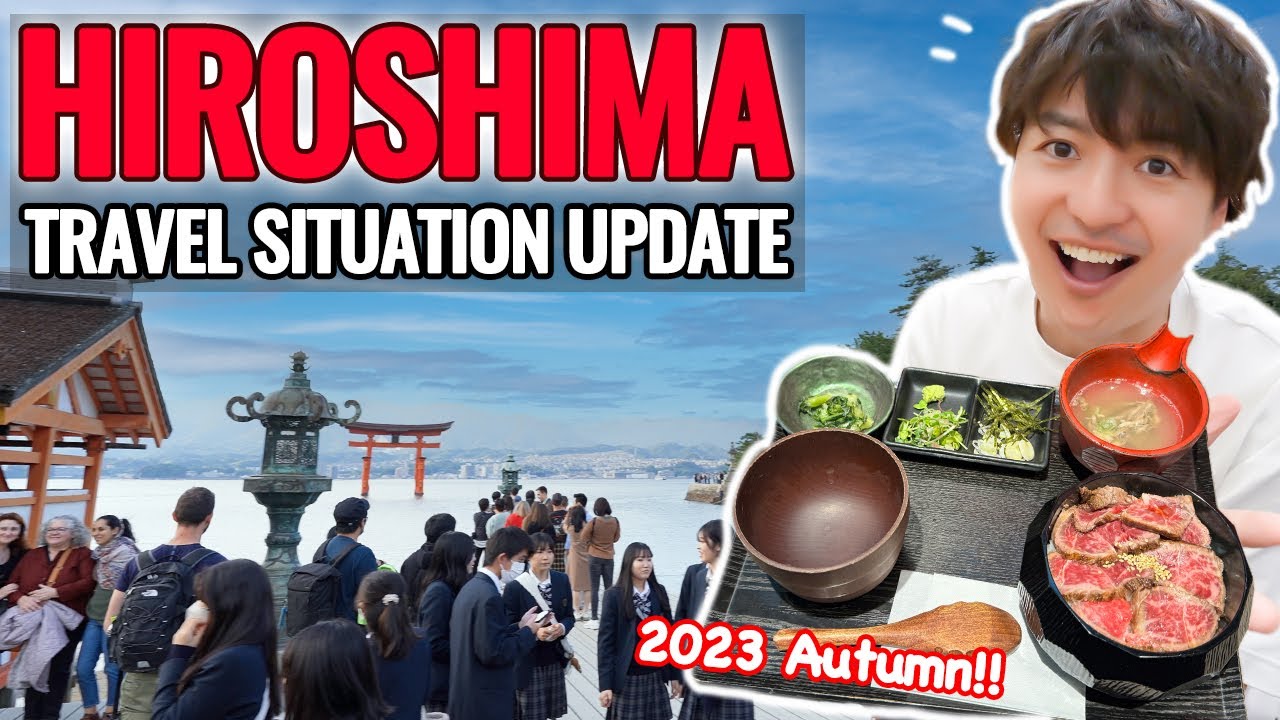
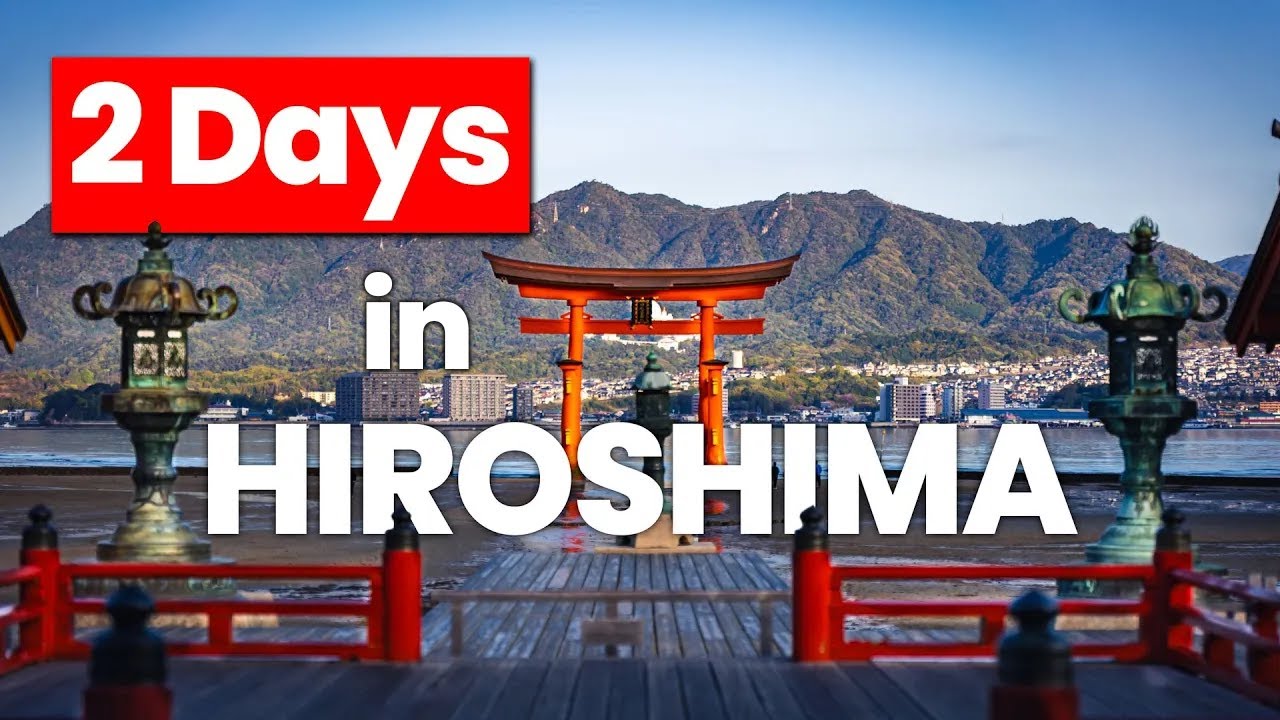
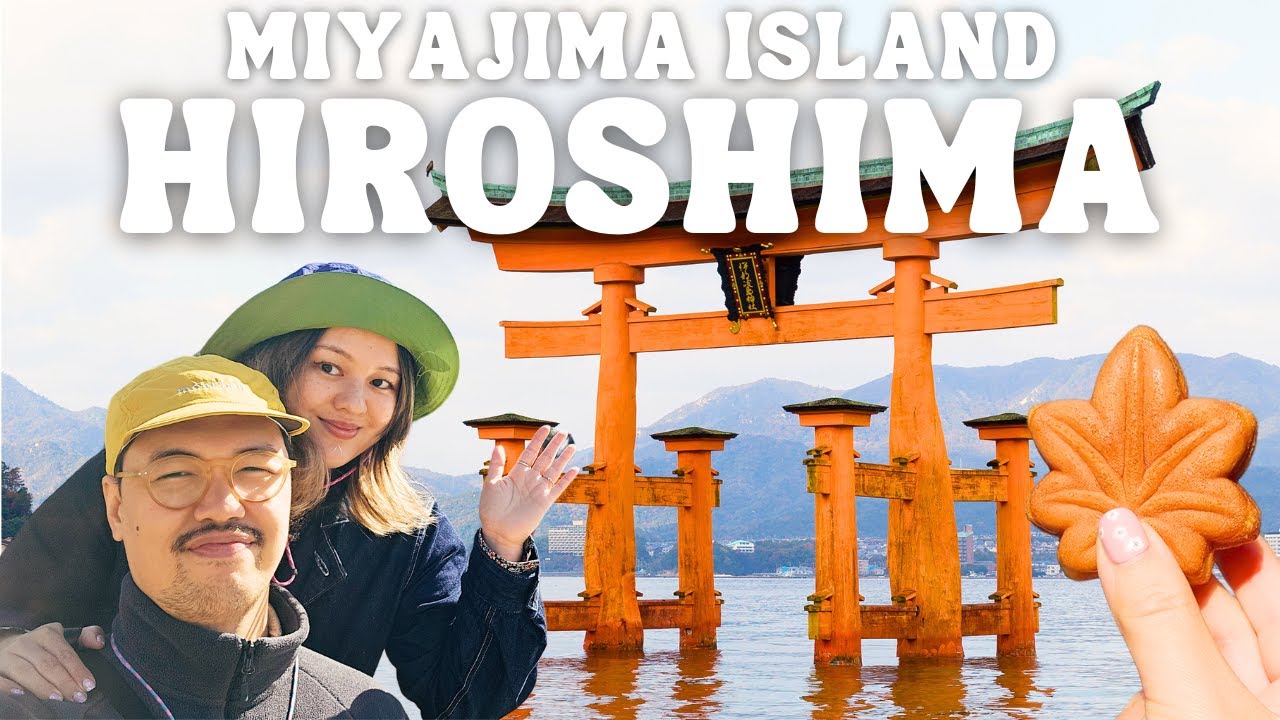
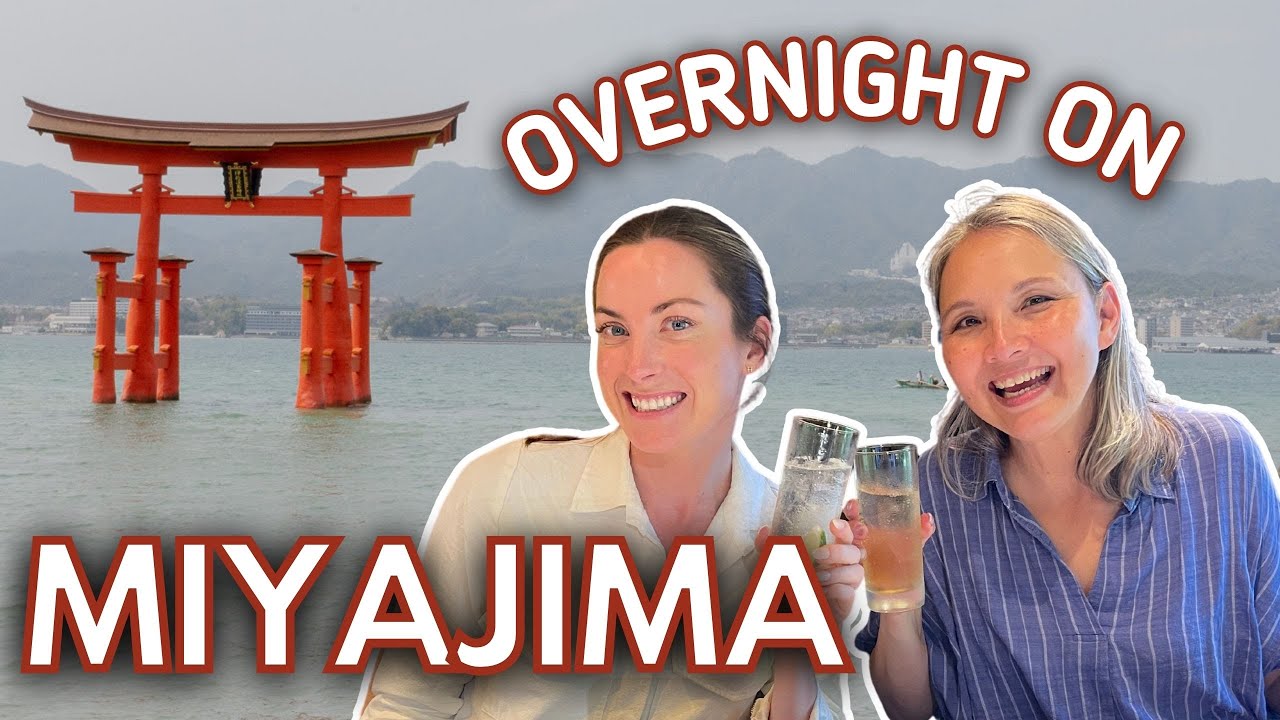
And so, with time ticking, the most direct route for us was this fast boat, departing right next to the Atomic Bomb Dome. I’ll cover more on the practicalities of this trip at the end of the video so for now, this 45 minute cruise was the perfect transport to somewhere that’s been on my personal bucket list for well over a decade… Whilst the islands official name is that of its most famous resident, Itsukushima, it’s more commonly known as Miyajima, literally translating to shrine island. With a population of 2,000, living across 12 square miles, it’s incredibly peaceful and perfect to explore on foot… The Itsukushima Shrine is considered one of the top 3 scenic sights in all of Japan, and the main reason people flock to this island.
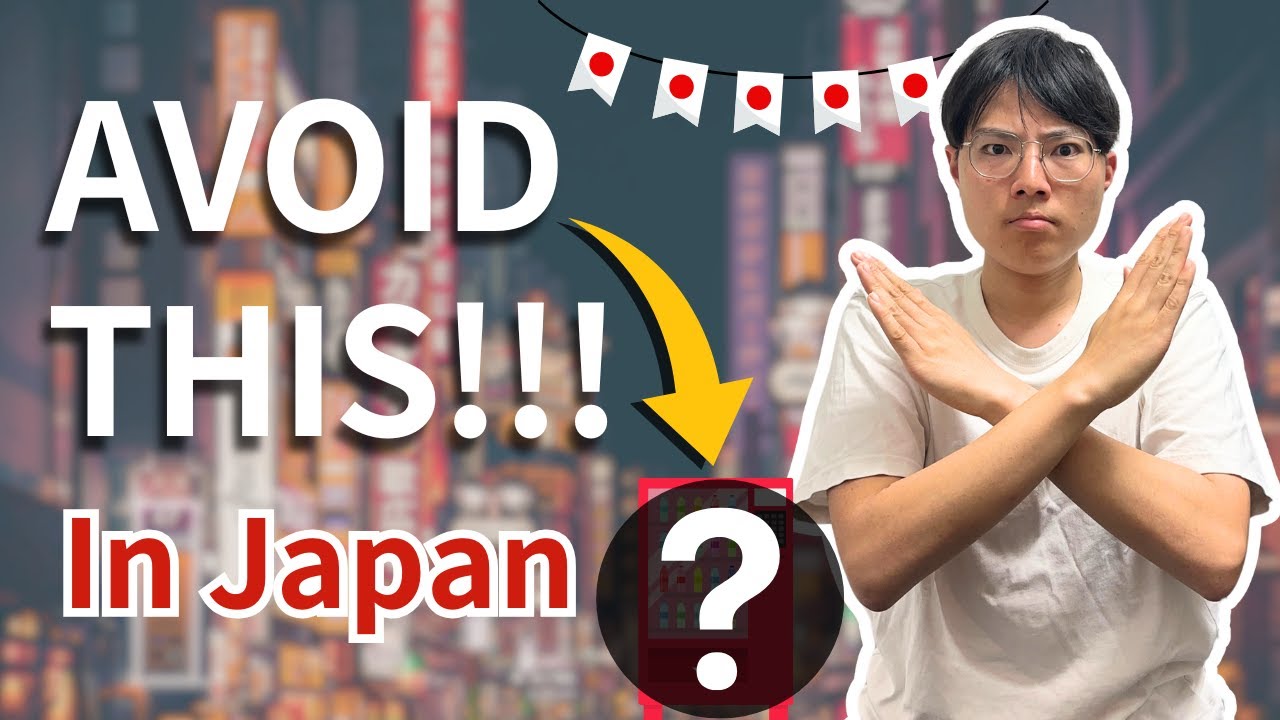
Known as O Torii or Grand Tori Gate, it stands almost 17 meters in height, and can be seen floating on the waves at high tide. With this island itself considered holy, the shrines specific position makes its a protector over sacred lands, a job its kept over 1,400 years… There is even more to Miya Jima though, with this Buddhist temple being the islands most important. It’s worth noting that whenever you see these prayer wheels, spinning them means you can still receive the benefit of their blessings, even without being able to read them.
Which is useful since I didn’t have the time to read them, nor the understanding of Japanese. From here, you can next hike to the summit of Mount Misen, the islands peak at 500 meters, taking around 90 minutes. Or, alternatively, for those without time, or lung capacity, there is a ropeway which can be ridden instead, taking you up to an observation deck… Our final hour was spent wandering around the nearby streets.
But, before we took the ferry back, we returned to the O Torii one last time, waiting for the sun to finally fall, and the waves to slowly catch up… There is something mesmerising about this view and this is easily one of my top Japan memories of all time. If I could do Miyajima again, my only advise would be to consider spending an evening here in one of the islands ryokans. Once the final ferry departs, only a fraction of Miyajmas visitors, remain, which I think would be a very special circumstance.
After the short 10 minute ferry crossing, we still had two quick destinations in mind… The first was sampling Hiroshimas version of the dish, okonomiyaki. Typically a fried mixture of eggs, shredded cabbage, a combination of vegetables, meat or seafood, then all topped off with a sweet sauce and bonito flakes. But Hiroshima is specifically known for its own version, where instead of mixing everything together like normal, the batter is first cooked into a thin omelette, then layered with its ingredients on top, along with yakisoba noodles.
It’s a meal that has to be tried and this restaurant right next to the slow ferry exit was both convenient and well worth the stop. To finish the evening, we took the train back to central Hiroshima and wandered around its central shopping district, before finally returning to our hotel. Our Shinkansen would be leaving tomorrow at 11:30 which would leave enough time for the final 2 attractions on our wish list.
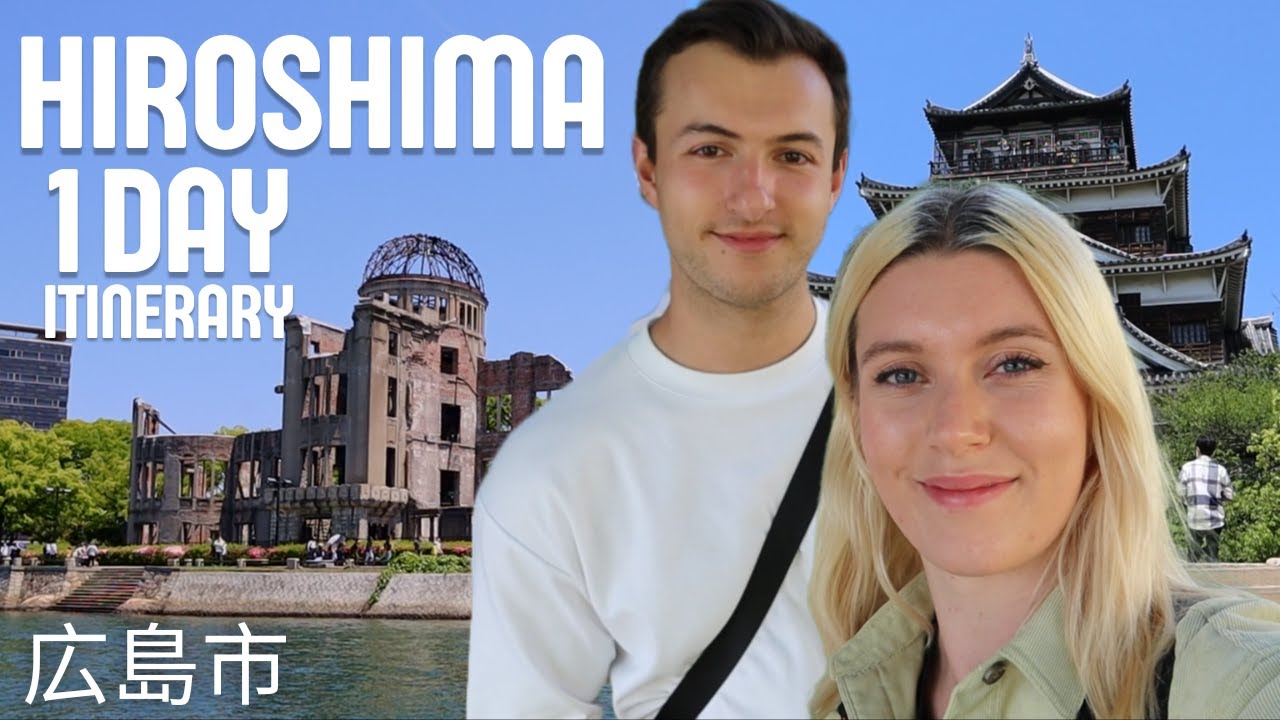
Or, so we hoped… We arrived at the Hiroshima Castle literally as it was opening, trying to make the most of our time before check out. Originally constructed in the late 16th Century, it was largely destroyed by the atomic bomb, with this replica being built a decade later. For context, it is smaller than say the Osaka Castle and its inside paid exhibitions didn’t feel as thorough or as well produced in comparison.
That being said, it is still an easy recommendation, at least either to walk around its beautiful grounds or for its panorama views of the city below. Despite its smaller size, I must admit, we were definitely moving faster through things than we normally might, aware we’d soon be meeting our friends 90kms away. And so with that, we were very much quick pacing it to our final stop in Hiroshima, one that I’d loved to have soaked up way more, than time allowed… And so, 24 hours after pulling into Hiroshima Station, we were now choosing yet another Bento Box for our Bullet Train departure.
And, to end this video, I wanted to share some suggestions on how Hiroshima might fit into a Japanese itinerary along with some practical tips for anyone replicating any part of this trip. First to answer the initial question of this video, yes you can do Hiroshima in 1 day, but it will be tight, and some parts will be rushed. So, 2 days is definitely preferable, or even 1 night but staying until the late afternoon on the second day, before moving on.
Geographically, do be aware that Hiroshima is a further way out from the typical stops of Osaka, and Kyoto so will add an extra $150 USD for a return. So if you’re already short on days, or can’t justify the extra spend, I’m always an advocate for having more days in less locations to properly take thing in. And it’s a great reason to visit again in the future.
But, if time and money do permit, Hiroshima city and by extension Miyajima, are definitely worth the visit so I wanted to recommend a few other destinations around Western Japan if you are travelling this way. A lesser talked about town is Kurashski; With old school vibes and its picturesque river, it’s conveniently in the middle of Kyoto and Hiroshima. I’ll eventually be making a video on Kurashski for our second channel, Carry on Monkey, where I’ve already got a similar video to this one about our time in Osaka, including more on their Castle for comparison.
Going further west, you’ll reach Fukuoka which again is a great city for a few days, and known as Japans ramen capital, with its hundreds of food stalls. This would then put you a 2 hours flight away from the tropical Okinawa Prefecture, which again, we’ve covered on this channel and is linked at the end. For getting around Hiroshima specifically, the buses and streetcars were really well connected, simple to use, and all take the Suica card, the same as in Tokyo.
The fast boat from central Hiroshima runs 2 to 4 times an hour and is well worth it for ease, especially if you’re already at the Peace Park. A single ticket is 2,200 JPY with a slightly reduced return cost, but their last boat leaves Miyajima at 17:30 so was too early for our timings. As mentioned, we were travelling in the off peak Winter so we just walked up and bought a ticket, no problem but their site does allow for reservations, which I’ll link below.
The cheaper and only slightly longer journey is taking the train from Hiroshima Station to Miyajimaguchi Station and then it’s a short walk to the ferry, costing 620 JPY for both parts, which is 70% less than the fast boat. One thing that confused us with the slow ferry though, that I should mention; there are 2 different ferry operators here. They both are the same price, offering the same service, there’s just 2 of them, with 2 schedules going to the same place so either is fine, they wont take you to somewhere else, and their last return is after 10pm, again details linked below.
And if you’re concerned about taking any transport around Japan, watch this video next to see why you shouldn’t be. We are making our exciting return to Japan around the time this video goes live. It’s sponsored by an actual Japanese prefecture, and the itinerary looks amazing, so keep an eye out for that in February.
Make sure you’re subscribed, let me know any thoughts for this trip below, and thanks for continuing to watch Suitcase Monkey.

![How to Get to Miyajima Island From Hiroshima Station • JR Pass • 4K HDR Relaxing Walk • [広島駅 • 厳島神社]](https://img.youtube.com/vi/arPqAc61f8Q/maxresdefault.jpg)