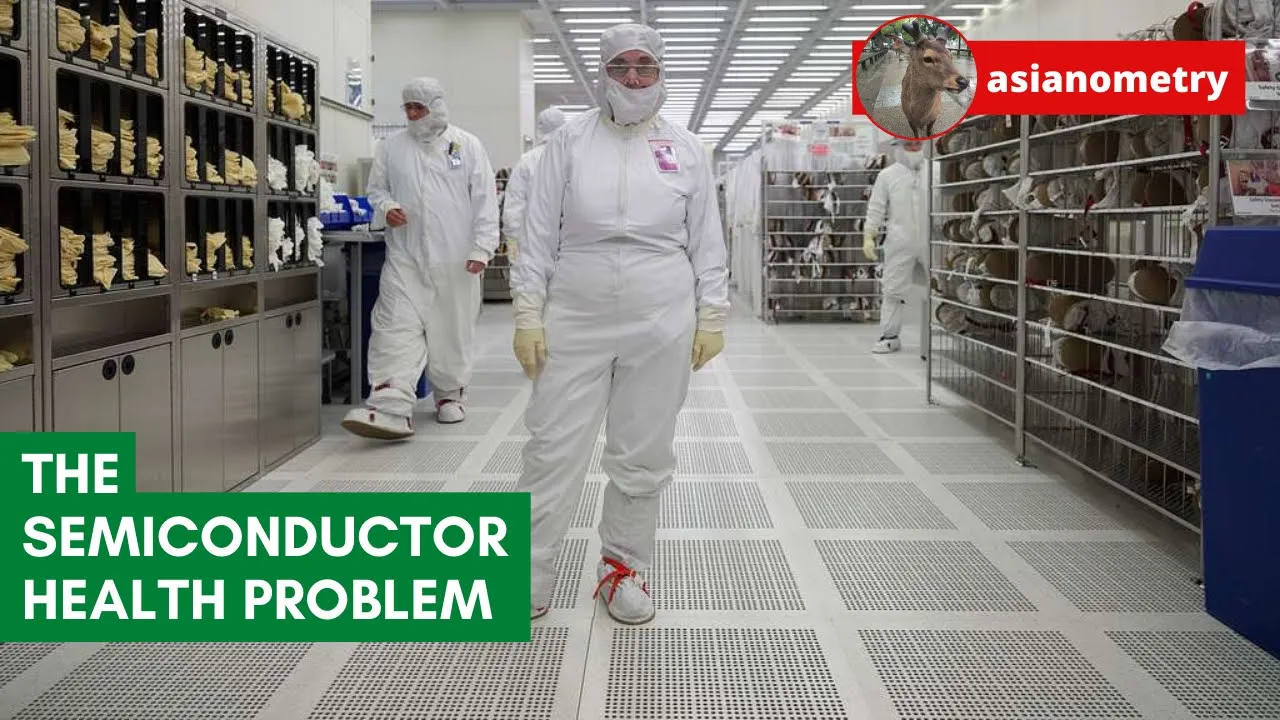
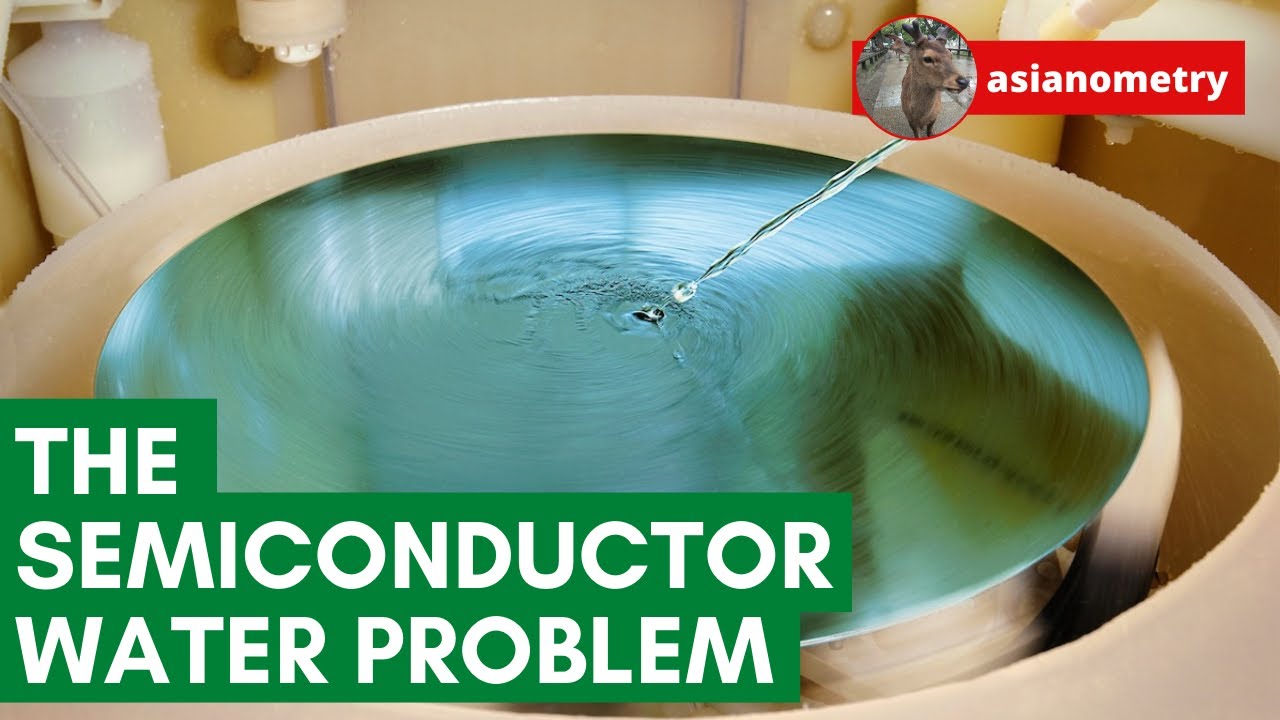
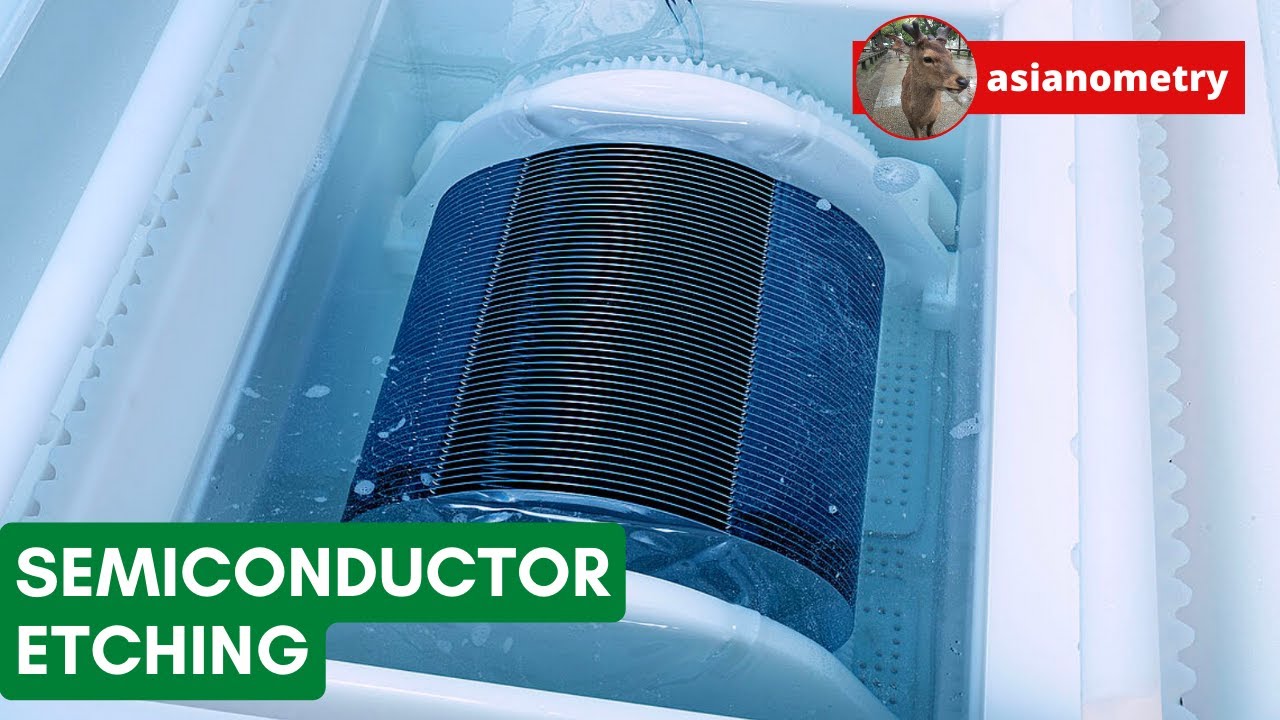
when we talk about semiconductor manufacturing we might bring up images in our head of massive fabs yellow clean rooms and people walking around in bunny suits that mental image might lead us to presume semiconductor manufacturing to be this squeaky clean endeavor but when we say clean we really mean clean in the sense that we want to keep the product free of particles we really have no idea what is going on in those fabs for the people working and living around there these companies use immense amounts of toxic and carcinogenic materials to make the beautiful chips that power our machines and if we were to simply look at the historical record then there is reason for concern i have been thinking about this for a while now in this video i want to look at one of the big reasons why semiconductor manufacturing left the silicon valley it is a dangerous toxic process that can cause an immense amount of harm to both people and the environment but before all that i want to talk about what i've been recently doing with the asian artery newsletter a few weeks ago i put up first half reviews of asml and tsmc just going over recent things that have been happening with these companies i put these entire scripts on the newsletters if you subscribe to the channel you should also subscribe to the newsletter you can find the link to the newsletter in the video description below or you can just go to asianometry. com as of right now you can expect a new newsletter every thursday at 1 am taiwan time much thanks it is difficult to study the health and environmental effects of modern semiconductor manufacturing because its practitioners are extremely secretive thus specifics vary but all wafer fabrication facilities perform a few core processes they are deposition resist coding light exposure etching resist removal and washing these processes are repeated over and over again until the chips are at the desired level of sophistication feel free to stop and google them first if you don't know what they are hundreds of chemical compounds are used in these processes one study of two korean semiconductor memory facilities found over 400 chemical ingredients ingredients meaning that they can be combined with each other to make the actual compound to be used in the process however the researchers could not review 40 of these 400 ingredients because they had been classified as a trade secret this particular study found that only 10 of the non-trade secret chemicals are classified as a human carcinogen by the international agency for research on cancer however those carcinogenic chemicals mostly sulfuric acid makes up 30 of total volume used in the facility sulfuric acid is used for removing the photoresist and cleaning the wafer it is harmful to the eyes and skin damages the teeth and lungs and when inhaled raises lung cancer risks by up to 64 right so sulfuric acid can give you cancer especially when you breathe it in but the reality is that these factors use so many tons of chemicals each year the paper notes over 45 000 tons per factory that even if a chemical is not technically classified as a carcinogen it can still do some serious damage at scale for instance the second most used chemical ingredient at the two factories is cyclohexanone it is not classified as a human carcinogen but when inhaled it can cause kidney and liver damage possible central nervous system effects are also noted whatever that might mean we cannot just focus on only wafer fabrication as well we would be ignoring an entire half of the manufacturing process many of the same health and environmental concerns apply to the back end too here each chip on a wafer is cut tested wired up and then placed into an exterior shell relevant subtasks include dye preparation wire bonding molding plating soldering and chip testing broadly speaking there are two types of tasks here operations and maintenance operators today have relatively low exposure to toxic chemicals the workplace advocates have concerns about repetitive tasks and the like maintenance workers on the other hand have to take apart equipment exposing them to high concentrations of potentially toxic chemicals the most common type of chemicals used in packaging subtasks are epoxy molding compounds mostly made of epoxy resin hardeners and silica they are used to protect circuits from the outside these ingredients are not known to be toxic but it has been reported that the actual molding process can generate toxic byproducts like phenol formaldehyde and benzene the latter two are carcinogens they say that safety regulations are written in blood what we know today about the effects of semiconductor manufacturing come from studying the suffering of those before us silicon valley is today known for housing the designers and engineers who make our slick gadgets and social networks but before that it had been an industrial manufacturing location for companies like fairchild semiconductor and intel fairchild was a semiconductor pioneer the traders aid in all that jazz one of the first companies to experiment with making chips out of silicon rather than germanium the company used a chemical called 1-1-1 tryptochloroethane as an organic solvent it is helpful for cleaning circuit boards and as a photoresist it's not toxic per se but can cause birth defects in pregnant women today the chemical is being phased out of use because of its ozone depletion properties fairchild had been storing the stuff in underground fiberglass tanks at their san jose site from 1977 to 1981 though the tanks leaked the solvent into the groundwater contaminating well number 13. what did this stuff do to the population there well investigators were not sure pregnant women in the los paseos neighborhood of san jose showed higher rates of spontaneous abortion and congenital malformation but this was all indirect evidence and the timing was uncertain and some 69 women in the los paseos area did not show any birth issues at all regardless this data as well as a university study linking the chemical to congenital heart defects in rats led fairchild to pay out a multi-million dollar settlement with the families a later report in 1988 pregnancy outcomes in santa clara county 1980 to 1985 found that pregnant women in a neighboring city also drank water contaminated with 1-1-1 trichloroethane but suffered no unusual effects so unnecessary concern but wait a counter study a few years later pointed out that the 1988 study did not count for the effects of showering or washing your hands with trichloroethane water the saga marches on the 1981 fairchild incident goes to show just how complicated human health studies are tying cause and effect are much more difficult than at first glance when workers at a facility start getting unexplained health issues and believe the company is at blame tracing what exactly happened gets really complicated this has been repeatedly the case throughout the years has companies and their workers clash over their individual positions examples include a 1979 event with signetics ibm in 1985 national semiconductor uk in 1998 and a 2008 cancer cluster amongst samsung electronics the standard method has been to look at statistics the mortality rates the incidence ratios and so on but the cohorts tend to be small one to five thousand at the most classification errors do happen and confounding factors are everywhere so it can be hard to avoid unusual results cancer has been the single biggest focus of various industry healthcare studies the industry's connection to cancer has been and remains hotly debated since the 1980s across the uk south korea taiwan and the united states for instance in the case of those 1985 ibm workers a 2006 study looked at standardized incidence ratios of cancers in semiconductor and storage device manufacturing workers they found no causal associations between semiconductor manufacturing and cancer but cut the same data a different way like researcher richard clapp did the same year and you find an elevated incidence of kidney skin and brain nervous system cancers but that study lacked exposure data so we do not know what might have caused this okay so last one a 2010 study of the national semiconductor uk plant showed no elevated rates of cancer in both men and women except for lung cancer the lung cancer incidence rates were high enough to be statistically significant but the study also notes that they did not know the population smoking rates so that's something to think about anyway to sum it up it's tough to prove causation from correlation and yet harder to do it in one of the human body's most complicated diseases with that being said one connection with relatively strong links is that of reproductive health female reproductive health is a special concern because the majority of the factory workforce tends to be women of child-bearing age a 1980 finished study was the first to identify an elevated risk of spontaneous abortion amongst female electronics workers the fairchild semiconductor case a year later got scientists started on further studying the industry's reproductive health risks a series of studies have identified elevated risk of spontaneous abortion especially amongst workers working in the masking and photolithography processes studies at that time suspected the use of a chemical ethylene glycol ether a known reprotoxin as well as other organic solvents exposure to this chemical can also cause lower fertility and more variable menstrual cycles this was eventually replaced with propylene glycol monomethyl ether a known neurotoxin but even so elevated spontaneous abortion risks continue leading scientists to continue trying to figure out what else might be causing reproductive issues as always more studies are needed but this risk is widely acknowledged there is no denying that semiconductor companies back in the 1960s and 70s had a rather cavalier approach towards handling ingredients and wastes microelectronics firms dumped their acids and solvents into the sewers those often flowed into the san francisco bay toxic chemicals were tossed into city dumps pits and dry wells crews working on intel's first facility in mountain view found that acids had eaten through the bottoms of all the nearby sewer lines you can't do that stuff anymore in the united states the 1970s saw the start of the environmental movement the creation of the epa and tightening of toxic waste regulations things have vastly improved since then companies have also realized the value of recycling i talked a little about this in my video on semiconductor water usage but these facilities now run at such scale that recycling and reuse technologies are essential wastewater often has acids alkalines fluorides ammonia and wafer polish companies will apply a series of treatments including reverse osmosis oxidation carbon filters and more to clean the water enough for possible reuse that being said the facilities use over 400 ingredients like i said and far more compounds one researcher found that only 10 of those ingredients were being monitored including none of the byproducts produced from reactions like plasma a particular concern tsmc mentions that they specifically treat for 25 chemicals in their wastewater which sounds like a lot but in context is not one sustainability study in 2018 looked at how several american semiconductor facilities across the united states disposed of seven chemical wastes some companies did well others not so well and a few really not so well which is kind of wild considering how much focus local governments have on this stuff and regulations going forward do not do anything about the toxic legacies of those early wild west years for instance all the superfund sites in silicon valley scattered among some of the world's richest cities or the groundwater contamination damage from a former rca plant operating from 1968 to 1992 in taurian taiwan these legacies remain and somebody gets stuck with the job of cleaning it up for years thereafter i remember staying at a hotel near tsmc plant and being specifically told by the locals not to stay too long around it even if you don't smell anything there silicon manufacturing has gradually moved out of the silicon valley to new locations inside and out of the united states arizona and texas inside the u.
s south korea taiwan and china outside the u. s regulators are in a poor position to monitor these facilities as impact despite their best efforts these places often have less resources and regulatory knowledge to properly track what is going on inside these fabs heck not like the silicon valley authorities were doing that well anyway beyond that semiconductor manufacturing is an immensely profitable and high value activity that governments value and protect in 2019 south korea exported over 93 billion dollars in chips some fifteen percent of the country's total exports the same goes for taiwan these are powerful constituencies right now there is a big semiconductor shortage going on companies and consumers cannot get the chips they need and fab construction crews are rushing to put shovels into the ground to get going on these facilities considering all the hurry environmental surveys and evaluations might not seem all that important tsmc just passed one for their two nanometer shinshu facility for instance but this stuff should be taken seriously because there is still a lot that we do not know about semiconductor manufacturing and its effects on the environment and people alright everyone that's it for tonight take care of yourselves out there if you want more content you can like and subscribe to the channel the feed will show you a bunch more new videos like this one to watch you're not subscribed what are you waiting for go ahead want to send me an email drop me a line at john asionometry.




![[Fab Part1] All About Silicon Wafers](https://img.youtube.com/vi/ThWjZCk7rzg/maxresdefault.jpg)