digital transformations are risky and complex in any industry but none more so than energy and utilities so what is it that you need to be aware of as you embark on a digital transformation in the energy and utility space that's what i want to talk about here today my name is eric kimberling i'm the ceo of third stage consulting we're an independent consulting firm that helps clients throughout the world reach their third stage of digital transformation success and energy and utilities is one of the industries that we work with with our clients helping them through
their digital transformations in fact when i started my career early on i spent about four years focused on helping energy gas and electric utilities through their digital transformations including their erp implementations their enterprise asset management the geospatial information system deployments outage management all sorts of different technologies so what i want to do in this discussion is talk about some of the complexities and lessons learned from my own personal experience as well as our team's experience helping clients in the energy and utility space through their digital transformations the first thing to be aware of especially if
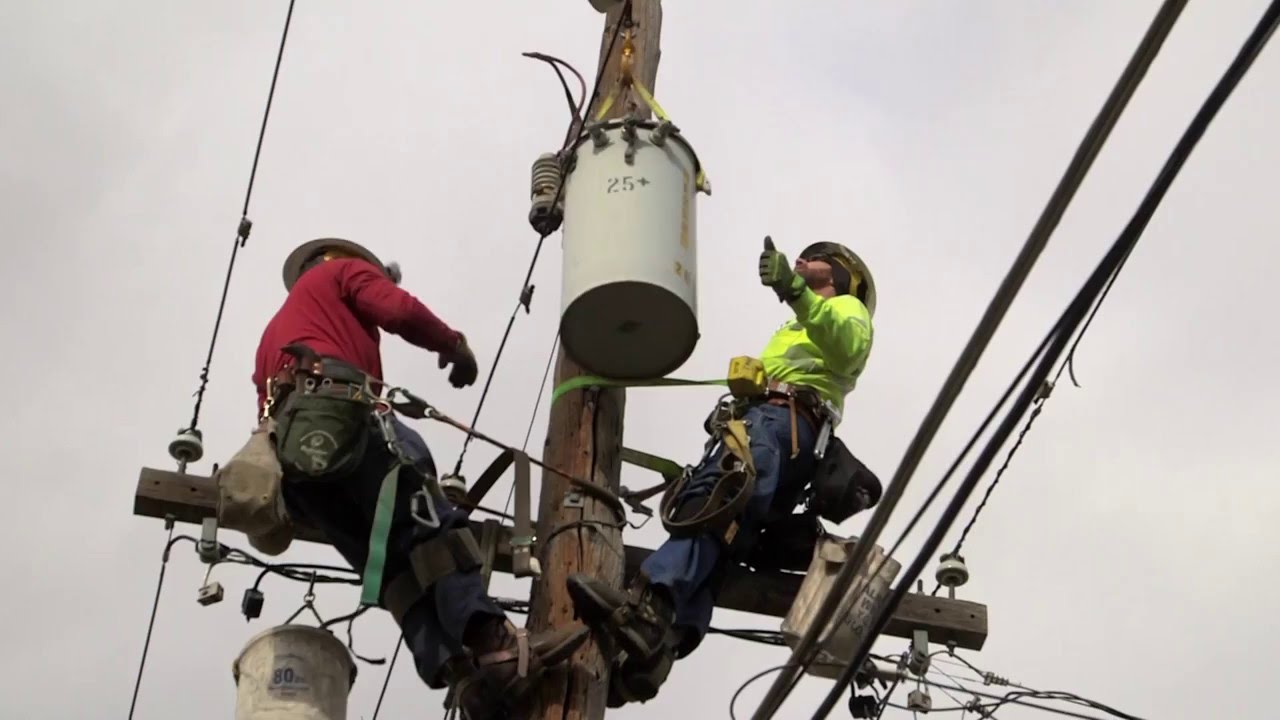
you grew up in the energy and utility space is that this industry is very complex there's a lot of business and technical complexities and operational complexities that other industries and other organizations simply don't have so there's things like enterprise asset management and predictive maintenance and geospatial information systems outage management scada a lot of different sorts of technologies and processes that are meant to manage disparate operations disparate parts of the organization as far as field crews and people disperse throughout the organization as well as the assets looking at substations and transformers and wires and poles and
the last mile of getting to the end customer all those things result in a lot of operational and technological complexity that can make digital transformation very difficult then you add to the fact that most utilities we work with have these legacy systems that have been around for a long time it just makes it that much more difficult to change those systems and to change the processes that go along with it so recognizing and being aware of those complexities that your experiencing and trying to address as part of an energy and utility digital transformation is one
of the first steps to success in a transformation [Music] finding the right technology or technologies to help enable your operational improvements within your utility or your energy company is something that's very difficult because there's so many different functions and capabilities you're trying to address within the organization as i mentioned before you have everything from gis to outage management to asset management mobile workforce management scada all sorts of different systems and processes that you're trying to address so finding the right technology and prioritizing how you go about the transformation is even more difficult for this industry
compared to others so the key here is to evaluate and prioritize your needs as part of your digital strategy so that you know where it is you need to put out the fires in the short term and do so in the context of a longer term digital strategy and plan to help you get to where you're trying to accomplish now the other caveat to this or the other risk to be aware of is that most utilities and energy companies aren't able to leverage a single erp system most erp systems can't do all the things that
utilities need them to do i mentioned the example of gis a couple times now that geospatial data component is something that can oftentimes cause an erp system to break it's not something that erp systems were typically designed for and so that's why utilities end up with disparate systems and more of a best of breed approach so when you're going through a digital transformation in a digital strategy early in your transformation really evaluating your options prioritizing your options and having a clear roadmap that aligns with your risk profile and your overall strategy is something that's critical
to ensuring that you're successful [Music] because utilities are less likely to use a single enterprise-wide system and more likely to use best-of-breed point solutions for different parts of their business that puts more demand and more pressure on the integration and architecture of your systems so in other words you're more likely to have disparate systems from different vendors that now you're trying to tie together and integrate and not only that but you've got data management issues because now you've got different systems housing different types of data and you have your normal financial data and things of
that nature and you also have your geospatial data and other rare forms of data that only utilities have so making sure that you address all of this in terms of integration and architecture is super important so when you embark on your digital transformation and define your strategy for your transformation you want to make sure that you've addressed these competencies and you have really solid independent technology agnostic architecture and integration support to ensure that you can navigate those challenges more successfully [Music] now i've talked about how there's complexity in the systems and the business processes within
most energy and utilities companies but there's also a different type of change complexity that comes along with this industry and this change complexity is not so much focused on the technology that's being replaced but it's also focused on just the history of the utility so generally speaking energy and utilities companies are older organizations they've been around for longer typically you have a highly tenured staff so they've worked at the organization for longer oftentimes they're unionized so you have union and labor representation that makes changes a little bit more difficult or you have to be more
mindful of how you navigate those changes and you have regulatory constraints that limit how you can go about your transformation so when you add all these things up and certainly when you add in the fact that your technology and data and process complexity is there too you can see how it makes it very difficult for utility companies to change in general even with the best of intentions even with the clear vision and direction that the leadership team might bring to the table so the reason this is important is not to suggest that you don't want
to go through a digital transformation or that you shouldn't change but to just be realistic about how long it's going to take you because most energy and utilities companies are going to change at a slower pace than a lot of other industries and you just want to make sure that you plan accordingly for that reality [Music] so when you think about all of these complexities and moving parts that are unique to energy and utilities it means that digital strategies and road maps that are aligned with your business needs and address the realities of your organization
are more important than even for other organizations so this is a true statement for any industry you might be in but energy and utilities in particular need to take the time upfront to define a clear digital strategy to have a clear and deliberate road map for how they're going to achieve their goals and objectives and this is why in some ways it's important to slow down your transformation especially in the early planning stages in the strategic planning phases to make sure you have a clear road map and vision for where it is you're headed what
you want to accomplish how likely it is you're really going to change within a reasonable amount of time and ultimately to define a plan that fits your goals and objectives your risk profile your culture and your overall strategy as an organization so making sure you have that digital strategy carved out and well defined up front is extremely important especially if you're in the energy and utility space so these are some of the things to be aware of as you go through a digital transformation within energy and utilities but there's other things you should be aware
of as well other best practices other tips and lessons learned from other industries that are relevant within energy and utilities as well i focus solely on this one industry of vertical in this discussion but we have a number of other resources that are meant to help paint a more complete picture of everything else you need to know about change management digital strategy managing your overall transformation evaluating and selecting the right technologies and to do that i've included a number of resources below most notably our annual digital transformation report which is a report that outlines best
practices for digital transformations but it also provides a number of independent and technology agnostic software reviews and rankings to help you as you evaluate and consider the direction you might go with your digital transformation so i encourage you to download that paper i've included a link to that in the description below i've also included a link to other resources i think will help you in your digital transformation so i hope you found this information helpful and hope you have a great day and different disparate systems and business needs and capabilities and so what's the point
so recognize so the key here is to recognize and to do an assessment early on in your digital strategy sessions to address let me say that start that all over again that was a mess before i start rambling on about the complexities i'll cut there and then i'll just say something to transition here sometimes i get trapped in my own words and they don't make sense and my brain shuts down and

![Comparison of a Successful vs. Failed Digital Transformation [Two Digital Strategy Case Studies]](https://img.youtube.com/vi/As_EZt3ht98/maxresdefault.jpg)