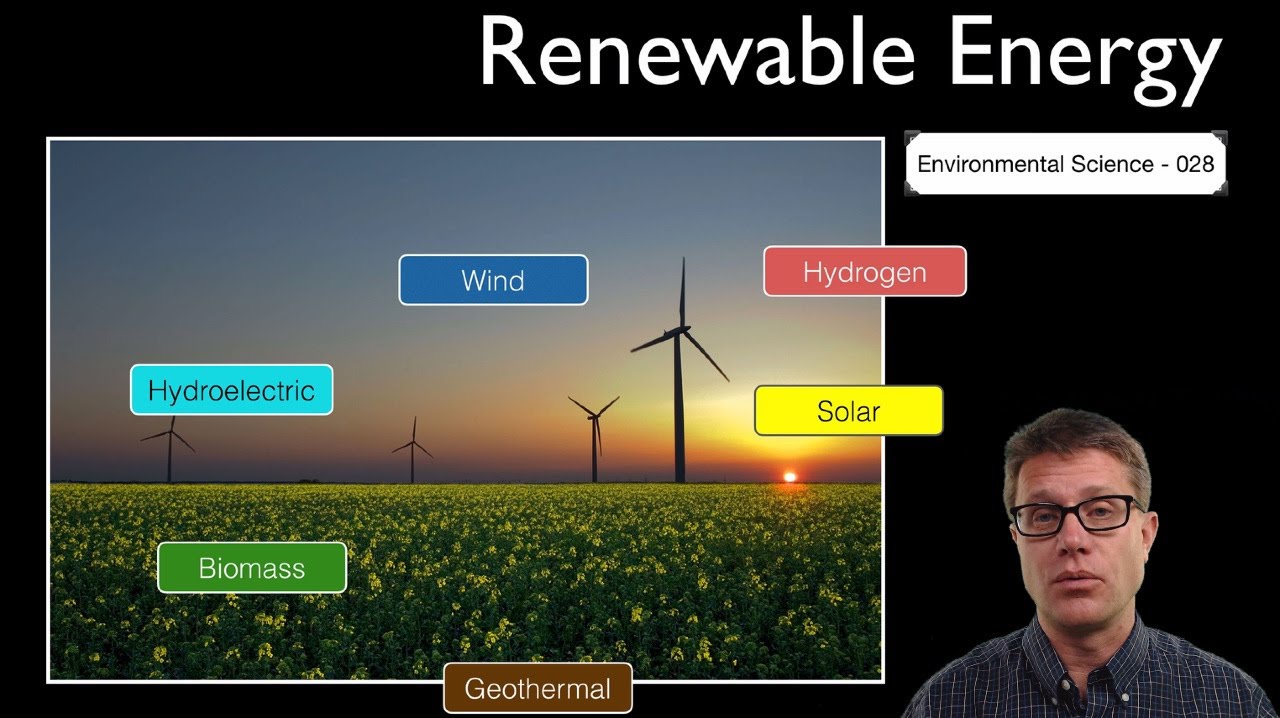
[Music] hi it's Paul Anderson and this is disciplinary core idea ESS 38 it's on natural resources resources are what we require to live and since we live on the earth we get our resources from the earth and we call those natural resources and there's a lot of different types of Natural Resources it could be the air you breathe the water you drink the soil you grow your crops in minerals Metals energy plant PLS animals and all of this we're getting from our environment and we could break all of those natural resources into two types we
have what are called renewable resources winds an example of energy that's renewable as The Sun Shines on the earth the air starts to move around and we're going to be able to generate energy from that non-renewable resources are resources that don't come back within our lifetime and so oil is an example of that oil contains energy that was stor millions of years ago from ancient rainforests and if we use that up it's gone it's not going to come back at least within our lifetime another thing you should understand about natural resources is that they're not
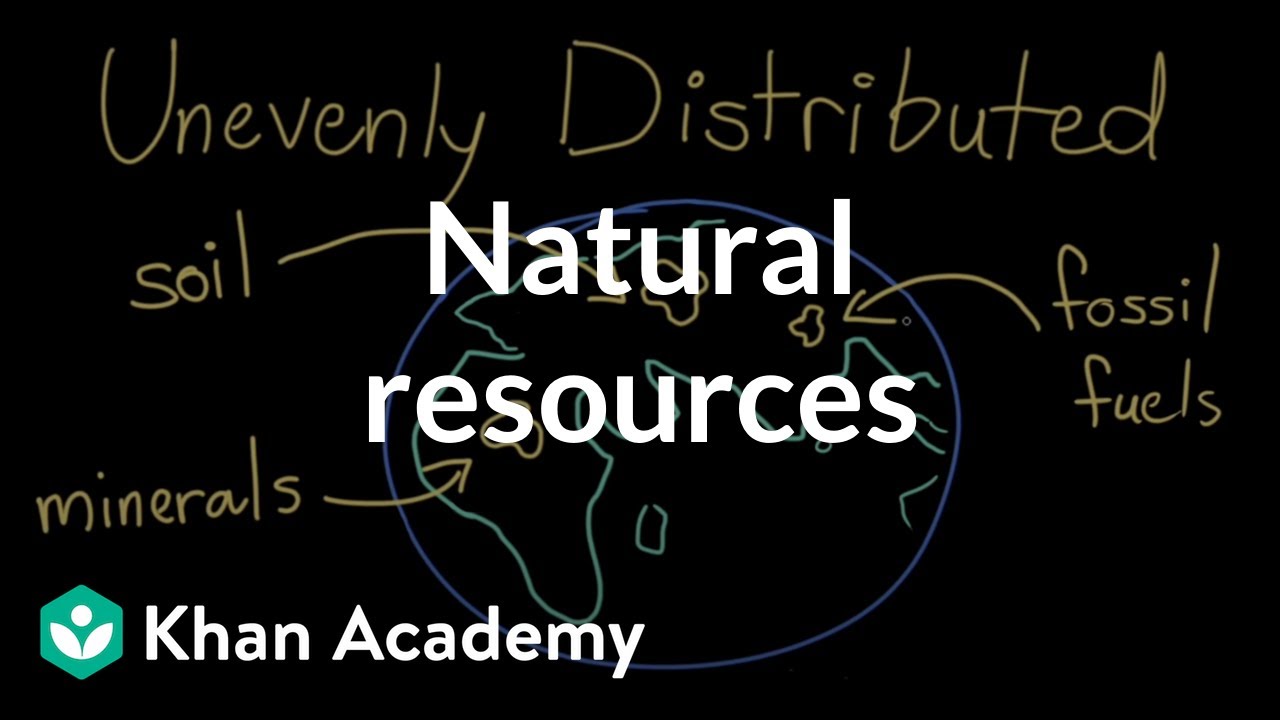
uniformly distributed on our planet they're going to be mixed up and so where do humans live we're living where we can get as many of the resources as we can possibly find but we're not going to have all the resources there and so if you look at the distribution of humans on our planet we're going to find that we're finding that we're living in areas is where we can get enough food enough water but we don't get all of our resources so we have to kind of trade and ship those around on our planet this
map right here shows the population in other words the cities that have high population each of the red dots on this map represents a city with at least a million people we call those mega cities and what we're finding is that as we get more and more people on our planet they're requiring more and more resources and so we have to really balance our use of non-renewable resources especially if they have some detrimental costs and thinking of that fossil fuels are really driving economies right now coal and oil and what's the benefit of coal and
oil they're relatively cheap we stored energy a long time ago and now we can kind of cash in on that the problem is that we have costs associated with non-renewable resources um number one they're not going to last forever and number two a lot of them have unintended consequences as we burn fossil fuels we're putting greenhouse gases into the atmosphere and that over time is going to increase the temperature and then we're going to have costs associated with that and so what we're seeing is a switch from non-renewable to renewable resources and that's being driven
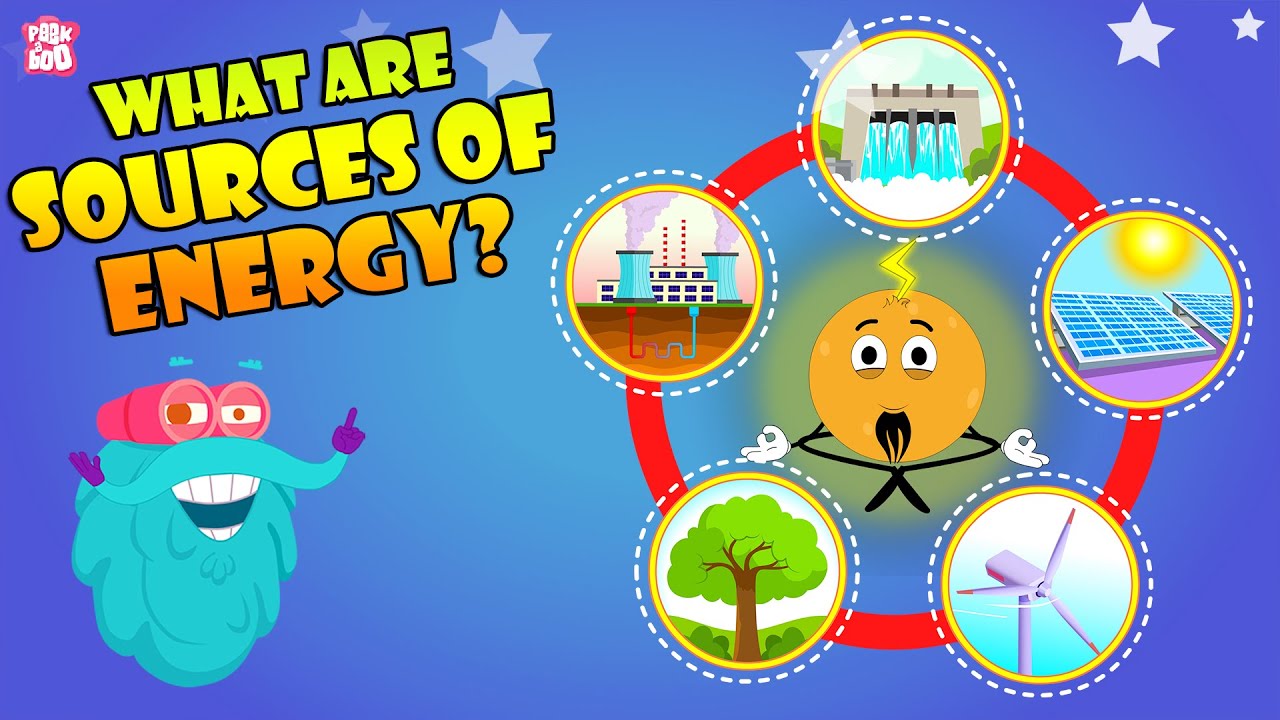
by two things number one is technology solar energy wasn't very effective and it was really expensive uh you know decades ago but that's changing really really quickly and things like geothermal hydroelectric um wind generation uh is is generating more energy and it's a more valuable resource and it will be over time we'll also have to use regulations in other words when you put things into the atmosphere you're not really being penalized for that you're putting carbon into the atmosphere it's going to have some unintended consequences in the future and so we'll have to use wise
regulations and increasing technology to shift from non-renewable to renewable resources and so how do you teach this what's the teaching progression well in the lower elementary grades you want students to understand that humans require resources and they require it from the land the air and the water and so let's use a real simple example of that what do we need from the land well we need food and so when we grow corn for example we need nutrients from the land or the soil we need nutrients from the air and we also need water for that
if we get energy from our environment burning wood is going to require energy and that's coming from the land as well and if we want to fry up some eggs we're going to require minerals and we're going to have to get that from the land as well and so everything we require for resources we're getting from the land itself as we move into the Upper Elementary grades you want to start talking about this idea of natural resources and that all of the resources we require to live have to come from our planet another thing you
should talk about at this point is make sure you're delineating the difference between a renewable resource one that we can just it comes back over our lifetime and nonrenewable resources so as we dig up metal if we aren't recycling those if we're just disposing of it it's going to be a non-renewable resource As you move into Middle School we want to talk about resources and where they're found and that they're limited and that they're not evenly distributed on our planet and so we have to be wise in the way that we're using those resources and
then we want to talk about how there's going to be increases in technology which are going to allow us to shift from non-renew to renewable resources but we're going to have to use regulations to make sure that we're doing this fairly and effectively across the globe As you move into high school you want to address this idea that our population is increasing and as we get more and more people they're going to require more and more resources and so we have to look at all of the resources on our planet where are they found how
can we share them equally and how can we make sure that as people in developing countries start to get what people in developed countries ad for a long time how do we do that effectively without damaging the planet so those are natural resources they're incredibly important and I hope that was helpful