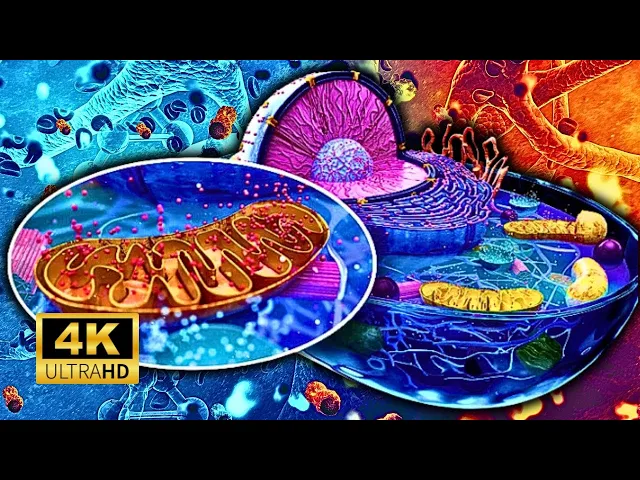
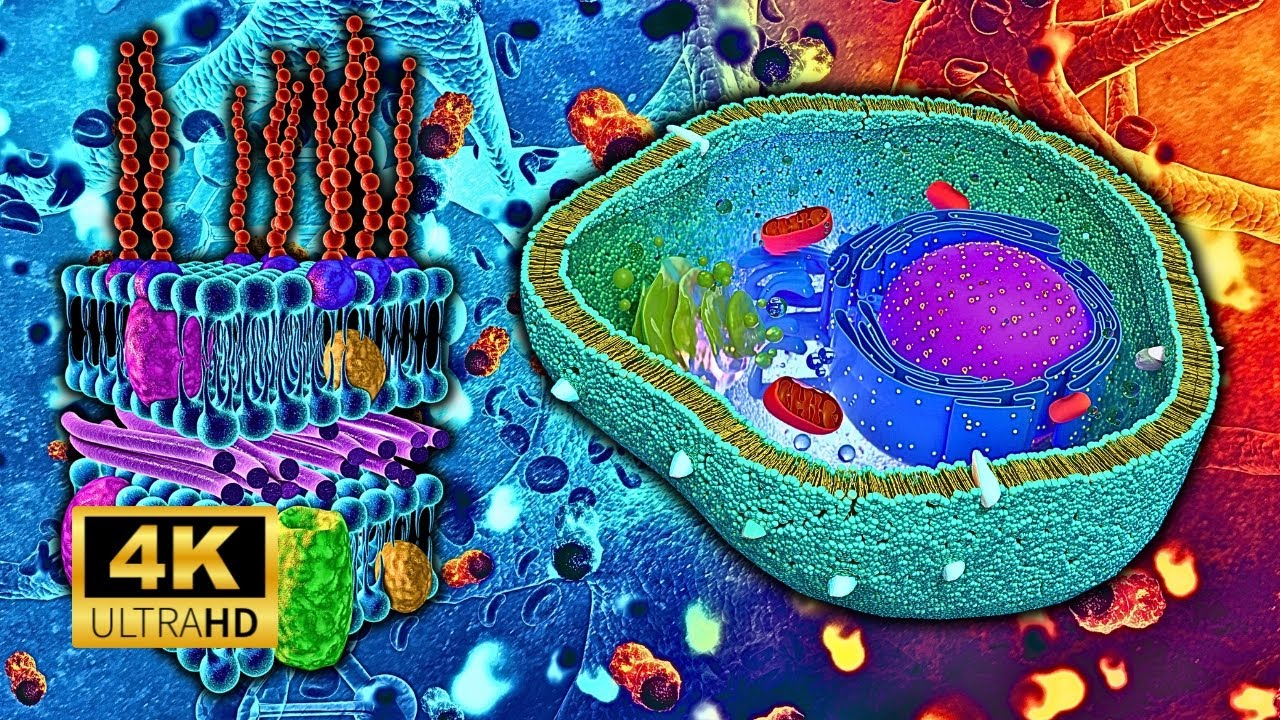
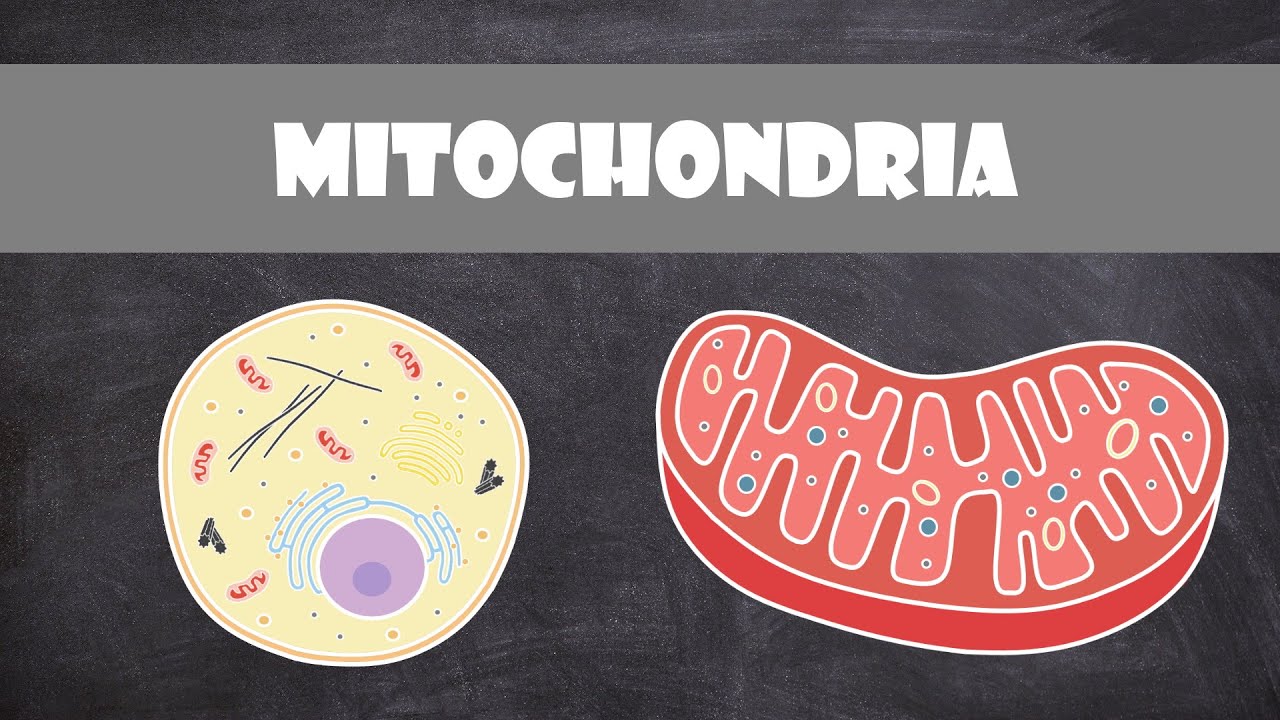
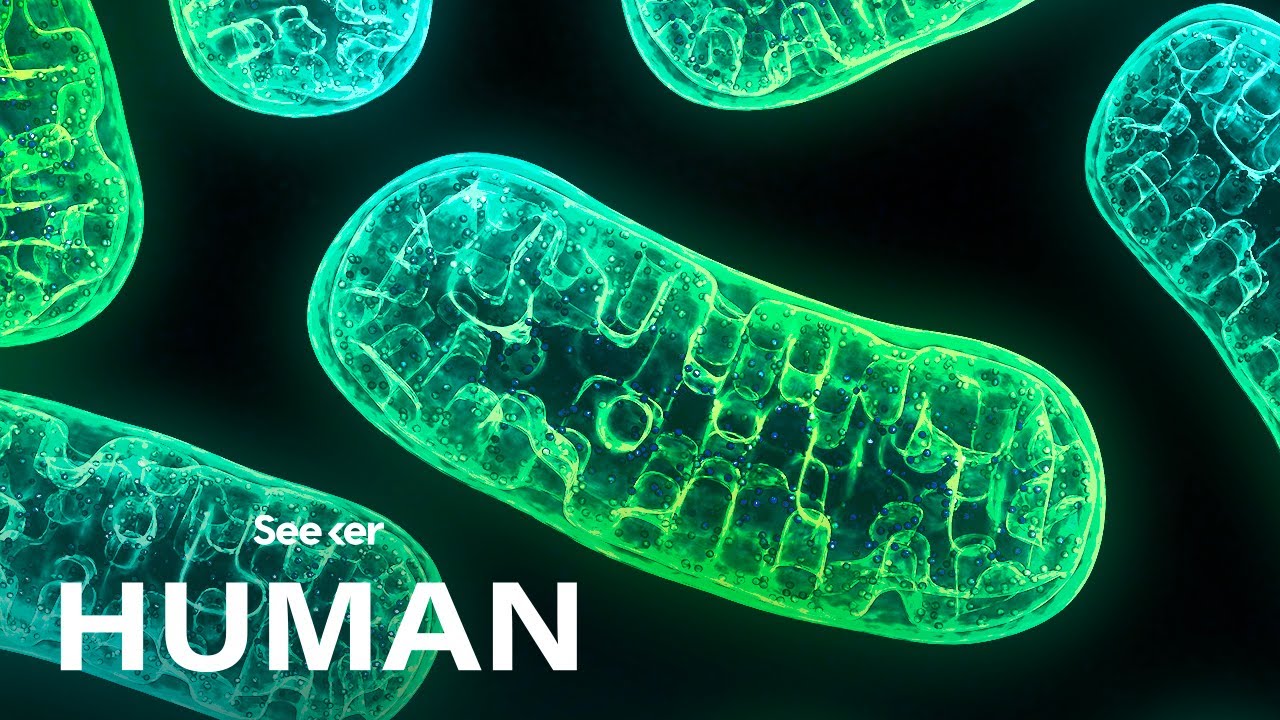
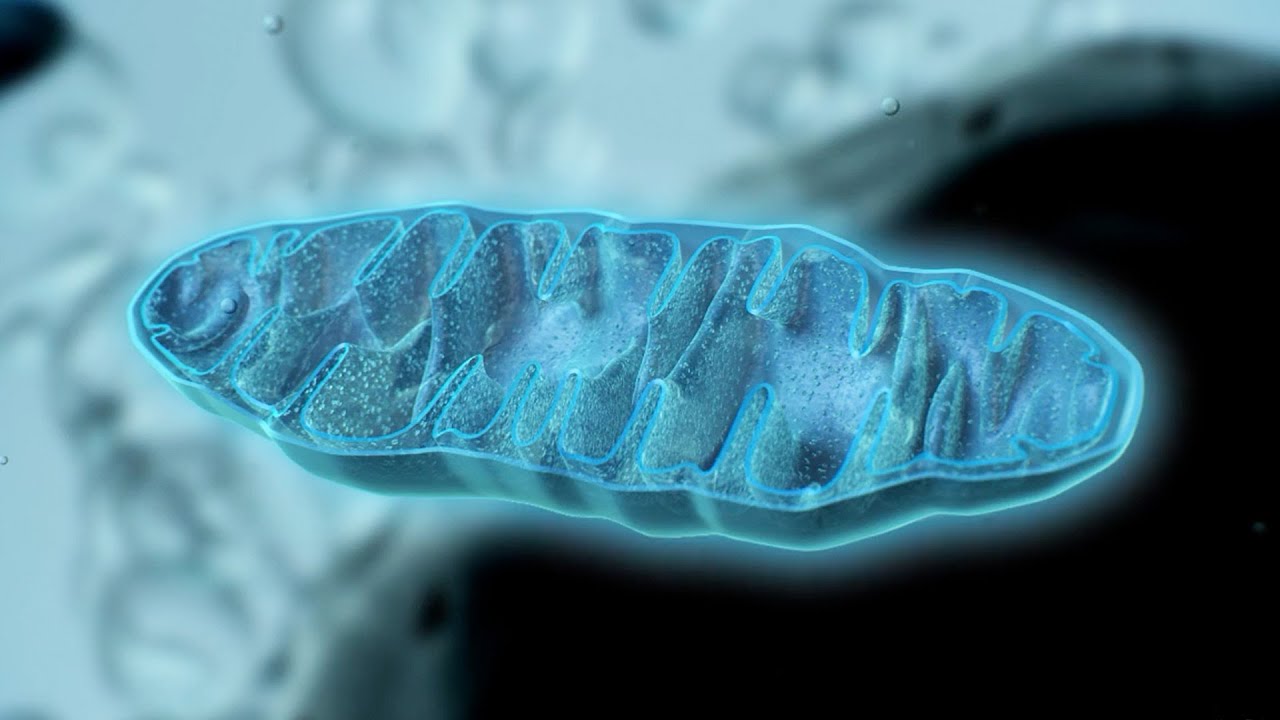
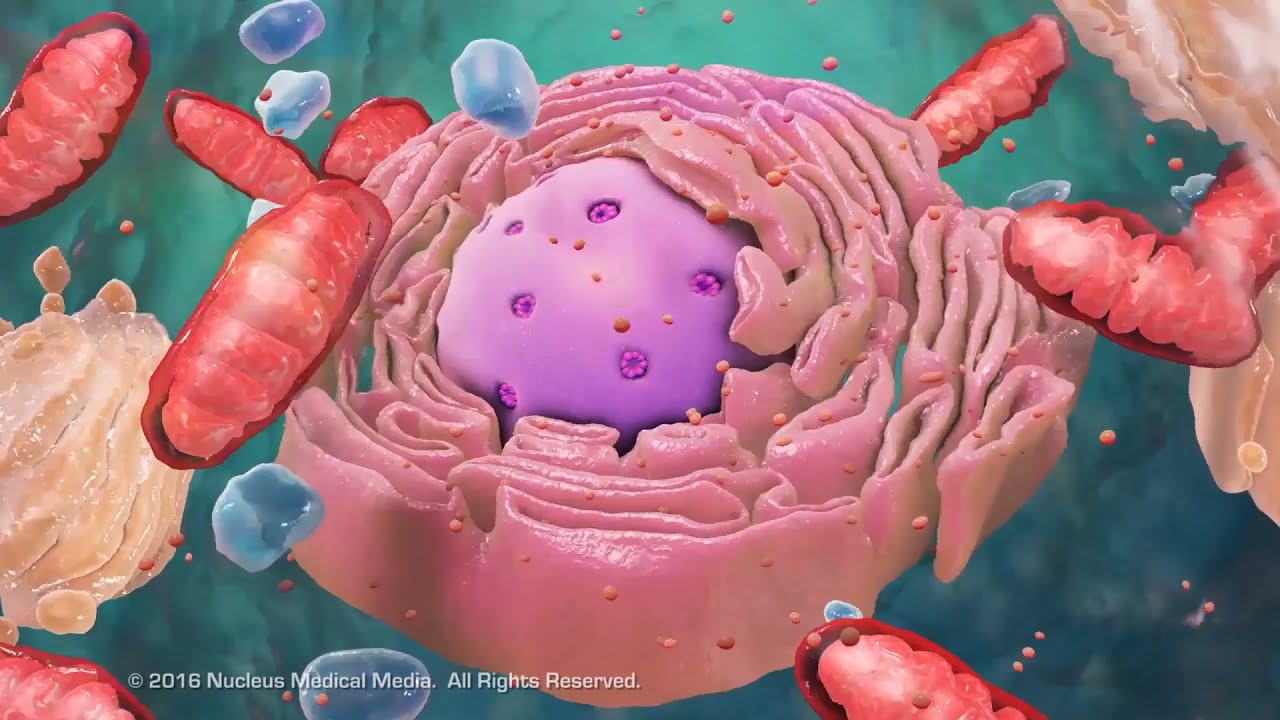
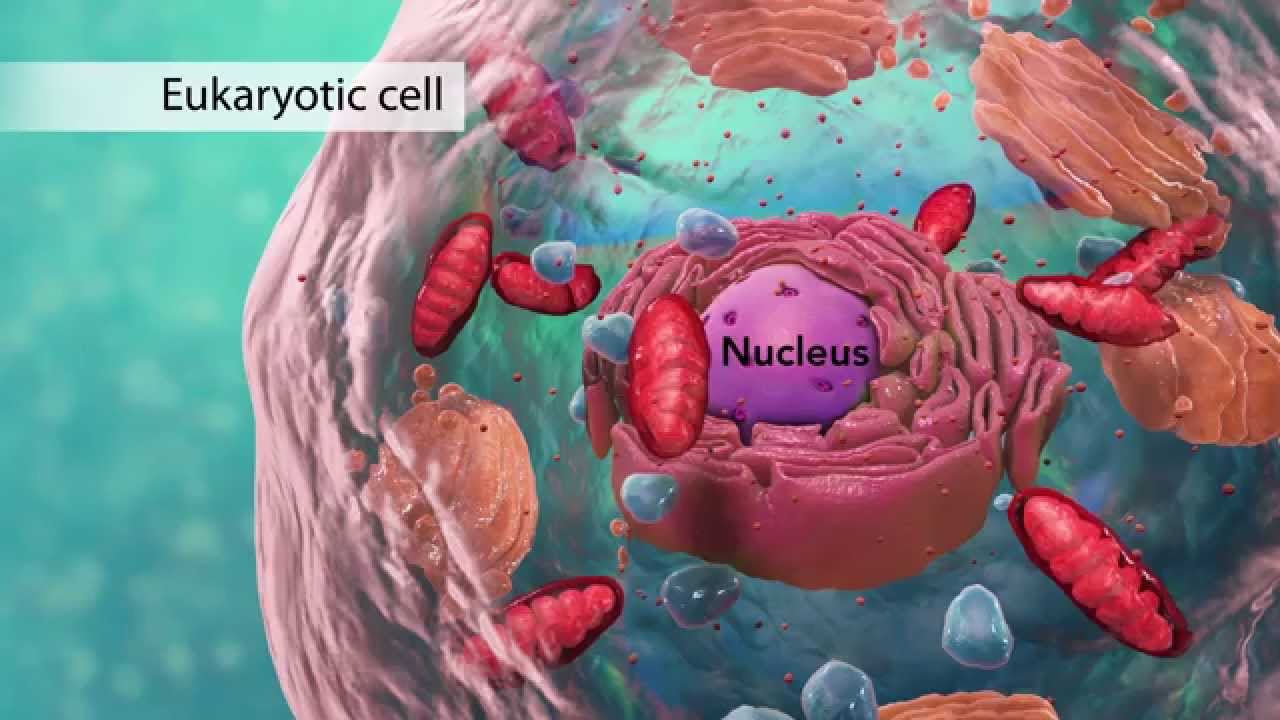
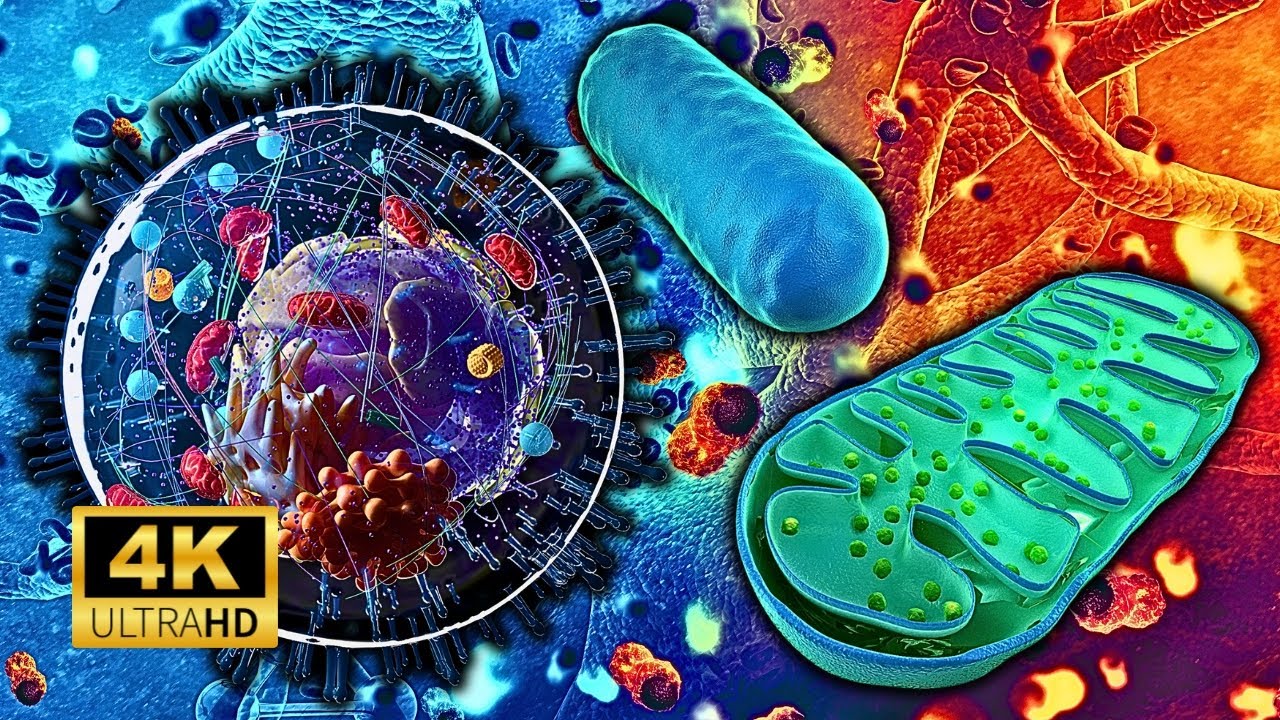
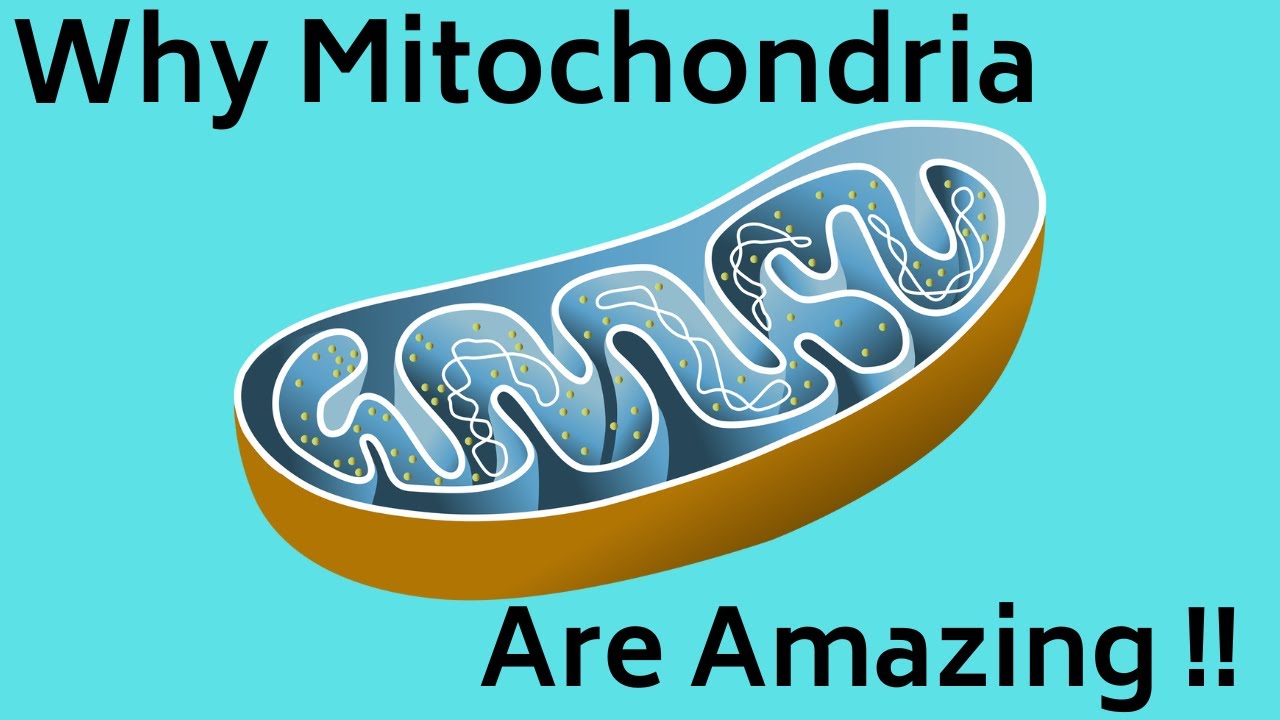
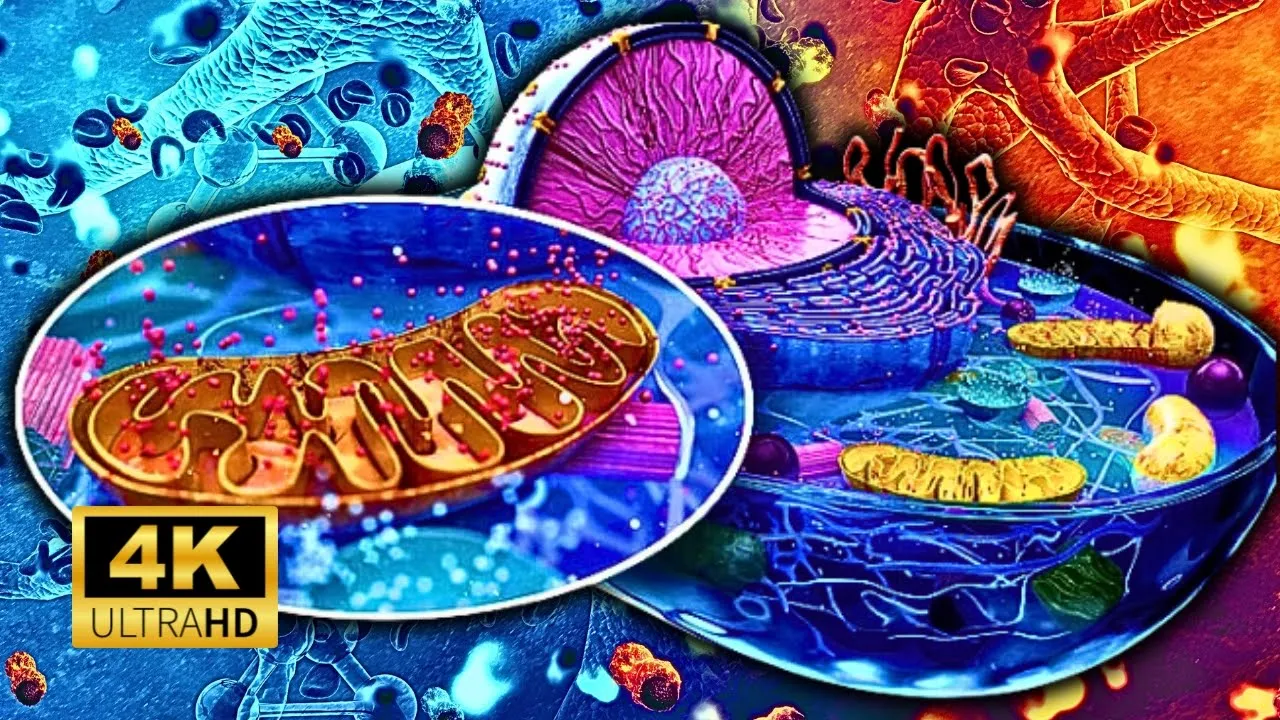
in this video we're going to explore the functions of the mitochondria mitochondria often referred to as the cellular powerhouses are membrane-bound organelles found in most eukaryotic cells these tiny structures play a vital role in cellular respiration the process that converts nutrients into usable energy let's uncover the mitochondria's primary function ATP production adenosine triphosphate serves as the energy currency of the cell through a series of intricate steps known as cellular respiration mitochondria produce ATP molecules providing energy to fuel cellular activities the process begins in the cytoplasm with glycolysis where glucose is broken down into pyruvate molecules
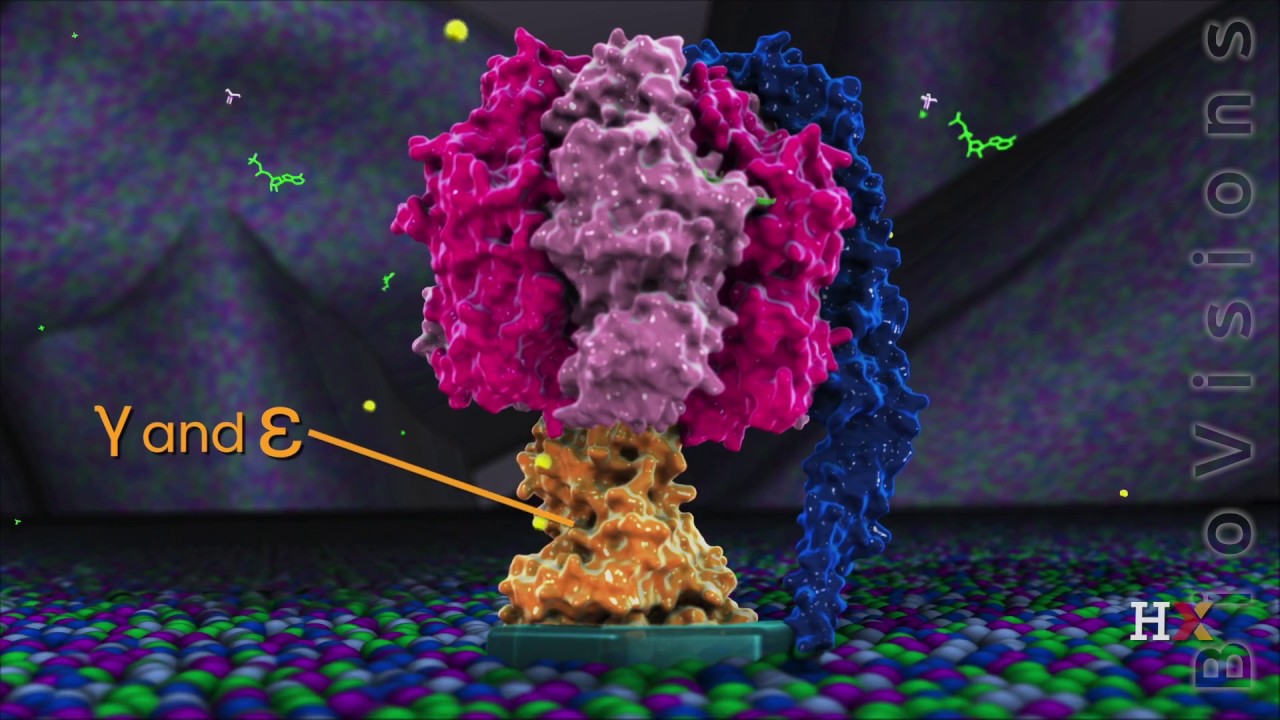
releasing a small amount of ATP pyruvate then enters the mitochondria where it undergoes further breakdown in the Krebs cycle this process generates carbon dioxide and high-energy electron carriers nadh and fadh2 the nadh and fadh2 produced during the Krebs cycle transfer their electrons to the electron transport chain located on the inner mitochondrial membrane as the electrons move through a series of protein complexes energy is released which is used to pump protons across the inner membrane the accumulation of protons on one side of the inner mitochondrial membrane creates an electrochemical gradient ATP synthase an enzyme complex harnesses
the energy from this gradient to convert a DPO into a TP although ATP production is the mitochondria's primary role they are involved in several other essential functions mitochondria help regulate calcium levels within the cell which is crucial for various cellular processes including muscle contraction and cell signaling mitochondria play a pivotal role in programmed cell death or apoptosis they release specific proteins that initiate a Cascade of events ultimately leading to cell death as in certain cells mitochondria generate heat to help maintain body temperature Brown adipose tissue abundant in mitochondria is responsible for this thermogenesis mitochondria are
also involved in maintaining the balance of reactive oxygen species such as superoxide and hydrogen peroxide while reactive oxygen species are natural byproducts of cellular respiration excessive amounts can be harmful mitochondria help neutralize and detoxify reactive oxygen species protecting the cell from oxidative damage mitochondria participate in the metabolism of various molecules Beyond glucose they can metabolize fatty acids amino acids and other organic compounds to generate energy through processes like beta oxidation and the citric acid cycle mitochondria in certain cells such as those in the adrenal glands and gonads are involved in the synthesis of steroid hormones
these hormones play crucial roles in regulating various physiological processes throughout the body mitochondria contribute to cell signaling by releasing signaling molecules including reactive oxygen species and calcium ions these molecules can communicate with other organelles and influence various cellular processes mitondria have their own DNA separate from the cell's nuclear DNA they possess mechanisms to repair DNA damage and maintain the Integrity of their genetic material impaired mitochondrial DNA repair can lead to mitochondrial dysfunction and contribute to various diseases mitochondria have been found to play a role in regulating the cell cycle specifically in controlling cell division and
cell growth they can influence the progression of the cell cycle by modulating the levels of specific signaling molecules involved in cell cycle checkpoints mitochondria help maintain metabolic homeostasis within the cell by coordinating energy production and nutrient utilization they sense changes in nutrient availability and adjust their activity accordingly to ensure the cell's energy needs are met efficiently mitochondria participate in various cellular signaling Pathways including those involved in inflammation immune responses and apoptosis they release signaling molecules and interact with other cellular components to influence these Pathways and contribute to overall cellular function as in certain specialized cells
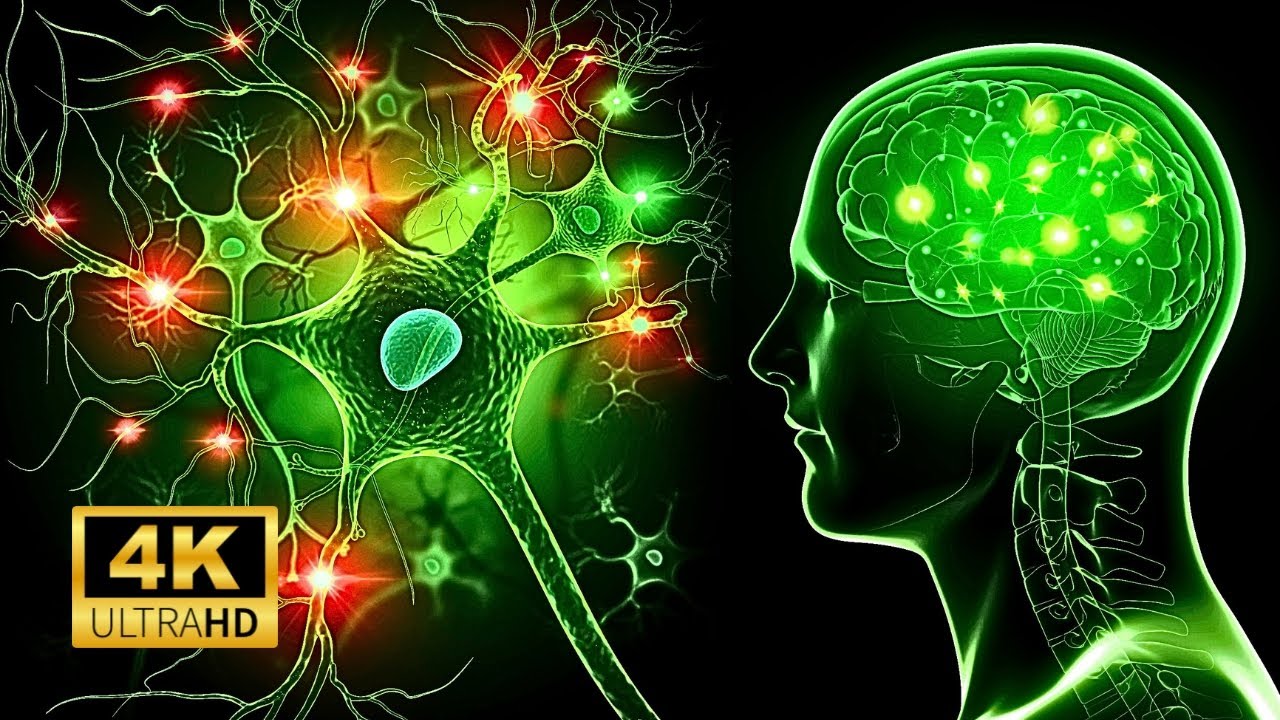
such as neurons mitochondria are involved in the regulation of neurotransmitters they participate in the synthesis storage and release of neurotransmitters which are crucial for communication between neurons and overall brain function mitochondria play a very important role in cell differentiation where undifferentiated cells become specialized cell types during development they contribute to the metabolic changes and energy requirements that accompany cell differentiation processes mitochondrial function has been closely linked to aging and Longevity the accumulation of mitochondrial DNA damage and oxidative stress over time can contribute to age-related decline researchers are studying ways to improve mitochondrial function to potentially
slow down the aging process mitochondria are capable of adapting to changes in environmental conditions such as fluctuations in nutrient availability or oxygen levels they can adjust their metabolic processes and energy production strategies to optimize cell survival under different conditions and there you have it functions of the mitochondria we will learn in detail about glycolysis Krebs cycle and electron transport chain in separate videos thank you for joining us on this educational trip see you in the next video