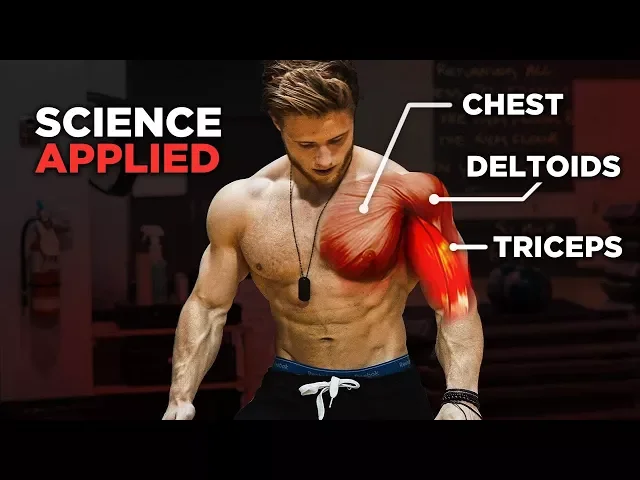
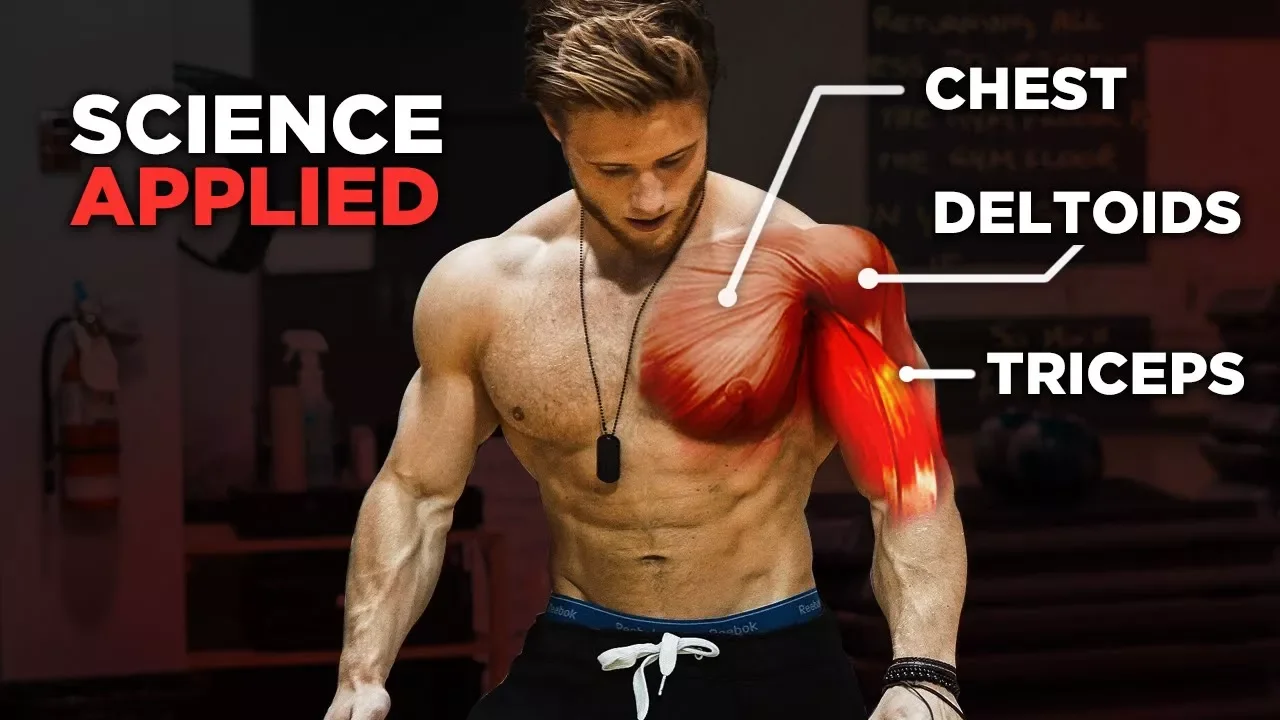
okay what is going on everyone I just want to welcome you all to the new science applied series here on my channel um and what I wanted to do with this series basically was borrow from all the scientific information and the theory that I laid out in the science Explain series um and present that in a more applicable form so that you guys can take it and run with it in the gym right away um so we're going to be kicking off the series with a push workout um so we're going to be hitting the
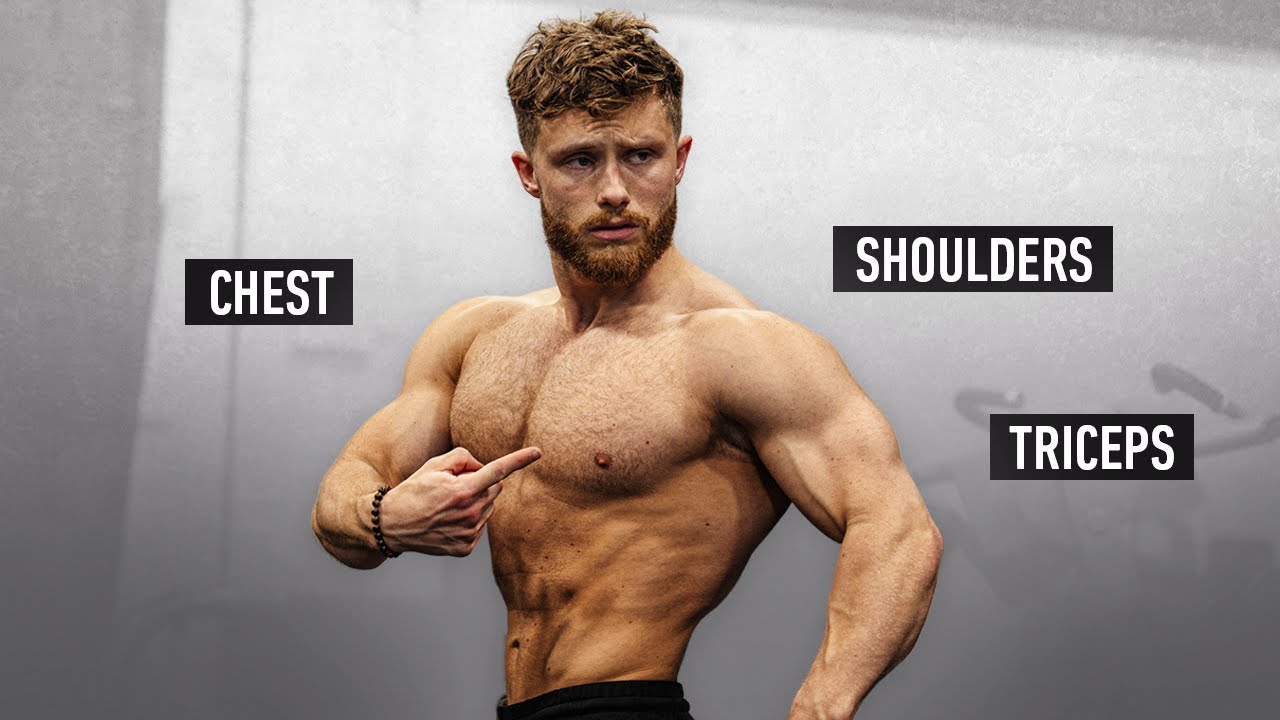
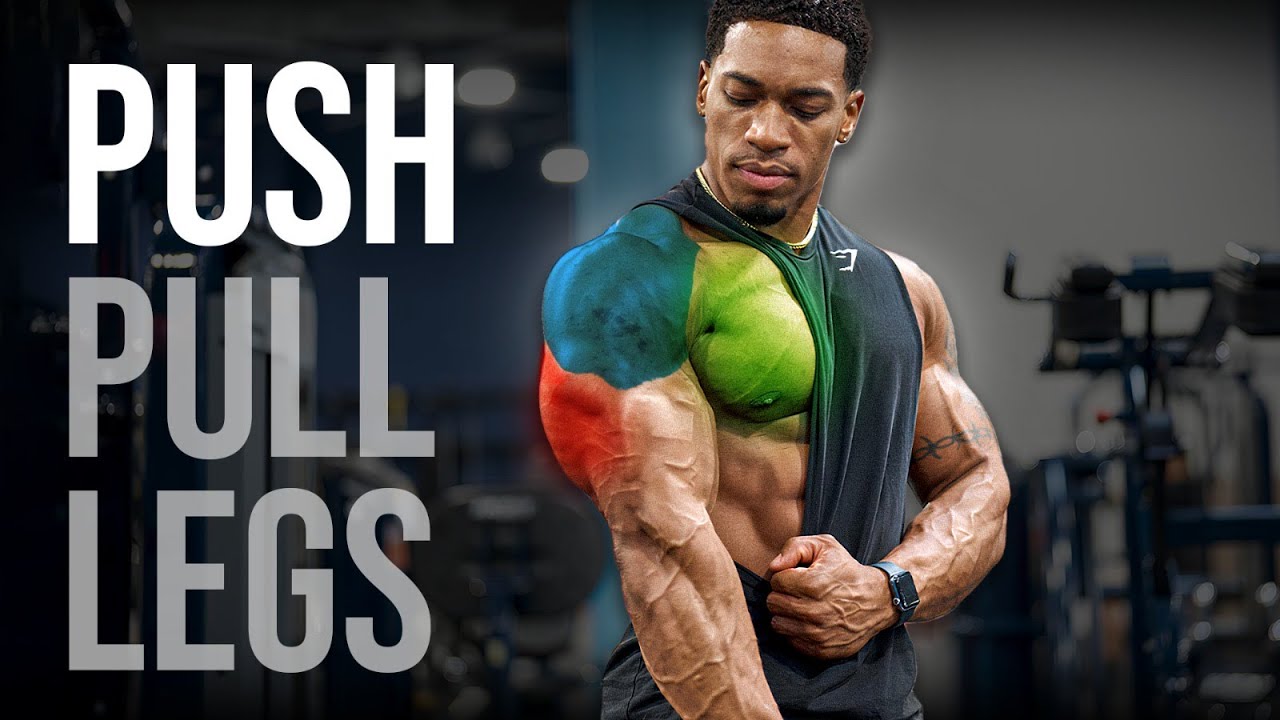
chest shoulders and triceps in this training session um and if you're not familiar with with a push pull leg split that would basically just look something like this um so we're going to get into it right away uh there's going to be a little bit more of a laid-back style for me um but still we're going to get through everything it's going to be all very data driven and I'm really excited about this series um so you guys can sit back uh relax take it all in and then let me know what you think if
you get a chance to run the workout for yourself um so let's dig right in with this push workout okay guys so we're kicking it off with the bench press and I think that if you are able to safely bench bench press than you should and I attribute a lot of My overall chest development to working up to a 370 lb paused bench press at 165 lbs body weight as an all-time PR and I've defended why I love the bench press in other videos uh but very quickly there are four main reasons why I really
favor the bench press as a main movement for the chest um so first and probably most importantly uh I think like almost any barbell compound movement uh it's very conducive to progress aggressive overload um so it's very easy to incrementally add weight or add reps over time with this exercise which will continue to drive growth over time um second it it really seems to be the case that guys with a big bench have big pecs and this has been shown in the scientific literature as well in 2014 aogan colleagues showed that one rep max strength
in the bench press was very tightly correlated with PEC major size now of course correlation doesn't imply causation but when we combine this data with data from oasa and colleagues which showed that even when the bench press was the only exercise included in the program pec muscle thickness increased almost perfectly in tandem with bench press strength I also think the bench press has the best carryover or transfer to other movements and as I see it if you have a very strong bench press you'll also be much stronger on say the dumbbell press or the machine
press um but it doesn't necessarily go the other way I don't think just because you have say a really strong machine press that doesn't mean you'll necessarily have a very strong bench press just because the ladder is so much more technique driven and finally I really like the bench press because it activates just a ton of muscle mass doesn't only hit the chest but also hits the delts and the triceps to quite large degrees and and I think that makes it perfect as sort of main heavy movement on a push day um so in terms
of execution I like to set up the bench press with a pretty big powerlifting style arch as you can see and contrary to somewhat popular opinion um this is isn't dangerous and it isn't cheating as long as your butt and your upper back stay planted on the bench and your feet stay planted on the floor and I think that even from a purely bodybuilding perspective using an arch like this is perfectly acceptable and the main argument I hear against this idea is that it effectively turns it into a decline press meaning it'll Target the lower
pecs too much um which is an idea supported by some EMG evidence however I think that the slight decline press if anything actually comes out on top as an overall PE Builder and this was shown in EMG data from bohack bear hens and busies where the decline press activated more upper and lower musculature now admittedly they weren't using relative loading here um so it's perfectly likely that the decline only showed more activation because more loads were being used uh but still I think that's sort of the point um overloading the pecs with heavier weights will
lead to a greater tensil stimulus for growth um and I think it's important to remember that there are no upper and lower chest muscles there's only the PEC there's just different regions of that muscle so as I see it for a main movement um a really important thing to consider is the question of how can we overload the muscle most effectively with heavy weight and for those of you without any specific strength or powerlifting specific goals I'd recommend going with a slightly more conservative Arch um so something like this which will still allow for a
safer shoulder position and allow you to get some leg drive and just move more weight overall uh as for grip position barnetta toal showed that for decline flat and incline presses a narrow grip elicited more clavicular or upper PEC Activation so if your goal is to isolate the upper fibers uh close grip bench is probably the way to go um however you want to keep in mind that you won't be able to handle as much weight with a close grip press um potentially meaning less of a tensol stimulus on the PC as a whole and
of course you know periodically you can vary your grip width and that would make a lot of practical sense um so say doing something like heavyweight wide grip presses on one push day and then doing lightweight close grip presses on the other day uh would be smart as for tucking or not tucking your elbows I think it's really common for bodybuilders to flare their elbows out it does make sense biomechanically to flare the elbows out more um but I don't don't do an extreme flare uh for a few reasons first I find that with the
barbell it tends to put my shoulder in more of a vulnerable position uh and I'm able to move more weight with a slight tuck um and more of a powerlifting style technique where you press up and back um so I think that somewhere in the middle between an extreme tuck and an extreme flare is probably the best for both safety and Effectiveness um so here with the bench press we're doing four sets of four to six reps with straight sets um so that basically means the weight is kept the same across all sets and you're
going to be leaving two to three reps in the tank so an RP of seven or eight and the goal will be to increase the Reps until you get to the top end of that four to six rep zone for all four sets and then you'll begin adding weight once you've maxed out the rep Zone um and it's a good idea to use a spotter if you can um so that you're not scared to push yourself with heavier and heavier weights while maintaining a good form of course okay so up next is the incline cable
fly and here unlike the bench press where we were trying to activate as much of the entire PEC as we could um while also getting in you know some shoulder work and some triceps work um here our goal is to isolate the chest test as much as possible and focus in particular on activating the clavicular head or the upper pecs um I think that for most people an incline of roughly 45° will optimize upper PEC involvement um and this was shown by trebs and colleagues back in 2010 uh where they found that a 44° angle
was slightly better than higher or lower bench angles at activating the upper pecs and because of the complaint that range of motion is going to be limited with the arched bench press technique uh here we're going to compensate by extending the range of motion and going past where you'd normally stop and actually Cross Your Hands over um you'll find that this is really going to shorten the PEC fibers and you should feel a really strong contraction when doing these especially in the the medial or the inner part of your pecs and here we're doing cables
uh because you just have a much more consistent tension on the pecs uh much more than you would say with a dumbbell where the circular resistance path is going to cause Peak tension uh to occur at the bottom which is great for stretching the pecs um but has virtually no tension at the top of the range of motion um so for this exercise I think under most circumstances cables are the way to go so up next is our first true proper shoulder movement and like I've alluded to a few times already uh the horizontal bench
press is actually very effective at activating the delts especially the front delts um however as shown by button and colleagues a vertical shoulder press was the number one exercise out of the eight that they tested including the bench press um for activating the front delts and uh not only that the vertical shoulder press also significantly outperformed the flat bench press for lateral delts granted isolation exercises tended to come out on top here um but we're going to get to those next um also in 2015 seder back and Nal showed that out of the standing and
seated barbell presses and the standing and seated dumbbell presses the standing dumbbell press came out on top for side delt activation and it also saw the most EMG activation for the anterior and posterior delts as well um so even though I wouldn't necessarily say this variation is always better uh for one thing you you definitely won't be able to go as heavy um but given that we already have our heavy press for the day taken care of with the bench press I think it makes sense to go with a press that will optimize activation while
increasing involvement of the side delts with this movement and speaking of side delts uh up next was the Egyptian lateral Ray um so here we're leaning away into the direction of the Rays uh which is based on some evidence from MC Mahan and colleagues back in 1995 which suggested that the side deltoid becomes more involved as you near the top end of the range of motion whereas the rotator cuff tends to do more work near the bottom end of the range um so by leaning away you basically put the arm at about 15 to 30°
of abduction from the very beginning uh taking further emphasis away from the rotator cuff and onto the side delt and doing these between the legs is actually pretty helpful because it allows you to perform the motion almost entirely in the scapular plane meaning the line of pull will be directly in line with the orientation of the side delt fibers which puts them in an ideal lifting position for generating maximum tension okay so to round out all of the pushing muscles we're going to hit some triceps through some tricep isolation or some elbow extension work and
of course both the the bench press and the standing dumbbell press will Target the triceps to a very large degree um so I wouldn't say that assistance tricep work is required for progress or required for growth um but it does come very very highly recommended when it comes to optimizing progress or optimizing growth and I'll just defer to my arm science explain video here uh if you want some more detail um but in short I think you want to structure your workouts where you'll have one exercise like a press down where your arms are more
down at your sides and this will Target more of the lateral or the outside head and you want to have one movement where your arms are more up overhead to Target more the long or the inner head of the triceps and for this workout you can just pick one of these two movements and then in your other weekly push workout uh you can do the other one um or if you find your triceps are are really lagging then you can do both of them in the same workout uh just to get your triceps volume for
the week a little bit higher for these movements we're doing four sets of 12 to 15 reps and then finally to finish things off uh we're going to be doing two sets of a 60-second flat dumbbell hold using roughly 40% of your your typical working weight uh say for a set of four to six and this is a technique included in my chest HP py program but the basic idea here is to combine both a high degree of metabolic stress through the long set duration uh with also a very high degree of stretch at the
bottom at the same time and while experts disagree about uh their respective roles in terms of hypertrophy uh I think that both stretch and stress uh occupy some piece of of the whole puzzle and this movement also allows for a sort of Novel means of applying Progressive overload um so rather than focusing on increasing the Reps or increasing the weight uh here we're going to be focusing on increasing time under tension uh from week to week uh so if in week one you do a 60-second hold uh the next week you'll try to add say
5 or 10 seconds with the same weight and finally to finish out the workout uh you can optionally add in three sets of 20 reps on face PS and while this wouldn't uh strictly classify as a push movement I do like to include it um just to help with some postural support and to prevent overdevelopment of the anterior musculature and just for a more balanced I guess upright uh symmetrical uh of a look and of course you can always do this work on your pull days however I prefer to do it on my push days
just to be a little bit more proactive and make sure that I'm making uh my balancing out my push work with uh sufficient pull work uh a priority all right so guys that's going to wrap up the first episode of the science applied series I hope you guys really liked it um I decided for the viewers of this first episode uh I'd run a onewe sale on my chest and shoulder hypertrophy programs um so those are two uh push focused programs that you can run through um I wouldn't necessarily recommend running them through both at
the same time but you could say run the chest one for 8 weeks and then the shoulder one uh after that for another 8 weeks um so I'm going to be putting these at 30% off uh for the first week after this video goes live um and if you want to uh get that 30% off discount uh just use the code science applied uh so that's just all one word science applied um at checkout and you'll save 30% and that b basically will knock these programs down to about 15 bucks each um so if you
were thinking about getting them uh now might be a good time to do so um and that's going to wrap this one up guys uh so thank you so much for watching if you like the video please leave me a thumbs up uh don't forget to subscribe if you happen to be new to the channel and I will see you guys all here in the next video