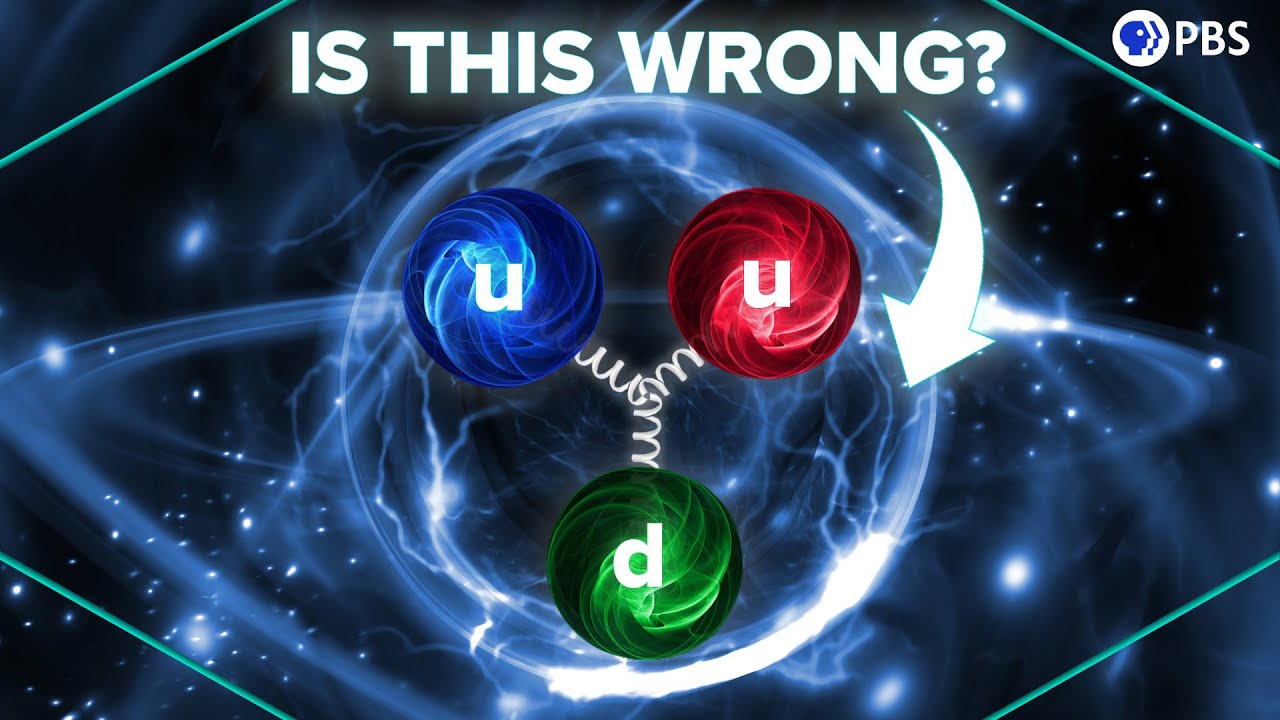
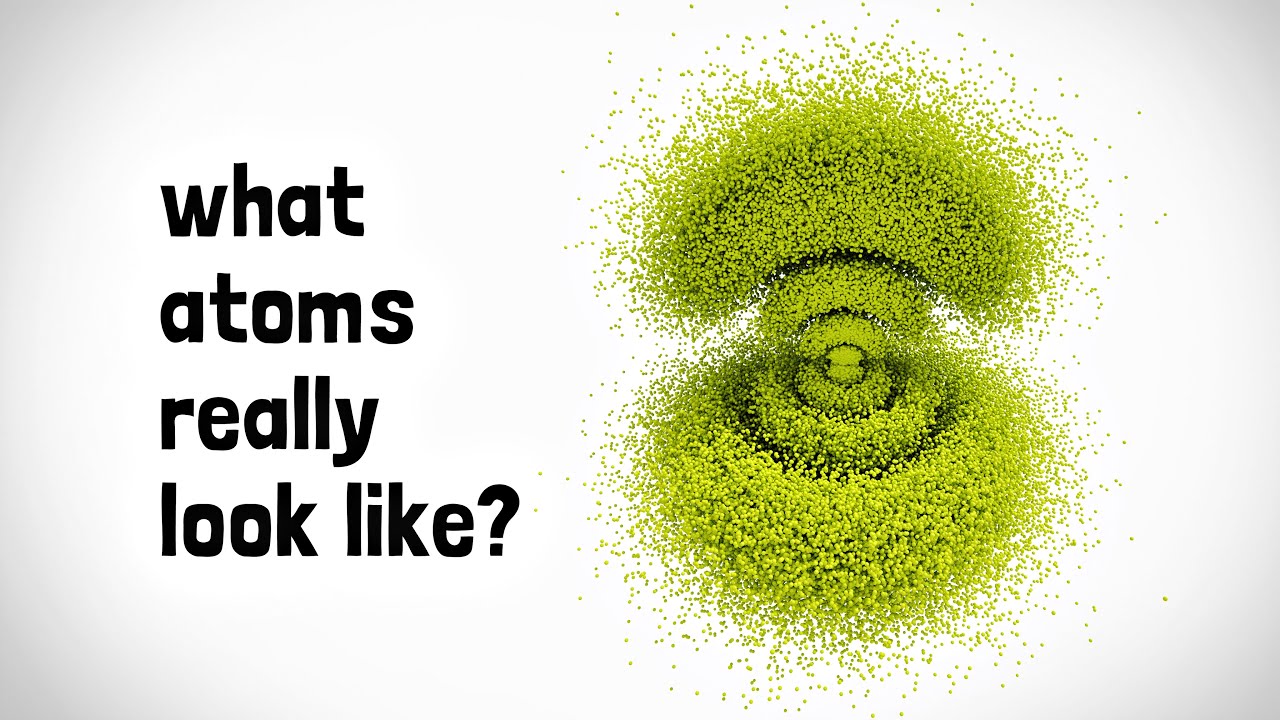
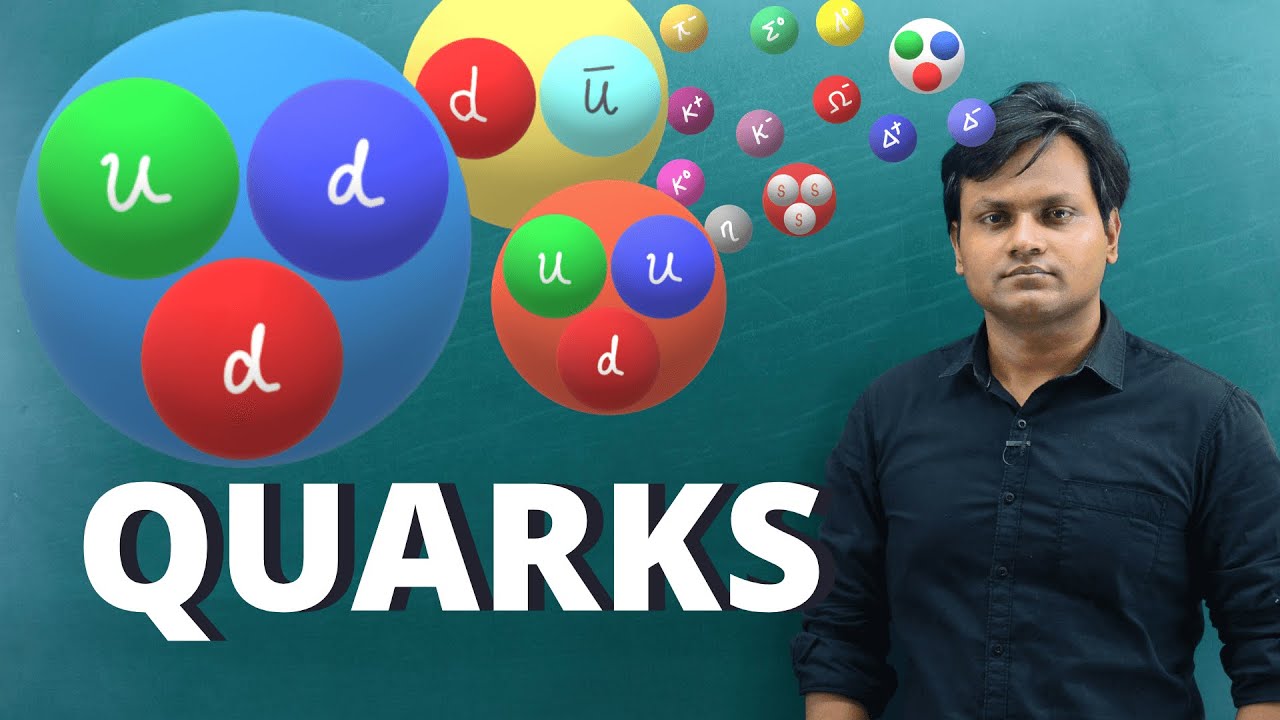
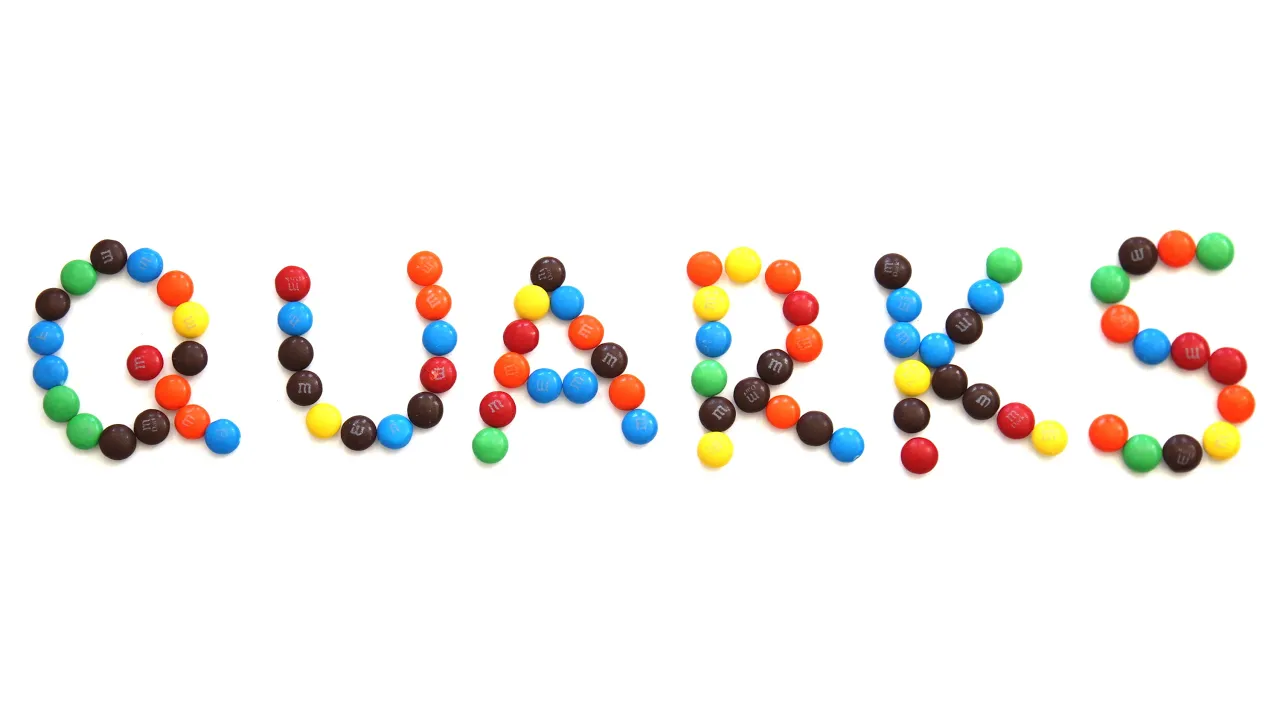
when you're a kid you're told that all the stuff around you is made of atoms and that atoms are made of protons and neutrons and electrons and if you're lucky you're told what protons and neutrons are made of they're made of three quirks each but if they're both made of quirks how are protons and neutrons different you're not usually told this as a kid and you're not usually told what quarks are and why they're called quarks when they're clearly spelled quarks so protons are made out of three quarks that's the first lie you're told protons
are not that simple at any given time the proton will have two up quarks with charge plus 2/3 and a down Quark with charge minus A3 which of course all add up to positive one because that's the charge of the proton these three quirks are known as veence quirks and they're definitely there but the proton could have an additional up Quark anti-up Quark pair an anti- Quark is the anti-particle of a quark and it could have other types of quarks pairs of strange quarks and anti-st strange quarks charm quarks and anti- charm quarks in fact
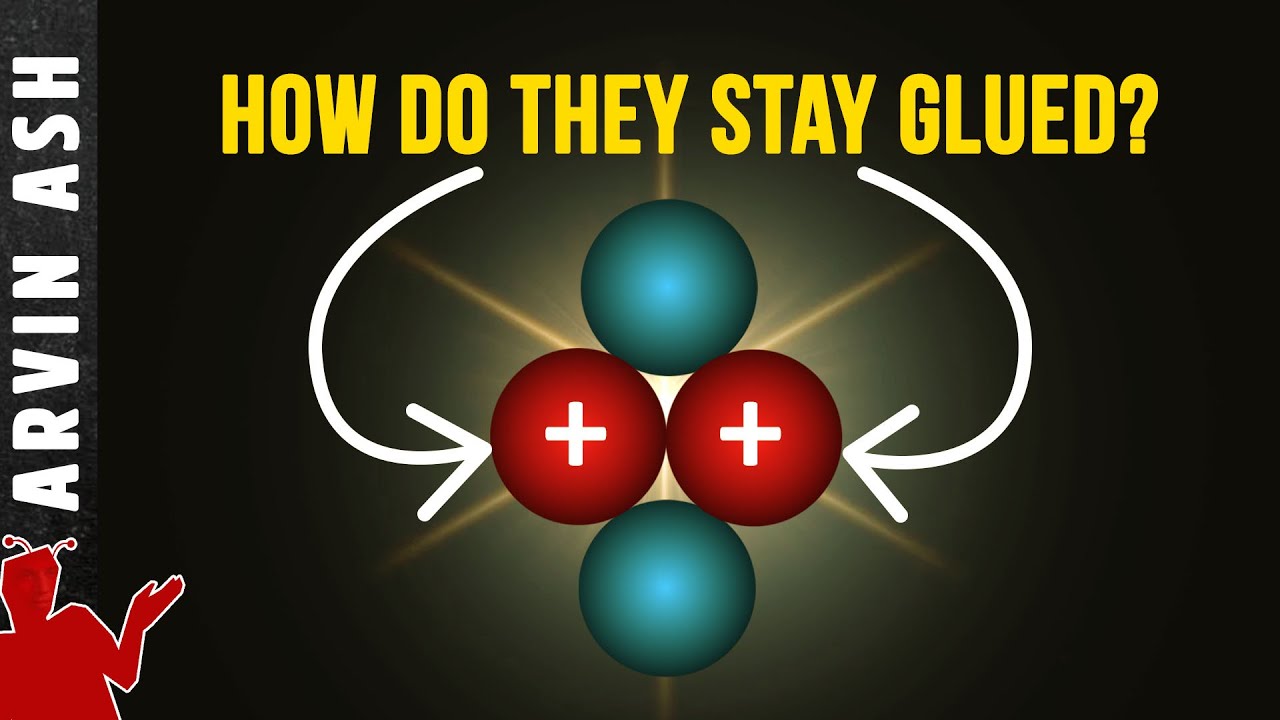
the proton likely has tons of Quark anti- Quark pairs but there's more the quirks are held together by the strong force which is carried by particles called gluons so inside the proton there are zillions of gluons and quarks all zooming around close to the speed of light and colliding and annihilating and new ones are forming and it's a crazy raging party such as the quantum World in a proton wouldn't that violate some kind of conservation law if particles just appeared in the proton quarks can and do just appear and disappear but not out of nothing
Einstein's famous equation eal mc^2 means that Mass can turn into a lot of energy or a lot of energy can turn into mass in fact the quirks that comprise the proton only make up 1 per of the total mass of that proton that's like saying I drop some quarters in a bag and suddenly it weighs 10 lb there is a lot of energy in all the motion of those crazy partying particles particles and there's energy in the gluon field all of this energy contributes to the mass of the proton eal mc^2 all we need to
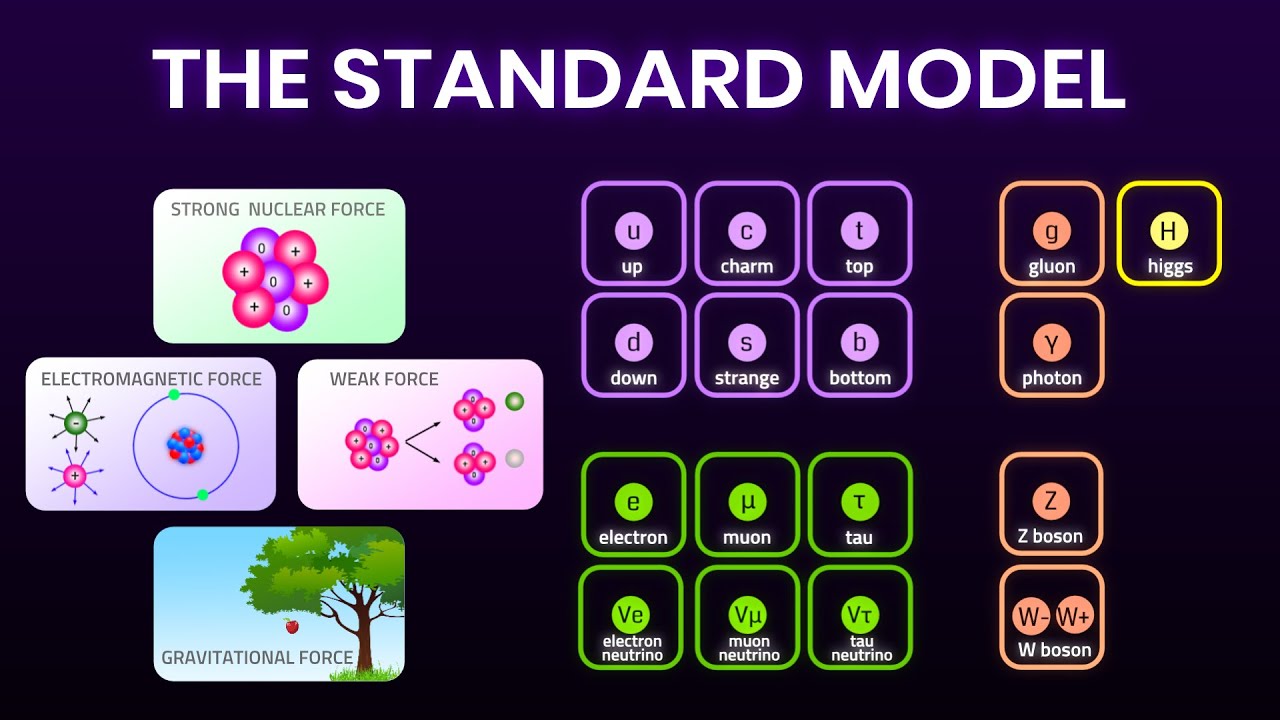
conserve is the total mass energy of the proton and nothing is violated as Quark antiquark pairs pop in and out of existence but there are a few other constraints the total number of up quirks must be two more than the anti-up quarks and there must be one more down Quark than anti- down quirks so that the veence quarks come to a total of three and the Quark antiquark pairs of other types Must ALL cancel out like the top quark and the charm quark and the strange quark and the bottom quk when quk pairs spontaneously appear
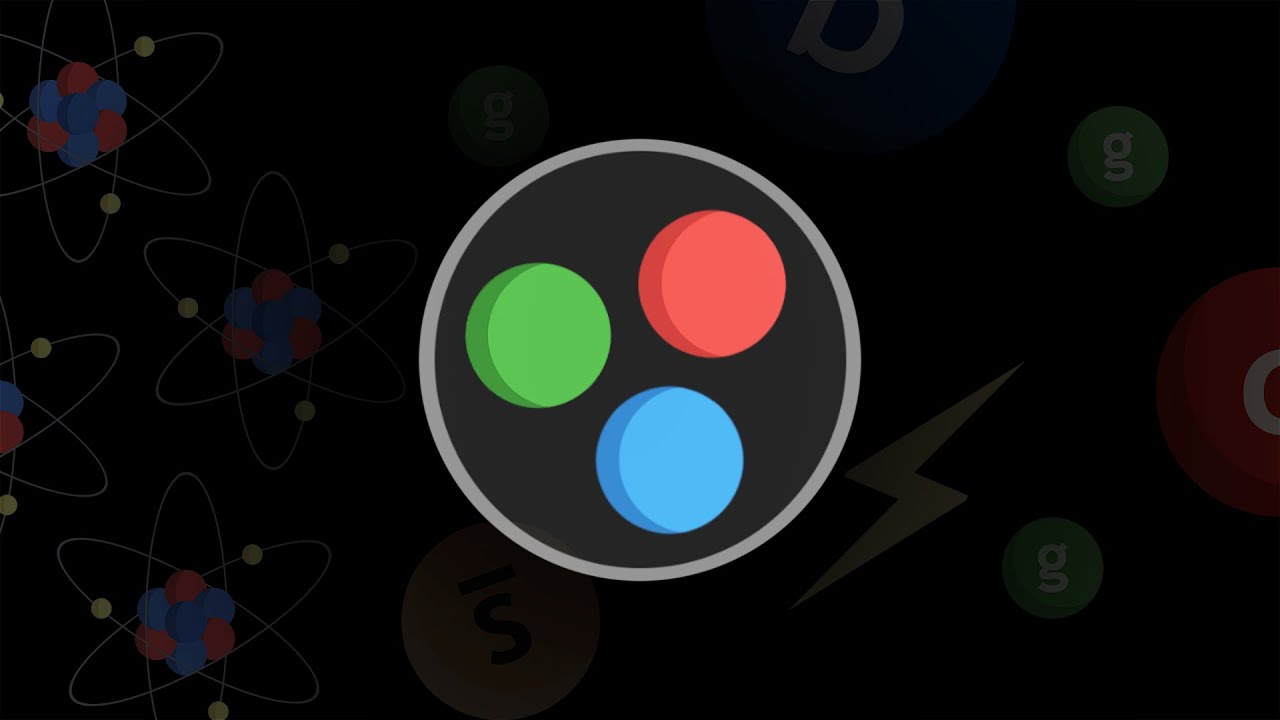
in the proton other properties must be conserved as well like charge so if a quark with charge positive 2/3 appears its partner must have charge NE - 2/3 and the spin of the particles must be opposite and the colorlessness of the proton must be conserved this is cool quarks all have color except it's not like real color color in quirks is a type of charge like the electric charge except instead of the electromagnetic force it corresponds to the strong force quarks can be red green and blue like the three primary colors of light and when
you mix those colors you get white light so when I said that protons are colorless that means that their three veilance quirks must be red blue and green so clever the quirks can change color but the overall color has to stay white it turns out that the anti- quork has the opposite color so that would be like anti- red which cancels out red but I think the most amazing thing about quirks is that we know all of this about them without ever directly detecting one in fact you can never detect just one because they're never
found alone the more you separate the quarks the more energy you have to put in to pull the quarks apart and as you do so you eventually put in enough energy to make up the mass of two new quarks that can then bind to the original two so next time you're told there are three quarks in a proton mmm there are three veence quirks and a sea of other quirks too many to count impossible to count no really we can't like take a snapshot now if you want to find out more about quirks check out
my blog post here on 10 quirky facts about quirks and if you want to find out how big a quark is and how we image tiny things like protons and quarks check out my video on the smallest things in the universe thanks for watching [Music] [Music]