U. S. stocks have continued to show their exceptionalism.
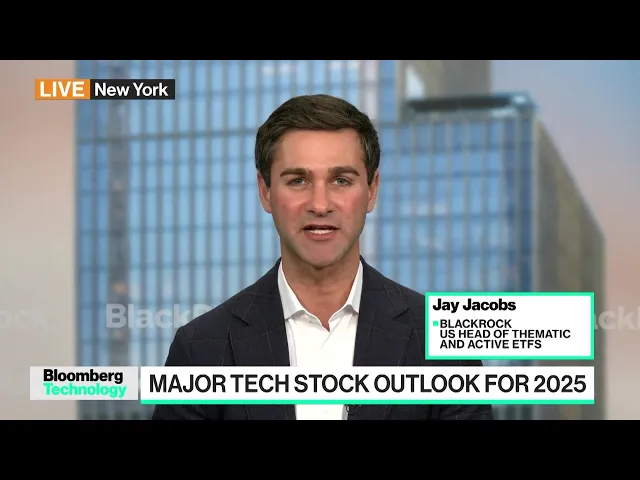
We've had record highs yesterday amid global turmoil. What do you make of that? Well, actually, the tech sector in the United States is one of the most geopolitically exposed sectors out there.
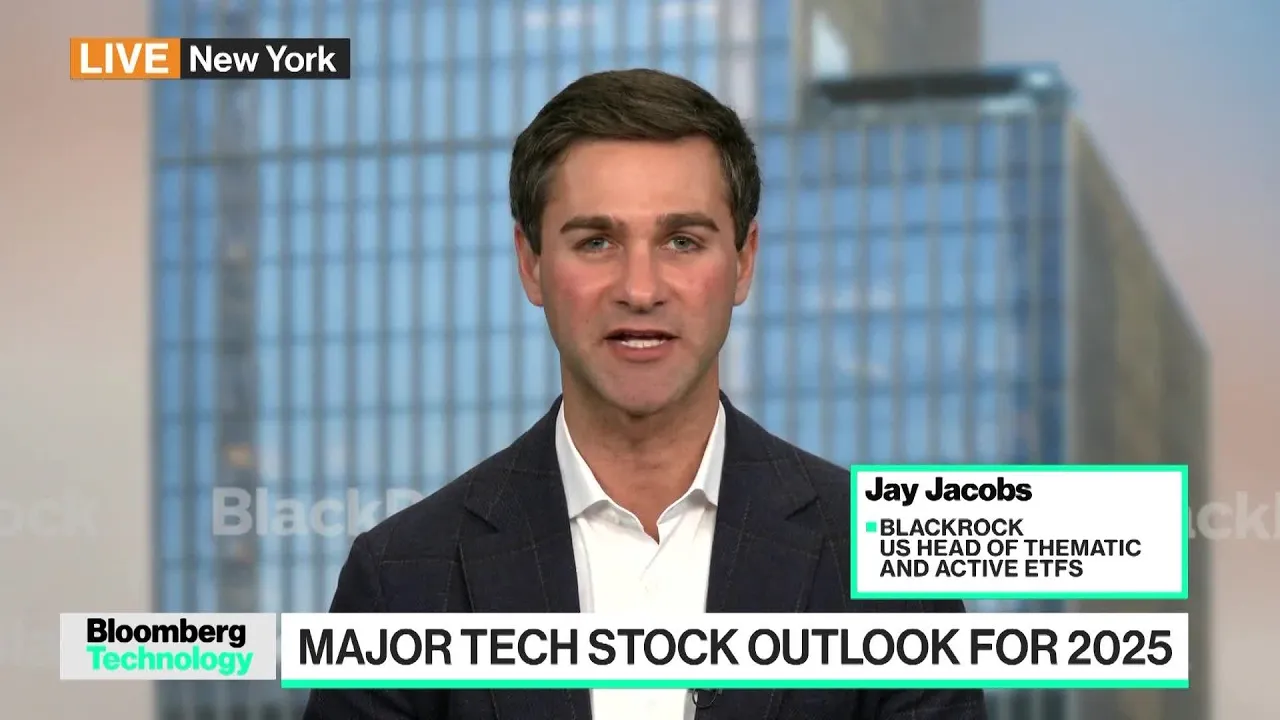
About 60% of the revenue of tech comes from overseas. So one of the ways that we've been looking about geopolitical fragmentation is can you really tilt your exposures within the tech sector to companies that buy in the United States, build in the US, sell in the United States, really to try to isolate some of that geopolitical risk that I think is very present in the tech sector in particular. Why would that end up leading you?
Which companies? I mean, first and foremost, you might think, well, those that are benefiting from the chips that you've been building here in the United States. But then Intel hasn't exactly been having the best of times of it.
Well, it's it's coming from a range of companies just kind of across different industries within technology. I mean, I think if we look at artificial intelligence, we see that a lot of the leadership is with US based companies. For example, you could look specifically at data centers and power companies as being really important parts of the ecosystem, but are very localized to the United States.
So you're getting some of that isolation from geopolitics. We even brought out an entire fund based off of the strategy I Etsy, which is really looking at the tech sector but tilting towards those US kind of very domestic focused companies to isolate geopolitical risk. That's really interesting.
The infrastructure buildout is one that many have turned to other than just thinking, okay, in video chips and shovels, we then think about the next layer down the energy, the companies. How many people are asking you, well, what about application layers? What about the next frontier of A.
I. ? That's really where a lot of the conversations are going.
I think, you know, if we look at the last two years, it's been a huge focus on the Magnificent Seven and it's been a really concentrated rally within artificial intelligence. We think as we enter the third year of what we're really calling the build phase of artificial intelligence, this is when the markets are going to recognize that this is something much bigger, that's going to impact a wider range of technology stocks, a wider range of semiconductor stocks, the power stocks. It could even impact cybersecurity stocks as data gets more valuable and needs to be protected.
And you can even look at adjacent industries and financial services and health care where I can really create more productivity and efficiency. So I think we're going to see a transition in 2025 to really a broadening of that artificial intelligence story. How much of the stories started to pick up back in crypto for you as well, Jake?
Well, it's significant. You know, of course, Bitcoin passing 100,000 is is a significant milestone. But really, you have to take a step back and look at the broader picture of why is this happening?
You know, I think there's certainly some anticipation of more friendly regulatory tailwinds. But also in your previous segment, you were just highlighting some of the geopolitical risk around the world, in Europe, in Asia, and in a lot of ways, professional managers, which are really just starting to access digital assets for the first time with our launch of I bet our Bitcoin ETP are thinking about it as a hedge in their portfolio. This thing behaves very differently from stocks and bonds, and if you see more geopolitical risk, Bitcoin could really benefit.
What's interesting about your role is not only are you thinking about strategy or leadership clients, but you're also thinking about the international ETF offering as well. And I'm just interested about whether anyone is betting on outside of the US. It's they are but in more targeted ways where we've seen some really significant flows in the past year, specifically looking at India as really a play on changing supply chains, particularly if you look at a lot of the reshoring that's happening in the United States.
There's been an effort to build more here domestically, but also to diversify supply chains geographically in India has been a major beneficiary, just like we have a chip sector in the United States. They've been focused on building out more chip capacity as well, as well as building out more tech manufacturing. So India has been a big beneficiary.
Mexico as well. As you look at near shoring and the interplay of growing trade relations between the U. S.
and Mexico.