few things have inspired the human imagination more than the many bodies of water that surround dry land from the vastness of the ocean to the most humble Mountain Pond humans are captivated by water the same can be said about its inhabitants though the Denison of the deep are alien and formed to us humans have obsessed over them for tens of thousands of years it is undeniable that we are instinctually attracted to not only water but the resources that lie below its surface aquatic resources have been harvested since the dawn of our genus even over a
million years before our genus australopithecines occupied Shores and shell and fish remains have been found in their sites the earliest evidence of our genus feeding upon aquatic resources comes from a site dated to 1.95 million years ago in East turana Kenya here early hominins processed various animals including catfish Turtles and the foot of a crocodile the site contains animal remains with butcher marks as well as Stone flakes used to do the cutting the culprit predated the appearance of homo erectus and was likely hais the animals were likely simply captured by hand though the crocodile foot
was likely scavenged this evidence is significant because Turtles crocodiles and fish are all rich sources of specific nutrients needed for brain development the incorporation of aquatic animals before the appearance of erectus could have played an important role in the development of larger brains most oldawan age sites only have freshwater fish and over 80% of them were catfish a fish that is easier to catch by hand than most during droughts or the dry season when water levels decreased these fish would become significantly easier to catch it is also possible that simple wooden Spears were used to
impale fish early on in human evolution though no evidence is available from this time the earliest evidence for spear fishing comes from an 800,000 Yee old site from old ofo Gorge Tanzania here a bone tool was found with three curved barbs and a carved tip the bone point was likely never completed and shows no signs of halting it cannot said for certain that it was intended to be used to spear fish but its design is similar to other spear fishing devices this discovery changes some Notions about the capability of homo erectus to work bone in
complex ways this early on Homo rectus lived all over the old world and Aquatic resources were found at many of their sites particularly in Southeast Asia where they exploited freshwater Shellfish a shelf from tranel Indonesia dating back between 540 and 450,000 years ago was actually engraved by erectus these geometric patterns are the earliest known from any homin the presence of Engravings on a shellfish obviously mean they were interacting with these animals but they may have also valued their shells it is easy to imagine why hominins from around the world often ate these animals easy to
catch and extremely nourishing as the piscine marched on and Homo hyle bensis appeared throughout Africa and Eurasia aquatic resource use appears to have slowed down this is likely due to the more specialized big game hunting diet of H highle bensis though many sites from this period are near salt and fresh water aquatic resources were generally used less the same is not true for Southeast Asia where late surviving homoerectus populations continue to exploit aquatic environment as middle Pline humans transitioned into early modern humans neander tals and East Asian forms the use of aquatic resources increases the
site of hawen in England has preserved the remains of freshwater fish Beaver otter and water fowl along with a number of clactonian artifacts the site dates back between 350 and 300,000 years ago this was during a warm interglacial period the hominins in question would be either late idle pinus or early neander tals likely a transitional form the emergence of both true neander tal and early modern humans would see a large increase in aquatic resource consumption though neandertals are usually portrayed as great Mammoth Hunters they exploited Marine Resources to a similar degree as our early ancestors
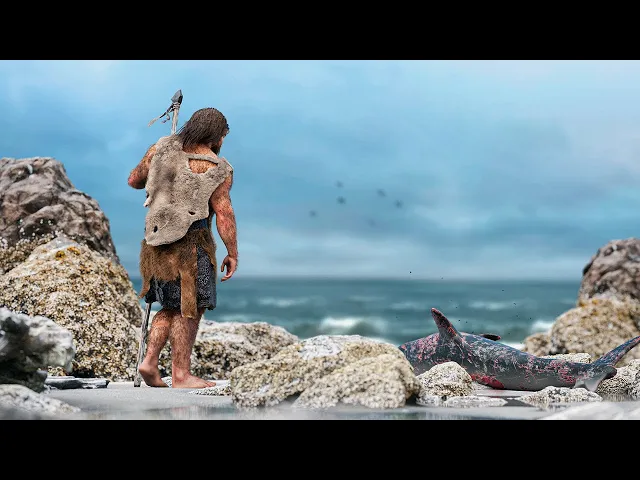
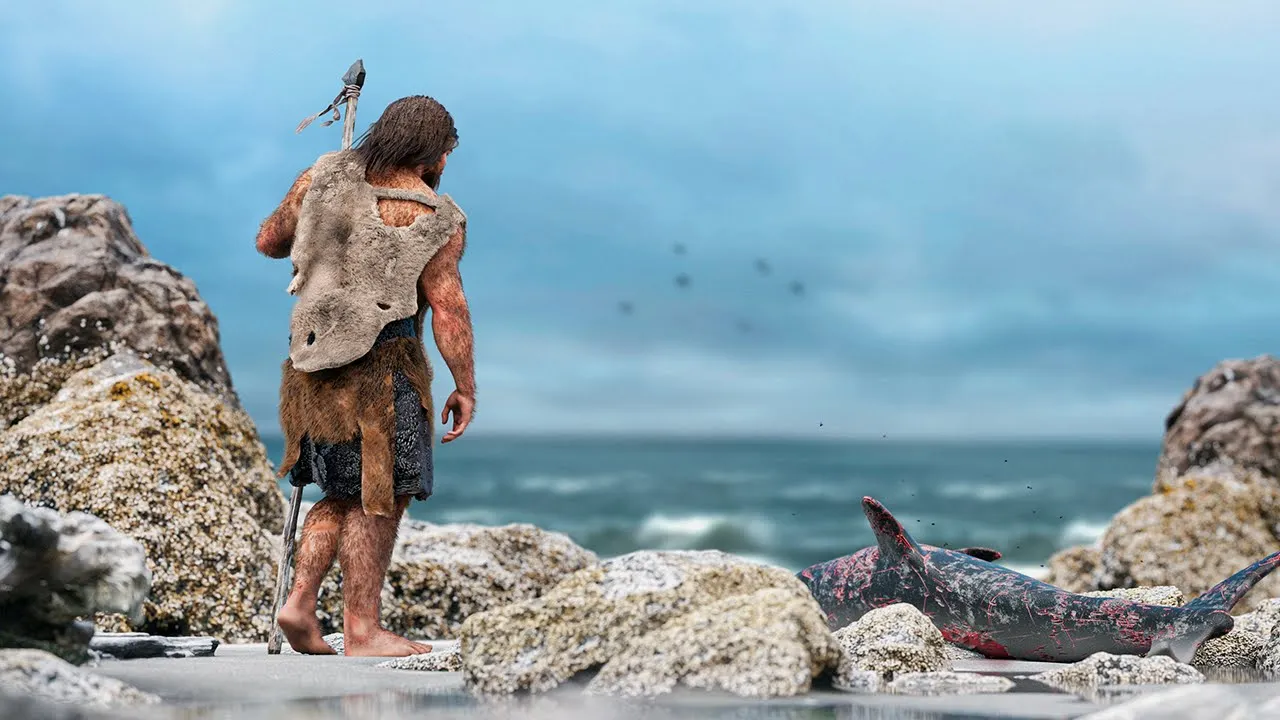
neandertals particularly in southern Europe ate all kinds of marine life crabs clams seals many species of fish dolphins and seabirds were all enjoyed at fua Brava Portugal almost 800 shells of multiple species were found this cave also preserved the remains of marine mammals with butcher marks the remains of monk seal a ringed seal and two different bottl no dolphins have been found how these animals were acquired is a mystery it is likely that they were simply scavenged but other possibilities do exist seals could have been killed in Shallow Waters or while lounging on the shore
but Dolphins would have been harder to encounter a beach dolphin would have been easy prey and of course washed up carcasses could have been scavenged it is also possible that they were hunted near the shore with Spears no hooks are known from neander tal remains and neither are weights that could have been used for fishing nets fishing methods would have likely consisted of hand and spear fishing however bony growths on theander tal skulls may suggest something else surfer's ear is a condition where the ear canal begins to grow bony protrusions in response to exposure to
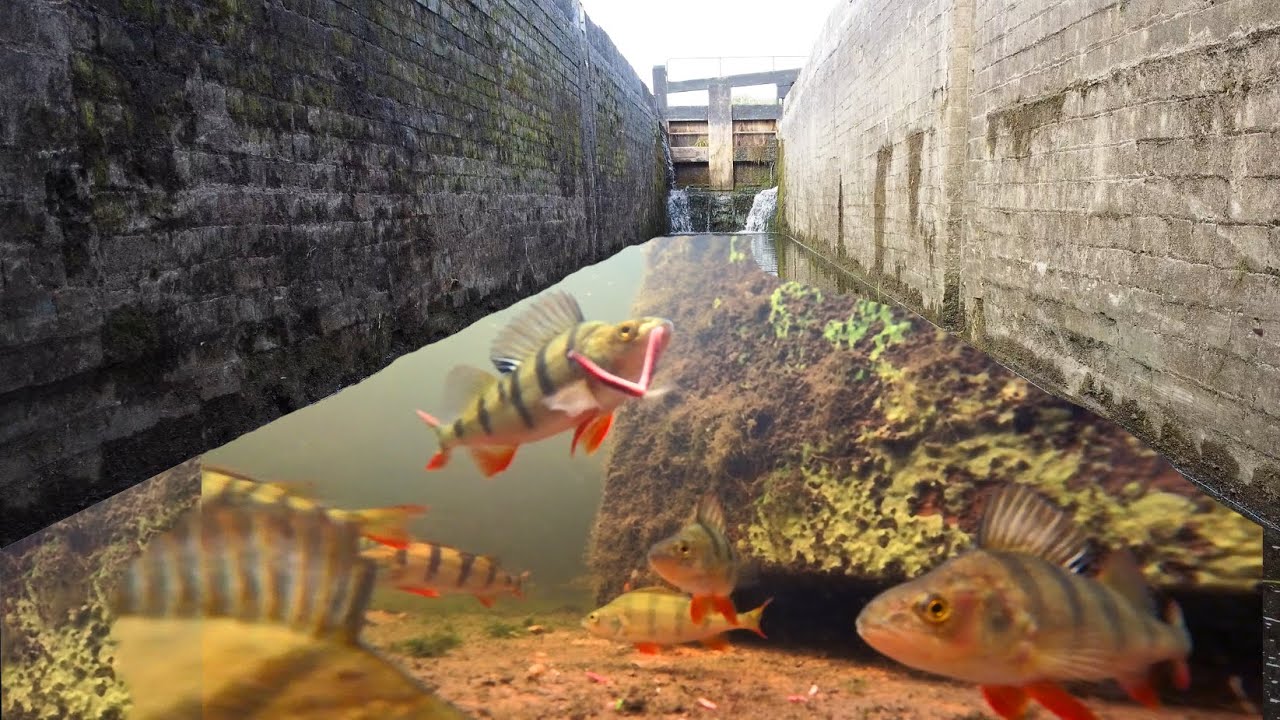
moist and cold conditions the presence of this condition on many neander tal skulls May support the idea that they were diving the abundance of shells at their sights suggest that they were primarily foraging though hunting and fishing is not out of the question theander has also harvested fish and fresh waterer trout chub and eel have all been found in grot De Castel chavita Italy which is on a river multiple sites in France have evidence of chub and European perch cadaro cave Russia even has evidence of Black Sea salmon it is generally thought that a lot
of evidence of neander Tal's eating fish is Lo due to the sea level rising and covering up Coastal sights even with the evidence we have it is clear that some neandertals exploited aquatic environments for food and resources multiple North African middle Paleolithic and alteran sites contain the remains of shellfish exploitation the hominin eating these shellfish would likely be modern humans or a transitional form the oldest site with shellfish re remains for firmly attributed to modern humans would likely be at Pinnacle Point in South Africa 160,000 years ago slightly younger sites from 120,000 years old onward
are found in South Africa such as kces river cave and blomo Cave two sites over 100,000 years old are also found in Atria and Kenya that show shellfish consumption the discovery of the Seiki harpoons also known as the katanda harpoons is some of the earliest definitive evidence that our species was spearing fish four of these bone harpoons have been discovered and they all date back to approximately 990,000 years ago the points are obviously harpoons and they are all the correct size to spear adult catfish these catfish weighed as much as 68 kg or 158 lbs
enough to feed 80 people for 2 days researchers suspect that that fishermen would come to the site every year to hunt these Giants it is also interesting to speculate how widespread this technology may have been throughout space and time considering Barbed bone points may have been made as far back as 800,000 Years Ago by erectus it is possible that this technology has continually existed in East Africa since this time though since the olivo point and the siki harpoons are separated by a vast amount of time it is possible that the technology was just reinvented some
of the earliest evidence of saltwater fish exploitation comes from the already mentioned blombos Cave of South Africa here many tools have been found dating to 70,000 years ago bone projectile points in alls shell beads bifacial points and abstract art was found the bone points were worked in a complex shaping method generally not seen until the holl the tools are associated with 10 species of fish fur seals penguins and Marine Birds the people at blombo's Cave hunted terrestrial animals but they also relied on the sea for sustenance after around 50,000 years ago a lot of our
evidence for aquatic resources use comes from the migrations of people throughout Eurasia the first significant waves of homo sapiens left Africa between 70,000 and 50,000 years ago they quickly dispersed along the southern route across the expansive coast of Asia and into Australia by 65 to 50,000 years ago these people were undoubtedly familiar with aquatic environments and would have exploited them wherever they went by 42,000 years ago sapiens living in East tamore became masters of catching fish from a cave known as the jemal shelter 38,000 Fishbones have been found almost half of these bones belong to
pgic fish species fish that lived in the open ocean the most common fish from the site were tuna though sharks rays and others were found archaeologist suo Connor said that these types of fish were being routinely caught 40,000 years ago is extraordinary it requires complex technology and shows us that early modern humans in Southeast Asian Islands had amazingly advanc aned Maritime skills it is not known how these people were catching these fish it is likely they simply speared them from the shore some sort of watercraft may have been used to access the pelic Zone the
site does preserve shell fish hooks but only after 23,000 years ago it is possible that these hooks were used much earlier on though Spears may be a more likely answer regardless of how people caught fish the abundance of fish speaks volumes to their proficiency at exploiting their environment hominins are known to have been able to cross large expanses of water possibly as far back as the time of erectus though it seems that these people had much more advanced Maritime technology many other sites throughout southeast Asia are known that contain fish and shellfish remains though it
can be assumed many have been lost with rising sea levels Sunda and sahul were once expansive areas with prosperous coastlines that are now underwater rising sea levels are likely to blame for the lack of Mediterranean and European sites preserving evidence of aquatic resource use sapiens living in the near East would not migrate into Eastern Europe until roughly 48,000 years ago though it would take a few thousand years for them to disperse across the continent many of these people lived alongside the prosperous shores of the Mediterranean at grota Del cavalo located in the Pula region of
Italy sapiens ate muscles and clams over 43,000 years ago the timing coincides with their arrival in the region and the replacement of the neander tals initially early European modern humans such as the orian culture do not seem to have been very interested in consuming aquatic resources isotopic analysis suggests that marine animals were consumed only occasionally as the upper Paleolithic progressed in Europe and cultures Diversified some cultures developed complex fishing techniques the first fish hooks in Europe appeared 20,000 years ago in Germany the technology would eventually spread all over Europe by the Mesolithic by 10,000 years
ago Sonage people from Southern Scandinavia began heavily exploiting fish osteologist Adam bothus and colleagues studied the protein sour sources from the bones of over 80 individuals stating between 10,500 and 7,500 years ago he said at the nor sunis sand settlement outside of solvesborg in Sweden you can see that over half the protein intake has come from fish 10% from Seals and around 37% from Land mammals such as wild boar and red deer and scarcely 3% came from Plants such as mushrooms berries and nuts he also said on the island of gotland which did not have
any land mammals apart from hairs the percentage of fish in total protein consumption was even higher at just under 60% here seals have replaced the land mammals and account for almost 40% of the protein intake whereas hairs and vegetables account for a negligible portion prior to this study it was believed that the people of Southern Scandinavia mainly relied on Red Deer or rocks and Elk as opposed to big game hunting fishing is a relatively stationary activity instead of chasing herds these people could create permanent settlements in the region these people would have used Spears Hooks
and even Nets the oldest known fishing nets are known from Finland dating to roughly 8,000 years ago there is some evidence of stone sinkers being used in other sites though it can often be controversial a sinker by itself is not necessarily indicative of a net during the Mesolithic Barbed points and hook technology would appear in many places around the world some cultures learn the methods from others while many independently came up with the idea Spears of all kinds were used to spear fish and other Aquatic animals hooks were made of wood bone Ivory shell Stone
and more the diversity of the these hooks is quite amazing some of the most interesting are wooden hbit hooks used by natives on the northwest coast of North America these hooks were often baited with octopus and suspended in the water from an inflated seal stomach medium-sized hibit weighing 90 kg or 200 lb could be caught most of our examples of these hooks are quite modern but the technology may have been prehistoric actual lures were also made with shiny shells to resemble fleeing fish the Maui and other Islands peoples of the Pacific made very complex lures
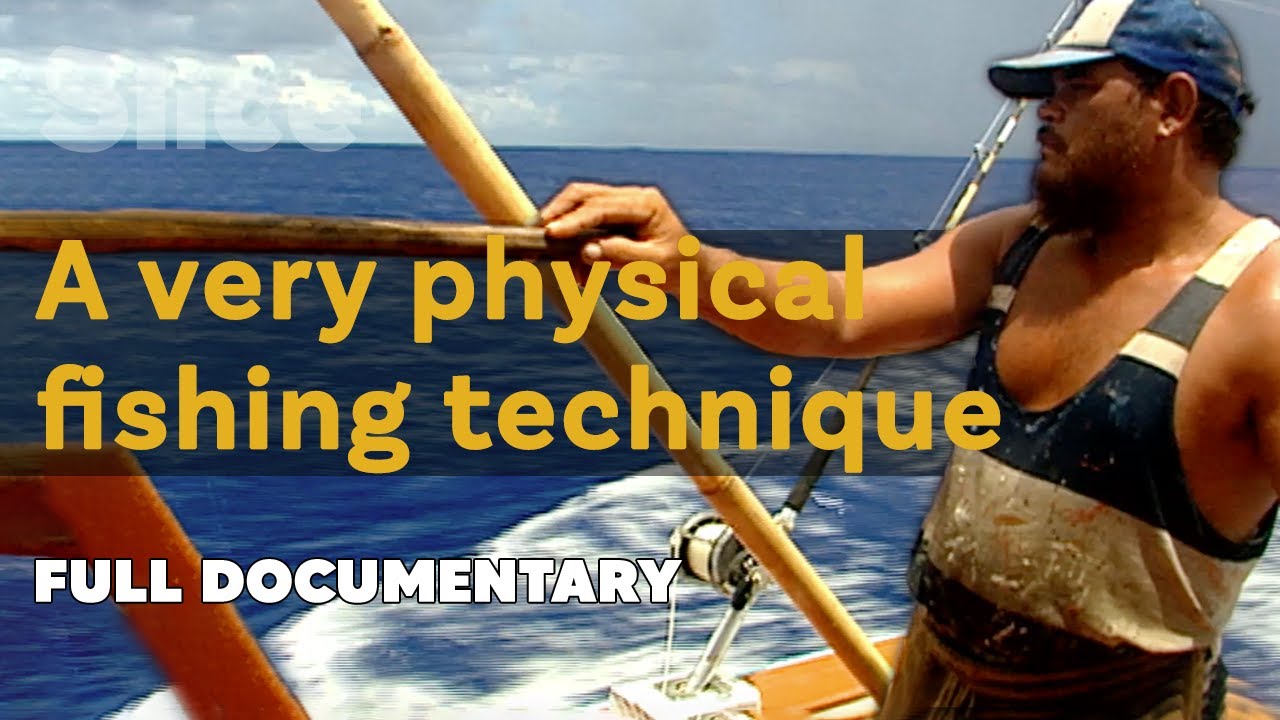
a shiny shell was used for the body while something sharp like a claw or Barb was used as the hook the lures resemble modern spoon lure designs the mai were known to troll these lures from their vessels just as we do in the modern day ice fishing with a hook and spear is also a practice that likely extends deep in prehistory the Inuit were known to be proficient fishermen even without metal bone Hooks and Spears were used some would lure fish to a hole with a shiny bone before spearing The Fish from above ice fishing
was likely practiced all over Eurasia during the last glacial maximum cultures around the world also came up with the idea of a fish wear fish wears are obstructions placed in a body of water to trap and Corral fish they are commonly made with just rocks or sticks because of their simple construction they are often hard to detect in the fossil record the technology has likely existed for tens of thousands of years but the oldest example comes from Central Maine the Sebasticook fish Weir was dated to 5700 years before present some Weirs are meant to trap
the fish entirely While others are made with small corridors for the fish to swim through once they enter they can be easily speared from above there is a great series on YouTube about Inuit people that still live like their ancestors did it is a fascinating series and there is a whole episode about the fishing Weir anyways another lesser known technique was using poison cultures from Australia the Americas and others are known to have used plant toxins to kill or capture fish poison was harvested from a variety of plants that when introduced to water paralyzes the
fish and causes them to float towards the surface this method works best in small or stagnant pools of water but can also be applied to slow streams and saltwater environments the method does not seem to have been exceptionally popular though it is still a very creative way of gathering fish fishing technology would drastically change with the introduction of metal throughout much of the world metal Fish Hooks are vastly superior to ones made out of organic materials copper hooks were the first metal hooks to be used it is a fairly malleable metal that can be turned
into a hook with ease copper was first used in the near East over 10,000 years ago but it is unclear if hooks were made hooks are small and don't tend to survive that many years the old copper culture of North America started working copper around 95 500 years ago and their copper hooks may have been the first to have been made during the Neolithic and especially the Bronze Age metal fishing hooks would become common throughout Eurasia and the technology persisted in the Americas but this video is about prehistoric fishing not historic my coverage will end
here fishing remains a source of much of the world's food and a fun Pastime for many I enjoy fishing in the many lakes of Minnesota and elsewhere and I have even made my own fishing lures before perhaps I will make videos on trying prehistoric fishing in the future let me know what you think of this thank you all for watching and I hope this video satisfied your curiosity about fishing in prehistory let me know what prehistoric topic you would like for me to cover next also make sure to check out today's sponsor fishing Clash the
link is in the description anyways koring Noe